

The global zinc market is exhibiting definitive warning signs of extreme tightness, with supply constraints deepening and demand proving remarkably resilient, according to the latest analysis from HSBC’s Global Commodity Team. This situation has driven benchmark prices to a four-year high and created the widest backwardation seen this year on the London Metal Exchange (LME), signaling an intensifying scramble for immediate physical metal. This localized tightness in the zinc market is being viewed by some veteran strategists as a micro-level manifestation of a nascent, structural commodity bull cycle poised to impact multiple sectors of the global economy.
The Alarming Signal: Zinc’s Market Dynamics
HSBC’s Global Commodity Team issued a stark warning on Thursday, forecasting a sustained period of tightness for zinc. Their projections indicate a significant decline in global mine supply, expecting it to fall by 2.1% year-over-year to 12.5 million metric tons (mt) by 2026. This anticipated reduction is primarily attributed to lower production outputs from Latin American mining operations, a region historically vital for global zinc concentrate supply. The report underscores that overall concentrate supply remains constrained, a critical factor given that zinc concentrate is the raw material processed by smelters to produce refined zinc metal.
Simultaneously, the market is grappling with persistent disruptions at zinc smelters globally. These disruptions, often stemming from high energy costs, maintenance issues, and stricter environmental regulations, have further exacerbated the supply crunch, limiting the conversion of available concentrates into usable metal. Despite these profound supply challenges, global zinc demand has remarkably held up, defying earlier expectations of a slowdown. HSBC specifically points to a modest but significant recovery in demand across Europe and North America as a key driver contributing to the expected "slightly tight" market conditions in 2026. This combination of dwindling mine output, intermittent smelter operations, and sustained demand forms a potent cocktail for price appreciation and market volatility.
Physical Tightness Manifests: The LME Backwardation
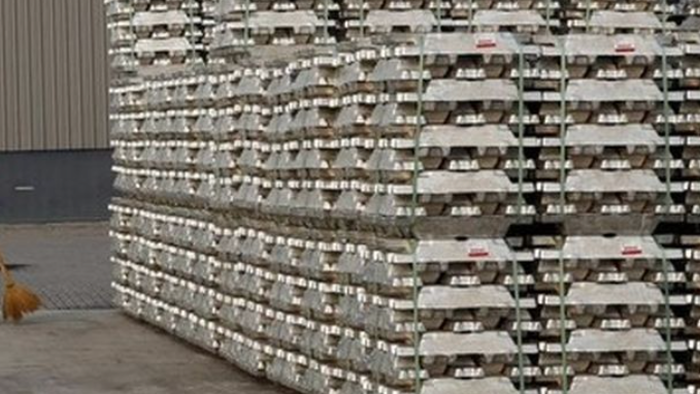
The most compelling evidence of immediate physical tightness in the zinc market emerged on the London Metal Exchange. On Thursday, zinc for immediate delivery traded at a premium of as much as $132.37 per ton over three-month futures contracts. This phenomenon, known as backwardation, represents the widest spread observed this year and serves as a powerful indicator of acute demand for readily available metal in warehouses compared to future supply.
Backwardation signifies that market participants are willing to pay a substantial premium to acquire zinc immediately rather than waiting for future delivery. This typically occurs when inventories are low and industrial users or traders face urgent requirements, creating intense competition for existing stock. The current level of backwardation suggests that LME-registered warehouses may be experiencing significant drawdowns, or that available metal is tightly held, making it difficult for buyers to source material without paying a premium. For industrial consumers, such a spread translates directly into higher immediate procurement costs, potentially squeezing profit margins and impacting production schedules for goods reliant on zinc.
Price Surge and Market Momentum
Reflecting the escalating supply concerns and robust demand, benchmark zinc prices have surged. Earlier today, the metal rose by 1.1% to reach $3,802 per ton, placing it on track for its fifth consecutive weekly gain. This latest rally pushes zinc to its highest closing price in four years, a clear testament to the fundamental shifts occurring within the market.
The price trajectory for zinc has been on an upward trend since early 2024, gradually building momentum as the interplay of supply disruptions and demand resilience became more apparent. The multi-year high indicates that the current market conditions are not merely transient but reflect deeper, structural imbalances. This sustained price appreciation attracts speculative interest, with investors looking to capitalize on the commodity’s upward trajectory, further contributing to market liquidity and price volatility.
Underlying Causes of Supply Constraints

The current tightness in the zinc market is not a sudden phenomenon but rather the culmination of several long-term and short-term factors impacting both mine production and smelting capacity.
Mine Supply Decline:
The projected 2.1% drop in global mine supply by 2026 is a critical concern. Several factors contribute to this decline:
- Aging Mines and Resource Depletion: Many of the world’s large, high-grade zinc mines are mature, experiencing declining ore grades and increasing operational costs as they extract deeper or more complex deposits. New significant discoveries have been few and far between over the past decade.
- Underinvestment in Exploration and Development: Following periods of lower prices, investment in new zinc exploration and mine development has lagged. Bringing a new mine online is a capital-intensive, multi-year process, meaning today’s underinvestment translates into future supply deficits.
- Regional Challenges in Latin America: HSBC specifically highlighted Latin America as a primary driver of the expected supply fall. Countries like Peru, Mexico, and Bolivia are major zinc producers. However, these regions often face challenges such as:
- Community and Environmental Protests: Increasing scrutiny and opposition from local communities regarding environmental impact and land rights can delay or halt mining projects.
- Regulatory Hurdles: Stricter environmental regulations, permitting delays, and changes in mining codes can impede operations and deter new investments.
- Labor Disputes and Geopolitical Instability: Strikes, social unrest, and political uncertainties can disrupt production and impact operational continuity.
- Infrastructure Limitations: Remote mining locations often suffer from inadequate infrastructure, making logistics and transportation challenging and costly.
Smelter Disruptions:
Even with adequate concentrate supply, the refined metal market can be constrained if smelters face operational difficulties.
- High Energy Costs: Zinc smelting is an energy-intensive process. The global energy crisis, particularly in Europe following geopolitical events, led to significant curtailments and even shutdowns of zinc smelters as electricity and natural gas prices soared, making production economically unviable. While energy prices have stabilized somewhat, the structural shift towards higher energy costs in some regions remains a concern.
- Maintenance and Technical Issues: Smelters are complex industrial facilities requiring regular maintenance. Unforeseen technical breakdowns or planned maintenance can temporarily reduce output.
- Environmental Regulations: Increasingly stringent environmental standards for emissions and waste management can necessitate costly upgrades or lead to temporary closures for compliance, reducing overall capacity.
Resilient Demand and its Drivers
Despite the supply headwinds, zinc demand has demonstrated remarkable resilience, surprising many market observers. Zinc’s versatility makes it indispensable across numerous industries, providing a broad base for its demand.
- Galvanizing (Steel Protection): The primary use of zinc, accounting for approximately 60% of global consumption, is in galvanizing steel to prevent corrosion. This application is crucial in:
- Construction: Infrastructure projects (bridges, roads, buildings), roofing, and structural steel.
- Automotive Industry: Vehicle bodies and components benefit from galvanized steel for durability and extended lifespan.
- White Goods and Appliances: Enhancing the longevity of household items.
- Alloys and Die-Casting: Zinc is a key component in various alloys (e.g., brass) and is widely used in die-casting for manufacturing precision components for electronics, hardware, and consumer goods.
- Batteries: Zinc-air batteries and other zinc-based battery technologies are gaining traction, particularly for energy storage solutions, contributing to demand in the renewable energy sector.
- Pharmaceuticals and Agriculture: Zinc is an essential micronutrient, used in supplements, pharmaceuticals, and animal feed. Zinc fertilizers are also crucial for crop health.
The "modest recovery" in demand in Europe and North America highlighted by HSBC is likely fueled by ongoing post-pandemic economic recovery, renewed investment in infrastructure projects, and a general uptick in industrial activity. The global push towards decarbonization and green technologies also indirectly supports zinc demand through increased construction of renewable energy installations and associated infrastructure.

Global Perspectives and Expert Commentary
The warnings from HSBC are echoed by other market participants, underscoring the broad consensus on the challenging outlook for zinc. Analysts from Chinese brokerage Jinrui Futures Co. noted, "There are still concerns about overseas supply disruptions in zinc," adding that "the driving forces for the relative strength of the LME price continue to exist, together with heightened volatility around macroeconomic sentiment." This perspective from a major consuming nation like China highlights the global nature of the supply concerns and the potential for macroeconomic factors to amplify market movements.
Beyond zinc, the current market dynamics are being interpreted by some as part of a larger, systemic shift in the commodities landscape. Veteran commodities strategist Jeff Currie, known for his incisive market analysis, articulated a compelling thesis on Thursday, stating that the convergence of tight physical markets, currency debasement, and policy intervention represents the hallmark of a "structural commodity bull cycle."
Currie’s framework for a commodity supercycle, a prolonged period of above-trend commodity price growth, is built on three pillars:
- Tight Physical Markets: This refers to persistent supply deficits across a range of commodities, not just zinc. Years of underinvestment in mining and energy production, coupled with growing global demand, have depleted inventories and reduced spare capacity, making markets highly sensitive to disruptions.
- Currency Debasement: Inflationary pressures and the expansionary monetary policies adopted by central banks globally have led to a decline in the purchasing power of fiat currencies. In such an environment, real assets like commodities become attractive hedges against inflation, driving investment flows into the sector.
- Policy Intervention: Government policies are increasingly playing a pivotal role. Massive infrastructure spending initiatives in various countries (e.g., the U.S. Infrastructure Investment and Jobs Act), coupled with ambitious green transition mandates (e.g., renewable energy targets, electric vehicle mandates), are creating unprecedented demand for raw materials like copper, lithium, nickel, and, indeed, zinc. Furthermore, geopolitical considerations and reshoring policies are prompting companies to secure domestic or near-shore supply chains, which can further tighten specific markets.
Currie’s analysis, supported by the upward trend observed in broader indices like the Quantix Commodity Index, suggests that the current volatility and price increases are not merely cyclical but indicative of a fundamental shift. His advice to followers to "Get long and buckle up: the next leg of the ride will see more vol with higher highs across more markets" encapsulates the sentiment that the current commodity rally is far from over and may broaden in scope and intensity.
Broader Economic Implications

The escalating prices and scarcity of essential industrial metals like zinc carry significant implications for the global economy.
- Manufacturing Costs: Industries heavily reliant on zinc, such as automotive, construction, and electronics, will face higher input costs. These costs can either erode profit margins for manufacturers or be passed on to consumers, contributing to broader inflationary pressures.
- Inflationary Pressures: A sustained rise in commodity prices is a key driver of inflation, impacting consumer purchasing power and potentially influencing central bank monetary policy decisions.
- Supply Chain Resilience: The current tightness highlights vulnerabilities in global supply chains. Companies may need to rethink their sourcing strategies, potentially leading to diversification of suppliers or investment in local production, albeit at a higher cost.
- Investment Landscape: For investors, commodities become an increasingly attractive asset class during periods of inflation and supply constraints. However, the increased volatility also presents higher risks.
- Green Transition Challenges: While policies promoting green energy drive demand for certain metals, the supply tightness across the commodity complex could pose challenges to the pace and cost of the global energy transition. Securing sufficient raw materials at reasonable prices is critical for scaling up renewable infrastructure and EV production.
Looking Ahead: The Path for Zinc and Commodities
The immediate outlook for zinc points to continued tightness and price volatility. While high prices could eventually incentivize new mine investments or increased recycling, the long lead times for such projects mean that supply relief is unlikely in the short to medium term. Demand destruction, where high prices force industries to find alternatives or reduce consumption, remains a potential mitigating factor, but the essential nature of zinc in many applications makes this a difficult proposition.
The broader narrative of a structural commodity bull cycle, as articulated by Jeff Currie and supported by market indicators, suggests that the current environment extends beyond zinc to encompass a wider array of raw materials. This cycle, if it unfolds as predicted, would be driven by fundamental shifts in global supply-demand dynamics, monetary policy, and geopolitical priorities. Market participants, from industrial consumers to institutional investors, are closely monitoring these developments, understanding that the "next leg of the ride" could reshape economic landscapes and investment strategies for years to come. The signals from the zinc market are not merely an isolated event but a potent indicator of deeper, systemic changes underway in the global commodity complex.

