
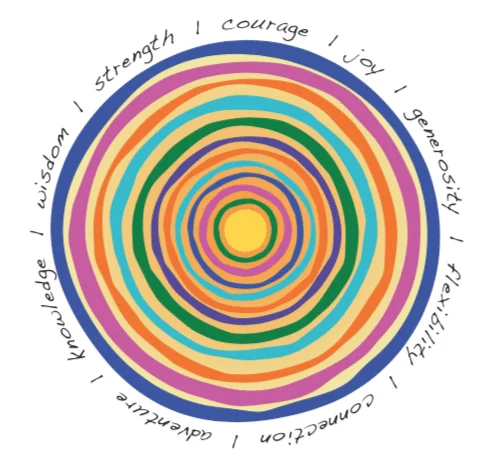
Our society’s pervasive emphasis on youth, often at the expense of appreciating the contributions and potential of older adults, presents a significant societal challenge. This cultural bias, while deeply ingrained, is being actively addressed by initiatives like the “Aging with Gusto” program, a vital component of the Vital Aging Network. This program, and a growing body of research, underscore the profound impact of our mindset on the aging process itself, suggesting that cultivating positive views of aging can lead to demonstrably longer and more fulfilling lives.
The core message promoted by “Aging with Gusto” and its facilitators, such as Donna Comer, is that “how we think about aging has a big impact on how we age.” This seemingly simple assertion is backed by compelling scientific evidence. Research consistently indicates that individuals who hold more positive perceptions of aging tend to live significantly longer. A landmark study, for instance, found that those with more optimistic views on aging lived an average of 7.5 years longer than their more pessimistic counterparts. This statistical difference is not merely coincidental; it points to the tangible health benefits associated with a positive outlook.
Conversely, negative self-perceptions in later life can have detrimental consequences. Individuals who view themselves as a burden to others often experience a diminished sense of life value. This can lead to increased risks of depression and social isolation, conditions recognized as “silent killers” among older adults, contributing to a decline in overall well-being and longevity. The psychological impact of societal ageism, therefore, translates directly into physiological and social health outcomes.
The Power of Positive Perceptions
The imperative to shift societal perspectives on aging is recognized by prominent figures and organizations. Donna Comer emphasizes that while acknowledging the inherent challenges of growing older, “raising awareness of aging and increasing appreciation for how people of all ages contribute to our families and our communities is an essential first step in adopting a more positive view of both retirement and aging.” This perspective aligns with the work of Jo Ann Jenkins, CEO of AARP and author of “Disrupt Aging: A Bold New Path to Living Your Best Life at Every Age.” Jenkins advocates for a paradigm shift, asserting that individuals are not only living longer but also living better, actively defying outdated stereotypes associated with advanced age.
Shattering Ageist Stereotypes
Illustrative examples abound that highlight the disconnect between societal perceptions and the reality of aging. At an arts and aging conference several years ago, a keynote speaker invited audience volunteers to physically embody what 70, 80, and 90 looked like. The portrayal was characterized by tentative steps, reliance on canes, and simulated frailty. However, this performance was dramatically interrupted by an actual 90-year-old marathon runner who entered the stage with vigor, instantly dispelling the audience’s preconceived notions of what “old” entails. This event served as a powerful, real-time demonstration of how deeply ingrained, and often inaccurate, stereotypes can be.
A similar, impactful initiative was undertaken by AARP through a video campaign. In this video, millennials were asked to depict what “old” looks like, their representations often including difficulty with technology, slow movement, and physical weakness. The subsequent reveal featured actual older adults effortlessly performing these tasks and more, showcasing a stark contrast that left the millennial participants visibly amazed. This campaign underscored the prevalent ageism that often colors societal views, leading to the misconception that older persons are inherently debilitated and unworthy of attention or employment opportunities.
Addressing Ageism: More Than Just a Mindset
While “Aging with Gusto” and similar programs focus on the internal mindset shift, the external manifestations of ageism are a critical component of the conversation. Ageism is defined as the tendency to regard older persons as debilitated, unworthy of attention, or unsuitable for employment. This prejudice, however, does not have to be an inevitable companion to the aging process, nor should it be.
Longevity expert Dan Buettner, in his seminal work “The Blue Zones: Lessons for Living Longer from the People Who’ve Lived the Longest,” further elaborates on this. His research, which identifies regions with the highest concentrations of centenarians, suggests that adopting specific lifestyle habits can significantly contribute to adding years and potentially decades to one’s life. While not solely focused on mindset, these habits implicitly support a vibrant and engaged approach to aging.
Buettner’s work identifies nine key habits prevalent in Blue Zones communities that contribute to longevity and well-being. While the specific details of these habits were not fully enumerated in the provided text, their inclusion in a discussion about aging with gusto implies a holistic approach that encompasses physical activity, social connection, purposeful living, and dietary choices. These are factors that, when embraced, foster a sense of vitality and continued contribution, directly combating the negative stereotypes associated with aging.
Broader Implications and Future Directions
The implications of fostering an “aging with gusto” mindset extend far beyond individual well-being. A society that values and integrates its older adults benefits from their accumulated wisdom, experience, and continued participation in civic and economic life. Ageism, conversely, leads to a loss of human capital and perpetuates a cycle of marginalization.
The “Aging with Gusto” program, through its workshops and resources, aims to empower individuals to reframe their perceptions of aging. By providing tools and fostering a supportive community, it encourages a proactive approach to later life, emphasizing engagement, purpose, and a continued sense of self-worth. The program’s connection to the Vital Aging Network suggests a broader organizational commitment to promoting healthy and positive aging across communities.
The research cited, coupled with the practical initiatives like those championed by AARP and the Vital Aging Network, points towards a growing recognition of the need for a cultural recalibration. As demographics shift and populations age globally, understanding and actively challenging ageist attitudes becomes not just a matter of social justice, but a public health imperative.
Future efforts in this domain will likely focus on multi-faceted strategies. These could include:
- Educational Campaigns: Developing and disseminating public awareness campaigns that highlight the diverse and vibrant lives of older adults, directly countering stereotypical portrayals.
- Intergenerational Programs: Facilitating structured interactions between different age groups to foster mutual understanding and break down generational barriers.
- Workplace Policies: Advocating for age-inclusive employment practices that recognize the value and contributions of experienced workers.
- Healthcare Integration: Incorporating psychological and social well-being assessments into routine healthcare for older adults, addressing the risks of depression and isolation.
- Policy Reform: Encouraging legislative changes that protect against age discrimination and promote opportunities for older adults.
The journey towards an “aging with gusto” society is ongoing. It requires a conscious effort from individuals, communities, and institutions to dismantle ageist constructs and embrace a more nuanced, appreciative, and empowering view of aging. The evidence is clear: a positive outlook, supported by healthy habits and societal acceptance, can transform the later chapters of life into periods of profound fulfillment and continued contribution.
For those seeking to learn more and engage with these concepts, resources such as AgingWithGusto.com and BlueZones.com offer valuable insights and practical guidance. The ongoing dialogue, bolstered by research and initiatives from organizations like the Vital Aging Network and AARP, signals a promising shift towards a future where aging is not just endured, but enthusiastically embraced. The podcast episodes linked further underscore the depth and breadth of this evolving conversation, featuring experts and thought leaders exploring various facets of positive aging and its implications.

