
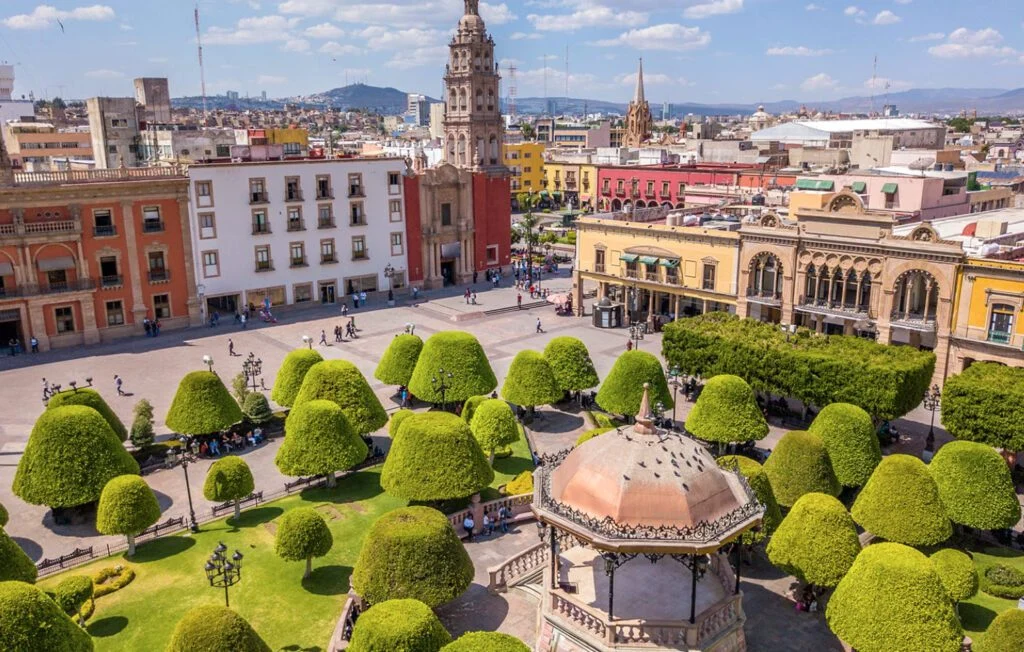
The decision to retire abroad is a significant one, often stemming from a desire for a different lifestyle, a lower cost of living, or simply the allure of a new adventure. For many Americans considering this path, the experiences of those who have already made the leap offer invaluable insights. Anne Nicolai, a former corporate professional and now a freelance writer and karaoke host in San Miguel de Allende, Mexico, has been living as an expatriate since 2008. Her journey, detailed on her platform MoveToMexico.org, provides a compelling perspective on the realities and rewards of embracing retirement in a foreign land.
The Evolving Expatriate Landscape
The trend of Americans retiring abroad has seen a steady increase in recent decades. Factors contributing to this phenomenon include the rising cost of living in the United States, particularly healthcare, and the increasing accessibility of international travel and communication. According to a 2023 report by International Living, a publication focused on retirement abroad, popular destinations for American retirees include Mexico, Panama, Costa Rica, Ecuador, and Portugal, offering a combination of affordability, favorable climates, and established expat communities. The allure often lies in the potential for a higher quality of life on a reduced budget, allowing retirees to stretch their savings further and enjoy experiences that might be prohibitive in their home country.
Learning #1: Discovering Untapped Capabilities
Nicolai’s first profound realization upon moving to Mexico was the extent of her own capabilities, which she initially underestimated. "When I first moved to Mexico, I stumbled over the few Spanish phrases I knew, struggled to convert pesos to dollars in my head and wistfully watched the spinning salsa dancers, wishing I had rhythm," she recounts. Fourteen years later, Nicolai is a fluent Spanish speaker, a karaoke host, and proficient in managing her finances in pesos. This personal transformation highlights a common theme among expatriates: the process of navigating unfamiliar systems and cultures forces individuals to develop new skills and resilience.
The bureaucratic hurdles alone can be substantial. Nicolai details her experience applying for and renewing her temporary residency visa, a process that involved multiple visits to immigration offices and meticulous documentation. This experience, coupled with numerous road trips between San Miguel and Minneapolis, often undertaken alone, tested her limits. "I have survived getting lost and being shaken down for bribes, all of which stretched my comfort zone," she notes. This self-discovery is not unique to Nicolai. Many who retire abroad find themselves capable of handling complex administrative tasks, adapting to new social norms, and overcoming challenges they never anticipated, leading to a significant boost in self-confidence.
Learning #2: The Strategic Advantage of Expat Communities
Safety and security are paramount considerations for anyone contemplating a move abroad. Nicolai acknowledges the need for heightened awareness and precautions in her adopted country. "Here in Mexico, everyone has decorative ironwork over their windows and doors to prevent break-ins, and many garden walls are topped with broken glass embedded in the mortar, or even razor wire to discourage thieves," she observes. The ubiquity of petty theft, such as leaving electronics unattended in a car, necessitates a recalibration of personal security habits.
However, Nicolai emphasizes that the presence of a substantial expatriate community can mitigate these concerns. "If you move to a place with a sizeable expat community, whether in Mexico, China, Nigeria, India or Ecuador, there will be some kind of security infrastructure in place," she explains. In San Miguel de Allende, this includes English-speaking emergency services and access to the American consular agency. Furthermore, the integration of expats into the local fabric often leads to greater understanding and communication. "Because the locals are accustomed to socializing and working with expats, many of them speak English, too," she adds. This creates a layered approach to safety, allowing individuals to choose environments that align with their comfort levels, from mixed neighborhoods to exclusive gated communities. The social capital built within these communities, where neighbors know and trust each other, provides an invaluable safety net.
Learning #3: Technology as a Global Connector
In an increasingly interconnected world, technology plays a crucial role in bridging geographical divides. Nicolai highlights how digital tools ensure that expatriates remain connected to their loved ones and to vital resources. "No matter how far you roam in retirement, you’ll have the technology to stay in touch with loved ones back home," she states. The widespread availability of high-speed internet and affordable mobile services, coupled with communication apps like WhatsApp, Duo, and Facetime, enables free voice and video calls, facilitating participation in family milestones and everyday connections.
Beyond personal communication, technology extends to essential services. Virtual healthcare options offer remote consultations with doctors and therapists, and online platforms simplify bill payments and financial management, including direct deposit of Social Security benefits into foreign bank accounts. In the new community, technology fosters integration and information sharing. Expat forums on social media provide practical information ranging from local events and sales to crime alerts and recommendations for goods and services. Navigational tools like Google Maps and Waze further enhance daily life, offering directions and information for local amenities. This technological infrastructure ensures that the challenges of distance are significantly reduced, allowing for a richer and more informed expatriate experience.
Learning #4: Cultural Immersion as a Catalyst for Personal Growth
The decision to move abroad is often driven by a desire for experiences and a different pace of life. Nicolai’s move to Mexico was motivated by a craving for "more sunshine, more color, more ethnic diversity and the intellectual challenge of learning a new language." Her previous life in the United States was characterized by a "Type A" personality, deeply immersed in consumerism. After 14 years in Mexico, her perspective has profoundly shifted.
"I’ve discovered the benefits of patience, humility and simplicity," she notes. Her consumption habits have transformed; she now prioritizes necessities like food and music, finding that her existing wardrobe suffices due to increased physical activity. "Living in Mexico means I walk more, dance more and eat healthier," she observes, a sentiment echoed by expats worldwide. This immersion into a new culture often leads to a reevaluation of personal values, shifting focus from material possessions to experiences and well-being. The slower pace of life, the emphasis on community, and the vibrant cultural tapestry contribute to a more balanced and fulfilling existence for many expatriates. This cultural enrichment is not merely superficial; it fosters a deeper understanding of oneself and the world, leading to significant personal development.
Learning #5: The Freedom to Choose and Re-evaluate
Perhaps the most liberating lesson Nicolai shares is the understanding that the decision to retire abroad is not irreversible. "You can always go home," she asserts, dispelling the notion that expatriate retirement is a permanent, one-way commitment. She points to retirees in their 80s and 90s who have lived abroad for decades, as well as those who have returned to their home countries for health reasons or to be closer to family. The expat journey is characterized by flexibility and personal choice, not a fixed destination.
"There is no right way or wrong way to retire; there is no perfect timing; there is no right or wrong place," Nicolai emphasizes. This perspective reframes the expatriate experience as one of exploration and adaptation, rather than a definitive commitment. Her own connection to Mexico is profound, viewing it as home, but she acknowledges the possibility of future moves. The motivations for expatriate living are diverse, ranging from seeking reinvention and healing to pursuing artistic passions or simply escaping harsh climates. The ongoing support of friends and family, through visits and continued communication, ensures that expatriates do not feel isolated. Ultimately, the freedom to make informed decisions about one’s living situation, whether it’s embracing a new culture or returning to familiar surroundings, is the hallmark of a successful and fulfilling retirement, wherever it may be.
The narrative of Anne Nicolai’s expatriate life in Mexico underscores a broader trend: retirement abroad offers not just a change of scenery but a profound opportunity for personal growth, cultural understanding, and redefined priorities. As more Americans contemplate their post-career lives, the lessons learned from pioneers like Nicolai provide a valuable roadmap for navigating this exciting and transformative chapter. The implications are significant, suggesting that retirement is not an endpoint but a dynamic phase of life, ripe with possibilities for those willing to embrace the unknown.

