
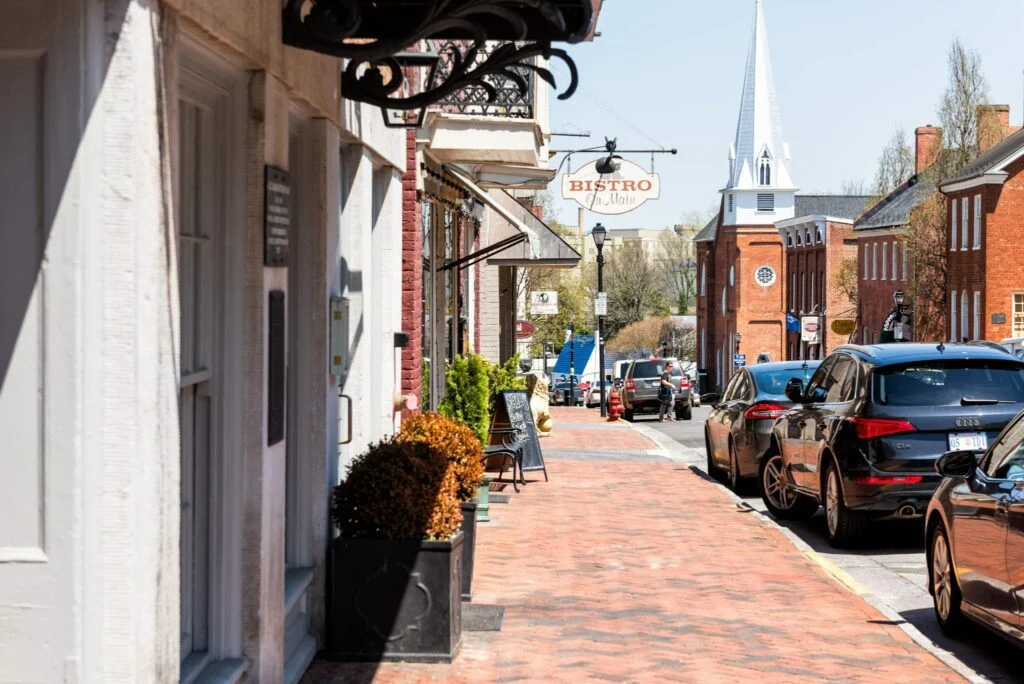
The quest for the ideal retirement destination is a journey many Americans embark on, a transition marked by newfound freedom and the opportunity to redefine their living environment. No longer tethered to the demands of a career, retirees often find themselves with the enviable, yet sometimes daunting, task of choosing a place to call home for their golden years. While traditional metrics like climate and cost of living have long dominated this decision-making process, a more comprehensive understanding of "livability" is emerging as a critical factor. This evolving perspective is being championed by organizations like AARP, which has developed a powerful online tool to help individuals navigate this complex choice.
The Shifting Landscape of Retirement Location Decisions
For decades, the allure of warm weather and a lower cost of living has drawn retirees to states like Florida, Arizona, and parts of the Carolinas. Publications have routinely churned out "best places to retire" lists, often focusing on these established retirement hubs. However, the definition of a desirable retirement location is expanding beyond these superficial characteristics. As individuals approach retirement, their priorities often shift to encompass a broader spectrum of factors that contribute to their overall quality of life and well-being.
This shift is evident in the anecdotal evidence provided by individuals actively planning their retirement. Matt Pittman and Kris Jennings, for instance, diligently track annual "best places to retire" lists, suggesting a continued reliance on curated recommendations. Katherine and Barry Johnson’s weekend routine of watching travel shows and exploring "retire here" websites indicates a desire for immersive research and visual exploration. Meanwhile, Rob Kirby and his partner John have developed a sophisticated, personalized system. Their "Could We Retire Here?" game, a testament to their analytical approach, uses an Excel spreadsheet to meticulously evaluate potential hometowns against their specific criteria, including access to a cooperative living arrangement and proximity to a university. These diverse approaches highlight a growing recognition that a truly fulfilling retirement location requires a deeper consideration of the community’s inherent qualities.
Introducing the AARP Livability Index: A Data-Driven Approach
To address this need for a more nuanced evaluation, AARP has launched The Livability Index—Great Neighborhoods for All Ages. This innovative online tool aims to democratize the process of retirement location planning by providing a standardized, data-driven framework for assessing communities across the United States. The index moves beyond simplistic rankings to offer a detailed breakdown of what truly makes a community livable for people of all ages, abilities, and income levels.
"Because where we live as we age is a good indicator of how well and even how long we’ll live," explains Jay Haapala, AARP Minnesota Associate State Director, Community Engagement. "All places are not equal in this way, and there’s much more to livability than nice weather. Plus, when we plan for older adults, we plan for everyone.” This statement underscores the core philosophy behind the Livability Index: that a truly livable community benefits not just retirees, but the entire population, fostering an environment of inclusivity and well-being.
Defining Livability: The Pillars of a Thriving Community
AARP defines a livable community as one where individuals of all ages, abilities, and income levels can thrive. This encompasses a broad range of factors, moving far beyond mere affordability or pleasant climate. While the specific categories and their weightings are detailed within the index, the underlying principles revolve around creating environments that support independence, engagement, and overall quality of life.
The index is built upon a comprehensive framework designed to assess various facets of community life. These pillars are meticulously researched and compiled to provide users with a holistic view of a location’s potential. By considering these diverse aspects, the Livability Index empowers individuals to make informed decisions that align with their evolving needs and aspirations.
Navigating the Livability Index: A User-Friendly Exploration Tool
The practical application of The Livability Index is designed to be straightforward and accessible. Users can simply enter an address, city, state, or ZIP code to generate a comprehensive score for a particular community, ranging from 0 to 100. This score is derived from an evaluation across seven key areas that significantly impact an individual’s quality of life and their ability to age in place comfortably and successfully.
The seven key areas assessed by the Livability Index are:
- Housing: This category examines the availability, affordability, and diversity of housing options. It considers factors such as the cost of housing relative to income, the availability of rental versus owned properties, and the presence of housing options that cater to different needs and life stages, including accessible and multi-generational housing.
- Transportation: The index evaluates the accessibility and affordability of various transportation modes. This includes the quality and reach of public transit systems, the walkability and bikeability of neighborhoods, and the availability of transportation services for those who do not drive.
- Health and Healthcare: This crucial area assesses the availability and quality of healthcare services, including hospitals, clinics, and specialized medical facilities. It also considers factors related to public health, such as access to healthy food options and opportunities for physical activity.
- Community, Civic and Social Engagement: This pillar focuses on the social fabric of a community, examining opportunities for social interaction, civic participation, and cultural enrichment. It looks at factors like the presence of community centers, libraries, parks, volunteer opportunities, and diverse recreational activities.
- Environment: The environmental aspect considers the quality of the natural and built environment. This includes factors such as air and water quality, access to green spaces and parks, and the presence of environmental hazards.
- Economic Opportunities: While many are retired, economic factors still play a role, particularly for those who may wish to continue working part-time or need to manage their finances effectively. This category assesses the local job market, unemployment rates, and the cost of living relative to income.
- Education: This area is relevant for individuals who may wish to pursue lifelong learning or engage in educational activities. It considers the accessibility of educational institutions, libraries, and adult learning programs.
Empowering Personalized Decision-Making
Beyond providing a general score, The Livability Index empowers users to delve deeper and customize their search. A significant feature allows individuals to compare up to three locations side-by-side, facilitating a direct contrast of their strengths and weaknesses. This comparative analysis is invaluable for narrowing down options and identifying the most suitable destinations.
"You can even see how the west side of a town differs from the east side," notes Haapala, highlighting the granular level of detail available. "Plus, you can drill down into the specific criteria that are important to you.” This customization is what truly sets the index apart. For example, a retiree who cherishes intellectual pursuits can investigate the proximity of potential residences to public libraries, assessing the ease of access for author readings or borrowing books. Similarly, an individual who relies on public transportation to visit grandchildren can scrutinize the stroller-friendliness and accessibility of a city’s transit system, ensuring it meets their practical needs.
Broader Implications: Planning for All Ages
The emphasis on planning for older adults translating to planning for everyone is a profound implication of the Livability Index. Communities designed with the needs of seniors in mind—such as accessible public transportation, safe and walkable streets, and readily available healthcare—inherently enhance the quality of life for all residents, including families with young children, individuals with disabilities, and people of all ages. This universal design approach fosters more inclusive, equitable, and ultimately, more desirable communities for everyone.
The development and promotion of such tools by organizations like AARP represent a proactive response to the evolving demographics and needs of the aging population. As the baby boomer generation continues to enter retirement, the demand for accurate, comprehensive information on retirement living will only increase. The Livability Index provides a vital resource, moving beyond anecdotal evidence and simplistic rankings to offer a data-backed approach to a decision that profoundly impacts an individual’s well-being and happiness in their later years.
The Pandemic’s Influence and the Future of Retirement Location Selection
The recent global pandemic has further underscored the importance of a well-planned retirement location. With travel restrictions and social distancing measures in place, many individuals have found themselves more reliant than ever on virtual exploration. The Livability Index offers a safe and effective way to "virtually tour" potential retirement destinations, allowing for thorough research from the comfort of one’s current home. This ability to assess a community’s livability remotely is particularly valuable in the current climate, enabling individuals to continue their retirement planning without compromising their health and safety.
The impact of this tool extends beyond individual retirement decisions. By highlighting the characteristics of livable communities, the index can also serve as a valuable resource for urban planners, policymakers, and community developers. It can inform future development projects and policy initiatives aimed at creating more age-friendly and inclusive environments across the nation. As the understanding of livability matures, it is poised to become an increasingly influential factor in shaping where Americans choose to spend their retirement years, fostering a future where aging is not just about longevity, but about living well.
Bev Bachel, a freelance writer and AARP member, contributed this article, drawing from her personal experience and appreciation for the livability of her Minneapolis neighborhood. Her background also includes authorship, notably the book "What Do You Really Want? How to Set a Goal and Go for It: A Guide for Teens," demonstrating a commitment to guiding individuals through significant life decisions and goal achievement.

