
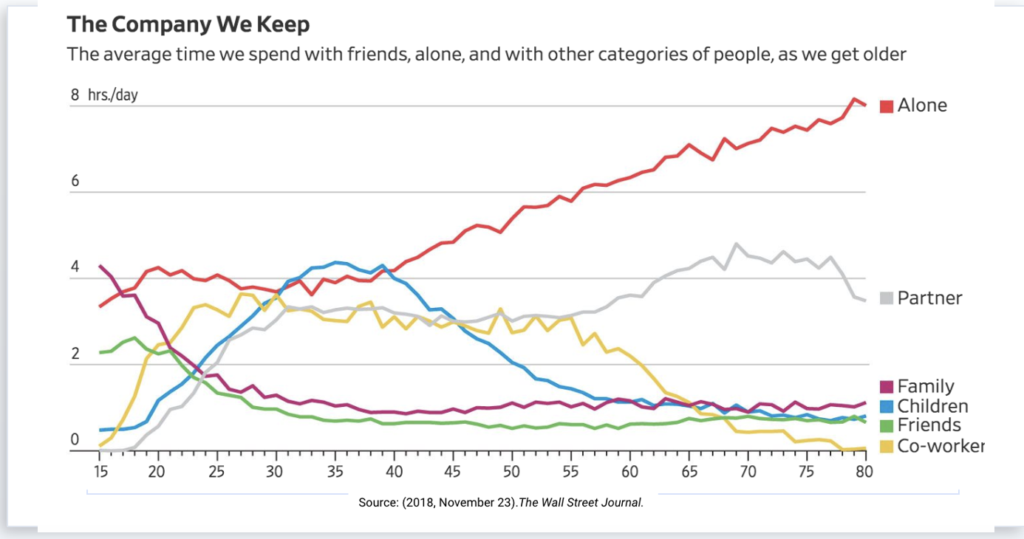
Retirement, a milestone often heralded for its promise of newfound freedom and expanded leisure, presents a unique set of internal challenges that can surprise even the most prepared individuals. As the structured environment of a career recedes, many retirees find themselves navigating a landscape of increased solitude, a reality that magnifies the significance of their internal dialogues. These are not mere fleeting thoughts, but rather the continuous conversations we have with ourselves, conversations that can profoundly shape our experience of this significant life transition.
The nature of this inner discourse is multifaceted. It can encompass forward-thinking planning, imaginative exploration, and reflective introspection. Conversely, it can also devolve into cycles of worry, rumination, self-criticism, and blame. As highlighted in discussions on The Retirement Wisdom Podcast, the quality of these internal conversations can either constrict one’s potential or, conversely, serve as a powerful catalyst for embracing the next chapter with intention and a broader sense of possibility.
Dr. Marilee Adams, a distinguished psychologist and the founder and CEO of The Inquiry Institute, offers a compelling framework for understanding this phenomenon in her widely acclaimed book, Change Your Questions, Change Your Life. The latest, fifth edition of this seminal work delves into the critical role our self-directed questions play in shaping our mindset. Dr. Adams posits that individuals primarily operate from one of two fundamental mindsets: the "Judger" or the "Learner."
The "Judger" mindset is characterized by questions that tend to look backward or inward, often with a critical or accusatory tone. Examples include "What’s wrong with me?", "Why did this happen?", or "Why bother?" These questions can trap individuals in cycles of negativity and self-doubt. In contrast, "Learner" questions are forward-looking and curiosity-driven, fostering agency and opening avenues for growth. They might take the form of "What do I want now?", "What can I contribute?", or "How else can I think about this?" This distinction is particularly pertinent as individuals embark on retirement.
The transition into retirement often acts as a powerful spotlight on the quality of our internal questioning. Without the built-in structure, identity markers, and immediate feedback loops provided by a professional career, Judger-type questions can gain considerable momentum. However, by consciously cultivating and employing wise, Learner-oriented questions, individuals can effectively redirect their focus toward what truly matters, such as cultivating deeper meaning, experiencing greater joy, fostering meaningful contributions, strengthening relationships, and pursuing ongoing personal growth.
Further illuminating the complexities of our inner world is Dr. Ethan Kross, a leading psychologist and the director of the Emotion & Self Control Laboratory at the University of Michigan. His book, Chatter: The Voice in Our Head, Why It Matters, and How to Harness It, explores the science behind self-talk. Dr. Kross distinguishes between ordinary negative thoughts and "chatter"—a more persistent, cyclical pattern of worry, rumination, and catastrophizing. His research underscores that negative emotions are not inherently detrimental; in measured doses, they can serve as valuable learning opportunities. The challenge arises when individuals become ensnared in these negative loops, hindering their ability to move forward.
The work of Dr. Adams and Dr. Kross, while approaching the subject from distinct angles, converges on a crucial point: the objective is not to silence the inner voice, but rather to engage with it more skillfully. Both experts emphasize the universal presence of an inner critic and the importance of accepting this aspect of human psychology. Crucially, they both highlight that heightened self-awareness serves as the bedrock for creating choice. Furthermore, both offer practical strategies for transitioning from automatic, reactive responses to intentional, considered actions.
Dr. Adams’s "Choice Map" provides an elegantly simple yet powerful tool for navigating this internal landscape. It offers a clear language and a practical framework: recognize the Judger mindset, pause to interrupt its momentum, and then consciously shift into the Learner mindset. One of her most impactful "switching questions" is, "Who do I choose to be in this moment?" This question empowers individuals to assert their agency and define their present state, rather than being dictated by past experiences or negative self-perceptions.
Dr. Kross, on the other hand, advocates for a versatile "toolbox" approach, recognizing that different situations call for different strategies. His recommendations include "distance self-talk," where individuals address themselves by name and offer coaching as they would to a trusted friend. He also suggests "mental time travel," prompting individuals to consider how they will perceive a current challenge from a future vantage point, such as six months or a year down the line. Integrating physical activity, such as a walk in nature, can further enhance this toolkit, transforming individuals into more adept "chatter advisors" with a personalized repertoire of coping mechanisms.
Practical Strategies for Cultivating a Healthier Inner Dialogue
The insights from Dr. Adams and Dr. Kross offer actionable strategies for retirees seeking to enhance their internal conversations and navigate their post-career lives with greater equanimity and purpose. The initial step involves cultivating a heightened awareness of one’s own inner monologue.
1. Enhancing Self-Awareness and Pausing:
A foundational practice, inspired by Dr. Adams’s work and a technique she learned from Dr. Aditi Nerurkar, involves a deliberate physical pause. This "Stop. Breathe. Be." protocol serves to interrupt the momentum of habitual thought patterns, creating a critical space for conscious reflection.
2. Identifying Questioning Patterns:
Following this pause, individuals are encouraged to actively "catch" their questions. This involves noticing the specific inquiries they are posing to themselves. The next crucial step is to categorize these questions: are they emanating from a "Judger" or a "Learner" mindset? This identification process is fundamental to understanding the root of one’s internal narrative.
3. Navigating the "Judger Pit" with "Switching Lanes":
When individuals find themselves entrenched in what Dr. Adams describes as the "Judger Pit"—a state of being stuck in a negative, self-critical loop—the "Switching Lane" move becomes essential. This involves deliberately posing a Learner question to oneself, thereby facilitating a shift in mindset and perspective. This active redirection is key to breaking free from detrimental thought cycles.
4. Recalibrating Internal Dialogue:
Drawing from Dr. Kross’s research, individuals can consciously alter the voice of their inner dialogue. By using their own name and framing questions as if advising a close friend—for example, "What advice would I give a good friend facing this situation?"—one can inject a more compassionate and objective tone into their self-talk.
5. Shifting Temporal Perspective:
Another powerful technique from Dr. Kross involves temporal reframing. Asking questions such as, "How important will this feel six months from now?" or "Will this matter in a year’s time?" can help to contextualize current challenges and diminish their immediate emotional weight. This practice encourages a more balanced and less reactive approach to adversity.
6. Recognizing and Addressing Venting:
It is important to note when one is engaging in venting, as this behavior can often perpetuate negative thought loops rather than resolve them. Identifying individuals who offer genuine empathy and can help broaden one’s perspective, rather than simply echoing frustrations, is a vital aspect of managing emotional well-being.
Broader Implications for Retirement and Well-being
The advent of retirement offers an unprecedented opportunity for personal growth and the cultivation of a more fulfilling life. This newfound freedom, however, is most effectively leveraged when paired with a more conscious and skillful approach to our internal lives. As data from longitudinal studies on aging and well-being consistently demonstrates, mental health and cognitive engagement are crucial determinants of overall life satisfaction in later years. For instance, research published in journals such as the Journal of Gerontology has indicated a strong correlation between positive self-talk and resilience in the face of life changes, including retirement. A study conducted by the National Institute on Aging found that individuals who actively engaged in mentally stimulating activities and maintained positive social connections reported higher levels of well-being in their retirement years.
The implications of mastering one’s inner dialogue extend beyond individual well-being. A retirement characterized by a more supportive and constructive inner voice can lead to increased civic engagement, continued learning, and a greater capacity for intergenerational connection. Conversely, a retirement dominated by negative self-talk and rumination can exacerbate feelings of isolation and diminish an individual’s sense of purpose and contribution.
The work of Dr. Adams and Dr. Kross provides a robust, evidence-based foundation for retirees to transform their inner critic into a valuable ally and coach. By dedicating time and effort to understanding and intentionally shaping these internal conversations, individuals can unlock a more profound sense of freedom and purpose in this significant new phase of life. The practice of self-inquiry and skillful self-management is not merely a therapeutic tool; it is an essential skill for navigating the complexities and maximizing the potential of retirement.
Resources for Further Exploration:
-
Podcast Conversation with Marilee Adams, PhD: "Change Your Questions, Change Your Life in Retirement" on The Retirement Wisdom Podcast.
-
The Choice Map™: Available through The Inquiry Institute for self-assessment and guidance.
-
Book: Change Your Questions, Change Your Life, 5th Edition by Marilee Adams, PhD.
-
Podcast Conversation with Ethan Kross, PhD: "Chatter & Your Inner Voice" on The Retirement Wisdom Podcast.
-
Book: Chatter: The Voice in Our Head, Why It Matters, and How to Harness It by Ethan Kross, PhD.
-
Podcast Conversation with Ethan Kross, PhD: "Shift" on The Retirement Wisdom Podcast.
-
Book: Shift: Managing Your Emotions—So They Don’t Manage You by Ethan Kross, PhD.

