
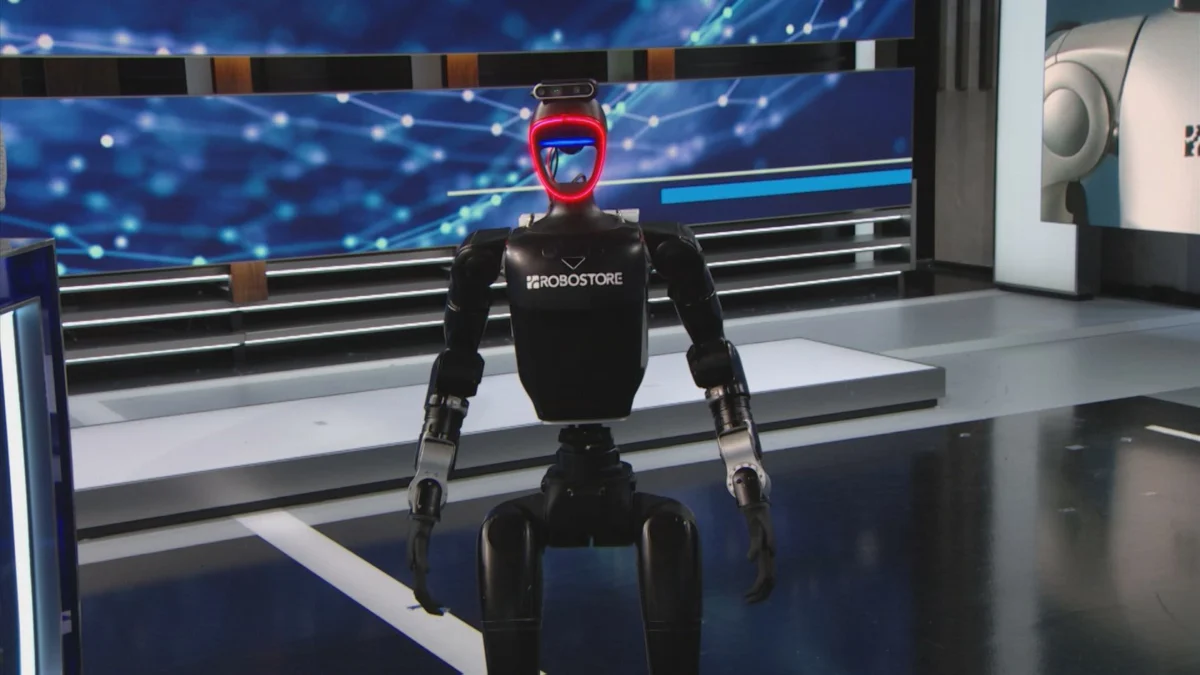
BEIJING – The U.S. Federal Communications Commission (FCC) has significantly escalated the ongoing technological and trade conflict with China by adding foreign-made advanced robotic devices, including highly sophisticated humanoids, to a restricted import list, citing critical cybersecurity concerns. This unilateral move, announced on Tuesday, December 30, 2025, has drawn immediate and forceful condemnation from China’s Commerce Ministry, which on Thursday threatened unspecified countermeasures if the decision is not reversed, accusing Washington of repeatedly ignoring Beijing’s restrained stance and severely damaging bilateral economic stability.
The FCC’s latest directive marks a significant broadening of U.S. restrictions on foreign technology, extending beyond telecommunications equipment and semiconductors to encompass the rapidly evolving field of robotics. While the official statement did not explicitly name China, the implications for Chinese manufacturers, who dominate significant segments of the global humanoid robotics market, are unmistakable. The FCC’s "covered list" mechanism effectively limits the ability of U.S. entities to procure and deploy these advanced robotic systems, with the exception of models previously approved by the commission. This action is poised to send ripple effects through the global robotics industry, disrupt investment flows, and further complicate an already strained U.S.-China relationship.
Deepening the Tech Divide: A Chronology of Escalation
The FCC’s decision is not an isolated event but rather the latest chapter in a protracted and intensifying technological rivalry between the United States and China. For years, Washington has expressed concerns over national security risks posed by Chinese technology, leading to a series of restrictive measures.
- 2018-2019: The U.S. initiated broad tariffs on Chinese goods, citing unfair trade practices and intellectual property theft. Concurrently, the Trump administration began restricting Chinese telecommunications giant Huawei, placing it on the Entity List, effectively cutting off its access to crucial U.S. technology and components. This move was justified on national security grounds, alleging potential espionage through Huawei’s network equipment.
- 2020-2022: Restrictions expanded to include other Chinese tech firms like ZTE and SMIC, targeting semiconductors and advanced computing. The U.S. also began scrutinizing Chinese apps like TikTok and WeChat, raising concerns about user data privacy and potential data access by the Chinese government.
- 2023-2024: The focus sharpened on cutting-edge technologies crucial for artificial intelligence (AI) and advanced computing. The Biden administration imposed stringent export controls on advanced AI chips and chip manufacturing equipment to China, aiming to hobble Beijing’s progress in these strategic sectors. These actions were framed as vital to preventing China from developing military applications that could threaten U.S. security interests.
- July 2026 (Projected context): U.S. Treasury Secretary Scott Bessent publicly indicated that the U.S. could sanction China over "AI model theft," underscoring the heightened vigilance regarding intellectual property and strategic technological advantage. This statement, while slightly predating the humanoid robot ban in the article’s given timeline, highlights the continuous and broad concern within the U.S. administration.
- December 30, 2025: The FCC adds foreign-made advanced robotic devices, including humanoids, to its restricted list, marking a significant expansion of the "tech war" into physical AI-driven hardware. This move signals a U.S. intent to control critical emerging technologies at multiple layers, from foundational chips to finished intelligent systems.
This consistent pattern illustrates a deliberate U.S. strategy to curb China’s technological ascent, particularly in areas deemed critical for future economic competitiveness and national security. The underlying concern revolves around the potential for state-sponsored espionage, data exfiltration, and the weaponization of advanced technologies developed by companies with perceived close ties to the Chinese government.
The FCC’s Rationale: Cybersecurity in the Age of Robotics
The FCC’s justification for adding advanced robotic devices to its "covered list" centers on cybersecurity risks. Unlike previous bans focused on network infrastructure or data-intensive applications, this action targets physical, intelligent systems that interact directly with the real world. The commission’s concerns are multi-faceted:
- Data Vulnerabilities: Modern humanoid robots are equipped with an array of sensors—cameras, microphones, tactile sensors—that collect vast amounts of environmental and personal data. If these robots are deployed in sensitive environments (e.g., critical infrastructure, manufacturing facilities, homes, healthcare settings), a compromised device could become a conduit for espionage, collecting proprietary information, personal data, or even sensitive visual and audio feeds.
- Remote Manipulation and Control: Advanced robots can be remotely controlled or programmed. A cybersecurity vulnerability could allow malicious actors to take control of these robots, potentially disrupting operations, causing physical damage, or even performing illicit activities. For instance, in a factory setting, a hijacked robot could sabotage production lines; in a logistics hub, it could misdirect goods.
- Supply Chain Integrity: The FCC’s move reflects broader concerns about the integrity of the technology supply chain. If components or software within these robots contain hidden backdoors or vulnerabilities introduced during manufacturing, they could pose a systemic risk. The "foreign-made" aspect suggests a lack of trust in the security protocols and oversight within certain manufacturing ecosystems.
- Strategic Autonomy: Beyond immediate security threats, the U.S. aims to reduce its reliance on foreign technology in critical sectors. By restricting imports of advanced robots, Washington is implicitly pushing for domestic development and production, thereby bolstering its own technological sovereignty and reducing potential leverage held by rival nations.
While the FCC statement was broad, the U.S. government’s historical focus on Chinese technology makes it clear that Chinese-produced robots are the primary target of these new restrictions. This proactive measure aims to preemptively address potential threats before these technologies become deeply embedded in American society and infrastructure.
China’s Swift and Vehement Rejection
China’s Commerce Ministry wasted no time in issuing a scathing rebuke of the FCC’s decision. In an online statement on Thursday, the ministry condemned the U.S. action as a "severely damaging blow to China-U.S. economic and trade stability" and accused the FCC of repeatedly ignoring Beijing’s "restrained stance on product bans." The ministry urged the U.S. to "immediately withdraw the erroneous decision" and unequivocally threatened "resolute countermeasures" if Washington fails to comply.
This strong language underscores China’s deep frustration with what it perceives as an escalating campaign of technological containment by the United States. Beijing views these bans not merely as cybersecurity measures but as attempts to stifle its indigenous technological innovation and economic growth, particularly in sectors where it has made significant strides. The reference to "restrained stance" suggests China believes it has shown forbearance in the face of previous U.S. actions and is now signaling that its patience is wearing thin.
Potential Retaliatory Measures: Rare Earths and Market Access
The threat of "countermeasures" from Beijing is not to be taken lightly, given China’s considerable economic leverage and its history of using it in geopolitical disputes. Marc Einstein, a research director at Counterpoint Research, highlighted two "major cards China can play" in response to the FCC’s action:
- Restricting Rare Earth Sales: China controls a dominant share of the global supply of rare earth elements, a group of 17 chemically similar metallic elements critical for manufacturing a wide array of high-tech products, including electric vehicles, wind turbines, fighter jets, and advanced electronics. While not truly "rare" in geological terms, China processes approximately 85-90% of the world’s rare earth output. Restricting rare earth exports to American companies would severely disrupt U.S. manufacturing supply chains, increase production costs, and potentially cripple key industries reliant on these materials. Such a move would be a powerful economic weapon, forcing the U.S. to scramble for alternative, often more expensive and less environmentally friendly, sources.
- Restricting Chinese Market Access for American Companies: China represents a massive and crucial market for many leading American corporations. Tech giants like Tesla and NVIDIA, specifically mentioned by Einstein, derive significant revenue and growth from their operations in China.
- Tesla: China is Tesla’s second-largest market after the U.S. and a critical production hub, with its Shanghai Gigafactory being one of its most efficient plants. Restricting Tesla’s access to the Chinese market, through regulatory hurdles, preferential treatment for domestic competitors, or even outright bans, would severely impact its sales, profitability, and global expansion plans.
- NVIDIA: As a leader in AI chips, NVIDIA’s processors are essential for China’s burgeoning AI industry. While the U.S. has already imposed export controls on high-end AI chips to China, Beijing could implement its own restrictions on the use of NVIDIA products within China, or favor domestic alternatives, thereby impacting NVIDIA’s revenue stream and its ability to capture a share of China’s vast AI market.
Beyond these two, China could also implement targeted investigations, increase regulatory scrutiny on U.S. firms operating in China, or impose its own import restrictions on specific U.S. goods and services. The intent would be to inflict economic pain on the U.S. in areas where China holds leverage, demonstrating its resolve and pushing for a reversal of U.S. policies.
The Burgeoning Humanoid Robotics Market and Chinese Dominance
The market for humanoid robots is still nascent but poised for exponential growth, driven by advancements in AI, sensor technology, and mechanical engineering. These robots promise to revolutionize industries from manufacturing and logistics to healthcare, education, and even personal assistance. Projections estimate the global humanoid robotics market to reach tens of billions of dollars within the next decade, with applications ranging from repetitive tasks in factories to complex interactions in service sectors.
Chinese companies have emerged as significant players in this rapidly evolving landscape. According to Counterpoint Research, Chinese firms Agibot, Unitree, and UBTech collectively accounted for the top three positions in humanoid robot installation market share last year. This dominance underscores China’s strategic investment in advanced robotics and its ambition to lead in next-generation technologies.
- UBTech Robotics: A Shenzhen-based company, UBTech is a pioneer in humanoid robotics, known for its Walker series and applications in education, logistics, and service industries. It successfully went public on the Hong Kong stock exchange, a testament to investor confidence in its technological prowess and market potential.
- Unitree Robotics: Based in Hangzhou, Unitree has gained international recognition for its quadrupedal robots (robot dogs) but has also made significant strides in humanoid development, often showcasing agile and dynamic robots.
- Agibot: An emerging player, Agibot focuses on intelligent humanoid robots for various industrial and service applications, contributing to China’s diverse robotics ecosystem.
Tesla’s Optimus, a highly anticipated humanoid robot from the American EV giant, ranked fifth in market share, indicating the competitive landscape and the strong presence of Chinese innovators.
Immediate Market Reaction and Industry Adaptations
The FCC’s announcement had an immediate impact on the market. Hong Kong-listed UBTech shares briefly fell more than 6% in Thursday morning trading, reflecting investor anxiety about reduced market access and potential revenue loss. This sharp decline signals the significant headwinds Chinese robotics companies now face, particularly those with global aspirations.
For companies like Unitree and Agibot, which have reportedly filed to go public, the timing of the FCC’s action is particularly detrimental. An IPO relies heavily on investor confidence, market visibility, and a clear growth trajectory. Restricting access to a major market like the U.S. can significantly depress valuations, delay offerings, or even force companies to reconsider their public listing plans. Investors become wary of geopolitical risks and uncertain market access, making it harder for these firms to raise capital for research, development, and expansion.
Meanwhile, companies involved in the distribution of Chinese humanoid robots in North America are already strategizing for adaptation. Teddy Haggerty, CEO of Robostore, a distributor of Chinese humanoid robots in North America, stated that his company "has been preparing by expanding its U.S.-based capabilities." While he did not elaborate on specific details, this statement suggests a proactive approach to mitigate the impact of import restrictions. Such preparations could include exploring partnerships with U.S. manufacturers, shifting to assembling robots within the U.S. using foreign components, or focusing on other markets less affected by these geopolitical tensions. The long-term implication might be a push towards more localized production and supply chains, potentially leading to higher costs and slower innovation cycles globally.
Broader Geopolitical Context: Trump, Xi, and the Future of AI Governance
The FCC’s decision comes at a politically sensitive juncture. U.S. President Donald Trump is scheduled to host Chinese President Xi Jinping in September for a high-stakes summit. The new robotics ban introduces another significant point of contention into the already complex agenda for these talks, which are likely to cover trade imbalances, Taiwan, human rights, and the ongoing tech rivalry. The timing suggests that the U.S. is willing to exert pressure on China even in the run-up to such a critical diplomatic engagement.
Interestingly, President Trump himself offered a somewhat nuanced perspective on AI controls on the same Thursday, indicating in public comments that the U.S. "might take a more cautious stance on AI controls" in order to "maintain American tech leadership over China." This statement, while not directly contradicting the FCC’s action, hints at an internal debate within the U.S. administration regarding the optimal strategy for managing the AI race. Some factions might favor outright bans and aggressive containment, while others might advocate for a more balanced approach that allows for collaboration or avoids stifling innovation, even if it means some level of technological exchange. This layered approach reflects the inherent tension between national security imperatives and the desire to maintain global leadership in rapidly advancing fields.
The escalating tit-for-tat actions between the U.S. and China are accelerating the trend towards a "tech decoupling," where separate technological ecosystems emerge, driven by geopolitical rivalry rather than purely market forces. This decoupling has profound implications for global supply chains, international research collaboration, and the very architecture of the internet and future technologies. It forces companies worldwide to choose sides or diversify extensively, leading to increased costs, potential fragmentation of standards, and slower global innovation.
The robotics ban is a stark reminder that the competition for technological supremacy, particularly in AI and automation, is a central battleground in the broader U.S.-China strategic rivalry. As human-like machines become more capable and integrated into society, the debate over their origin, security, and control will only intensify, shaping not only economic landscapes but also the future geopolitical order. The coming months will reveal whether diplomacy can bridge this growing chasm or if the world is destined for an increasingly bifurcated technological future.

