
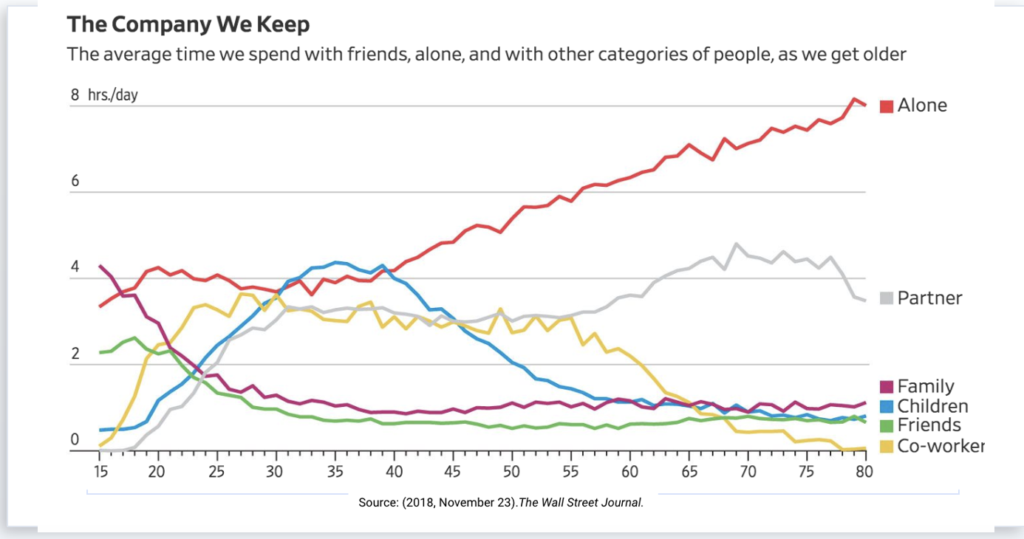
The transition into retirement, while often anticipated with a sense of liberation and expanded freedom, can introduce an unforeseen element: an abundance of solitude. This newfound quietude, for many, amplifies the internal dialogue, bringing to the forefront the often-unexamined conversations individuals have with themselves. These internal discussions, ranging from forward-thinking planning and imaginative exploration to reflective retrospection, can also devolve into cycles of worry, self-recrimination, and blame. Experts in psychology and self-awareness highlight that the quality of these internal conversations is paramount in navigating this life stage, determining whether retirement becomes an opportunity for intentional growth or a source of existential stagnation.
The profound impact of this inner discourse has been a focal point for researchers and authors exploring the human psyche. Dr. Marilee Adams, founder and CEO of The Inquiry Institute and author of the extensively revised fifth edition of "Change Your Questions, Change Your Life," posits that our fundamental questions shape our cognitive frameworks. Adams identifies two primary mindsets that govern our internal questioning: the "Judger" and the "Learner." Judger questions, characterized by a backward-looking or inwardly critical stance, often manifest as inquiries like "What’s wrong with me?" or "Why did this happen?" These questions tend to foster a sense of limitation and self-doubt. In contrast, Learner questions, such as "What do I want now?" or "How else can I approach this?" are forward-looking, promoting curiosity, agency, and a belief in possibility. This dichotomy becomes particularly salient during major life transitions like retirement, where the absence of established professional structures can allow Judger questions to gain traction.
Complementing this perspective is the work of Dr. Ethan Kross, director of the Emotion & Self Control Laboratory at the University of Michigan and author of "Chatter: The Voice in Our Head, Why It Matters, and How to Harness It." Kross’s research delves into the science of self-talk, distinguishing between ordinary negative thoughts and what he terms "chatter"—a relentless loop of rumination, worry, and catastrophizing. While acknowledging that negative emotions can serve an instructive purpose in measured doses, Kross emphasizes that the danger lies in becoming trapped within these negative feedback loops. Both Adams and Kross converge on a critical point: the objective is not to silence the inner voice but to cultivate a more skillful and intentional relationship with it. They underscore the universal presence of an inner critic and the necessity of acknowledging its existence to foster conscious choice.
The Science of Self-Talk and Mindset Management
The concept of internal dialogue is not new, but contemporary research has provided a scientific framework for understanding its mechanisms and impact. Studies in cognitive psychology, particularly those focusing on metacognition—thinking about one’s own thinking—have illuminated how self-referential thought processes can either enhance or detract from well-being and cognitive function. For individuals transitioning into retirement, the sudden shift in daily structure and social interaction can create fertile ground for introspection, making the nature of this internal dialogue a critical determinant of their post-work experience.
Dr. Adams’ "Choice Map" model provides a practical methodology for individuals to identify and shift their internal questioning patterns. The model visualizes the internal landscape as a series of "lanes" where Judger questions can lead to a "Judger Pit" of negative thinking. The intervention involves a conscious "pause" to interrupt the automatic Judger response and a deliberate "switching" into the Learner mindset by posing empowering questions. This approach, rooted in the principle that our questions direct our attention and, consequently, our actions and beliefs, offers a tangible pathway to self-directed change. The efficacy of this method is supported by anecdotal evidence from individuals who have utilized its principles to reframe challenges and discover new avenues for personal fulfillment.
Similarly, Dr. Kross’s work offers a robust set of tools for managing internal chatter. His research, often drawing from neuroscience and experimental psychology, demonstrates that techniques like "distance self-talk"—addressing oneself by name or as if coaching a friend—can create psychological distance from distressing thoughts, allowing for a more objective assessment. Furthermore, "mental time travel," which involves projecting oneself into the future to gain perspective on current problems, has been shown to reduce the perceived intensity of immediate stressors. Kross’s emphasis on building a personal "toolkit" for self-regulation underscores the idea that managing one’s inner voice is an active and ongoing process, requiring adaptive strategies tailored to specific situations. The development of these tools is informed by years of empirical research into emotion regulation and cognitive control.
The Retirement Transition: A Crucible for Inner Dialogue
Retirement represents a significant life transition, often marked by a loss of established identity markers and social networks previously defined by professional life. This can lead to a period of re-evaluation and adjustment, during which the internal dialogue becomes a primary source of comfort, challenge, or confusion. Without the external structures and feedback loops of the workplace, individuals may find themselves more susceptible to the pervasive influence of their inner critic. Data from longitudinal studies on retirement adjustment consistently point to psychological well-being as a key predictor of successful transition. For instance, research published in journals such as the Journal of Gerontology: Psychological Sciences has indicated that individuals who maintain a proactive and optimistic outlook, often facilitated by positive self-talk, report higher life satisfaction in retirement.
The implications of unchecked Judger questions or persistent chatter during this phase can be far-reaching. These internal patterns can contribute to feelings of isolation, anxiety, and even depression, hindering the ability to engage in new activities or form new connections. Conversely, the deliberate application of Learner questions and effective chatter management techniques can empower individuals to approach retirement with a sense of purpose and possibility. This involves actively seeking new forms of engagement, whether through volunteer work, lifelong learning, or nurturing relationships, all of which are often fostered by an internal narrative that emphasizes opportunity rather than limitation.
Practical Strategies for Navigating the Inner Landscape
The insights from Adams and Kross offer a practical roadmap for individuals seeking to cultivate a more constructive inner dialogue, particularly during the retirement years. The initial step, as both experts emphasize, is to enhance awareness of one’s internal conversations. This can be achieved through mindfulness practices and intentional self-observation.
Cultivating Self-Awareness and Intentionality:
- The "Stop. Breathe. Be." Practice: Inspired by Dr. Adams’ work and the insights of Dr. Aditi Nerurkar, a simple yet powerful technique involves physically pausing, taking a conscious breath, and simply observing one’s present state without judgment. This brief interlude can interrupt the momentum of automatic thought patterns.
- Question Auditing: Regularly pausing to identify the questions one is asking oneself is crucial. This involves distinguishing between Judger questions (e.g., "Why am I feeling this way?") and Learner questions (e.g., "What can I learn from this feeling?").
- The Switching Lane: When caught in a cycle of negative thinking (the "Judger Pit"), intentionally pivot to a Learner question. Dr. Adams suggests powerful switching questions such as, "Who do I choose to be in this moment?" or "What is a more resourceful way to look at this?"
Harnessing Tools for Chatter Management:
- Distance Self-Talk: Dr. Kross advocates for employing one’s own name when addressing oneself during challenging situations. For example, instead of "I’m so stressed," one might say, "John, what advice would you give a good friend in this situation?" This linguistic shift can foster objectivity.
- Mental Time Travel: To contextualize current worries, individuals can ask themselves how significant a particular issue will feel in six months or a year. This perspective-shifting exercise can diminish the perceived magnitude of immediate problems.
- Rituals for Disconnection: Incorporating simple rituals, such as a walk in nature, can serve as effective tools for disrupting negative thought loops and promoting a sense of calm and perspective.
Navigating Social Interactions:
- Mindful Venting: While expressing feelings is important, continuous venting can inadvertently perpetuate negative thought cycles. Seeking out individuals who offer empathy but can also help broaden perspective is key. This involves discerning between sympathetic listening and constructive dialogue that facilitates problem-solving and reframing.
Broader Implications and Future Directions
The insights provided by Dr. Adams and Dr. Kross have significant implications beyond individual well-being, extending to societal approaches to aging and life transitions. As populations age globally, understanding and supporting the psychological adaptation of retirees becomes increasingly critical. Public health initiatives and community programs could integrate principles of self-awareness and cognitive reframing to better equip individuals for this significant life stage.
The research suggests that by actively managing their inner dialogue, individuals can transform retirement from a period of potential decline into one of sustained growth, purpose, and well-being. This shift in perspective not only benefits the individual but also contributes to a more engaged and vibrant senior population. The ongoing study of self-talk and its impact on mental health promises to yield further strategies for fostering resilience and enhancing quality of life across the lifespan. As the understanding of the intricate relationship between our inner voice and our lived experience deepens, the capacity to harness our thoughts for positive outcomes becomes an increasingly accessible and powerful tool for all.
Further Resources and Engagement:
- Podcast Conversations:
- Dr. Marilee Adams discusses "Change Your Questions, Change Your Life" in retirement: [Link to Podcast Episode]
- Dr. Ethan Kross explores "Chatter & Your Inner Voice": [Link to Podcast Episode]
- Dr. Ethan Kross on "Shift: Managing Your Emotions": [Link to Podcast Episode]
- Books:
- Change Your Questions, Change Your Life (5th Edition) by Marilee Adams, PhD
- Chatter: The Voice in Our Head, Why It Matters, and How to Harness It by Ethan Kross, PhD
- Shift: Managing Your Emotions—So They Don’t Manage You by Ethan Kross, PhD
- Tools and Surveys:
- The Choice Map by The Inquiry Institute: [Link to Survey and Download]

