
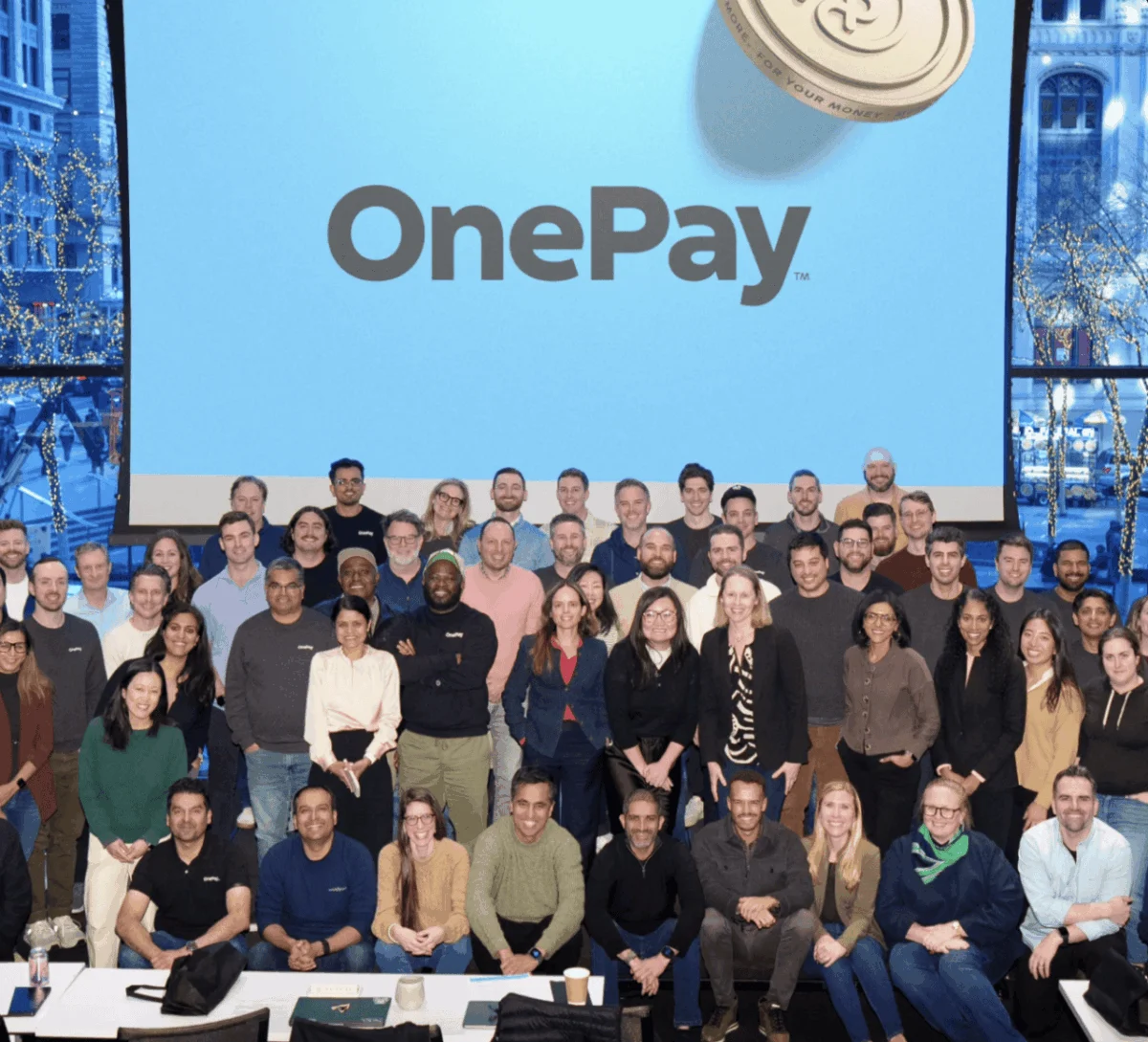
In a significant move to deepen its financial services footprint, OnePay, the digital banking platform backed by retail giant Walmart, has officially announced a strategic partnership with San Francisco-based alternative lender Upgrade. This collaboration introduces a new personal loan product directly integrated into the OnePay mobile application, marking a pivotal transition for the New York-based fintech from a primary focus on deposits and basic transactions to a more robust, full-service financial hub. The integration allows eligible OnePay customers to access unsecured personal loans ranging from $1,000 to $50,000, with annual percentage rates (APRs) varying between 7.74% and 35.99%. This development reflects a broader trend in the financial technology sector toward "rebundling," where specialized platforms join forces to offer a comprehensive suite of services that rival traditional banking institutions.
The Mechanics of the OnePay and Upgrade Integration
The partnership leverages the technical infrastructure of Upgrade, a company renowned for its credit-led approach to digital banking, to power the lending backend of the OnePay app. By embedding these services, OnePay eliminates the need for customers to seek external financing through third-party lenders or traditional banks, which often involve more cumbersome application processes.
One of the primary advantages of this integration is the use of existing customer data to streamline the underwriting process. Because OnePay already manages the primary banking relationships for many of its users, it can utilize internal data points—such as average daily balances, spending patterns, and overdraft history—to assess creditworthiness. This "alternative data" approach allows for more nuanced risk assessment compared to traditional credit scores alone. For many active customers, this results in a frictionless application process where repetitive data entry is minimized, and financing offers can be extended as quickly as the same day.
The loan terms are designed to provide flexibility. Borrowers can choose repayment periods that suit their financial situations, all managed through the existing OnePay interface. This level of convenience is intended to capture a segment of the market that values speed and accessibility, particularly those who may be underserved by traditional credit markets.
Strategic Evolution of Walmart’s Fintech Ambitions
The launch of personal loans is a cornerstone in the evolution of OnePay, a venture that began with high expectations due to its association with Walmart. OnePay (often referred to simply as ONE) was formed through the 2022 merger of two fintech startups, Even and Hazel, following Walmart’s strategic decision to enter the financial services space more aggressively. The company is led by Omer Ismail, the former head of Goldman Sachs’ consumer bank, Marcus, underscoring the platform’s serious intent to disrupt the retail banking landscape.
Walmart’s involvement provides OnePay with an unparalleled distribution network. With more than 4,700 stores across the United States and a customer base that includes a significant portion of the American population, the potential for scale is immense. Historically, Walmart’s customer demographic has included a high percentage of "underbanked" or "unbanked" individuals. By offering transparent, simple-to-access credit through OnePay, the company is positioning itself as a vital utility in the daily financial lives of its shoppers.
"Getting access to credit in America today is harder than it should be," stated OnePay CEO Omer Ismail during the product launch. "It’s never been more important to give consumers access to financing that’s simple, transparent, and meets them where they already are."
Upgrade’s Role and Market Position
Upgrade, founded in 2017 by Renaud Laplanche—the former founder of LendingClub—brings a wealth of experience in the unsecured lending space. Since its inception, Upgrade has facilitated over $42 billion in credit and has grown its customer base to more than 7.5 million users. The company has distinguished itself by focusing on products that encourage responsible credit usage, such as the Upgrade Card, which combines the flexibility of a credit card with the low costs and predictable payments of an installment loan.
For Upgrade, the partnership with OnePay serves as a massive customer acquisition engine. By plugging its lending "engine" into the OnePay ecosystem, Upgrade gains access to Walmart’s vast audience without the high marketing costs typically associated with direct-to-consumer lending.
Renaud Laplanche, CEO and Co-founder of Upgrade, highlighted the synergy between the two firms, noting that personal loans offer consumers the "breathing room" necessary to manage their finances effectively. The partnership allows Upgrade to fulfill its mission of making credit more accessible while providing OnePay with a proven, scalable lending infrastructure that would have taken years to build from scratch.
Chronology of OnePay’s Development
To understand the significance of this launch, it is essential to look at the timeline of OnePay’s growth:
- January 2021: Walmart announces the creation of a new fintech startup in partnership with investment firm Ribbit Capital.
- Early 2022: The startup acquires Even (a financial wellness app) and Hazel (a pre-launch fintech), merging them to create "ONE."
- Mid-2022 to 2023: ONE begins rolling out core banking features, including high-yield savings accounts and early direct deposit, to Walmart employees and then to the general public.
- July 2024: OnePay officially integrates personal loans powered by Upgrade, marking its transition into a multi-product credit provider.
This progression shows a methodical approach to building a "super app." By starting with deposits and moving into credit, OnePay is following the playbook of successful global neobanks like Revolut and Brazil’s Nubank, which have used similar strategies to achieve massive valuations and customer loyalty.
Supporting Data: The Growing Demand for Personal Loans
The partnership comes at a time when the demand for personal loans in the United States is reaching record levels. According to data from credit reporting agencies, total personal loan balances in the U.S. surpassed $240 billion in 2023, driven by consumers looking to consolidate high-interest credit card debt or fund large purchases amidst persistent inflation.
The APR range offered by OnePay (7.74% to 35.99%) is competitive within the fintech space. For comparison, the average credit card interest rate in the U.S. currently hovers around 21%, with many retail-specific cards exceeding 30%. By offering installment-based loans, OnePay provides an alternative to revolving debt, which can often lead to a "debt trap" for low-to-middle-income earners. The structured nature of personal loans, which have fixed monthly payments and a clear end date, is often viewed by financial advisors as a more responsible way to manage significant expenses.
Broader Impact and Industry Implications
The collaboration between OnePay and Upgrade is a landmark example of "Embedded Finance," a sector projected to reach a market value of over $138 billion by 2026. This trend involves non-financial companies (like a retailer-backed bank) integrating financial services directly into their user experience through APIs provided by fintech partners.
For the banking industry, this move signals increased pressure on traditional community and regional banks. As digital-first platforms like OnePay offer more sophisticated products with better user interfaces and faster approval times, traditional banks risk losing younger, tech-savvy customers. Furthermore, the ability of OnePay to leverage Walmart’s physical presence for cash deposits and customer service creates a "hybrid" model that combines the best of digital banking with the trust and accessibility of physical retail locations.
Analysis: Risk and Opportunity
While the partnership offers significant growth potential, it is not without risks. The personal lending market is highly sensitive to economic shifts. If the U.S. economy faces a downturn or a spike in unemployment, default rates on unsecured loans could rise, potentially impacting the profitability of the venture. However, by using real-time spending and balance data from the OnePay app, the partners believe they can mitigate these risks more effectively than lenders who rely solely on static credit reports.
Moreover, regulatory scrutiny of fintech-bank partnerships is increasing. The Consumer Financial Protection Bureau (CFPB) has expressed interest in how digital platforms handle consumer data and ensure fair lending practices. OnePay and Upgrade will need to maintain rigorous compliance standards to navigate this evolving regulatory landscape.
Conclusion
The introduction of Personal Loans through the OnePay app represents a major milestone in Walmart’s quest to become a dominant force in the financial lives of Americans. By partnering with Upgrade, OnePay has successfully bypassed the "build vs. buy" dilemma, choosing instead to "partner" to achieve speed-to-market.
As OnePay continues to add features—potentially moving into insurance, investments, or mortgage referrals in the future—it is clear that the company is no longer just a digital wallet for Walmart shoppers. It is a maturing financial institution designed to meet the needs of a modern, mobile-first population. The success of this partnership will likely serve as a blueprint for other retail-fintech collaborations, further blurring the lines between where we shop and where we bank.

