
The global stock market has once again captured widespread attention, exhibiting a remarkable surge that has propelled valuations to unprecedented levels. This latest economic expansion, particularly pronounced in the technology sector, is largely attributed to the burgeoning Artificial Intelligence (AI) boom. While the enthusiasm for AI’s transformative potential is palpable, this rapid ascent has simultaneously fueled concerns among investors and analysts regarding the formation of an economic "bubble," reminiscent of past speculative frenzies. The central question remains: is the current AI-driven market rally sustainable, or does it presage an inevitable, potentially severe, market correction?

The AI Phenomenon: A Catalyst for Market Exuberance
The current AI boom is characterized by significant advancements in machine learning, particularly in generative AI and large language models (LLMs). These technologies are rapidly moving from theoretical concepts to practical applications, promising to revolutionize industries from healthcare and finance to manufacturing and creative arts. Publicly traded companies at the forefront of AI development, such as semiconductor manufacturers, cloud computing providers, and software developers integrating AI capabilities, have seen their market capitalizations soar. This robust performance has significantly contributed to overall market indices reaching new highs.
However, the speed and scale of this growth have triggered a familiar sense of apprehension. Financial commentators and seasoned investors are drawing parallels to the dot-com bubble of the late 1990s and early 2000s, where speculative investment in internet-related companies led to inflated valuations followed by a dramatic crash. The concern is that while AI undoubtedly represents a groundbreaking technological leap, the current market frenzy might be overstating its immediate commercial viability and profitability, leading to unsustainable asset prices.

Echoes of the Past: Historical Market Cycles and Recurring Fears
Market history is replete with cycles of innovation, exuberance, and subsequent corrections. The dot-com crash, which occurred between 2000 and 2002, saw the Nasdaq Composite Index lose nearly 78% of its value as many internet companies with unproven business models failed. This period, while devastating for many investors, also laid the groundwork for the robust digital economy that followed, demonstrating the long-term resilience and adaptive capacity of the capitalist system.
Following this, the mid-2000s witnessed the emergence of the housing bubble, culminating in the Great Financial Crisis (GFC) of 2008. This crisis, sparked by reckless lending practices and complex financial instruments tied to subprime mortgages, represented the most severe economic downturn since the Great Depression. Yet, even this profound shock was eventually overcome, with global markets and economies staging a protracted recovery. More recently, the brief but sharp "COVID crash" of early 2020 demonstrated how quickly markets can react to unforeseen global events, and equally how swiftly they can rebound.

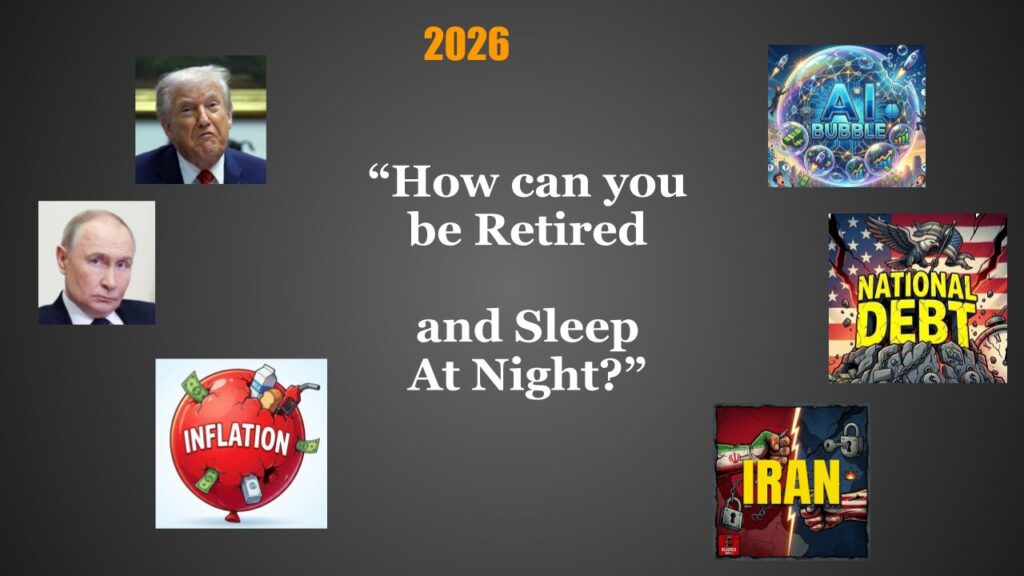
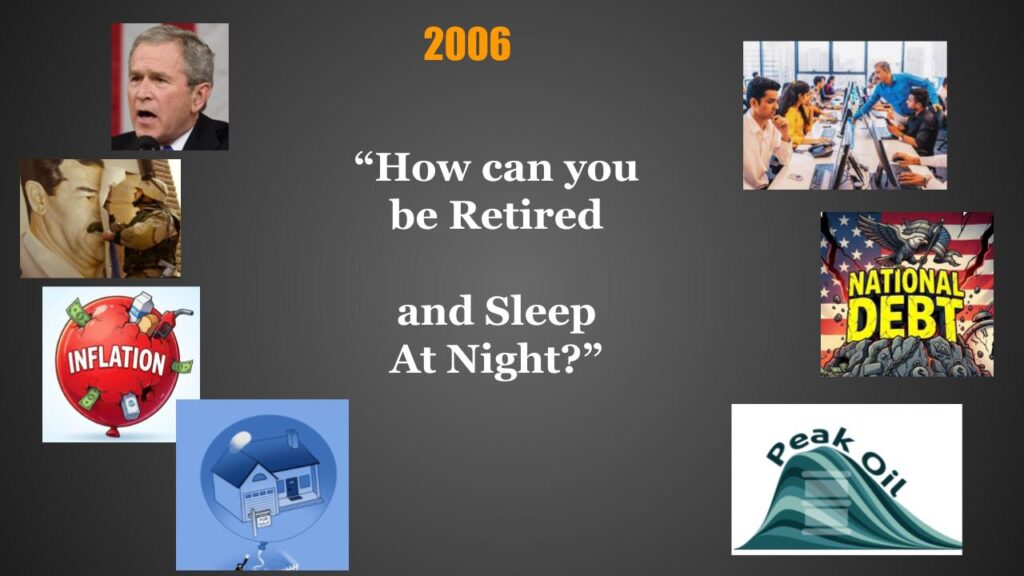
Across these periods, a consistent pattern of societal and economic anxieties emerges. In the early 2000s, concerns centered on job displacement due to outsourcing to emerging economies like India and China. Today, the specter of AI automating roles, from entry-level office positions to transportation, fuels similar fears. Other perennial worries, such as national debt levels, inflation, and geopolitical conflicts (e.g., the Iraq War in the 2000s, the Ukraine and Iran conflicts today), consistently dominate public discourse, often amplified by media narratives. This historical context suggests that market volatility and pervasive anxiety are inherent features of dynamic economic landscapes rather than unique threats of the present moment.
A Retrospective on Global Progress: 2006-2026
Despite the recurring cycles of fear and market corrections, a broader, two-decade perspective reveals an undeniable trajectory of human progress and economic advancement. Examining the period from 2006 to 2026 offers compelling evidence of global resilience and improvement across multiple dimensions.
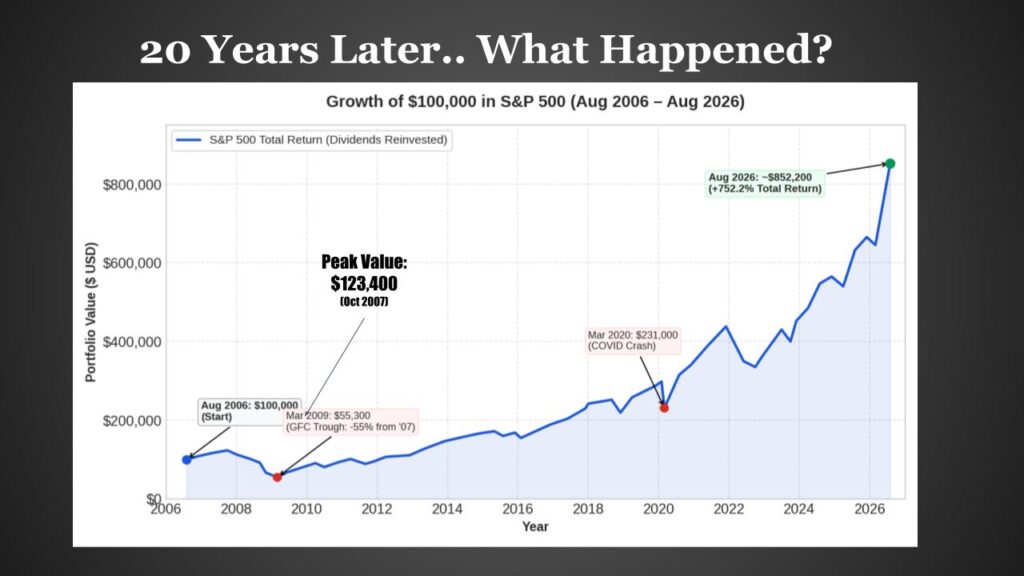
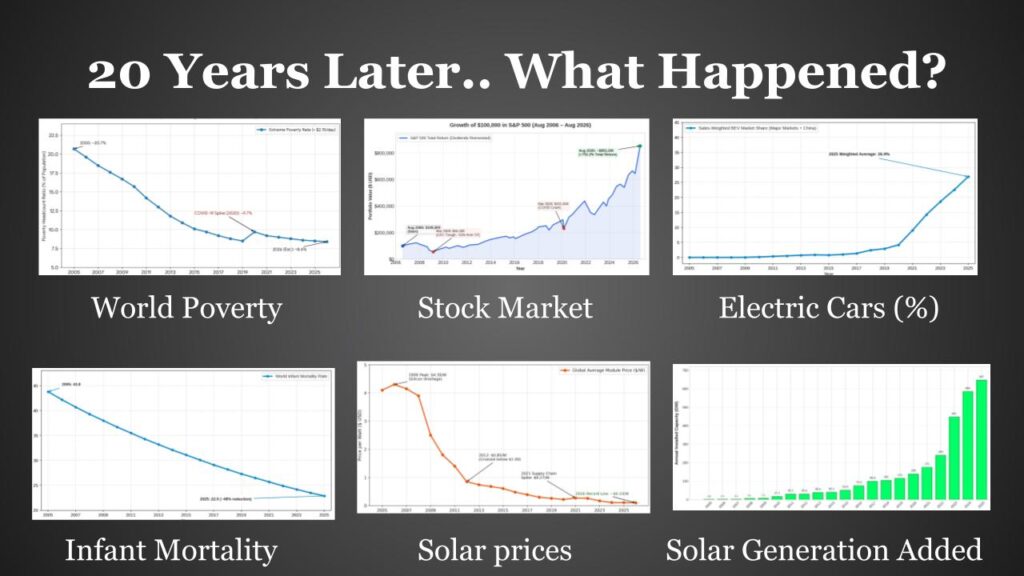
Economic Resilience: Even with significant disruptions like the Great Financial Crisis and the COVID-19 pandemic, diversified long-term investments have demonstrated substantial growth. For instance, a hypothetical $100,000 investment in a broad market index like the S&P 500 in 2006 would have appreciated significantly by 2026, even after factoring in downturns. The chart of stock market performance over this period typically shows these crashes as relatively minor dips within a larger upward trend, underscoring the long-term benefits of consistent investment.
Societal Advancements: Beyond financial markets, global quality of life metrics have seen dramatic improvements:
- Poverty Reduction: The proportion of people living in extreme poverty worldwide has significantly decreased. According to World Bank data, the global extreme poverty rate, which stood at approximately 20% in 2005, is estimated to have fallen to around 8% by 2025/2026. This represents billions of people lifted out of the most dire conditions.
- Health Improvements: Infant mortality rates, a critical indicator of public health and development, have been halved globally over the past two decades. This progress is attributed to advancements in medicine, sanitation, and access to healthcare.
- Clean Energy Revolution: The cost of solar panels has plummeted by approximately 40 times since 2006, making solar power increasingly competitive. In 2025, for example, new solar generation capacity additions were equivalent to hundreds of conventional power plants, representing the vast majority of all new electricity generation worldwide. This shift has not only addressed environmental concerns but also created new industries and employment opportunities.
- Electric Vehicle Adoption: The market for pure electric vehicles (EVs) has grown from virtually nonexistent in 2006 to representing approximately a quarter of all new car sales globally by 2025. In pioneering markets like Norway, EVs already constitute nearly 100% of new vehicle sales, illustrating a rapid and impactful transition in transportation.
Furthermore, a significant concern in 2006 was "Peak Oil," the theory that global fossil fuel production would soon peak and decline, leading to energy scarcity and economic collapse. Contrary to these predictions, technological advancements in extraction (e.g., fracking) and the rapid adoption of renewable energy sources have diversified the energy landscape, leading to a more complex and resilient global energy system. These two decades of progress, often overshadowed by daily news cycles focusing on immediate crises, provide a powerful counter-narrative to perpetual pessimism.
The Engine of Prosperity: Productivity and Innovation
At its core, genuine prosperity and a rising standard of living are not derived from the fluctuating numbers on stock market screens, but from enhanced productivity. Productivity refers to the efficiency with which goods and services are produced, and it is overwhelmingly driven by human ingenuity and technological innovation.
The financial system, including stock markets, serves as a mechanism for allocating capital and reflecting perceived value. While its volatility can be unnerving, it is ultimately a human construct. History demonstrates that even when financial systems experience severe shocks, societies possess the capacity to reform, adapt, and "make up new numbers" to facilitate economic activity, as evidenced by responses to the 2008 crisis. The fundamental tools and knowledge that boost productivity – from agricultural machinery to advanced computing – remain intact and continue to evolve.
Artificial Intelligence, in this context, can be understood as a powerful new cognitive nail gun. It significantly amplifies human capabilities, automating repetitive tasks, analyzing vast datasets, and generating creative solutions at an unprecedented scale. This translates directly into increased efficiency and productivity across numerous sectors. While AI is expected to displace workers in certain roles, particularly those involving routine cognitive tasks, it simultaneously drives down the cost of goods and services, and crucially, fosters the creation of entirely new industries and job categories. The internet, smartphones, and mobile apps are historical precedents for how disruptive technologies, initially causing apprehension, ultimately unlock immense economic potential and societal benefits.
However, a critical implication of such transformative technologies is the potential for wealth concentration. Early adopters and owners of these technologies, often large corporations and their shareholders, tend to reap a disproportionate share of the initial economic gains. This phenomenon is observable in the performance of major tech companies during the current AI surge, where shareholders, including many diversified investors, benefit from increased corporate efficiency and profitability. Addressing the equitable distribution of these productivity gains remains a significant policy challenge.
Beyond Wealth: The Pursuit of Human Happiness
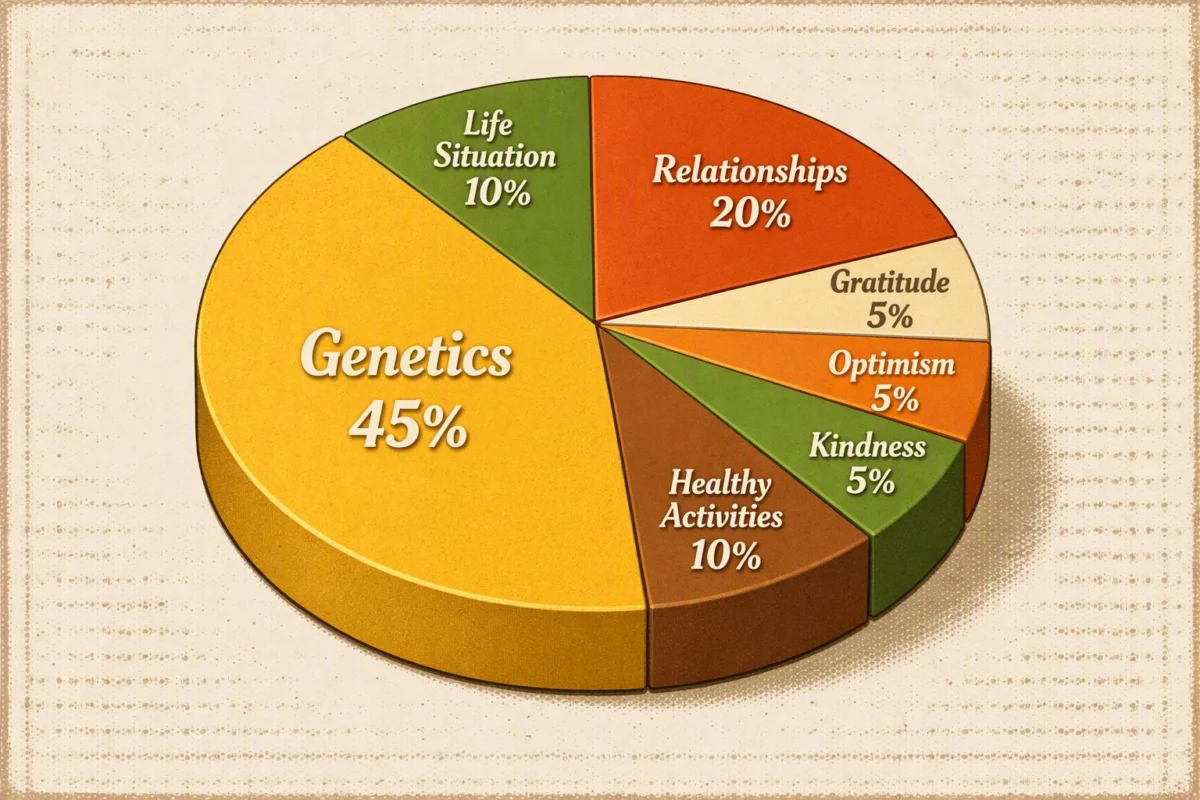
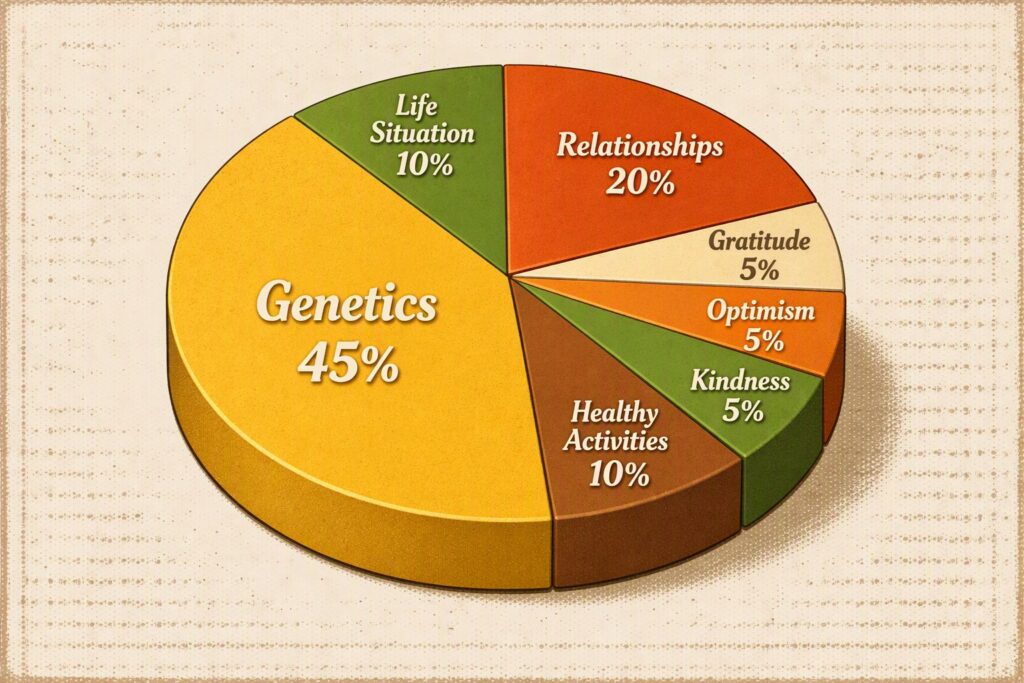
While economic prosperity and technological advancement are vital, they represent only one dimension of overall human well-being. Research consistently indicates that beyond a certain threshold of material comfort and security—a level largely surpassed by first-world countries decades ago—additional wealth yields diminishing returns on happiness. Instead, other factors become paramount in determining an individual’s sense of fulfillment and satisfaction.

These critical components of happiness include:
- Strong Social Connections: Nurturing close relationships with family and friends.
- Prosocial Behavior: Engaging in acts of kindness and contributing positively to one’s community.
- Mindset: Cultivating gratitude and adopting an optimistic philosophical outlook on life.
- Physical and Mental Health: Prioritizing regular physical activity, especially outdoors, and engaging in mentally stimulating pursuits.
Recognizing these factors underscores that an obsession with financial metrics or market fluctuations can detract from the pursuit of a genuinely satisfying life. The goal is not merely to accumulate wealth, but to leverage resources to enable a life rich in meaning, connection, and personal growth.
Confronting the Deep-Seated Nature of Fear
Despite objective evidence of progress and the limited impact of wealth on ultimate happiness, pervasive fear remains a significant obstacle for many. Human beings are inherently "danger detection machines," a trait evolved for survival in harsh environments. However, in modern societies, this innate mechanism often misfires, creating anxieties even in the absence of genuine existential threats. Fear, if unchecked, tends to "move the goalposts," shifting from fundamental concerns (predators, disease, scarcity) to increasingly abstract and often irrational worries.
This phenomenon is evident in the progression of societal anxieties: from worrying about basic sustenance to fitting into a social tribe, then to financial comparisons and the pursuit of ever-greater wealth. Eventually, fears can manifest in seemingly trivial concerns, such as homeowner association rules or, at the extreme end of affluence, anxieties over "Required Minimum Distributions" (RMDs) – where the government mandates withdrawals from excessively large retirement accounts. This illustrates how an evolutionary trait designed for protection can become a source of undue stress in a relatively secure world.

Strategies for Cultivating Resilience and Overcoming Fear
Fortunately, individuals possess the capacity for rational thought and self-awareness, enabling them to combat irrational fear. This battle requires a multi-faceted approach:
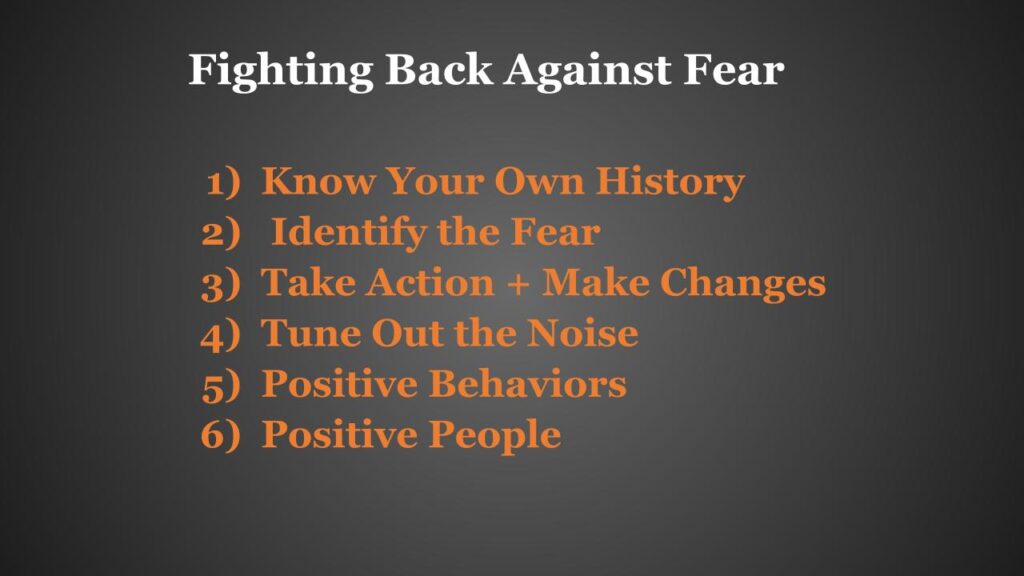
- Understand Personal History: Reflecting on past experiences, such as childhood scarcity or trauma, can reveal the deep-seated origins of current anxieties. Recognizing that these fears are rooted in personal history rather than objective present-day threats is the first step toward disarming them.
- Identify and Deconstruct Fears: Articulating specific fears and systematically exploring their worst-case scenarios often reveals that potential outcomes are less catastrophic than initially imagined. This process, akin to cognitive behavioral therapy techniques, helps to rationalize and diminish the emotional grip of fear. For example, understanding the robust safety nets and adaptability of a financially independent individual can alleviate the fear of "running out of money."
- Action as a Cure: Taking deliberate steps, however small, to address the object of fear builds confidence and familiarity. This active engagement transforms the unfamiliar into the known, fostering a sense of control and competence—a quality often termed "Badassity." This resilience, the ability to adapt to any new situation, is the ultimate antidote to fear.
- Curate Your Mental Diet: A significant contributor to modern anxiety is the relentless consumption of sensationalist news, which often prioritizes alarming stories. Disengaging from this constant stream of negativity and seeking information from well-researched, objective sources can profoundly improve mental well-being.
- Adopt Positive Behaviors: Humans are designed for physical activity, problem-solving, and engagement with the natural world. A sedentary lifestyle, often confined to indoor environments and screen time, can exacerbate mental health issues, including anxiety. Prioritizing outdoor activities, physical movement, and active problem-solving aligns with our innate biological programming and reduces ambient fear.
- Cultivate Positive Relationships: Surrounding oneself with optimistic, constructive individuals can significantly influence one’s own mindset. Positive social circles, like those found in communities focused on financial independence (FI), tend to emphasize mutual support and practical solutions over fear-mongering.
The "Everything is an Experiment" Philosophy Applied to AI
Adopting a mindset that views all new developments, including potentially disruptive technologies like AI, as "experiments" can fundamentally shift one’s perspective from fear to fascination. This approach applies to all aspects of life, from minor personal choices to significant life transitions like career changes or retirement.
Regarding AI, this experimental perspective reframes it as an immense opportunity for learning and adaptation. Rather than succumbing to narratives of doom, an informed individual can explore the underlying mechanisms and potential applications of AI. As a "cognitive nail gun," AI offers unprecedented tools for enhancing efficiency and solving complex problems. While it will undoubtedly bring about changes in labor markets, history suggests that new technologies consistently create new industries and demands for skills. The challenge lies in adapting and leveraging these tools for human betterment. The choice to engage with AI as a tool for progress, rather than an existential threat, is a powerful act of agency.
Conclusion: Embracing the Future with Informed Optimism
The current AI boom, like every significant technological and economic shift before it, presents both opportunities and challenges. While it is prudent to acknowledge potential risks, an overwhelming focus on fear often blinds individuals to the broader trajectory of human progress and their own capacity for resilience. The historical record demonstrates that societies have repeatedly navigated periods of market volatility and profound change, emerging stronger and more prosperous.

True fulfillment stems not from the absence of challenges, but from the ability to confront them with wisdom, adaptability, and a proactive mindset. By understanding the roots of fear, actively seeking knowledge, engaging in positive behaviors, and cultivating supportive relationships, individuals can transcend anxieties about market bubbles or technological disruption. As the adage goes, "Everything you want in life, that you don’t already have, lies on the other side of Fear. Because if you weren’t afraid to go out there and get it, you would already have it." This principle serves as a powerful reminder to approach the future, including the transformative era of AI, with informed optimism and a readiness to engage with its unfolding possibilities.

