
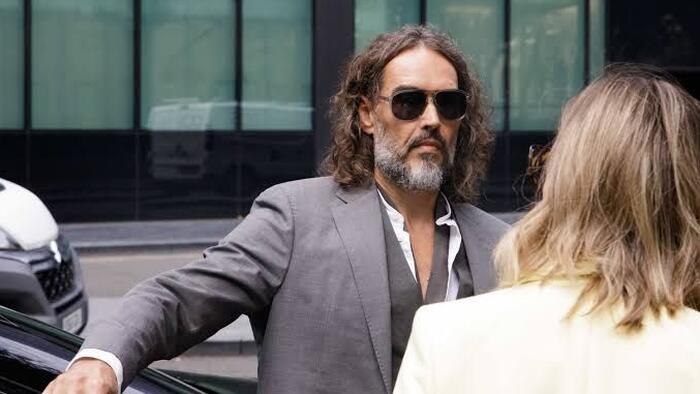
Comedian and media personality Russell Brand, 51, has been found guilty of one count of rape and three counts of sexual assault following a high-profile trial at Southwark Crown Court. The verdict, delivered on Thursday, November 5, 2026, comes just three days after his barrister, Ian Winter KC, controversially questioned the jury, "Why is it that only three rapes in 10 years?" The convictions mark a significant moment in a case that has drawn widespread attention, reigniting discussions around consent, celebrity accountability, and the complexities of prosecuting historical sexual offenses.
The Verdict and Specific Charges
The jury, comprised of eight men and four women, deliberated since Tuesday before reaching their decision. Brand was convicted of one count of rape relating to a young fan he met after a Hammersmith Apollo show in 2009. He was also found guilty of three counts of sexual assault, one of which involved an incident with a woman at a Soho bar in 2004. These convictions stem from charges involving six women who came forward with allegations spanning from 1999 to 2009. The Telegraph and GB News were among the first outlets to report the details of the verdict.
Brand had faced a total of seven counts, including two additional counts of rape and one of attempted indecent assault, to all of which he had pleaded not guilty. Initial reports did not immediately clarify whether the jury acquitted him of the remaining three counts or if they were still under consideration. The former BBC and Channel 4 presenter, accompanied to court by his wife, Laura Gallacher, is now expected to face a lengthy prison sentence, the specifics of which will be determined at a later sentencing hearing.
The Defence Strategy: Promiscuity and "Poisoned Well" Allegations
During the trial, the defence, led by Ian Winter KC, adopted a strategy that focused heavily on Brand’s admitted promiscuity and the circumstances surrounding the allegations surfacing. Winter concluded the defence on Monday by asserting that while Brand "had an immense amount of sex," "none of it was unlawful." This argument sought to decouple Brand’s well-documented past sexual activity from any criminal wrongdoing, suggesting that consensual encounters, however numerous, should not be conflated with non-consensual acts.
The defence also challenged the credibility and motivations of the complainants, arguing that their coming forward was influenced by a 2023 Channel 4 Dispatches investigation and a Sunday Times report. Winter contended that the media coverage had "poisoned the well of justice," creating an environment where allegations were encouraged rather than independently emerging. This claim pointed to the timing of the formal police investigation, which Scotland Yard initiated in September 2023, shortly after the broadcast of the Dispatches program and the publication of the Sunday Times article, which detailed allegations from several women.
A notable aspect of the defence’s argument, highlighted by media commentator Megyn Kelly, involved a numerical claim. Winter referenced a former friend’s testimony that Brand once expressed an ambition to sleep with 5,000 women. While Brand denied on the stand that this was ever a "goal," the defence’s implication was that if Brand had engaged in such a vast number of sexual encounters, the relatively small number of formal complaints (initially three, later expanded) suggested a low likelihood of widespread non-consensual activity. Kelly, in recapping the closing arguments on her show, paraphrased this line of reasoning bluntly: "He had a goal of 5,000, three women, three say he didn’t consent out of 5,000. If this guy’s running around just randomly raping women orally, vaginally, anally, wouldn’t there be more?" This argument, however, faced scrutiny for potentially shifting the burden of proof and for minimizing the gravity of individual allegations.
A Chronology of Allegations and Legal Proceedings
The journey to this verdict has been protracted, marked by initial media revelations, police investigations, and additional charges:
- 1999-2009: The period during which the alleged offenses took place, involving six different women.
- September 2023: A joint investigation by Channel 4 Dispatches and The Sunday Times airs allegations of sexual assault and rape against Brand. This media exposure prompts Scotland Yard to open an investigation.
- April 2025: Brand is formally charged with five offenses against four women, all occurring between 1999 and 2005. He pleads not guilty to all charges.
- December 23, 2025: Following further investigations and more women coming forward in the wake of the initial publicity, prosecutors add two more charges: one count of rape and one of sexual assault, both from 2009 and involving two additional women. Notably, the rape conviction he received was not among these original charges, indicating the evolving nature of the case as more evidence emerged.
- November 2026: The trial concludes at Southwark Crown Court, with the jury delivering its guilty verdict on one count of rape and three counts of sexual assault.
The addition of charges later in the process underscores the dynamic nature of sexual offense investigations, where initial public allegations often encourage other potential victims to come forward, leading to a broader scope of inquiry.
Russell Brand: From Mainstream Stardom to Controversial Commentator
Russell Brand’s career trajectory has been multifaceted and often controversial. He rose to prominence in the early 2000s as a stand-up comedian known for his flamboyant persona and provocative humor. He quickly transitioned into mainstream media, hosting popular shows on BBC Radio 2 from 2006 to 2008 and presenting various television programs on Channel 4. His acting career included roles in Hollywood films such as "Forgetting Sarah Marshall" and "Get Him to the Greek."
His mainstream career, however, was not without incident. In 2008, he famously resigned from the BBC after a public outcry over prank calls made with fellow presenter Jonathan Ross to actor Andrew Sachs, which involved explicit references to Sachs’ granddaughter. This event marked a turning point, leading to a period where Brand’s public image became increasingly defined by his outspoken, often rebellious, nature.
In recent years, Brand has reinvented himself as an anti-establishment commentator, establishing a significant online presence through platforms like YouTube and Rumble. He has adopted a persona critical of mainstream media and political institutions, often expressing views that resonate with populist and conspiratorial narratives. During this period, he also converted to Christianity. Following the initial allegations in 2023, Brand insisted the charges were politically motivated, a claim that found support among certain figures within the alternative media landscape.

Broader Context: Media Accountability and Political Reactions
The verdict against Russell Brand adds significant pressure on the BBC, particularly concerning how it has policed the conduct of its stars. The institution has faced intense scrutiny over its handling of past scandals, most notably the posthumous revelations about Jimmy Savile’s extensive sexual abuse and, more recently, allegations surrounding former news presenter Huw Edwards. These cases have highlighted systemic failures within the BBC to adequately address and investigate complaints against high-profile employees, raising questions about duty of care and accountability. Brand’s conviction, for offenses that largely predate his departure from the BBC but occurred during his period of rising fame, will undoubtedly intensify calls for a thorough review of past practices and safeguarding measures.
The allegations against Brand, and the subsequent trial, also became a flashpoint in broader cultural and political debates. His claims of political motivation resonated with some prominent figures. Elon Musk publicly backed Brand when the allegations first surfaced in 2023, expressing support for the comedian. Last year, Tucker Carlson, a vocal conservative commentator, went further, calling on the Trump administration to "rescue" Brand from charges he described as "political and absurd." This perspective often framed the legal proceedings as part of a larger "cancel culture" phenomenon or a politically orchestrated attack against an outspoken critic of the establishment.
However, not all commentators aligned with this view. Megyn Kelly, for instance, broke with this camp from the outset. When the allegations first aired, she urged her listeners to "stay open minded to the possibility that the women are telling the truth," emphasizing the importance of investigating claims of sexual assault rather than dismissing them outright. This divergence in reactions underscores the polarized nature of public discourse surrounding such cases, particularly when they involve figures who have cultivated a strong political identity.
Implications and The Path Forward
The conviction of Russell Brand carries significant legal and societal implications. Legally, he faces a potentially lengthy custodial sentence, reflecting the gravity of rape and sexual assault offenses under UK law. The sentencing will take into account the severity of the crimes, the impact on the victims, and any aggravating or mitigating factors. Brand’s legal team may also consider an appeal, a common recourse in high-profile cases.
Societally, this verdict sends a powerful message regarding accountability, regardless of fame or public persona. It reinforces the principle that allegations of sexual assault will be taken seriously and can lead to convictions, even years after the alleged events. This aligns with the broader cultural shift initiated by movements like #MeToo, which have empowered survivors to come forward and challenged historical impunity for powerful individuals. The case also highlights the ongoing challenges faced by victims in navigating the justice system, particularly when confronted with defence strategies that question their motives or use numerical arguments to downplay the impact of their experiences.
For Brand himself, the conviction marks a profound fall from grace, irrevocably altering his public image and likely ending his career in its current form. Beyond the legal consequences, the verdict will undoubtedly shape how his past work and controversial commentary are viewed in the future. The trial has served as a stark reminder of the enduring importance of consent and the legal system’s role in addressing allegations of sexual violence, irrespective of the public profile of those involved.

