
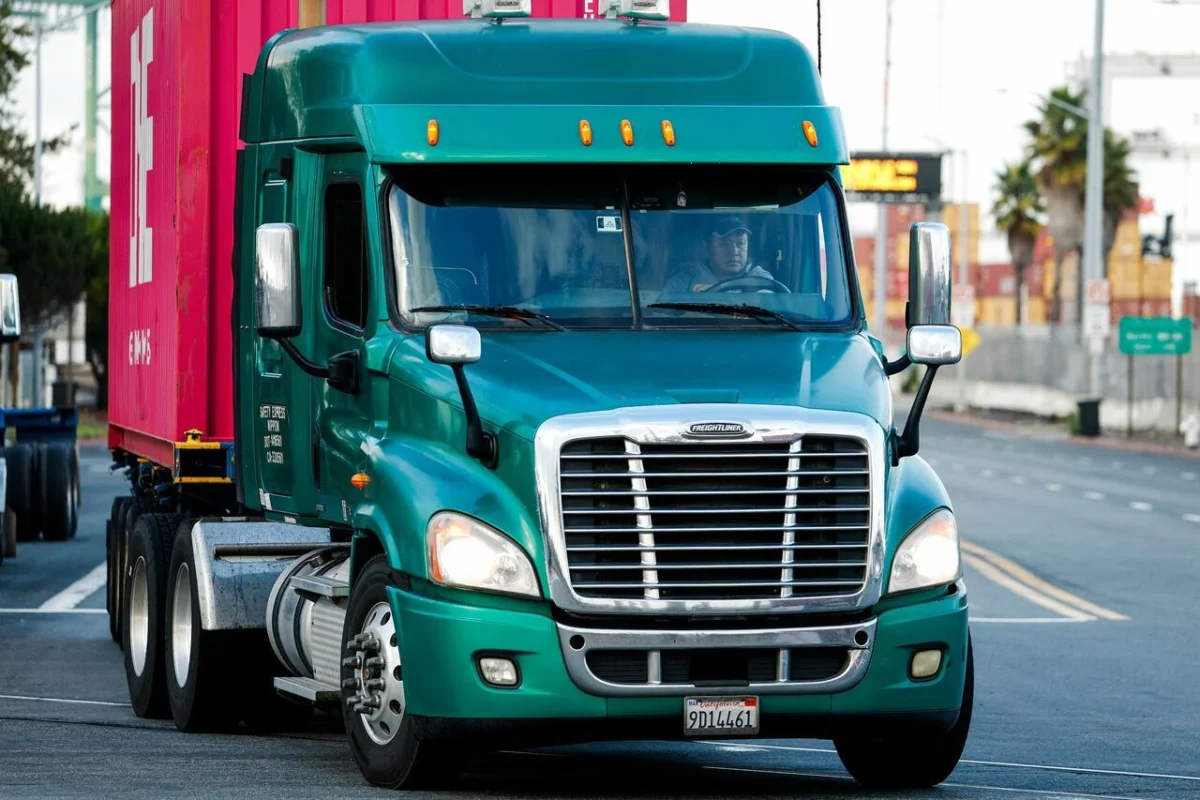
Federal authorities have successfully concluded a three-day enforcement action, dubbed "Operation Highway Shield," which resulted in the removal of over 800 dangerous truckers from U.S. roadways. The comprehensive initiative, carried out from July 28 to July 30, specifically targeted unqualified foreign drivers and commercial vehicles that failed to meet essential safety standards, underscoring a heightened focus on national security and public safety within the nation’s vital transportation sector. Officials revealed the early results of this significant operation on Tuesday, highlighting the collaborative efforts of multiple federal and state agencies aimed at securing America’s highways.
The operation, spearheaded by inspectors from U.S. Immigration and Customs Enforcement’s (ICE) Homeland Security Investigations (HSI), worked in conjunction with the Federal Motor Carrier Safety Administration (FMCSA) and various state highway patrols across the country. These agencies conducted intensive roadside checks, meticulously scrutinizing commercial drivers and their vehicles for a range of violations, from improper licensing and English language proficiency deficiencies to critical vehicle safety failures and criminal behavior.
Key Outcomes of Operation Highway Shield
The three-day sweep yielded substantial results, demonstrating the breadth of the challenges facing road safety and regulatory compliance. Among the most critical findings:
- Detention of Illegal Immigrants: Officers detained 51 individuals identified as illegal immigrants. Of particular concern, 21 of these detained drivers were found to be operating commercial vehicles using non-domiciled commercial driver’s licenses (CDLs) issued by California and New York. These licenses, intended for individuals who reside outside the state but are legally permitted to drive commercial vehicles within the U.S., are a specific area of vulnerability that has been exploited by unqualified individuals.
- Vehicles and Drivers Placed Out of Service: A staggering 766 unsafe drivers and vehicles were immediately placed out of service. This designation means that the vehicle or driver was deemed too hazardous to continue operation until all identified deficiencies were rectified or the driver was removed from their duties. Violations ranged from mechanical failures to driver fatigue and other safety breaches.
- Arrests for Dangerous Behavior: Beyond licensing and safety compliance, authorities arrested 86 operators for dangerous behaviors, including incidents of road rage and domestic violence. These arrests underscore the broader public safety implications when individuals with criminal tendencies or behavioral issues are entrusted with operating large commercial vehicles.
- English Language Proficiency Violations: Officials issued 36 violations for failures in English language proficiency tests. Federal regulations mandate that commercial drivers must be able to communicate sufficiently in English to understand highway signs, respond to law enforcement directives, and handle emergencies effectively. This requirement is a cornerstone of safe operation on U.S. roads.
- Recovery of Stolen Cargo: In a significant blow to criminal networks, nearly $1 million in stolen cargo was recovered during the operation, highlighting the nexus between illicit commercial driving activities and broader criminal enterprises such as cargo theft.
Official Statements and Policy Directives
The early results of Operation Highway Shield were announced by Department of Homeland Security (DHS) Secretary Markwayne Mullin and Department of Transportation (DOT) Secretary Sean Duffy. Both officials emphasized the critical nature of the operation and the administration’s unwavering commitment to road safety and national security.
DHS Secretary Mullin articulated the inherent risks posed by unqualified drivers, particularly those who are in the country illegally, when they are at the controls of massive semi-trucks. "When illegal aliens are behind the wheels of semi-trucks, they are putting American lives in danger," Secretary Mullin stated in an X post, underscoring the dual threat of immigration violations and severe safety risks.
DOT Secretary Duffy reinforced this stance, linking the operation directly to President Trump’s broader directive to enhance road safety, eliminate fraud within the transportation sector, and restore integrity to the trucking industry. "Every life lost from an illegal trucker behind the wheel of a big rig is a completely preventable tragedy—and this administration will not stand for it," Duffy asserted. He issued a stern warning to those attempting to circumvent regulations: "If you continue to illegally operate a big rig—your days on America’s streets are numbered." These statements reflect a clear policy directive to aggressively pursue and prosecute individuals and entities that compromise the safety and security of the nation’s transportation network.
Background on Commercial Driver Licensing and Fraud
The crackdown on unqualified and illegal truckers comes against a backdrop of increasing concerns over fraudulent practices within the commercial driver’s license (CDL) system. Just last month, DHS and DOT announced a formal partnership aimed specifically at probing fraudulent and illegal practices prevalent at certain commercial driver license schools. Officials have repeatedly voiced concerns that these unscrupulous schools are issuing credentials to unqualified individuals, including illegal immigrants, thereby enabling them to operate semi-trucks on public highways without the requisite skills, knowledge, or legal standing.
The integrity of the CDL system is paramount to road safety. To obtain a CDL, drivers must typically pass a series of knowledge tests and a comprehensive skills test, which includes pre-trip inspection, basic controls, and on-road driving. Furthermore, drivers must meet stringent medical qualifications, pass drug and alcohol screenings, and often undergo background checks, especially for endorsements like hazardous materials (HazMat). The requirement for English language proficiency is not merely administrative; it is a fundamental safety measure, ensuring drivers can comprehend road signs, communicate with emergency services, and understand traffic laws.
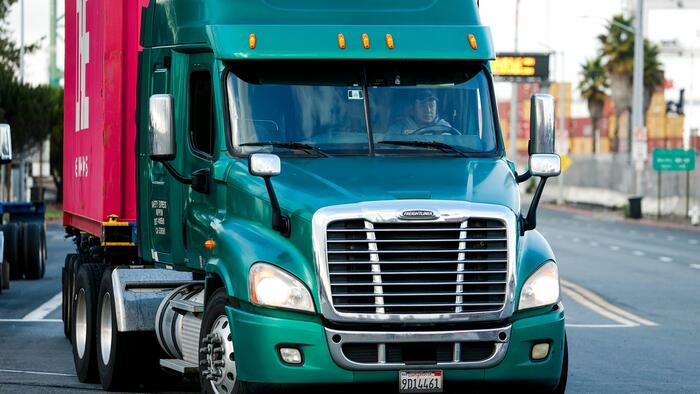
The issue of "non-domiciled CDLs" has been a particular flashpoint. While these licenses are legitimate for specific situations (e.g., Canadian or Mexican drivers who meet U.S. federal standards), their issuance to individuals who are not legally present in the U.S. or who fraudulently obtain them poses a severe security and safety risk. The California Department of Motor Vehicles, for instance, has previously faced scrutiny and taken action to revoke thousands of CDLs that were improperly issued to foreign drivers. The scale of the problem, with 17,000 such revocations representing about 2.5 percent of all commercial licenses in California, illustrates the systemic vulnerability that Operation Highway Shield seeks to address.
The Mechanics of Roadside Inspections and Enforcement
Roadside inspections are a critical tool in maintaining highway safety. During these checks, officers perform a multi-faceted assessment that typically includes:
- License Verification: Scrutiny of the driver’s CDL for authenticity, proper endorsements, and validity.
- Language Proficiency Testing: Direct assessment of the driver’s ability to communicate in English, crucial for understanding instructions and responding to emergencies.
- Vehicle Condition Examination: Comprehensive inspection of the truck and trailer for mechanical defects, including brakes, tires, lights, steering, suspension, and coupling devices.
- Driver Records Review: Examination of electronic logging devices (ELDs) for hours-of-service compliance, review of medical certifications, and checking for past violations or disqualifications.
Failure in any of these critical areas can lead to immediate "out-of-service" orders. Such an order means the targeted driver or vehicle cannot be operated until the identified deficiencies are corrected, the driver is replaced by a qualified individual, or the vehicle is repaired to meet safety standards. These orders are not merely warnings; they are legally binding directives designed to prevent imminent danger on the roads.
Broader Implications for Road Safety, Economy, and National Security
The federal crackdown has significant implications across multiple domains:
- Enhanced Road Safety: The most direct impact is on the safety of America’s highways. Large trucks, weighing up to 80,000 pounds, pose immense danger when operated by unqualified, fatigued, or reckless drivers. According to the National Highway Traffic Safety Administration (NHTSA) and FMCSA data, large truck crashes result in thousands of fatalities and tens of thousands of injuries annually. Removing unsafe drivers and vehicles directly reduces the likelihood of catastrophic accidents, saving lives and preventing injuries.
- Integrity of the Trucking Industry: The legitimate trucking industry, which is the backbone of the U.S. supply chain, relies on professionalism and adherence to safety standards. Unqualified and illegal operators not only pose safety risks but also create unfair competition, potentially undercutting prices by circumventing regulations and costs associated with proper training, licensing, and vehicle maintenance. This operation helps level the playing field for law-abiding trucking companies and drivers, restoring public confidence in the industry.
- Economic Impact: The trucking industry is a colossal component of the U.S. economy, responsible for transporting over 70% of all freight. Disruptions caused by unsafe practices, such as cargo theft or preventable accidents, can lead to significant economic losses, increased insurance premiums, and delays in the supply chain. By recovering stolen cargo and enforcing safety, the operation protects economic assets and ensures smoother commerce.
- National Security Concerns: The operation also touches upon national security. The presence of illegal immigrants operating commercial vehicles raises questions about vetting processes and potential vulnerabilities that could be exploited. The fraudulent CDL schools, if left unchecked, could inadvertently provide credentials to individuals with nefarious intentions, posing a threat to critical infrastructure and public safety.
- Immigration Enforcement: The detention of illegal immigrants underscores the administration’s dual focus on border security and interior enforcement. The intersection of immigration status with commercial driving adds another layer of complexity to enforcement efforts, highlighting the challenges of managing a secure and regulated transportation system.
The Vital Role of the Trucking Industry
The U.S. trucking industry is indispensable. Approximately 3.5 million truck drivers are employed nationwide, moving trillions of dollars worth of goods each year. These drivers are subject to a rigorous set of federal and state regulations designed to ensure safety, including hours-of-service rules, vehicle maintenance requirements, and strict licensing criteria. The vast majority of these drivers are highly skilled, professional, and dedicated individuals who operate safely and legally. Operations like Highway Shield are thus critical not to demonize the industry, but to identify and remove the small percentage of actors who undermine its integrity and endanger the public.
Future Outlook and Continued Enforcement
The success of Operation Highway Shield signals a likely continuation and expansion of such targeted enforcement actions. The partnership between DHS and DOT to investigate fraudulent CDL schools suggests a long-term strategy to address the root causes of unqualified drivers on the roads, rather than solely focusing on reactive enforcement. This proactive approach will likely involve deeper investigations into the networks facilitating fraudulent licensing, increased collaboration with state licensing agencies, and potential legislative or regulatory reforms to further tighten controls on CDL issuance and verification.
The message from federal authorities is clear: maintaining the safety and integrity of America’s highways is a top priority. For the millions of commuters, travelers, and businesses that rely on the trucking industry, these operations offer reassurance that deliberate and sustained efforts are being made to keep the nation’s roads secure from dangerous and unqualified operators. The fight against fraud and unsafe practices in commercial transportation is ongoing, and Operation Highway Shield represents a significant step forward in this critical endeavor.

