
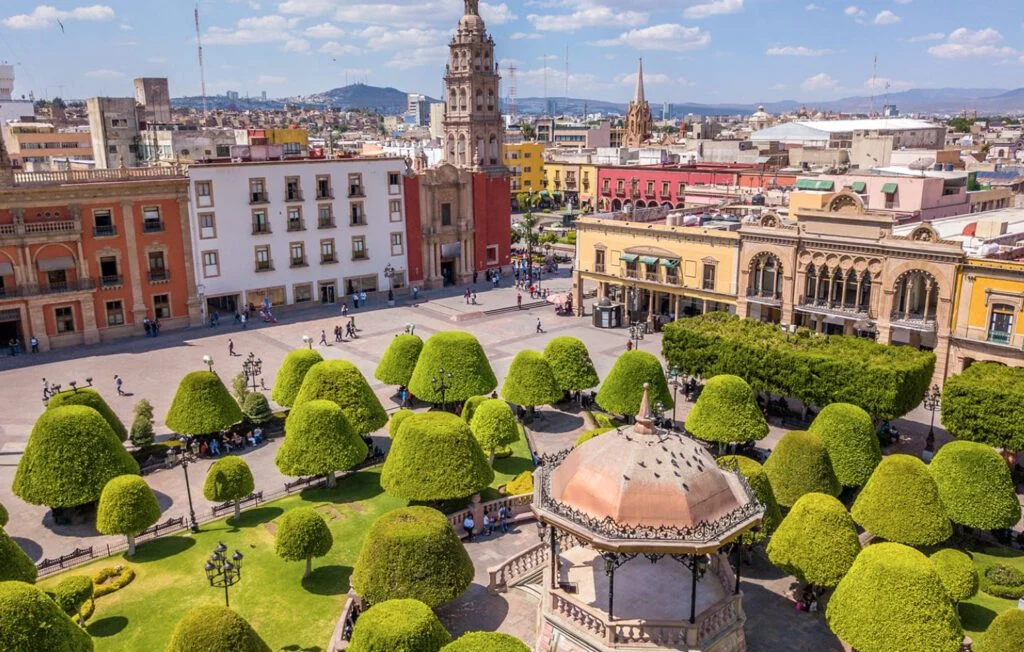
The decision to retire abroad is an increasingly popular one for Americans seeking a change of pace, lower cost of living, or simply a new adventure. For Anne Nicolai, a former corporate professional and freelance writer, this aspiration materialized in 2008 when she left her Minnesota home for San Miguel de Allende, Mexico. Now, over a decade later, Nicolai, who also hosts MoveToMexico.org, shares five profound lessons learned from her experience as an expatriate, offering a valuable perspective for those contemplating a similar transition.
The Unexpected Journey of Self-Discovery
Nicolai’s first revelation underscores a powerful truth often overlooked in the planning stages of retirement abroad: the sheer untapped potential within oneself. "You are capable of more than you give yourself credit for," she states, reflecting on her initial hesitations. Arriving in Mexico, Nicolai grappled with rudimentary Spanish, the mental gymnastics of currency conversion, and a perceived lack of rhythm that made her an observer rather than a participant in local dances.
Fast forward fourteen years, and the narrative has dramatically shifted. Nicolai is now a fluent Spanish speaker, a bilingual karaoke host, and a confident dancer, fully integrated into the local culture. Her financial fluency has evolved from struggling with peso-dollar conversions to earning, spending, and thinking in the local currency. This personal transformation is not merely anecdotal; it is built upon navigating complex bureaucratic landscapes. Nicolai successfully obtained and renewed her temporary residency visa multiple times, a process that involved nine separate visits to the immigration bureau before ultimately securing permanent residency. Her resilience was further tested by over twenty cross-country drives between San Miguel and Minneapolis, often undertaken solo, where she encountered challenges like getting lost and facing bribe attempts. These experiences, while daunting, significantly expanded her comfort zone and fostered a profound sense of accomplishment.
The U.S. Census Bureau reported in 2022 that approximately 3.1 million Americans lived abroad, a figure that has seen steady growth over the past two decades. This trend highlights a broader societal shift towards global mobility, particularly among retirees who may have more time and financial flexibility to pursue such life changes. Nicolai’s journey exemplifies the personal growth that often accompanies these decisions, suggesting that the challenges of adapting to a new environment can be powerful catalysts for self-discovery and resilience.
Navigating New Realities: Safety and Community
The second crucial lesson Nicolai imparts concerns the inherent need for heightened safety awareness and the strategic advantage of community support when living in a foreign country. "There is safety in numbers," she asserts, emphasizing that adapting to new security norms is paramount. In Mexico, for instance, the common sight of decorative ironwork on windows and doors, and security measures like broken glass embedded in garden walls or razor wire, signal a different approach to personal safety than many North Americans are accustomed to. The immediate risk of theft, such as leaving electronics unattended in a vehicle, is a stark reality that necessitates vigilance. Furthermore, navigating unfamiliar environments after dark requires a conscious assessment of street lighting and personal safety protocols.
However, Nicolai points out that a substantial expatriate community can significantly mitigate these concerns. "If you move to a place with a sizeable expat community, whether in Mexico, China, Nigeria, India or Ecuador, there will be some kind of security infrastructure in place," she explains. In San Miguel de Allende, this manifests as English-speaking emergency responders and a 24-hour hotline to the American consular agency. The established presence of expatriates also fosters a greater likelihood of locals speaking English, facilitating communication and integration. Nicolai’s personal choice to reside in an entirely Spanish-speaking neighborhood demonstrates a high level of comfort and trust, built upon strong neighborly relationships. This sense of mutual reliance and community support, she argues, is a vital component of feeling secure in an unfamiliar setting.
Data from organizations like the U.S. Department of State indicates that consular services are frequently utilized by American expatriates, underscoring the importance of government support systems. The presence of these services, coupled with the informal networks established within expat enclaves, provides a layered approach to safety that addresses both practical security needs and the psychological comfort of belonging.
The Unseen Connections: Technology as a Bridge
Nicolai’s third lesson focuses on the transformative power of technology in bridging geographical distances and fostering connections. "Technology will keep you connected," she states, a sentiment that resonates deeply in an increasingly digitized world. The widespread availability of high-speed internet and affordable mobile services globally ensures that expatriates are not isolated from their loved ones or essential services.
Applications like WhatsApp, Duo, and FaceTime facilitate free voice and video calls, allowing for real-time participation in family milestones such as birthdays and holidays, regardless of location. The virtual healthcare revolution has also extended its reach, enabling expatriates to consult with doctors and therapists remotely. Furthermore, mundane yet crucial tasks, such as paying bills back home, are easily managed online. Social Security benefits can be directly deposited into many foreign bank accounts, offering a seamless financial transition.
Beyond personal connections, technology serves as a vital tool for integration into the new community. In San Miguel, online platforms such as Facebook expat forums provide a wealth of information, ranging from local events and social gatherings to crime alerts and recommendations for specialized goods. Navigation apps like Google Maps and Waze, supported by reliable internet access, offer practical guidance for daily life, from finding local shops to locating public transportation. The Pew Research Center has consistently highlighted the increasing reliance on digital tools for communication and information access across all age demographics, a trend that is particularly pronounced among expatriates who leverage these technologies to maintain ties and build new lives.
Embracing the Transformation: Cultural Immersion’s Benefits
The fourth lesson Nicolai shares delves into the profound personal enrichment derived from immersing oneself in a different culture. "Immersion in another culture will change you for the better," she asserts, reflecting on her initial motivations for moving to Mexico – a desire for more sunshine, vibrant colors, ethnic diversity, and the intellectual challenge of language acquisition. Nicolai acknowledges her past as a "Type A" personality, fully engaged in a consumerist lifestyle in the United States, which included a large home, multiple vehicles, and a penchant for expensive indulgences.
Fourteen years of living in Mexico have fostered a significant shift in her values and lifestyle. She now emphasizes the virtues of patience, humility, and simplicity. The urge to accumulate material possessions has waned, with her spending largely confined to essential needs like food and karaoke music. Her wardrobe, largely unchanged since her arrival, fits well, a testament to increased physical activity. Walking more, dancing frequently, and adopting a healthier diet are direct consequences of her life in Mexico, a pattern she observes among fellow expats globally.
This transformation aligns with anthropological studies on acculturation, which often highlight the development of cross-cultural competence, increased empathy, and a broader worldview among individuals who engage deeply with a new culture. The economic realities of many expatriate destinations also often encourage a more sustainable and less consumer-driven lifestyle, which can lead to greater financial well-being and personal satisfaction.
The Enduring Option: The Freedom to Return
Nicolai’s final, and perhaps most reassuring, lesson is the inherent freedom to return home. "You can always go home," she emphasizes, dispelling the myth that retiring abroad is a permanent, irreversible decision. She notes that many long-term expatriates in their 80s and 90s have lived in Mexico for decades, while others have chosen to return to their home countries due to health concerns or a desire to be closer to family. This flexibility extends to moving between different countries, with some expats transitioning from Mexico to destinations like Thailand, New Zealand, or Portugal.
Nicolai’s perspective is that retirement is a process of "trial and error, not success or failure," and there is no single "right" way to approach it. Mexico has become her home, and while she anticipates spending her final years there, she acknowledges the possibility of returning to the United States or exploring other parts of the world. Her reasons for moving – escaping cold Minnesota winters and embracing a new adventure – are relatable aspirations for many. The continuous visits from friends and family attest to the enduring bonds that transcend geographical separation. The ultimate takeaway is that the decision to retire abroad is a dynamic one, offering the freedom to adapt and change course as life circumstances evolve. This perspective is crucial for mitigating the anxieties associated with such a significant life change, empowering individuals to explore new horizons with the assurance of options.

