
As the United States navigates another election year, the political discourse intensifies, often characterized by heated debates and competing narratives. While citizens engage in the democratic process of research and voting, a significant portion of this public conversation, particularly concerning the economy, frequently deviates from established facts and sound economic principles. This disconnect is particularly pronounced in the current cycle, where candidates from both sides often employ emotionally charged rhetoric rather than data-driven analysis to sway undecided voters in crucial swing states. For advanced economic thinkers, understanding this manipulation is key to discerning genuine policy proposals from mere political theater, allowing them to focus on factors within their immediate sphere of influence after casting their ballots.
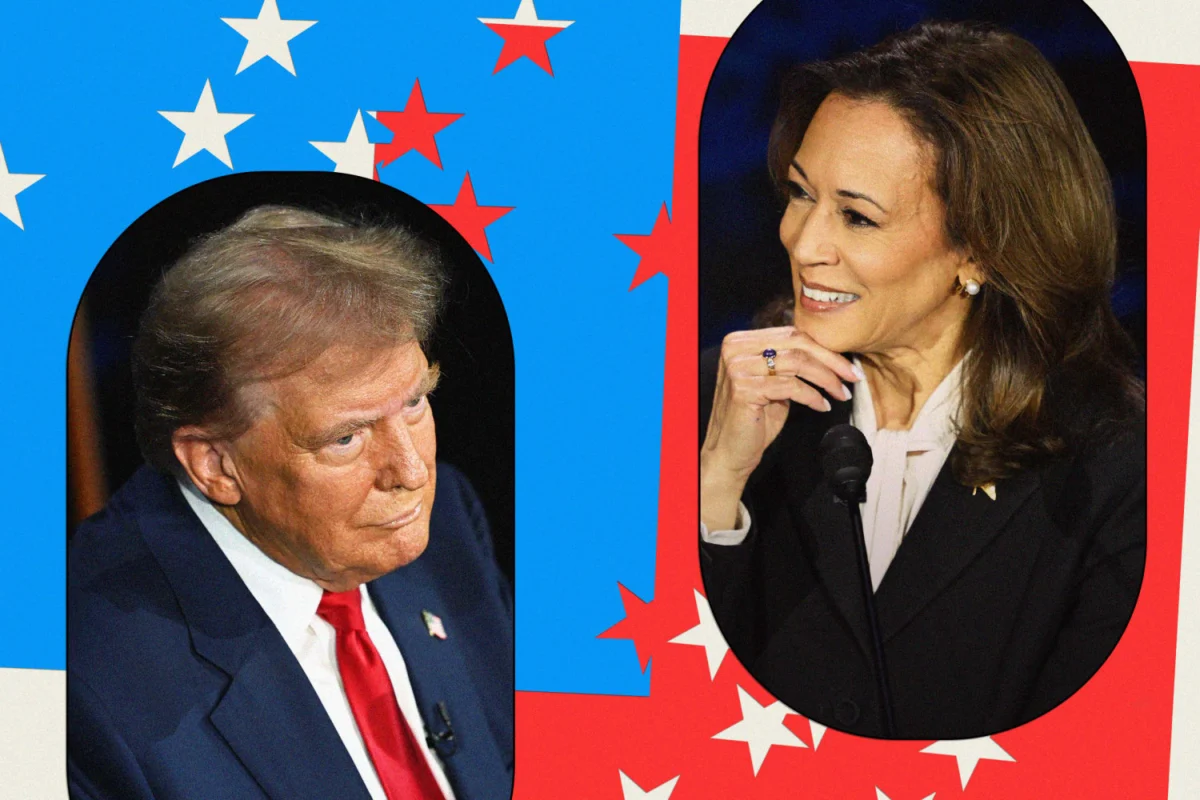
The ongoing electoral contest between candidates like Kamala Harris and Donald Trump has brought economic policy to the forefront, yet the quality of the debate surrounding national wealth, personal finance, and the overall economic health of the nation has become notably simplified, if not outright misleading. Politicians, who are not always experts in technical fields such as science, technology, or economics, often resort to rhetoric designed to appeal to anxieties or aspirations rather than to inform with accuracy. This year, the simplification of complex economic issues has reached a point where fundamental economic realities are frequently obscured by partisan narratives.
The Current Economic Climate: Perception Versus Reality
A striking example of this rhetorical divergence from reality is the claim by the opposing party (currently associated with Donald Trump) that the incumbent administration (Biden/Harris) presides over a "bad economy." This assertion stands in stark contrast to objective economic indicators. The U.S. economy, by many metrics, is experiencing a period of robust strength. Unemployment rates have reached historical lows, a situation generally indicative of a thriving labor market where job opportunities are plentiful. As of recent data from the U.S. Bureau of Labor Statistics, the unemployment rate has consistently hovered around 3.5-3.8%, near a 50-year low, reflecting strong job creation and labor force participation. Gross Domestic Product (GDP) growth has also shown resilience, with the economy expanding steadily in recent quarters, outperforming many other developed nations.
Indeed, the recent period of elevated inflation, which peaked in mid-2022, can be interpreted not as a sign of economic weakness, but rather as an indication that economic activity was, in some respects, "too hot." This robust demand, coupled with supply chain disruptions exacerbated by the COVID-19 pandemic and significant government stimulus, contributed to rising prices. The Federal Reserve’s subsequent policy of increasing interest rates was a deliberate and necessary measure to cool this overheated demand and bring inflation back toward its target of 2%. This action, while leading to higher borrowing costs, was a standard economic tool deployed to ensure long-term price stability.
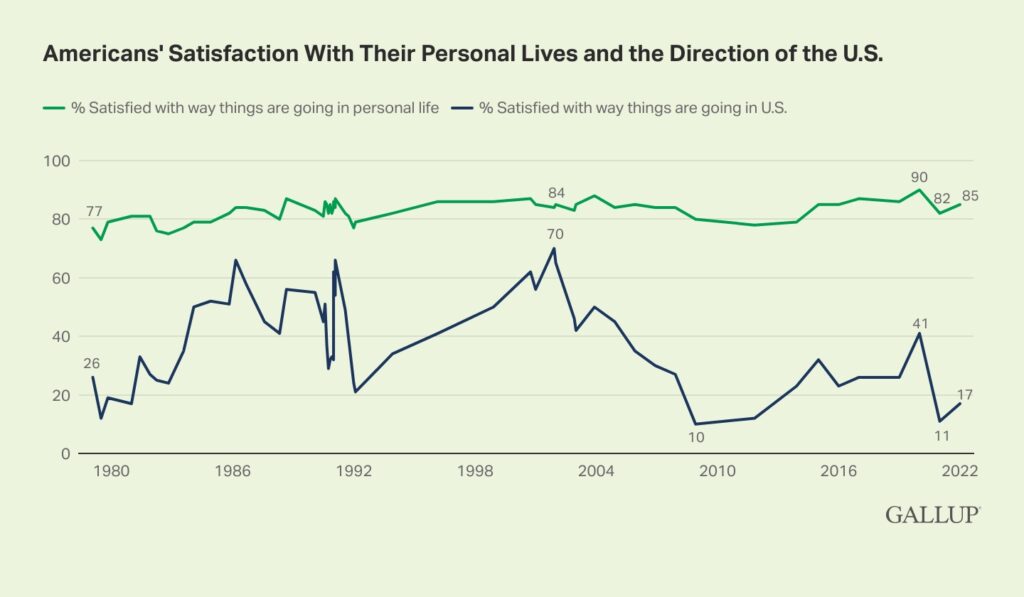
Despite these objective economic indicators, public perception often paints a different picture. A recent Gallup poll revealed a significant paradox: while approximately 85% of Americans reported doing well personally, only a mere 17% believed the national economy was performing strongly. This discrepancy highlights a fundamental misunderstanding, or perhaps a politically induced skepticism, about the broader economic landscape. Logically, if a vast majority of individuals are experiencing personal financial well-being, this collective prosperity is, by definition, indicative of a healthy economy. This widespread misperception is frequently correlated with the proliferation of misinformation, particularly through social media channels, which amplify partisan talking points and overshadow factual economic reporting.
For citizens, particularly those focused on long-term financial independence, a clear and accurate understanding of economic realities is paramount. Economic knowledge translates directly into financial power, enabling individuals to make informed decisions irrespective of political rhetoric. With this foundational understanding, it becomes easier to identify and dismiss common economic fallacies perpetuated in political campaigns.

Debunking Common Economic Myths Perpetuated by Politicians
1. The President Controls the Economy
One of the most enduring myths in political discourse is the idea that the sitting president single-handedly dictates the performance of the U.S. economy. When a recession hits, the opposition party invariably blames the incumbent; when the economy booms, the current president is quick to claim credit. In reality, the U.S. economy is an immense and incredibly complex system, estimated at approximately $28 trillion annually and representing about 26% of the global economic output. Its sheer scale and, crucially, its foundation in free-market principles, render it largely impervious to the direct, short-term control or even strong influence of any single individual, including the President.
The U.S. economy operates as a vast, interconnected machine, converting labor, capital, and raw materials into an endless array of goods and services, from advanced technology to healthcare and consumer products. Moreover, it is profoundly influenced by the remaining 74% of global economic activity driven by the other 7.6 billion people on Earth. Economic cycles, characterized by periods of expansion and contraction, are primarily driven by inherent market dynamics, investor sentiment, and global events. These include phenomena like "irrational exuberance" – exemplified by the 2007 housing boom – followed by periods of "extreme fear and pessimism," as seen during the 2008-2012 financial crisis.
While the government does play a role through fiscal policy (setting tax rates and managing public spending) and regulatory frameworks, the effects of these policies are often delayed, diffuse, and subject to numerous external variables and congressional approval. It is therefore difficult to establish a direct, immediate causal link between a president’s actions and the day-to-day fluctuations of the economy. The government can be likened to a crew adjusting the rudder on a massive ship; while its long-term direction is influenced, the ship’s short-term movements are largely dictated by the powerful waves and storms of the global economic ocean.
2. The President Controls Interest Rates
Another common misconception politicians propagate is the idea that they can directly manipulate interest rates to alleviate financial burdens on constituents. Candidates frequently express sympathy for middle-class Americans facing higher borrowing costs for credit cards, auto loans, and mortgages, promising to "fight" to lower rates. Some, like former President Trump, have even gone so far as to publicly pressure or suggest taking control of the Federal Reserve, the independent body responsible for monetary policy.
The reality is that interest rates are primarily set by the Federal Reserve, an institution deliberately structured to operate independently of political influence. This independence is crucial for its effectiveness. The Fed’s dual mandate is to maintain price stability (control inflation) and maximize employment. It achieves this through monetary policy tools, most notably by adjusting the federal funds rate, which influences other interest rates throughout the economy.
Leaving monetary policy in the hands of a sitting president would be fraught with peril, as history has shown in countries where central bank independence is compromised, often leading to hyperinflation or economic instability (e.g., Argentina, as mentioned, or historical examples from other developing economies). When the economy slows and unemployment rises, the Fed can lower interest rates to stimulate borrowing, investment, and job creation. Conversely, when the economy overheats and inflation accelerates, the Fed raises rates to cool demand. This delicate balancing act requires objective, expert decision-making, free from short-term political pressures. Voters should understand that the Fed’s actions, though impactful, are a necessary mechanism for economic stability, not a political lever to be pulled at will.
3. Inflation Has Made Life Harder for Americans (and the President Can Magically Reverse it)
The narrative that inflation has universally impoverished Americans and that a president can simply "reverse" it is another significant distortion. The rapid inflation experienced for a couple of years post-COVID was indeed a challenge, stemming from a unique confluence of factors: global supply chain disruptions (factory closures, remote work), robust consumer demand fueled by government stimulus, and historically low interest rates. These factors have largely dissipated, and inflation has since decelerated significantly, returning to near the Federal Reserve’s target, currently around 2.4%.
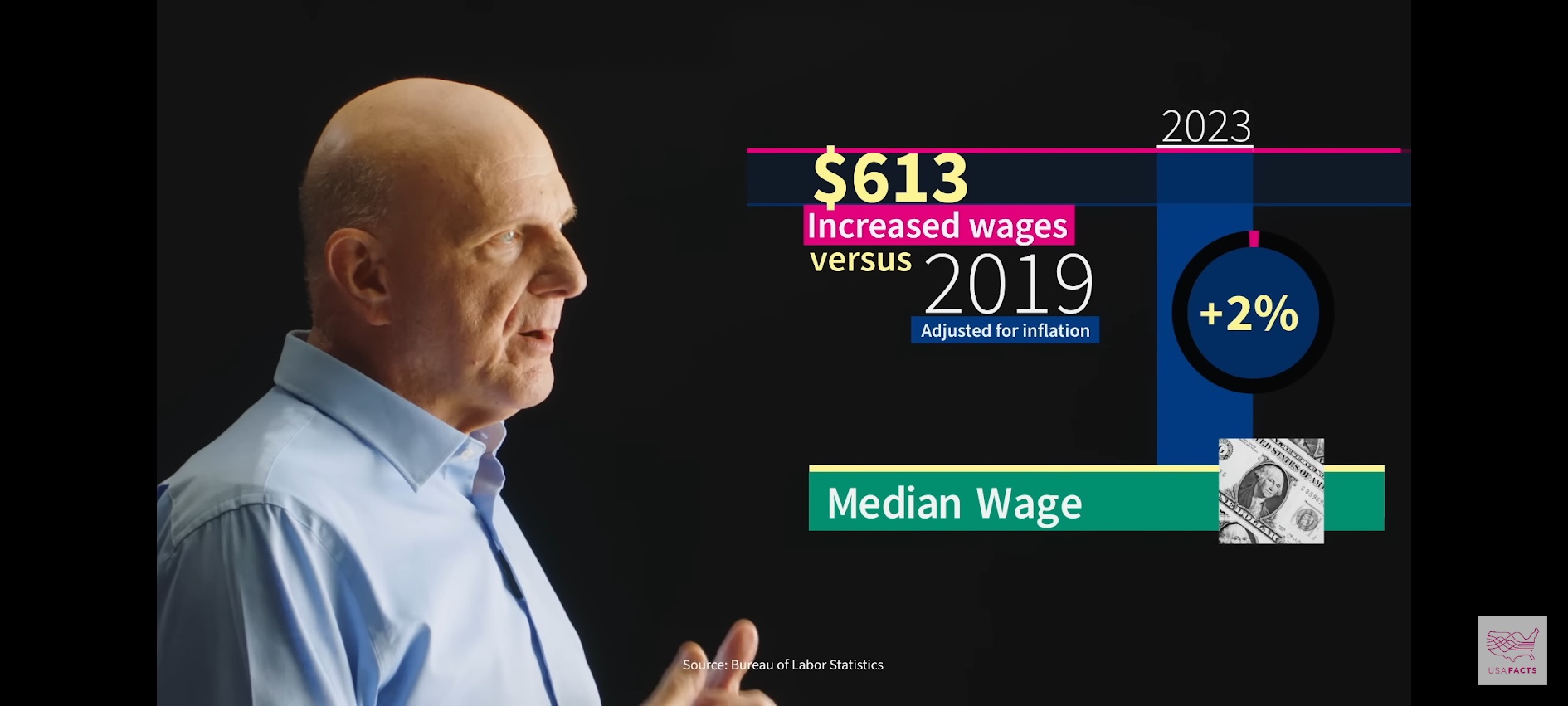
Crucially, while prices rose, wages for most Americans have risen even faster than inflation. Data from sources like Steve Ballmer’s USA Facts, corroborated by the Bureau of Labor Statistics, indicates that since 2019, overall prices increased by approximately 19%, while average wages climbed by about 21%. This means that, in real terms (adjusted for inflation), the average American worker’s purchasing power has actually increased. The political rhetoric that emphasizes "higher prices" without acknowledging "higher wages" creates a misleading impression of widespread economic hardship. Moreover, the promise to "bring prices back down" is economically problematic; sustained deflation typically signals a contracting economy, mass layoffs, and financial instability, a scenario far worse than controlled inflation. The goal of economic policy is price stability, not a return to past nominal price levels.
A related "bonus dumbness" often heard is blaming "greedy corporations" for increasing prices to hoard profits ("greedflation"). While businesses certainly aim to maximize profits, competitive markets generally prevent widespread, sustained price gouging without a corresponding increase in demand or cost. A recent in-depth analysis by NPR, for instance, found no evidence that grocery stores, a common target of such accusations, reaped windfall profits from the recent bout of COVID-fueled inflation. Their profit margins remained relatively stable, suggesting price increases were primarily driven by higher input costs and robust consumer demand, not corporate avarice.
4. The President Controls Housing Prices
The rapid escalation of U.S. house prices and rents over the last decade, outpacing both general inflation and wage growth, presents a genuine affordability crisis for many. This issue has been compounded by rising interest rates, which, while intended to cool the housing market, have instead created a "double whammy" of higher prices and increased borrowing costs for mortgage seekers. In this context, politicians often propose solutions that, while seemingly empathetic, could exacerbate the problem.
For example, proposals like subsidies for first-time homebuyers or schemes to artificially reduce interest rates on mortgages, without addressing the fundamental issue of supply, would only inflate demand further. This would inevitably drive prices even higher, benefiting existing homeowners but making entry into the market even more difficult for new buyers. The actual, economically sound solution to high housing costs is to increase the supply of housing.
This solution primarily falls within the purview of local and state governments, rather than the federal executive. Effective measures would include:
- Streamlining permitting processes: Reducing bureaucratic hurdles and costs for developers.
- Reforming building codes: Ensuring codes are efficient and cost-effective without compromising safety.
- Eliminating restrictive zoning laws: Moving away from single-family-only zoning to allow for diverse housing types (duplexes, townhouses, multi-family units) in more areas.
- Reducing setback and parking requirements: These mandates often unnecessarily increase land use and construction costs.
- Curbing NIMBY (Not In My Backyard) influence: Reforming laws that grant disproportionate power to existing residents to block new development.
Implementing such changes could, by some estimates, reduce the cost of building a new house by a significant margin, potentially up to 50%, leading to a more affordable and accessible housing market.
5. The President Controls Gas Prices, and They Are "High" and We Want Them Lower
Gasoline prices are a perennial political flashpoint, often invoked as a litmus test for the health of the economy or the competence of an administration. This fixation, however, overlooks several key realities.
Firstly, when adjusted for inflation, the price of gasoline in the U.S. has remained remarkably consistent over decades. According to data from the Alternative Fuels Data Center (AFDC) of the U.S. Department of Energy, inflation-adjusted gasoline prices have largely hovered in the $3-4 per gallon range (in today’s dollars) since the 1950s. The perception of "high" prices often ignores this historical context.
Secondly, despite the focus on gasoline, it represents a relatively small portion of the average American household’s budget. Even with large, less fuel-efficient vehicles, the average household typically spends only about 2.5% of their disposable income on fuel. This figure pales in comparison to other, often overlooked, costs associated with car ownership, such as insurance, maintenance, depreciation, and financing.
Thirdly, and perhaps most critically, gasoline as a primary vehicle fuel is becoming increasingly obsolete. The rapid advancement and adoption of electric vehicles (EVs) have transformed the automotive landscape. Used EVs are now frequently available at prices competitive with, or even lower than, comparable used gasoline cars. New EVs are also becoming increasingly price-competitive, especially when considering tax credits and long-term savings. EVs offer numerous advantages: superior performance, significantly reduced maintenance requirements, and the elimination of gasoline purchases altogether.
Given these realities, the continued political emphasis on gasoline prices seems anachronistic, akin to debating the price of Kodak film or typewriters in the digital age. This focus diverts attention from promoting more sustainable and economically advantageous transportation solutions.
6. The Economy is Something We Should Even Worry About
Perhaps the most profound misdirection in economic discourse is the underlying premise that the "economy" itself should be a primary source of anxiety for most Americans. While hard work, innovation, and economic progress are valuable, society, particularly the American middle class, crossed the threshold of basic "enough" decades ago. The current economic complaints often resemble the desires of affluent individuals at a lavish buffet, wishing for "just one more flavor of donuts" rather than addressing fundamental needs.
It is true that income and wealth inequality persist, with the wealthy often accumulating more assets at a faster rate. A progressive tax system is indeed a tool to mitigate extreme disparities, as a more equitable society tends to be more peaceful and stable. However, studies consistently show that beyond a certain income level – often cited around $75,000-$100,000 annually in many regions – additional wealth does not correlate significantly with increased happiness or well-being. This is because "enough" is largely defined by one’s mindset, financial literacy, and life skills, rather than solely by the size of a paycheck.
If politicians were genuinely committed to enhancing the happiness and overall well-being of the populace, their platforms would likely focus less on pandering to specific interest groups or promising marginal material gains, and more on promoting principles of financial prudence, sustainable living, and psychological resilience – values akin to what some refer to as "Mustachianism."
Ultimately, the electoral process is often driven by the desire to win, which can diverge significantly from proposing policies that are demonstrably best for the long-term health and happiness of the nation. For the informed citizen, the path forward involves casting a vote based on a clear understanding of facts, and then tuning out the political noise to focus on one’s personal "circle of control" until the next election cycle.
Further Resources:
For those seeking fact-based economic data untainted by political spin, the video series "USA Facts" by former Microsoft CEO Steve Ballmer offers a valuable resource. These well-produced videos aim to present objective data, allowing viewers to form their own conclusions based on evidence rather than partisan narratives. This initiative underscores the critical need for factual literacy in an increasingly polarized information environment.

