

The global financial system is experiencing a significant paradigm shift as interest rates, after more than a decade of historic lows, have abruptly surged to levels not seen in over twenty years. This dramatic recalibration marks a profound departure from the era of near-zero borrowing costs that characterized much of the post-2008 financial crisis period and the subsequent COVID-19 pandemic response. The implications of this monumental shift are reverberating across every sector of the economy, from housing markets and corporate investment to consumer spending and individual savings strategies.
A Decades-Long Period of Ultra-Low Rates Concludes

For nearly fourteen years, stretching back to the aftermath of the 2008 global financial crisis and extended through the economic disruptions of the early 2020s, central banks, most notably the U.S. Federal Reserve, maintained an accommodative monetary policy. This strategy involved keeping benchmark interest rates, such as the federal funds rate, at historically low levels, often hovering close to zero percent. The primary objective was to stimulate economic growth, encourage borrowing and investment, and foster job creation during periods of subdued demand or crisis.
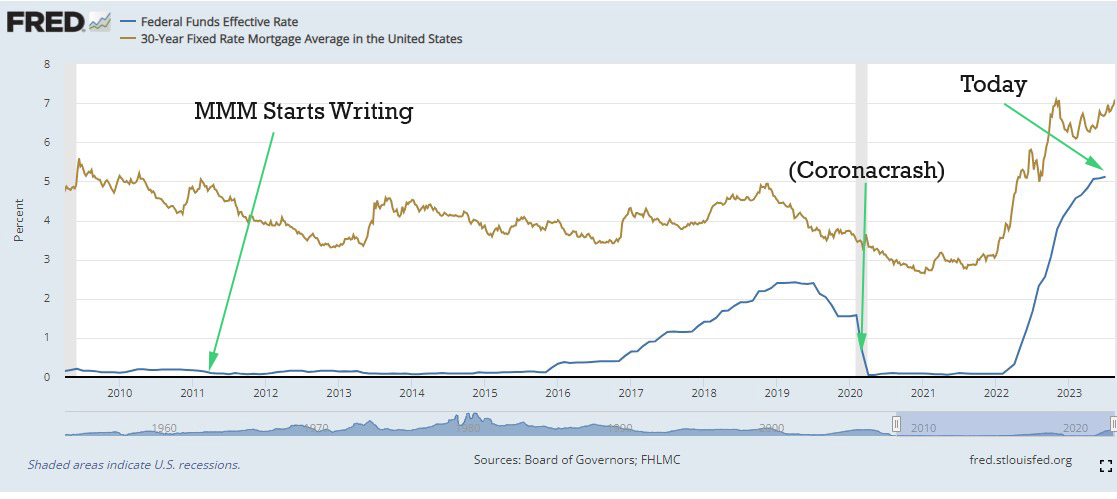
This era of cheap money fueled a robust period of expansion. Mortgages became more affordable, leading to increased demand in the housing market and a surge in both existing home sales and new construction. For example, 30-year fixed mortgage rates dipped below 3% in 2020 and 2021, making homeownership accessible to a wider segment of the population. Businesses benefited from inexpensive capital, spurring entrepreneurship, facilitating new company formation, and encouraging significant investment in infrastructure, technology, and hiring. This sustained economic activity contributed to a long stretch of prosperity, innovation, and rising living standards in many developed economies.
However, the prolonged injection of easy money, combined with unprecedented fiscal stimulus, and severe supply chain disruptions exacerbated by the pandemic, eventually led to an unwelcome surge in inflation. By late 2021 and into 2022, the Consumer Price Index (CPI) in the United States, a key measure of inflation, began to climb rapidly, reaching a peak of 9.1% year-over-year in June 2022 – a level not observed in over four decades. This inflationary pressure eroded purchasing power and posed a significant threat to economic stability, challenging the Federal Reserve’s mandate for price stability.
The Federal Reserve’s Decisive Intervention
Faced with persistent and escalating inflation, the Federal Reserve, under the leadership of Chairman Jerome Powell, initiated a series of aggressive interest rate hikes in March 2022. The Fed’s dual mandate—to maintain maximum employment and stable prices—necessitated a decisive shift from stimulating growth to taming inflation. The federal funds rate, which stood near zero for an extended period, was systematically raised in increments, climbing from a target range of 0.00-0.25% in early 2022 to over 5.25-5.50% by mid-2023. This sequence of ten consecutive rate increases represented the fastest tightening cycle in decades.
These rate increases act as a "tightening" of monetary policy, designed to cool down the economy by making borrowing more expensive for consumers and businesses. Higher interest rates translate directly into higher costs for mortgages, car loans, credit card debt, and corporate borrowing. The intended effect is to reduce overall demand in the economy, alleviate pressure on supply chains, and ultimately bring inflation back down to the Fed’s target of 2%. Chairman Powell has repeatedly affirmed the Fed’s commitment to achieving this target, even if it entails some economic discomfort.

Repercussions Across Economic Sectors
The rapid ascent of interest rates has sent ripples through various segments of the economy:
- Housing Market: The most immediate and significant impact has been felt in the housing sector. Mortgage rates, particularly for 30-year fixed loans, have soared from approximately 3% in early 2022 to over 7.5% by mid-2023, and at times even exceeded 8%. This dramatic increase has severely curtailed housing affordability. For instance, a buyer seeking a $400,000 mortgage (assuming a 10% down payment on a $444,444 home) would have faced a monthly principal and interest payment of roughly $1,686 at a 3% rate. At 7.5%, the same loan demands a payment of approximately $2,800 – an increase of over 66%. This has led to a noticeable slowdown in home sales, reduced demand from prospective buyers, and a tempering of previously red-hot price appreciation in many regions. Data from the National Association of Realtors indicated a significant drop in existing home sales year-over-year. Potential rental property investments have also become significantly less attractive due to higher financing costs. Many homeowners with existing low-rate mortgages are now reluctant to sell, contributing to lower housing inventory and paradoxically keeping prices elevated in some competitive markets.
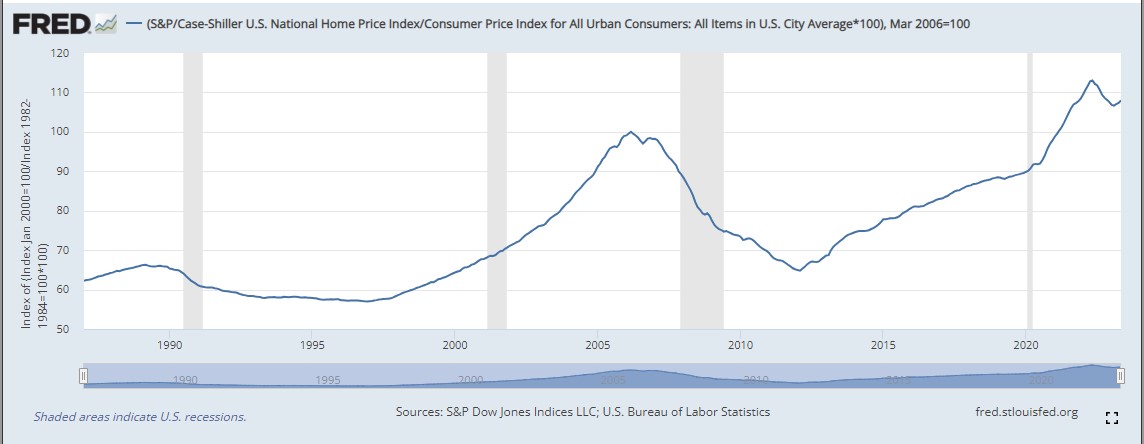
- House Price Dynamics: The "value" of a house is fundamentally driven by supply and demand. Long-term housing supply is influenced by construction costs and regulatory hurdles. While technological advancements and global trade have made some construction components cheaper, local "Not In My Backyard" (NIMBY) sentiments, complex zoning regulations, and onerous approval processes have increasingly added layers of cost and delay to new housing development in many areas. This artificial constriction of supply exacerbates price pressures. Historically, U.S. house prices, adjusted for inflation, are near all-time highs. Economists debate whether prices will fall significantly, or if the market will experience a prolonged period of stagnation where prices remain flat, effectively becoming cheaper relative to rising wages and inflation over time.
- Business Investment and Employment: Companies now face higher costs for borrowing capital, which directly impacts their investment decisions. Plans for expansion, building new facilities, and launching new projects are being reevaluated or scaled back. This has also translated into a cooler labor market, with several major corporations, including tech giants like Meta Platforms (Facebook) and Amazon, announcing significant layoffs totaling tens of thousands of employees. Despite these targeted job cuts, the overall U.S. unemployment rate has remained remarkably low, hovering around 3.5-3.8% (near 50-year lows), indicating a resilient labor market that has surprised many economists.
- Banking Sector: The swift rise in rates also contributed to a localized banking crisis in early 2023, most notably with the failures of Silicon Valley Bank (SVB) and Signature Bank. These institutions faced challenges due to uninsured deposits and significant unrealized losses on long-term bonds purchased during the low-interest-rate environment. While swift action by regulators, including the Federal Deposit Insurance Corporation (FDIC) and the Federal Reserve, contained the contagion and prevented a broader systemic collapse, it highlighted the vulnerabilities that can emerge when monetary policy shifts abruptly after a prolonged period of ultra-low rates.
Navigating the Stock Market in a Higher-Rate Environment

For investors, the volatility introduced by rising interest rates has been a primary concern. The overall U.S. stock market, as measured by indices like the S&P 500, experienced a correction from its peak in early 2022, with a decline of approximately 10% by August 2023. Over a two-year period since June 2021, the market remained largely flat, with gains primarily derived from dividends.
Financial analysts consistently advise against attempting to time the market by selling off investments in anticipation of further declines. Historically, market downturns are unpredictable in their timing and duration, and missing even a few of the best recovery days can significantly impair long-term returns. A disciplined strategy of consistent investment into broad-market index funds remains the recommended approach for long-term wealth accumulation. The current market dip, while unsettling, can be viewed by long-term investors as an opportunity to acquire shares at a relative discount, potentially yielding higher returns when the market eventually recovers and sets new highs, as it has consistently done over extended periods.
Savings and Fixed Income: A Renewed Appeal

The increase in interest rates has brought a welcome change for savers. High-yield savings accounts, money market funds, and short-term Treasury bills are now offering yields of 4.5% or more, a stark contrast to the sub-1% rates prevalent just a few years ago. This presents a nuanced decision for individuals: should they prioritize the stability and guaranteed returns of these instruments or continue investing in the more volatile but historically higher-returning stock market?
While a guaranteed 4.5% or 5% is attractive, especially for short-term liquidity needs or emergency funds, the long-term expected returns of the stock market typically exceed these figures, even considering current market valuations. When stocks are trading at a discount (e.g., 10% below peak), the potential for capital appreciation, in addition to dividend yields (historically around 1.5-2% for broad indices), can quickly surpass the returns offered by fixed-income products over a multi-year horizon. The decision often hinges on individual financial goals, risk tolerance, and investment horizon, but for long-term growth, equities generally maintain their advantage. Many financial advisors suggest a balanced approach, allocating short-term savings to high-yield accounts while continuing regular, diversified investments into the stock market for long-term goals.
Historical Context and Future Projections
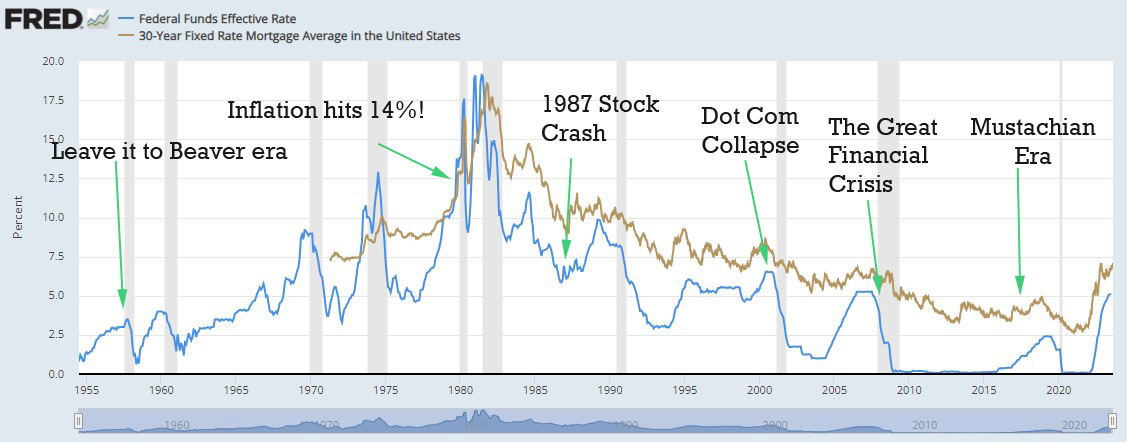
A broader historical perspective reveals that current interest rates, while high relative to the past decade, are actually closer to the long-term average. Charts depicting interest rates over the last seventy years demonstrate periods where rates were significantly higher, even reaching double digits in the late 1970s and early 1980s to combat rampant inflation. Thus, the present environment can be seen as a normalization rather than an unprecedented tightening when viewed through a wider historical lens.
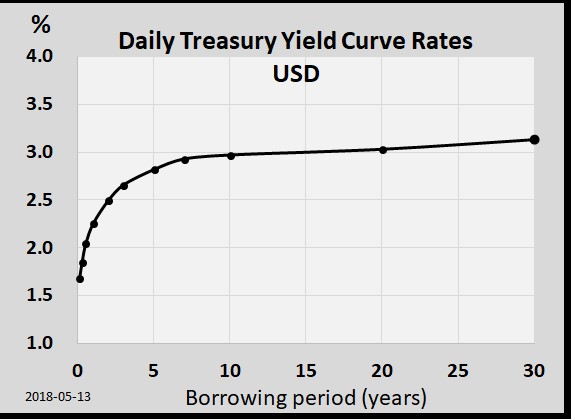
Forecasting the future trajectory of interest rates is inherently complex, yet market indicators offer some insights. One such indicator is the U.S. Treasury yield curve, which plots the yields of Treasury bonds across different maturities. Typically, longer-term bonds offer higher yields to compensate investors for locking up their money for extended periods. However, the current environment features an "inverted yield curve," where short-term yields (e.g., 1-year Treasury bills at 5.4% as of August 2023) are higher than long-term yields (e.g., 10-year Treasury bonds at 4.05% for the same period).
This inversion is a historically reliable predictor of future economic slowdowns or recessions. It implies that bond market participants anticipate interest rates will decline in the future, likely in response to a weakening economy that would prompt the Federal Reserve to ease monetary policy. Historically, an inverted yield curve has preceded ten out of the last eleven U.S. recessions over the past 75 years, often with a lag of 12 to 18 months. Based on this historical correlation, many economists and market analysts project that interest rates may begin to decline within 18-24 months, potentially accompanied by a mild to moderate recession. The Federal Reserve itself has indicated that future policy decisions will be data-dependent, closely monitoring inflation, employment, and global economic developments.
The Long-Term Strategy: Financial Resilience
While macroeconomic shifts like interest rate fluctuations are beyond individual control, personal financial planning can significantly mitigate their impact. Adopting a strategy focused on financial independence, characterized by a lean lifestyle, diligent saving, and reducing reliance on debt, provides a strong buffer against economic headwinds.
For instance, individuals who prioritize paying off mortgages and other significant debts gain immunity from rising borrowing costs. Owning assets outright offers a position of strength, allowing individuals to capitalize on market opportunities without the pressure of high financing rates. Should a future housing market correction or other investment opportunities arise, having substantial savings provides the flexibility to act decisively, whether by purchasing an asset with cash or securing a mortgage under favorable terms if rates become appealing.
Ultimately, while the current high-interest-rate environment presents challenges and requires careful financial navigation, it is a phase within the broader economic cycle. Maintaining a robust personal financial strategy—emphasizing saving, prudent spending, and long-term diversified investing—remains paramount. By focusing on controllable factors such as income generation, debt reduction, and strategic asset allocation, individuals can ensure that the transient fluctuations of interest rates become mere ripples on the surface of their enduring financial journey.

