

Nineteen years into a lifestyle often idealized as the ultimate aspiration—early retirement—a seasoned proponent of financial independence has articulated a nuanced perspective on its inherent challenges, revealing that complete freedom, while liberating, can paradoxically become a double-edged sword demanding rigorous self-discipline. This observation emerges from nearly two decades of experiencing life beyond conventional employment, highlighting that the absence of external obligations necessitates a more profound internal framework for purpose and productivity.
The Allure and Reality of Early Retirement
The concept of early retirement, a cornerstone of the Financial Independence, Retire Early (FIRE) movement, captivates many with its promise of liberation from the daily grind. Proponents often envision a life rich in personal pursuits, family time, health optimization, and creative endeavors, unburdened by the demands of a traditional career. Indeed, the individual in question extensively lauded these benefits, recounting the unparalleled freedom to dedicate himself fully to raising his son from infancy through his teenage years, investing thousands of hours into family, health, friendships, travel, various construction projects, and consistent contributions to his influential blog. This initial phase of retirement affirmed the idealized vision, demonstrating the profound positive impact of reclaimed time on personal values and relationships.
However, as the narrative progresses, a less frequently discussed aspect of this freedom comes to light: the potential for complacency. What sounds like an unmitigated blessing—the ability to avoid any task one dislikes—can, in practice, erode motivation and lead to underachievement. This phenomenon, which can be seen as a "first-world problem," nevertheless presents a significant psychological hurdle for individuals accustomed to structured environments and external motivators. The transition from a demanding professional life to one of complete autonomy exposes an individual’s intrinsic strengths and weaknesses, potentially leading to divergent outcomes ranging from passive indulgence to monumental philanthropic or creative achievements.
The Evolution of Post-Retirement Engagement
For a significant portion of his early retirement, the individual managed to strike a natural balance. The intense demands of fatherhood in the first decade, coupled with his innate drive, propelled him into diverse and productive activities. He embarked on numerous home renovation and construction projects within his community, undertook adventurous travels, engaged in public speaking, produced video content, and consistently authored hundreds of blog posts. This period exemplified the active, purposeful retirement that many within the FIRE movement aspire to, demonstrating a robust capacity for self-direction and engagement.
Yet, a subtle shift began to occur in recent years. A gradual deceleration in activity became noticeable, marked by increasing difficulty in maintaining focus and initiating projects that once came naturally. The vibrant energy that fueled construction sites and compelled him to meticulously craft insightful articles began to wane. Instead of proactive engagement, there was a growing inclination towards sedentary comfort, characterized by earlier retreats to the couch, seeking digital distraction on a phone, and a pervasive wish for the energy and focus required for more fulfilling activities. This decline underscored a critical psychological insight: the presence of endless choice, without external pressure, can paradoxically lead to inertia.
Combating Inertia: The Search for Internal Drivers
Recognizing this creeping stagnation, the individual proactively sought solutions through an intensive study of health and wellness. This pursuit led to the adoption of daily habits aimed at enhancing energy, focus, and overall motivation, drawing insights from contemporary discussions on avoiding excessive comfort and embracing discomfort for growth. These strategies, when consistently applied, demonstrably improved various aspects of his life.
However, a recurring pattern emerged: new, effective habits would be successfully integrated for a time, only to be gradually abandoned as the brain ingeniously manufactured excuses for inconsistency. This cycle highlighted a fundamental disconnect: possessing knowledge about effective strategies did not automatically translate into sustained action. The core problem was identified as self-sabotage, where the very freedom so cherished was inadvertently being leveraged to avoid challenging but ultimately rewarding tasks. The freedom to opt out became a freedom to underperform, transforming a primary advantage into a significant personal impediment.
The distinction between productive freedom and detrimental freedom became stark. True freedom, it was realized, should liberate individuals from unfulfilling obligations to enable pursuits of even greater value. If this higher purpose is not actively embraced, the utility of early retirement diminishes, suggesting that, in such cases, the structure and inherent demands of a job might even be preferable for maintaining engagement and purpose. The individual confessed to a pattern of prioritizing easier, comfortable activities (e.g., household chores, casual socializing) while consistently deferring more challenging tasks requiring greater planning, energy, or focus—precisely the activities that define a truly fulfilling life for him.

The Power of Confronting Hesitation
A pivotal breakthrough occurred through a radical re-evaluation of the internal dialogue surrounding difficult tasks, exemplified by the pursuit of physical workouts. Despite knowing that exercise is arguably the most effective minute-for-minute investment in overall well-being, a common pattern of procrastination had taken root. The internal monologue involved an elaborate process of "greasing the wheels": seeking perfect conditions—optimal time, pleasant weather, high energy levels, pre-prepared gym setup—before initiating a workout. This elaborate preparatory ritual, intended to ease the task, often served as a sophisticated form of procrastination, leading to inconsistent attendance (2-3 times a week, or sometimes over a week between sessions) and, consequently, "lackluster fitness."
The transformative shift came from replacing this meandering, excuse-laden internal monologue with a direct, assertive counter-action: "I want to work out today. I don’t feel like it. AHA!! I JUST CAUGHT MYSELF TRYING TO SELF-SABOTAGE! I am now already putting on my shoes and walking to the gym." This simple yet profound reframing leveraged the moment of hesitation not as a trigger for avoidance, but as an immediate cue for action. The key insight was to cultivate an "eagle-like" vigilance over one’s internal state, identifying the precise instant of reluctance and immediately redirecting that energy into initiation. This counterintuitive approach transforms hesitation from a debilitating force into an invaluable "life coach," guiding one directly towards the very tasks one wishes to avoid.
The Influence of Extreme Role Models
This personal revelation was significantly amplified by exposure to external sources of extreme motivation. While conversations with friends revealed a spectrum of experiences—some feeling overwhelmed, others underwhelmed by their schedules—the most impactful catalyst was an interview with David Goggins. Goggins, an ultrarunner, former Navy SEAL, and motivational speaker, embodies the absolute extreme of self-mastery and the relentless pursuit of overcoming perceived limits. His life story, marked by a traumatic childhood and an almost compulsive drive to conquer immense physical and psychological hardship, presented a stark contrast to the comfortable existence of early retirement.
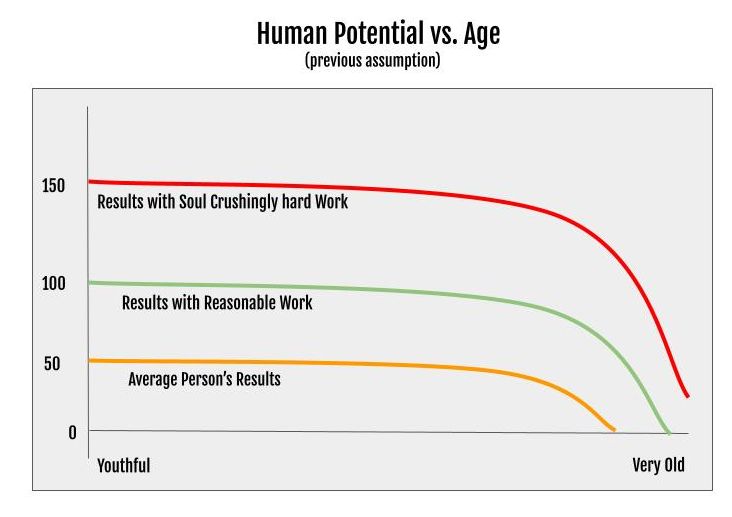
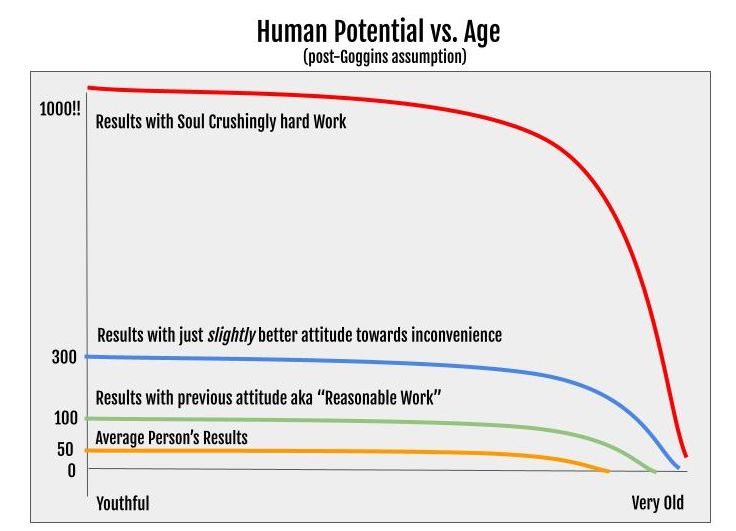
Goggins’ achievements are staggering: enduring multiple near-death experiences to qualify for the Navy SEALs, completing ultra-marathons that involved running 240 miles over four days with minimal sleep, and setting a world record of 4,025 pull-ups in 24 hours (a feat that left his hands severely damaged). While not advocating for such extreme endeavors, Goggins’ narrative served to fundamentally reframe the individual’s perception of personal barriers. It highlighted that most limitations are mental constructs rather than inherent physical or external constraints. This realization, depicted graphically as a shift from a belief in limited potential to one of vast, untapped capacity, was profoundly empowering. It suggested that while starting points and luck vary, the ultimate ceiling for personal achievement is far higher than commonly assumed.
Tangible Results and Continuous Inspiration
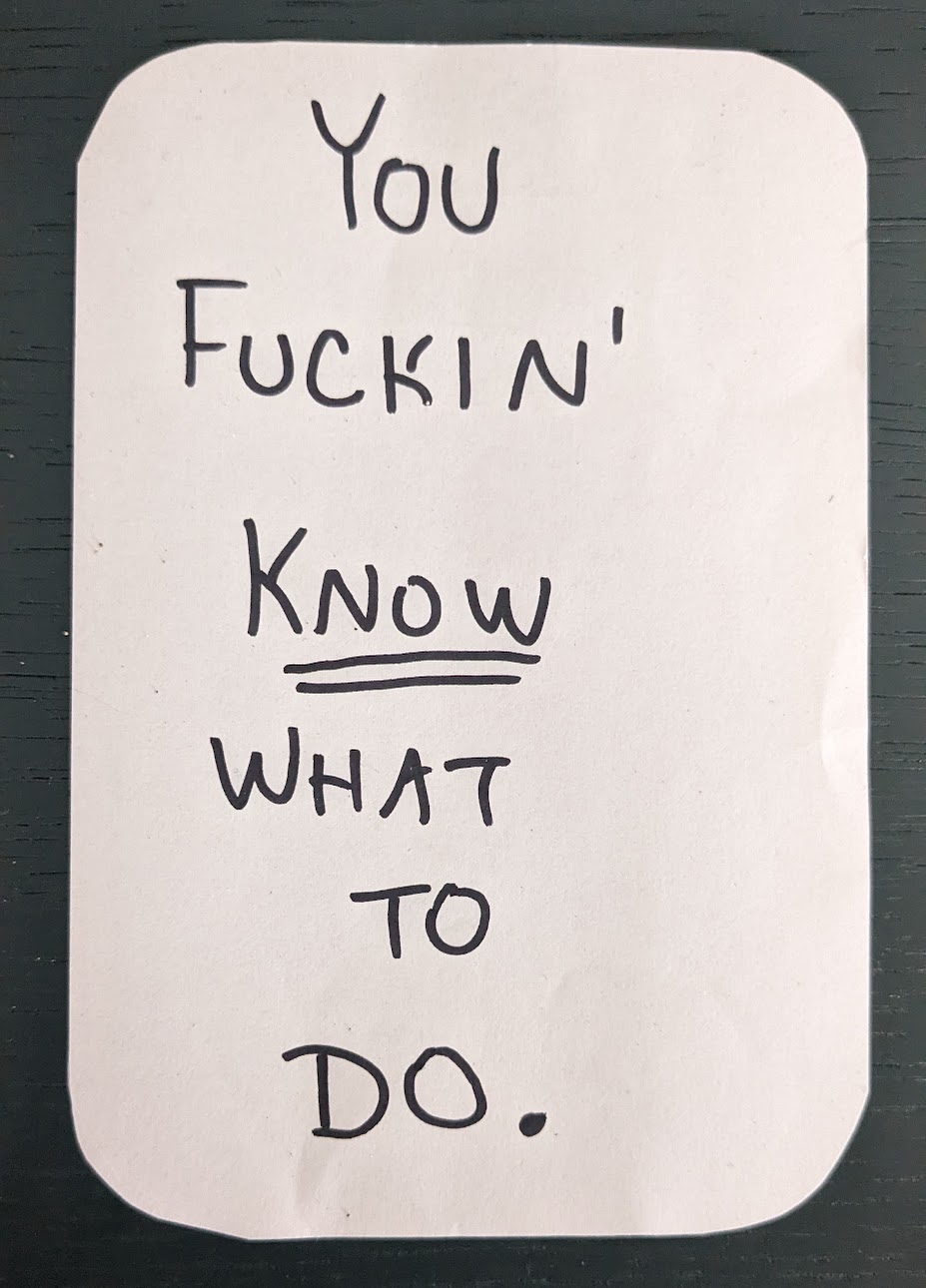
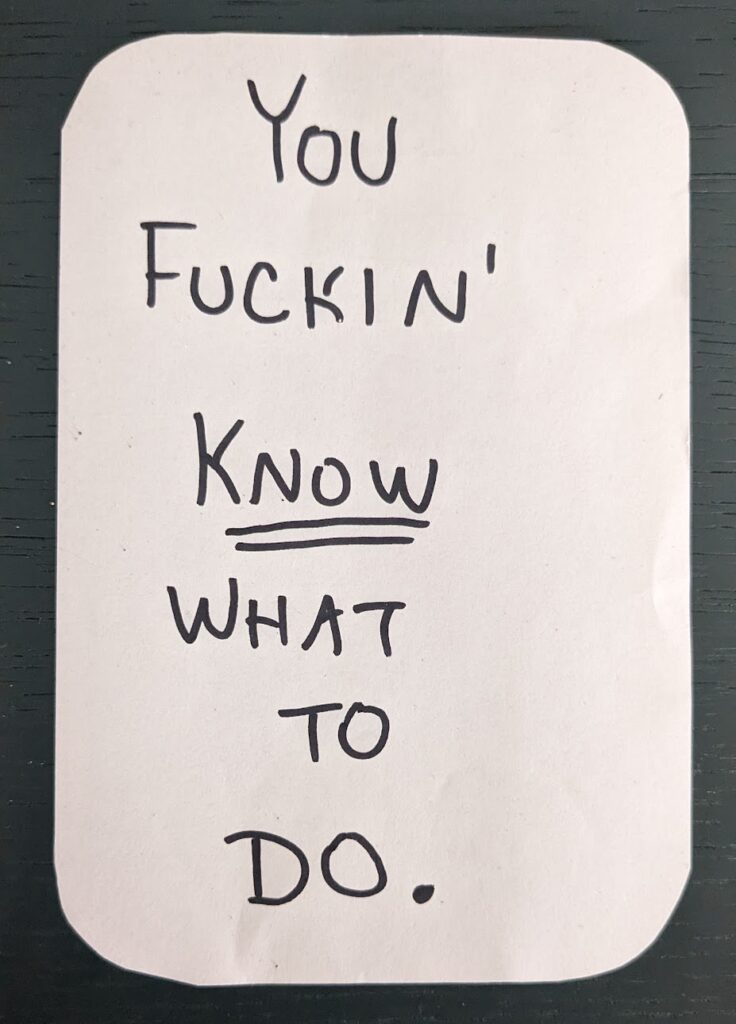
Internalizing Goggins’ philosophy, particularly the concise directive, "You already fckin’ know what to do," led to immediate and measurable results. By adopting the "catch yourself at the moment of hesitance" technique, the individual achieved daily gym attendance. The dual triggers—wanting to work out, or not* wanting to work out—both became equally effective motivators for immediate action. This consistent effort, after years of plateaus, led to significant physical transformation: gaining ten pounds of lean muscle in four months, reclaiming the strength and flexibility of his mid-twenties, and experiencing a marked improvement in joint health.
Beyond physical fitness, this renewed self-discipline extended to other areas, including increased running frequency, more consistent engagement at his coworking space for work and social interaction, and a greater capacity to focus on demanding tasks like writing new blog posts. This indicated that while excessive internet-driven "success" can be detrimental, a disciplined engagement at the "right level" is achievable and deeply satisfying, even amidst myriad easier and more thrilling alternatives.
To sustain this newfound motivation, the individual integrated a regimen of continuous inspiration. This involved listening to audiobooks from Goggins, Peter Attia’s "Outlive," and Jocko Willink’s "Extreme Ownership." While acknowledging potential criticisms of "Bro Science" or "Toxic Masculinity" sometimes leveled against certain motivational figures, the approach advocated was pragmatic: absorb messages that resonate and discard the rest. The objective is to seek out individuals who inspire a higher reach, leveraging their energy to enhance daily productivity and purpose.
Implications for Modern Life
The experience of this early retiree offers significant implications beyond the confines of the FIRE movement. In an era marked by increasing automation and flexible work arrangements, the challenge of self-discipline in the absence of rigid external structures becomes increasingly relevant. The paradox of freedom—where boundless choice can lead to choice paralysis and diminished output—is a universal human experience. This narrative underscores the critical importance of developing robust internal motivation systems, particularly for those who have achieved a degree of financial freedom or work autonomy.
The insights gained suggest that true freedom is not merely the absence of constraints, but the capacity for intentional, self-directed action towards meaningful goals, even when faced with internal resistance. By reframing hesitation as a call to action and drawing inspiration from those who push the boundaries of human potential, individuals can cultivate a dynamic equilibrium between comfort and challenge, ultimately leading to a more purposeful and fulfilling existence, regardless of their professional status. This ongoing journey of self-optimization, fueled by a discerning approach to external motivation, serves as a powerful testament to the enduring human quest for growth and achievement.

