
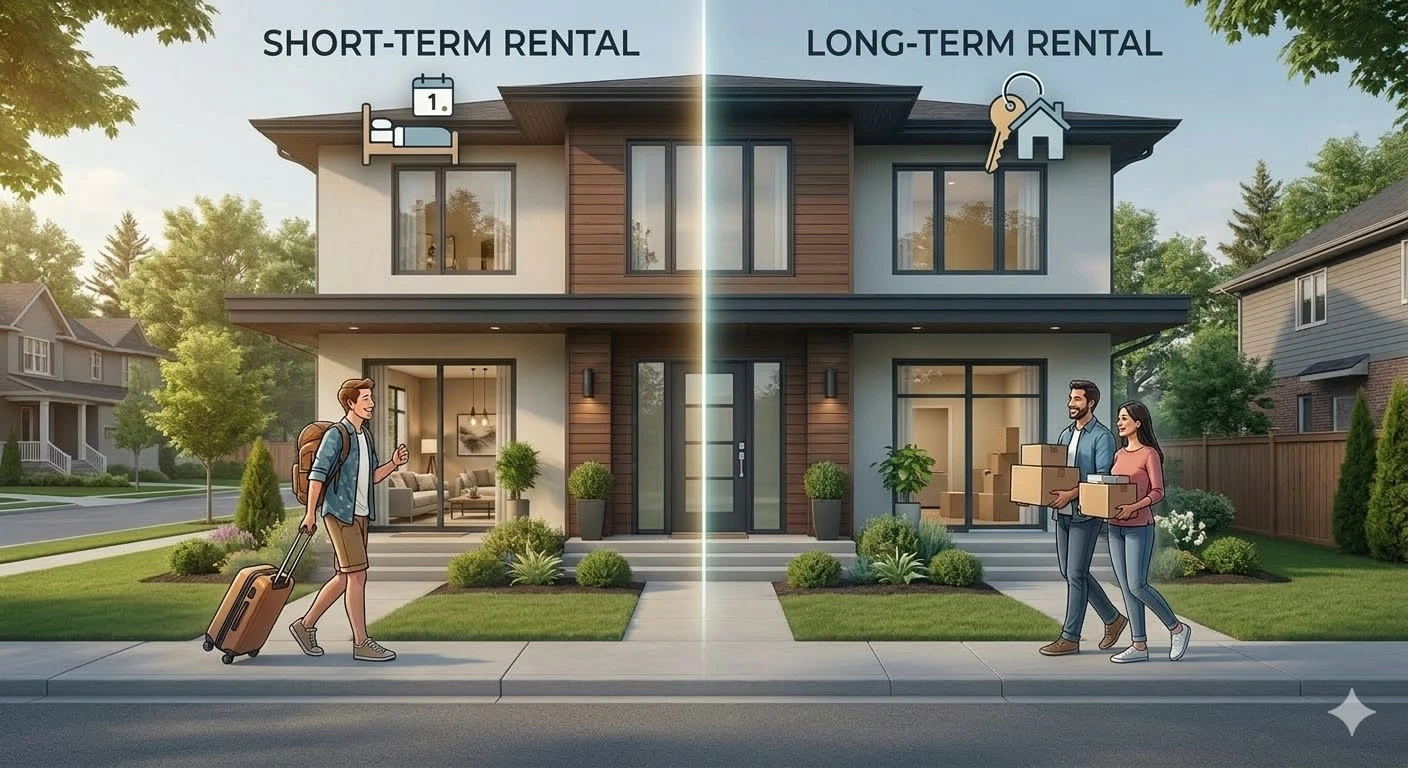
Just a few years ago, the allure of short-term rental properties, particularly through platforms like Airbnb, painted a picture of effortless passive income. College students were reportedly capitalizing on spare bedrooms, generating significant cash flow with minimal effort. This seemingly accessible path to financial gain quickly captured the attention of a broader spectrum of real estate investors, particularly during the post-pandemic travel surge of 2021-2022. The prevailing sentiment was that acquiring a rental property in virtually any location, listing it on Airbnb, and watching the rental income roll in was a straightforward way to enhance one’s investment portfolio. Data from that period appeared to corroborate this notion, with market averages consistently showing short-term rentals outperforming their long-term counterparts in numerous U.S. markets.
However, as 2026 unfolds, a stark transformation has occurred. The once-booming short-term rental market has experienced a discernible slowdown in occupancy and revenue growth across many regions, concurrently facing a surge in regulatory measures. The initial perception of short-term rentals as a passive income stream has been definitively replaced by the reality that operating such a venture is, in fact, a complex business. This paradigm shift has prompted a re-evaluation of investment strategies, especially as the traditional long-term rental market also presents its own set of challenges. Emerging from this dynamic is a third viable option: the mid-term rental, further complicating the decision-making process for investors seeking a clear-cut winner. Consequently, real estate investors are now compelled to meticulously weigh their options and conduct a more in-depth analysis of various rental strategies.
The Evolving Regulatory Environment: A New Frontier for Investors
Historically, legislative bodies have often lagged behind emerging business models. In the early days of the short-term rental boom, the absence of comprehensive regulations in most locales made market entry relatively straightforward. Today, however, a significant number of housing markets, particularly those heavily reliant on tourism, have implemented stringent short-term rental regulations. Cities such as New York City, Honolulu, Santa Monica, New Orleans, and San Francisco have enacted what are effectively "de-facto" bans, with regulations so restrictive that they approach outright prohibition. These rules can encompass a wide array of operational aspects, including licensing requirements, occupancy limits, zoning restrictions, safety inspections, and taxation mandates. The burden of legal compliance now rests heavily on any real estate investor considering a vacation rental property.
For instance, in New York City, Local Law 18, which took effect in September 2023, significantly restricts short-term rentals by requiring hosts to register their properties with the city. Failure to comply can result in substantial fines. Similarly, Honolulu, Hawaii, has imposed strict rules, limiting short-term rentals to owner-occupied properties in certain zones and requiring special permits for others, aiming to address the city’s housing shortage. This complex web of regulations necessitates thorough due diligence, as navigating and adhering to these laws can be a significant undertaking. Investors must now assess their capacity and willingness to manage the legal complexities associated with short-term rentals.
Meanwhile, the landscape for traditional, long-term rentals is also undergoing significant evolution. While landlords have been subject to location-specific rental laws for decades, including provisions for habitability standards, rent control measures in some jurisdictions, and eviction procedures, 2026 has seen the introduction of new legislation that disproportionately favors tenants, thereby increasing landlord responsibilities and costs. In California, for example, the Tenant Protection Act of 2019 (AB 1482) capped annual rent increases at 5% plus local inflation (or 10% total), and established "just cause" eviction requirements. More recently, proposed legislation continues to explore further tenant protections and rent stabilization measures.
In Washington state, cities like Seattle have seen increasing tenant protections related to move-in costs, notice periods for rent increases, and just cause for eviction. These evolving legal frameworks across major states signal a broader trend that could eventually influence other regions. Therefore, real estate investors must conduct comprehensive reviews of applicable laws, irrespective of their chosen rental strategy.
Escalating Costs: The Price of Investment in 2026
The financial considerations for real estate investment have become considerably more demanding in 2026. While short-term rentals have historically been the more expensive option compared to long-term rentals, this cost differential has widened due to a confluence of factors. Beyond the general increase in U.S. home prices, property taxes, mortgage rates, and insurance premiums have all seen upward trends.
For short-term rental properties, the escalating regulatory environment directly translates to increased expenses. Annual permit and registration fees, substantial fines for non-compliance, and additional taxes are becoming commonplace. Furthermore, platform fees, such as those introduced by Airbnb in 2025, have added to the operational costs for hosts. The competitive nature of the market has also driven up ancillary expenses. In popular destinations like Gatlinburg, Tennessee, for instance, amenities like hot tubs are no longer considered optional luxuries but rather a baseline expectation for Airbnb guests, adding to the initial investment and ongoing maintenance costs. Standing out in a crowded market requires continuous upgrades and enhanced service offerings, all of which contribute to a higher cost of ownership.
Simultaneously, the operational costs for long-term rental properties have also seen an uptick. New tenant-favoring laws may necessitate upgrades to rental units, such as ensuring the consistent availability of working stoves and refrigerators. Additionally, growing tenant awareness and demand for sustainability are pushing landlords to invest in energy-efficient upgrades, further increasing upfront and ongoing expenditures. The startup and operational costs for both short-term and long-term rentals are no longer what they once were, demanding a more precise approach to cost estimation and income forecasting to determine the most financially viable strategy.
Location, Location, Location: A Dynamic Market Assessment
The importance of location in real estate investment remains paramount, but the criteria for evaluating it have become more nuanced. While regulatory changes have already been discussed, a broader assessment of market dynamics is crucial. Shifting travel trends and the increasing issue of market oversaturation necessitate a careful selection of investment locales. For traditional rentals, demographic shifts indicate a growing migration towards the Southeast and Mountain West regions of the U.S., often referred to as the Sunbelt, a notable contrast to the historical preference for larger metropolitan areas.
Understanding population movement is only part of the equation; effectively positioning an asset within these shifting markets is equally critical. Daryl Fairweather, Chief Economist for Redfin, offers insights into these dynamics: "Conversions from short-term to long-term rentals are most likely in areas where short-term economics weaken or regulations tighten," she explains. "This typically occurs where STR revenue softens but long-term fundamentals remain solid. Conversely, markets where short-term rentals might still outperform long-term rentals in 2026 are those with consistent demand, professional management capabilities, and the ability to implement dynamic pricing strategies. Passive Airbnb investments in less established or random towns carry a higher degree of risk." This suggests that short-term rental success is increasingly tied to sophisticated operational strategies rather than passive investment.
The Occupant Factor: Managing Expectations and Realities
A significant draw for investors entering the short-term rental market was the perceived simplicity of dealing with temporary guests. The assumption was that short-term occupants would present fewer challenges than long-term tenants, avoiding issues like prolonged vacancies, property damage beyond normal wear and tear, tenant disputes, and the complexities of eviction processes. The image of the transient Airbnb guest as an "ideal occupant" was prevalent.
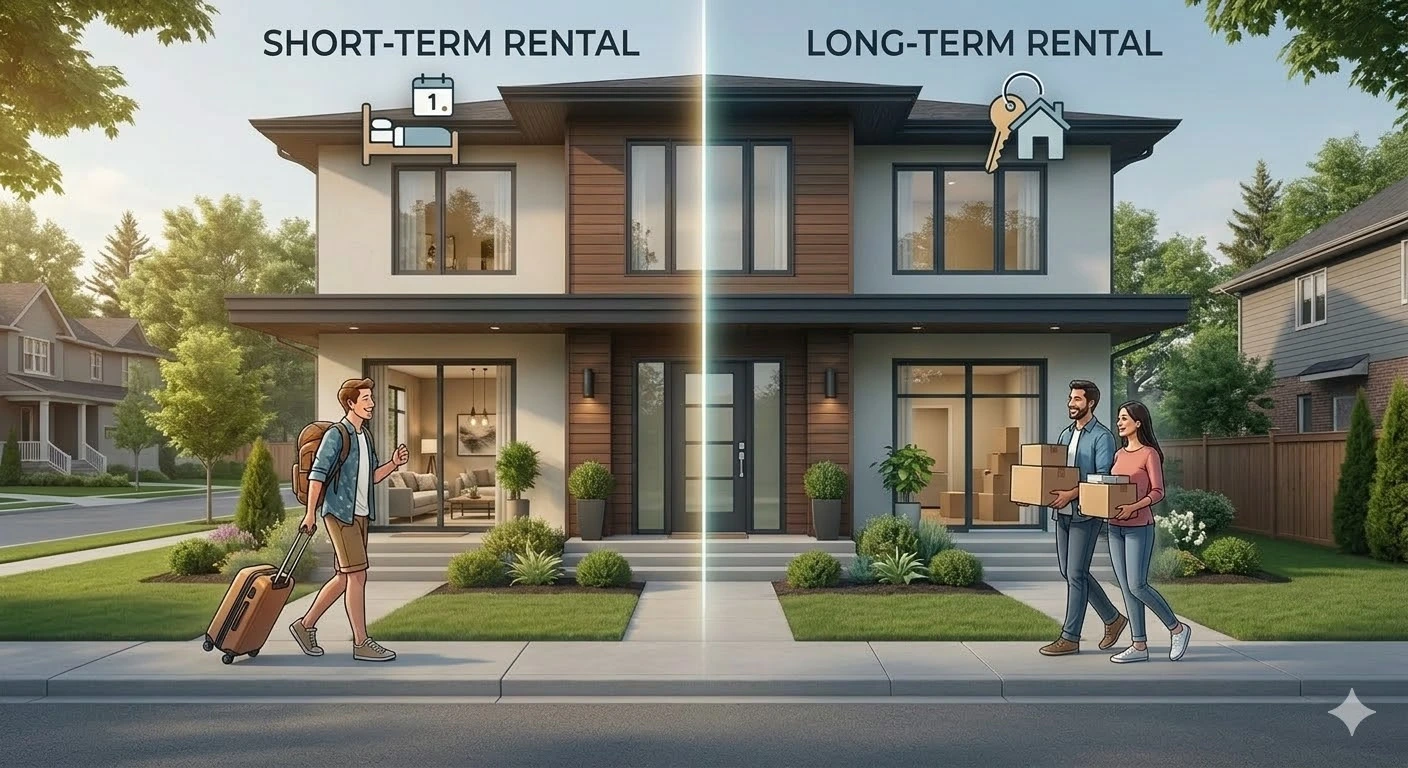
However, a growing body of anecdotal evidence and documented incidents has challenged this perception. Stories of property damage, unauthorized parties, and guest misconduct have become more common, highlighting that short-term guests can indeed cause significant problems. Furthermore, the operational costs associated with hosting short-term guests, such as providing high-speed internet, maintaining hotel-like amenities, and ensuring professional cleaning between stays, contribute to the overall expense. In 2026, the distinction between the "ideal" occupant is less clear-cut. Both short-term guests and long-term tenants require tailored management strategies and come with their own unique sets of potential issues and associated costs. Investors must realistically assess their capacity to manage these varying demands and implement robust risk mitigation strategies for both scenarios.
The Effort Equation: Active Management in Rental Properties
The notion that short-term rentals were a "passive income" strategy has largely been dispelled. Online forums and communities frequented by Airbnb and short-term rental hosts are replete with complaints from individuals who underestimated the effort required to manage a hospitality business. Operating a short-term rental effectively often transforms it into an active investment, demanding constant attention to bookings, guest communication, cleaning schedules, and property upkeep.
Similarly, being a landlord of a long-term rental property is far from passive. While the day-to-day demands might differ, significant effort is required during periods of tenant turnover, eviction proceedings, and emergency maintenance. The choice between an active short-term rental host and an active long-term landlord often comes down to personal preference and operational capacity.
Both strategies can be made more passive through the engagement of property management services. However, the cost of such services can significantly impact cash flow. Property management fees for long-term rentals typically range from 8% to 12% of monthly rental income, whereas for short-term rentals, these fees can be considerably higher, often between 15% and 25%. This financial consideration is critical for investors seeking to achieve true passive income. Ultimately, neither hosting nor traditional landlordship is inherently passive. Real estate investors must honestly evaluate their capacity for day-to-day operations and time commitment. Alternatively, incorporating property management costs into initial investment analyses is essential for projecting a truly passive rental income stream.
The Emergence of a Hybrid: Mid-Term Rentals as a Viable Alternative
The decision-making process for rental property investors is no longer a binary choice between short-term and long-term rentals. A compelling third option has gained significant traction: the mid-term rental. Typically defined as a rental property leased for a period of one to six months, and sometimes extending up to twelve months, mid-term rentals occupy a strategic middle ground. These properties are frequently sought after by traveling healthcare professionals, individuals on extended business assignments or prolonged holidays, digital nomads, and those in the process of relocating.
The unique demographic attracted to mid-term rentals dictates their success in specific locations, often including areas with a strong presence of hospitals, universities, and corporate centers. Because they fall between the short-term and long-term rental spectrum, mid-term rentals generally bypass the stringent regulations that often burden traditional short-term rentals. While short-term rentals may boast higher average daily rates, mid-term rentals often achieve higher occupancy rates. This, coupled with reduced turnover costs and fewer cleaning fees compared to short-term rentals, can lead to superior overall profitability within the same real estate market.
When contrasted with long-term rental properties, mid-term rentals offer greater flexibility and are typically furnished. Consequently, tenants are often willing to pay a premium, potentially $600 to $800 more per month than for a comparable long-term lease, for the convenience and temporary nature of the accommodation. The introduction of this third rental strategy, with its promise of consistent cash flow, necessitates a re-evaluation of investment strategies, particularly in markets where all three options are viable.
Strategic Decisions: Converting or Selling Rental Properties
For some real estate investors, 2026 represents a critical juncture for re-evaluating their existing rental property portfolios. A short-term rental that was once a lucrative asset may now be situated in an oversaturated market, leading to diminished profit margins. Alternatively, new regulations may have rendered the operation of such a business legally untenable. If an investor concludes that exiting the short-term rental market is the optimal course of action, a crucial decision must be made: convert the property to a long-term rental or sell it.
This decision is far from straightforward and requires a meticulous examination of current real estate market trends and the investor’s individual financial circumstances. Is it an opportune moment to sell, or could holding onto the property yield greater profits in the future? Can the property be maintained during a potential sale without incurring significant costs or negative cash flow? How are long-term rentals performing in the same market?
Fairweather of Redfin advises on this critical juncture: "An investor should consider selling when the property no longer justifies the complexity and risk of short-term rentals or when the capital could be better used elsewhere," she states. "This includes scenarios where the property no longer provides strong returns, market prices are favorable for a profitable sale, or escalating regulations make the short-term rental strategy unfeasible."
If market conditions permit a successful conversion to a long-term rental, Fairweather offers practical guidance: "If converting makes sense, focus on these four things: understanding the long-term rental market in your area, adapting your property to meet long-term tenant needs, establishing a competitive rental price based on market data, and preparing for the tenant screening and leasing process. Long-term rentals offer predictability over upside. Treat the conversion as a strategic business decision."
Conclusion: Data-Driven Decisions in a Evolving Market
The real estate investment landscape, encompassing both short-term and long-term rental markets, has undergone significant shifts. However, the fundamental principle of opportunity remains constant. Real estate investment opportunities are abundant, but the year 2026 demands a more discerning approach, guided by robust data and strategic foresight. Whether an investor remains committed to a specific strategy or explores new avenues, identifying the right real estate market and the most suitable property for that strategy is paramount. Leveraging advanced tools and comprehensive market data is no longer a luxury but a necessity for making informed decisions that align with current market realities and maximize return on investment. The future of rental property investment lies in adaptability, diligent research, and a data-driven approach.

