
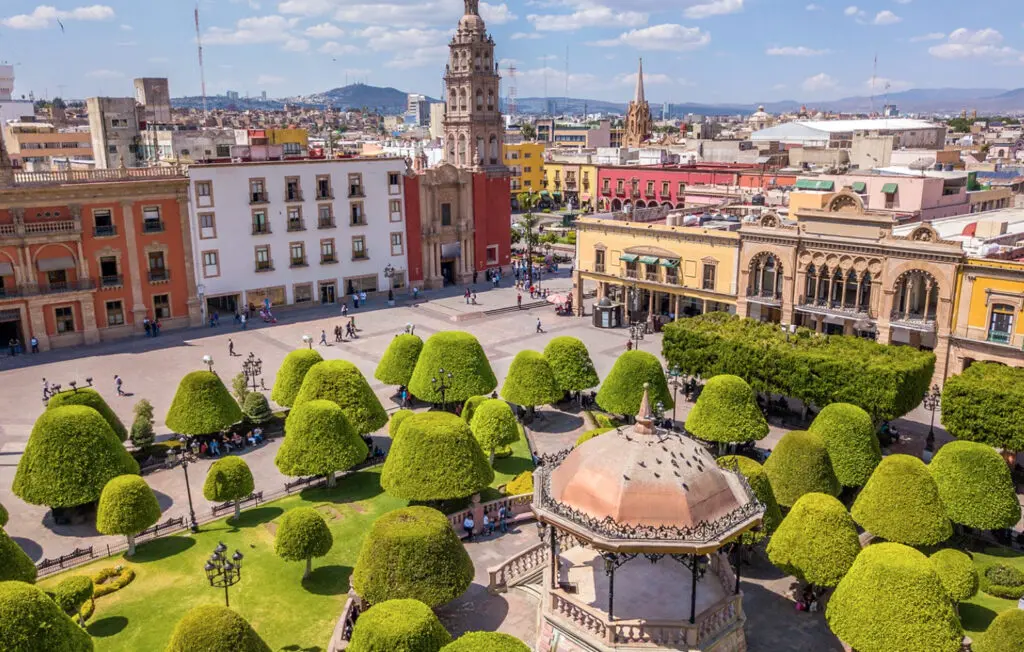
The decision to retire abroad, once a niche pursuit for a select few, is increasingly becoming a tangible aspiration for Americans seeking a richer, more fulfilling post-career life. Anne Nicolai, a seasoned writer and entrepreneur, made this leap in 2008, trading her corporate career and Minnesota residence for a vibrant life as a freelance writer and karaoke host in San Miguel de Allende, Mexico. Her extensive experience, spanning over 14 years, offers invaluable insights into the realities and rewards of expatriate retirement. Nicolai, who also helms MoveToMexico.org, shared her foundational learnings with Bev Bachel, highlighting key aspects that resonate with the growing trend of Americans embracing life beyond their native borders.
The Unforeseen Wellspring of Personal Capability
One of the most profound lessons Nicolai discovered upon her arrival in Mexico was the latent strength and adaptability within herself. Initially, the challenges of navigating a new linguistic and cultural landscape were significant. "I stumbled over the few Spanish phrases I knew, struggled to convert pesos to dollars in my head and wistfully watched the spinning salsa dancers, wishing I had rhythm," Nicolai recounted. This initial period of adjustment, marked by basic communication hurdles and financial disorientation, is a common experience for many new expatriates.
However, over time, Nicolai’s linguistic skills blossomed, transforming her from a hesitant Spanish speaker into a fluent bilingual individual. Her financial acumen evolved from mental arithmetic to an intuitive understanding of the local economy, as she now "earn[s], spend[s] and think[s] in pesos, not dollars." This shift is emblematic of a broader psychological adaptation where the necessity of functioning in a new environment unlocks previously unrecognized cognitive and practical abilities.
Beyond language and finance, Nicolai’s experience highlights the triumph over complex bureaucratic systems. The process of securing and renewing her temporary residency visa, which involved nine separate visits to the immigration bureau for a single renewal, tested her patience and perseverance. Ultimately achieving permanent residency, often referred to as a "green card" in the U.S. context, represents a significant administrative accomplishment. Furthermore, her repeated solo road trips between San Miguel and Minneapolis, a journey spanning thousands of miles and demanding self-reliance in the face of potential navigational challenges and even instances of bribery, served as powerful catalysts for personal growth. These experiences, she noted, "stretched my comfort zone," demonstrating that retirement abroad often necessitates and fosters an expansion of personal boundaries.
The Calculated Security of Community
The decision to relocate to a foreign country invariably brings considerations of safety and security to the forefront. Mexico, like many developing nations, presents certain realities that necessitate heightened vigilance. Nicolai points to common security measures such as decorative ironwork on windows and doors, and mortar-embedded broken glass or razor wire atop garden walls, all designed to deter intruders. The commonplace understanding that personal electronic devices are vulnerable to theft if left unattended in vehicles underscores the need for constant awareness. Similarly, navigating unfamiliar streets after dark requires careful consideration of well-lit routes, especially when traveling alone.
However, Nicolai’s research and personal experience reveal a critical mitigating factor: the presence of a substantial expatriate community. In diverse locations globally, from China and Nigeria to Ecuador and Mexico, established expat enclaves often develop their own informal and formal security infrastructures. In San Miguel de Allende, this includes English-speaking emergency services and a direct hotline to the American consular agency, providing a crucial safety net for expatriates.
Moreover, the integration of expatriates into the local fabric often leads to increased communication and mutual understanding. As communities become accustomed to interacting with foreigners, a greater prevalence of English speakers emerges, facilitating smoother daily exchanges. Nicolai herself chooses to reside in an entirely Spanish-speaking neighborhood, a testament to her deep immersion and comfort within the local culture. Her definition of safety transcends physical barriers; it is rooted in strong neighborly relationships, fostering a sense of mutual support and trust where she feels confident seeking assistance from those around her. This emphasis on community solidarity is a recurring theme in successful expatriate retirements, demonstrating that while individual precautions are necessary, collective security through social cohesion plays an equally vital role.
The Ubiquitous Reach of Modern Technology
In an era of rapid technological advancement, the geographical distance inherent in expatriate living is significantly diminished. Nicolai emphasizes that technology acts as a powerful connective tissue, enabling retirees to maintain robust ties with loved ones back home and engage with their new communities. The widespread availability of high-speed internet and affordable mobile services globally means that, regardless of location, communication remains seamless.
Applications like WhatsApp, Duo, and Facetime provide free voice and video calling capabilities, allowing for real-time celebrations of significant life events, such as birthdays and holidays, with grandchildren. This digital connectivity bridges the miles, fostering a sense of presence and involvement in family life. Furthermore, telemedicine has emerged as a transformative solution, offering virtual consultations with healthcare professionals, thus mitigating concerns about accessing medical care from afar. Financial management is also streamlined, with online bill payment systems and the direct deposit of Social Security benefits into foreign bank accounts, convertible into either dollars or local currency, simplifying financial logistics for retirees.
Beyond personal connections, technology serves as an indispensable tool for navigating and integrating into the new environment. In San Miguel, online platforms like Facebook host expat forums that disseminate vital information ranging from local events and social gatherings to practical alerts about crime and opportunities for purchasing specialized goods. Navigational applications such as Google Maps and Waze, when paired with reliable internet access, provide invaluable assistance for daily errands, guiding users to shops, restaurants, and public transportation hubs. This digital ecosystem empowers expatriates with the information and resources needed to thrive independently in their chosen locales.
The Transformative Power of Cultural Immersion
The allure of retiring abroad often extends beyond practical considerations to a deeper yearning for personal transformation. For Nicolai, the move to Mexico was driven by a desire for more sunshine, vibrant color, ethnic diversity, and the intellectual stimulation of learning a new language. Her life in Minnesota was characterized by the "Type A" American consumerist culture, marked by significant material possessions and a fast-paced lifestyle.
Living in Mexico for over a decade has profoundly reshaped her perspective, instilling a greater appreciation for patience, humility, and simplicity. Her consumer habits have shifted dramatically; the need to acquire non-essential goods has diminished, with her focus primarily on sustenance and her passion for karaoke music. Her wardrobe, largely consisting of items brought from her previous life, remains functional, partly due to a lifestyle that encourages more walking, dancing, and healthier eating – common byproducts of expatriate life in many regions. This observation is echoed by fellow expatriates worldwide, suggesting a universal benefit of cultural immersion in fostering a more mindful and balanced existence. The intellectual challenge of adapting to a new cultural paradigm and the daily negotiation of different social norms contribute to a more profound understanding of oneself and the world.
The Unfettered Freedom to Reassess and Return
A crucial, yet often overlooked, aspect of expatriate retirement is the inherent flexibility and the absence of irreversible commitment. Nicolai highlights that the decision to retire abroad is not a final, unalterable path. She observes numerous expatriate retirees, some in their eighties and nineties, who have lived in Mexico for decades. Equally, she notes a significant number of individuals who, after selling their assets and relocating, have subsequently decided to return to their home countries. These decisions are often prompted by evolving health needs, a desire to be closer to family, or simply a change in personal preference.
The journey of expatriate retirement, therefore, is best characterized as an exploration rather than a definitive destination. Nicolai posits that there is no single "right" way to retire, no perfect timing, and no universally ideal location. The process is one of continuous learning, experimentation, and adaptation, devoid of notions of outright success or failure.
For Nicolai, Mexico has become her home, though she acknowledges the possibility of living in the United States again in the future. Her current plan is to remain in Mexico, a decision shaped by her experiences and evolving life stage. The motivation for her move was primarily to escape the harsh Minnesota winters and embrace a new adventure. This spirit of reinvention and personal growth is a common thread among those who choose to live abroad, whether to heal from past traumas, pursue artistic endeavors, or simply seek a fresh start. The consistent visits from friends and family have ensured she has never felt isolated. Crucially, Nicolai emphasizes the power of individual agency: if she were to decide tomorrow to return to her origins or explore another part of the world, the freedom and capability to do so would remain. This fundamental truth empowers individuals to embark on their expatriate journey with confidence, knowing that the path is not a one-way street. The concept of an expatriate, defined as an individual living outside their native country, embodies intellectual curiosity and an adventurous spirit, irrespective of their citizenship status or their ongoing connection to their homeland.

