
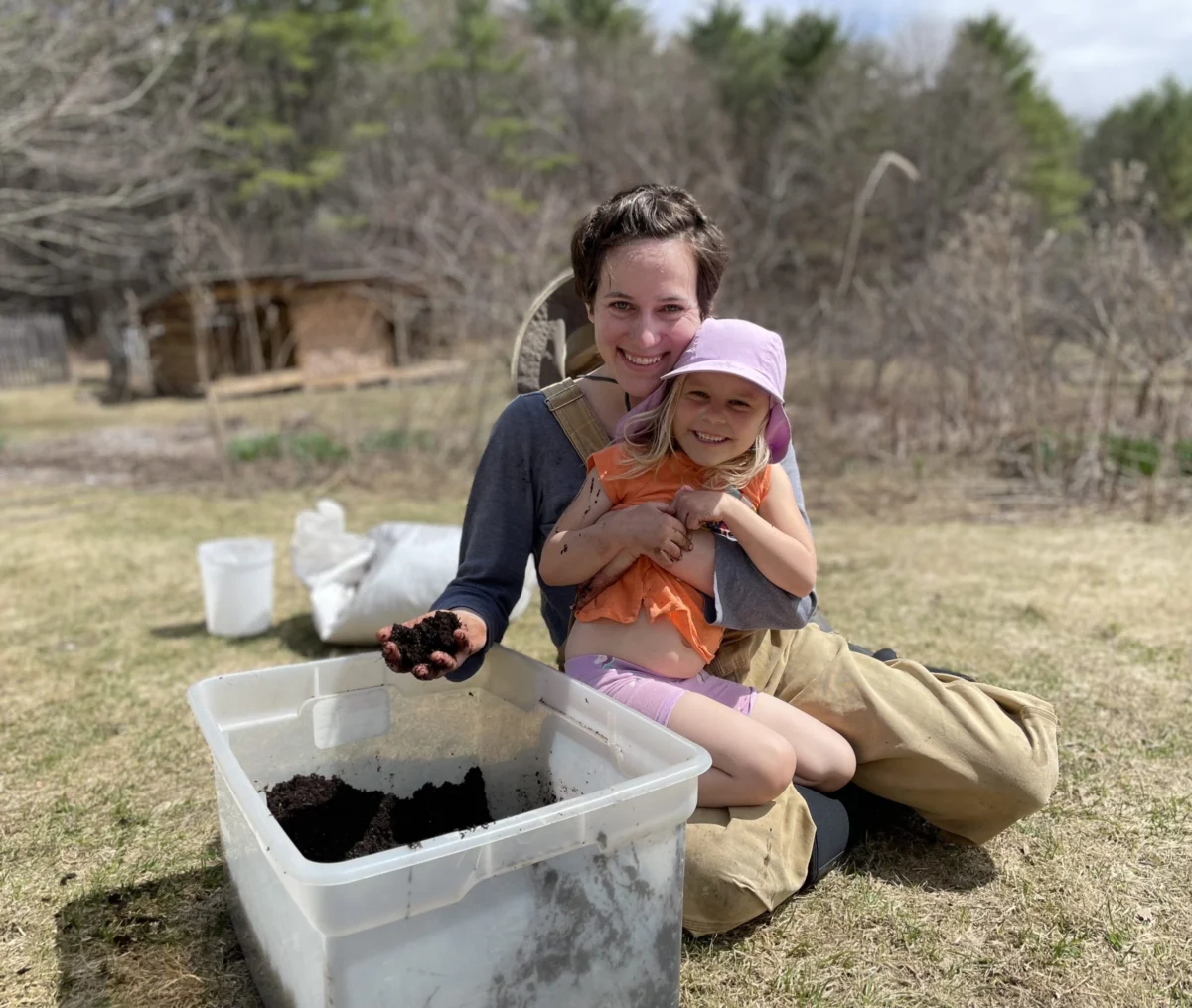
The transition from urban professional life to rural self-sufficiency represents a growing demographic shift in the United States, yet the practical challenges of this lifestyle often diverge significantly from idealized expectations. In May 2016, the founders of the Frugalwoods project, a prominent personal finance and lifestyle brand, relocated from an urban center to a 66-acre homestead in rural Vermont. Their seven-year journey provides a comprehensive case study on the economic, physical, and psychological realities of attempting total food self-sufficiency. While the initial objective was to produce the entirety of their caloric and nutritional needs through gardening and animal husbandry, the reality of the labor-to-yield ratio has led to a strategic pivot toward a hybrid model of homesteading. This model prioritizes manageable production and community-based agricultural support over the absolute independence originally envisioned.
A Chronology of the Transition to Rural Vermont
The relocation to the Vermont woods was predicated on a multi-year financial plan designed to exit the traditional "rat race" of urban employment. Upon acquiring the 66-acre property, the family entered an intensive experimentation phase. Between 2016 and 2018, the homesteaders invested heavily in infrastructure and biological capital, including the planting of perennial fruit trees and the establishment of large-scale annual vegetable plots.
The initial years were characterized by an "all-consuming" approach to production. The family pursued a variety of agricultural interests, including the potential for raising meat chickens, pigs, goats, and dairy cows. However, as the infrastructure matured, the operational demands of these pursuits began to clash with the family’s primary goal of achieving time-freedom and a reduced stress profile. By 2018, the scale of production reached a critical inflection point, leading to a reevaluation of the "total self-sufficiency" myth.
The 2018 Labor Crisis and the Kale Apocalypse
The most significant turning point in the homestead’s history occurred during the summer of 2018, an event now referred to as the "Kale and Chard Apocalypse." During this season, the family successfully cultivated 80 individual kale and chard plants from seed. While the crop was biologically successful, the logistical requirements for harvesting and preservation proved overwhelming.
The processing of this single harvest required several days of intensive labor, involving multiple rinsing stations—including the use of a child’s wading pool—blanching, de-stemming, and vacuum-sealing for freezer storage. Despite the high volume of production, a significant portion of the preserved food was never consumed, eventually reaching its expiration date and being diverted to the compost system. This event served as a practical demonstration of the inefficiencies inherent in small-scale, high-volume home production without industrial-grade processing equipment or a dedicated labor force. It highlighted a critical flaw in the homesteading ideal: when production exceeds the household’s capacity to process and consume, the "frugal" benefit is negated by the loss of time and resources.

Data and Economic Context of the Homesteading Movement
The experience of the Vermont homesteaders aligns with broader agricultural data regarding small-scale farming in New England. According to the U.S. Department of Agriculture (USDA), Vermont has one of the highest concentrations of small farms per capita in the nation. However, the economic viability of these ventures often depends on specialization rather than total diversification.
Data suggests that for a single family to be truly self-sufficient in food, they would need to dedicate approximately 40 to 60 hours per week to agricultural labor during the growing season. In the Vermont context, the growing season is relatively short, typically spanning from late May to September. This creates a "labor bottleneck" where harvesting, preserving, and preparing for winter must happen simultaneously. For the Frugalwoods family, the realization that they were "chaining themselves to the garden" in a manner similar to their former office desks led to the adoption of a more sustainable, less intensive approach.

Current Agricultural Infrastructure and Production Methods
As of May 2023, the homestead has stabilized into three distinct production zones, each designed to balance yield with labor input.
1. Proximate Raised Beds
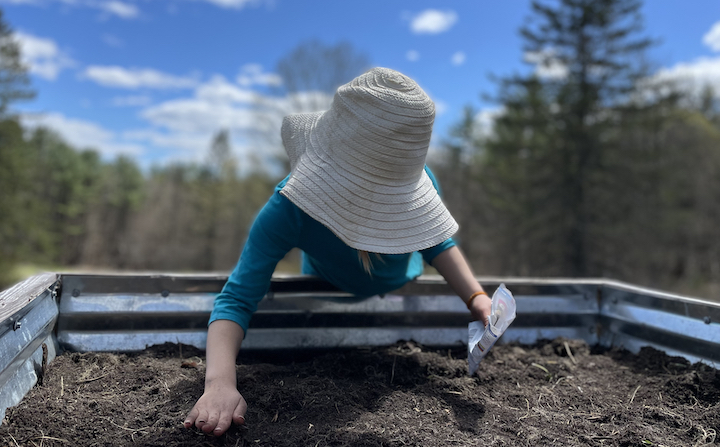
In 2020, the family transitioned a portion of their production to four raised beds located immediately adjacent to the primary residence. This "kitchen garden" model focuses on high-use, low-maintenance crops such as strawberries, herbs (parsley, sage, rosemary, thyme, chives, and cilantro), and salad greens. The proximity to the house reduces the "barrier to harvest," ensuring that the food grown is actually utilized in daily meal preparation.

2. The Fenced Annual Garden
The "big" vegetable garden remains the center for annual crop production. This area utilizes cattle panels as vertical trellises for tomatoes, snap peas, and beans—a method that significantly reduces the labor required for individual plant staking. The family also utilizes this space for squash, cucumbers, peppers, and pumpkins. Notably, the family has integrated educational goals into this space, assigning individual rows to their children to foster agricultural literacy and responsibility.
3. Perennial Fruit Management
The homestead features an extensive array of perennial crops, including apple, pear, plum, and cherry trees, as well as blueberry, elderberry, and raspberry bushes. While these require less annual labor than vegetables, they are subject to significant environmental and biological pressures.

Biological Challenges and Wildlife Interference
A recurring obstacle in the homestead’s production is the "Clever Varmint Patrol" (CVP), a term used to describe the local wildlife population that competes for harvests. Despite the use of fences, netting, and chicken-wire cages, the family reported that wild animals frequently harvest fruit the moment it reaches peak ripeness.
Specific incidents include:

- Avian Interference: A flock of wild turkeys became trapped within the fenced blueberry patch, requiring manual extraction and highlighting the limitations of standard fencing against determined wildlife.
- Total Crop Loss: In several seasons, the entirety of the plum and cherry harvests was lost to foragers, illustrating the volatility of depending on home-grown fruit in a high-biodiversity environment.
- Climate Volatility: The Vermont climate presents ongoing risks, including late spring frosts that can kill blossoms and early autumn freezes that can truncate the harvest window.
The Shift Toward Community-Based Agriculture
A key element of the family’s evolved philosophy is the deliberate support of local professional farmers. Rather than viewing the purchase of food as a failure of homesteading, the family now views it as an investment in the local rural economy. Professional farmers possess the specialized equipment, soil management expertise, and labor structures necessary to produce staples—such as grains, dairy, and meat—more efficiently than a single household.
This shift reflects a broader trend in the "modern homesteading" movement: the move from isolationist self-sufficiency to community interdependence. By purchasing from neighbors, the family reduces their own labor burden while ensuring the survival of the local agricultural infrastructure that makes rural living viable.

Psychological Implications and the "Perfection Trap"
The transition from 2016 to 2023 involved a significant psychological adjustment. The "Mrs. Frugalwoods" persona, which initially sought to emulate a modern-day Laura Ingalls Wilder, eventually identified a "homesteading guilt" associated with unweeded gardens or unpreserved harvests.
Journalistic analysis of the "back-to-the-land" movement often identifies a high rate of burnout among new homesteaders who attempt to do too much too soon. The Frugalwoods’ experience suggests that the pressure for "perfection" in a hobby or lifestyle choice can become as taxing as a corporate career. The family’s decision to "grow a little bit of this and a tidbit of that" represents a rejection of the performative aspects of homesteading in favor of genuine quality of life.

Broader Impact and Implications for Future Homesteaders
The seven-year retrospective of the Vermont homestead provides several critical takeaways for those considering a similar move:
- Infrastructure vs. Operation: Building a homestead (fences, beds, planting) is a distinct phase from maintaining it. The latter is a perpetual, full-time commitment.
- Diminishing Returns of Preservation: The time and energy required to preserve food can often outweigh the cost-savings, especially if the household cannot consume the volume produced.
- The Value of Specialization: It is often more sustainable to grow a few things well and trade or buy the rest from specialists.
- Wildlife and Weather: These are non-negotiable variables that can negate months of labor in a single night.
In conclusion, the Frugalwoods’ journey from urbanites to "balanced" homesteaders underscores that the true value of rural life may not be found in total independence, but in the freedom to choose how one’s time is spent. By abandoning the "all-or-nothing" approach to food production, the family has secured a more sustainable and less stressful existence, proving that in the modern era, the most successful homestead is often the one that knows its limits.

