
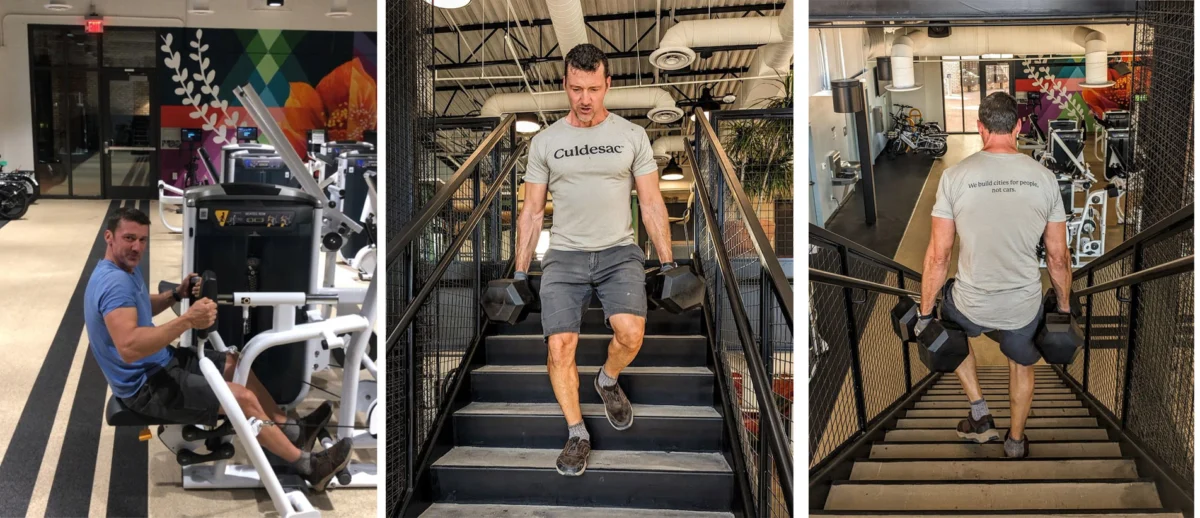
After nearly two decades in early retirement, a period often idealized as the pinnacle of personal freedom and self-actualization, a surprising challenge has emerged for some long-term retirees: the unexpected erosion of intrinsic motivation. While the initial years often brim with purposeful activity, the boundless freedom that defines early retirement can, paradoxically, become a double-edged sword, leading to a decline in drive and an increased susceptibility to procrastination. This phenomenon, observed in a prominent voice within the Financial Independence, Retire Early (FIRE) movement, highlights a crucial, often overlooked aspect of post-career life: the ongoing need for self-discipline and purpose.
The Initial Promise and Subsequent Shift in Early Retirement
For many, the aspiration of early retirement is to liberate oneself from the conventional demands of a 9-to-5 existence, creating space for passions, family, health, and community engagement. The initial phase of this lifestyle often sees individuals thriving, channeling previously constrained energy into deeply valued activities. For instance, the individual at the center of this observation recounts devoting thousands of hours to raising a son, engaging in extensive home building and restoration projects, undertaking adventurous travels, delivering public talks, creating videos, and consistently producing hundreds of blog posts. This period epitomifies the ideal of early retirement: a life rich with chosen endeavors and devoid of the compromises often necessitated by traditional employment.
However, as years turn into nearly two decades, a subtle but significant shift can occur. The relentless pursuit of self-directed projects can wane, replaced by a growing inertia. The once-intense focus on productive tasks gives way to increasing difficulty in self-wrangling and concentration. The drive to embark on new construction projects or complete compelling articles diminishes, supplanted by a growing inclination towards passive leisure, such as extended periods on the couch, seeking distraction through digital devices. This transition from active engagement to passive consumption represents a critical juncture, raising questions about the long-term psychological sustainability of unstructured freedom.
The Spectrum of Freedom’s Impact
The impact of total freedom and financial independence on individuals is not uniform; it acts as a powerful revealer of inherent strengths and weaknesses. The spectrum of outcomes is vast, ranging from profound societal contributions to debilitating idleness. At one end, some early retirees channel their resources and time into establishing and managing large-scale non-profit foundations, spearheading medical research, or investing in clean energy initiatives, creating jobs and driving significant progress. These individuals exemplify the highest ideals of self-actualization, leveraging their freedom for broad positive impact.
Conversely, at the other end of the spectrum lies a trajectory towards unproductive self-indulgence, characterized by excessive consumption and a lack of meaningful engagement. For the majority, however, the experience falls somewhere in between, often oscillating between periods of high productivity and phases of reduced drive. The challenge lies in maintaining the balance and continually finding purpose when external pressures are absent. Studies on retirement satisfaction often indicate that those who maintain strong social connections, engage in meaningful activities, and possess a sense of purpose tend to report higher levels of well-being. A lack of structured activity or a clear personal mission can, conversely, lead to feelings of ennui, decreased mental acuity, and even depression, a phenomenon sometimes referred to as "post-retirement malaise."
Unmasking the Mechanism of Self-Sabotage
The observed decline in motivation is not necessarily due to a lack of knowledge regarding beneficial activities. On the contrary, many early retirees, including the subject of this analysis, actively engage in learning about health, wellness, and productivity. Insights into effective daily habits, the perils of excessive comfort, and the importance of physical activity are readily acquired. The core issue, however, often lies in the consistent application of this knowledge. Despite understanding the benefits, the brain frequently invents excuses to avoid consistent action, leading to an accumulation of wisdom with insufficient tangible accomplishment.
The critical realization, emerging after years of this pattern, is that the very advantage of freedom—the ability to avoid anything one doesn’t want to do—was being inadvertently transformed into a disadvantage. This freedom was being used as a shield against discomfort and effort, rather than as a catalyst for pursuing higher-value, albeit more challenging, endeavors. True freedom, in this context, is not merely the absence of external compulsion but the internal discipline to choose activities that are more valuable than the obligations one has shed. If freedom is merely used to replace structured work with passive distraction, its transformative potential remains unrealized.
This self-sabotage manifests in a distinct pattern: prioritizing easy, agreeable tasks while consistently deferring more demanding activities that require greater planning, energy, or focus. Even when these harder tasks are known to lead to the most profound satisfaction and improvements in quality of life, the path of least resistance often prevails.

The "Hesitation Moment" as a Trigger for Action
A pivotal shift in addressing this motivational deficit involves re-framing the internal dialogue around challenging tasks. Consider the example of physical exercise, an activity widely recognized for its profound, multifaceted benefits across all aspects of life. The traditional approach often involves a protracted internal negotiation: desiring a workout, acknowledging the discomfort, attempting to "grease the wheels" by optimizing conditions (perfect timing, high energy, pre-set gym), and then waiting for that elusive "golden moment" of ideal readiness. This strategy, while seemingly logical, frequently leads to inconsistency, with workouts becoming sporadic or entirely missed, resulting in subpar fitness levels.
The breakthrough lies in a radically different approach: identifying the precise "moment of hesitation." Instead of allowing this hesitation to trigger a cascade of excuses and delays, it is consciously re-interpreted as an immediate call to action. The internal monologue transforms from "I want to work out, but I don’t feel like it, so I’ll wait for ideal conditions" to "I want to work out. I don’t feel like it. AHA! This is my signal to act now." This immediate pivot from internal resistance to external action bypasses the self-sabotaging loop, forcing engagement before excuses can fully form. This counterintuitive strategy, once mastered, becomes a powerful tool for overcoming procrastination across various domains. The moment of aversion or reluctance is no longer a deterrent but a direct prompt for initiation, making hesitation itself the ultimate life coach.
The Influence of Extreme Discipline: Learning from High Achievers
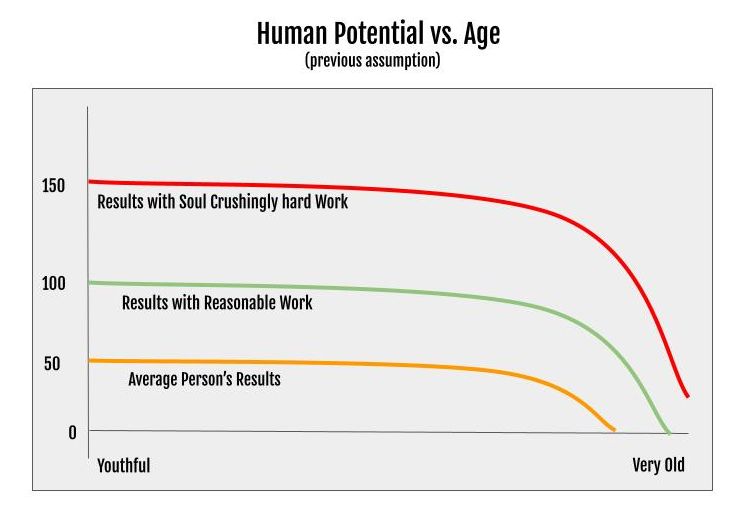
While individual introspection is crucial, external inspiration often plays a catalytic role in such transformations. The exposure to individuals who operate at the extreme edges of human discipline can profoundly reframe personal perceptions of possibility. Figures like David Goggins, a former Navy SEAL, ultra-endurance athlete, and motivational speaker, serve as potent examples. Goggins’ life story, marked by severe childhood trauma and a relentless, almost compulsive pursuit of overcoming extreme physical and mental hardship, challenges conventional notions of human limits. His accomplishments, which include pushing through multiple near-death experiences to qualify for the SEALS, running hundreds of miles with severe injuries, and setting world records for pull-ups (4,025 in 24 hours), are awe-inspiring and, for many, almost horrifying in their intensity.
While few would aspire to replicate Goggins’ punishing regimen, his philosophy provides a critical insight: many perceived barriers are psychological constructs rather than inherent physical or external limitations. His mantra, "You already f*kin’ know what to do," directly confronts the self-deception inherent in procrastination. This perspective, amplified by other thought leaders in discipline and performance like Peter Attia (author of Outlive) and Jocko Willink (co-author of Extreme Ownership*), underscores the vast, often untapped reservoir of human potential. These individuals, through their lived experiences and teachings, demonstrate that discipline is not merely a trait but a skill that can be cultivated, even in the face of immense internal resistance. Their impact on the observer is not to demand replication of their extreme feats, but to expand the perceived ceiling of what is achievable, making personal, ambitious goals seem far more attainable.
Tangible Results and Broader Implications
The practical application of this "hesitation-as-trigger" principle, fueled by such external inspiration, has yielded immediate and tangible results for the early retiree. In the fitness domain, consistent daily workouts, previously a struggle, became the norm. This shift in attitude and execution led to significant physical improvements, including a gain of ten pounds of lean muscle mass within four months and a return to strength and flexibility levels reminiscent of a much younger age. Beyond physical gains, the technique has been successfully applied to other areas, such as increasing running frequency, boosting engagement at co-working spaces for productive work and social interaction, and enhancing consistency in creative pursuits like writing.
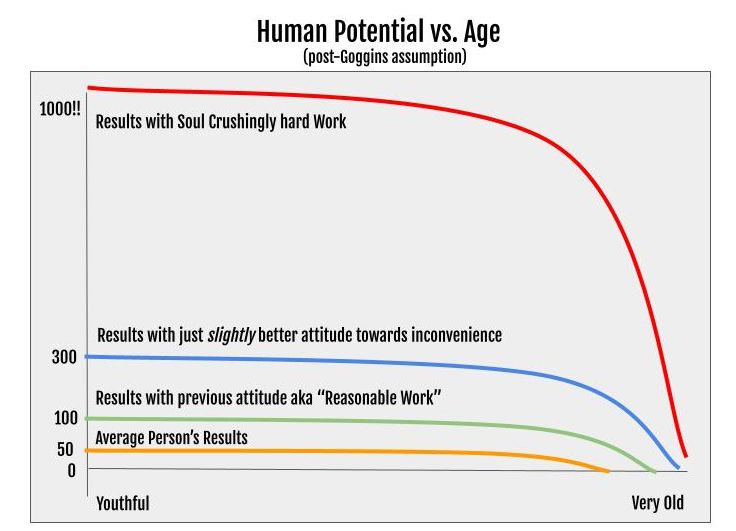
This experience carries broader implications, particularly for the FIRE movement and the general discourse on productivity and well-being. It underscores that achieving financial independence is merely one step; the subsequent challenge is to cultivate a robust internal framework for sustained purpose and discipline. The narrative of early retirement needs to evolve beyond purely financial metrics to encompass psychological readiness and strategies for navigating unstructured time. True freedom, it appears, is not the absence of demands but the intentional cultivation of the discipline to meet self-imposed, valuable demands.
The continuous "refilling of the inspiration tank" through exposure to disciplined, high-achieving individuals and their philosophies remains vital. While some critics may dismiss certain sources as "bro science" or "toxic masculinity," the pragmatic approach involves extracting applicable principles and discarding what doesn’t resonate. The goal is to find voices and examples that encourage higher aspirations and provide the energy to act, tailoring these influences to one’s specific life phase and objectives.
Ultimately, the journey through early retirement reveals that the human need for purpose and challenge persists, irrespective of financial status. The ability to harness freedom for meaningful endeavors, rather than allowing it to foster complacency, hinges on a cultivated discipline. This discipline transforms moments of internal resistance into triggers for action, unlocking greater potential and leading to a more engaged, fulfilling life, even when external obligations are entirely absent.

