
In a significant update for the financial independence community, Mr. Money Mustache (MMM), the influential blogger and progenitor of the Financial Independence, Retire Early (FIRE) movement, recently concluded a two-year personal spending experiment, revealing an unexpected outcome that challenges conventional notions of frugality in early retirement. Initiated in 2023 with a deliberate shift towards increased spending—most notably marked by the purchase of a Tesla Model Y—the experiment sought to explore life with an "abundance mindset" after years of disciplined savings. The recent audit of his 2024 expenditures indicates that despite a conscious effort to loosen his financial reins, his annual spending remains remarkably modest, increasing from approximately $20,000 to around $30,000, excluding housing costs. This revelation provides a compelling case study on the ingrained habits of long-term frugality and the evolving definition of wealth for those who have achieved financial freedom.
Background: The Genesis of Mr. Money Mustache and the FIRE Movement
Mr. Money Mustache, pseudonym of Peter Adeney, gained widespread prominence in the early 2010s through his blog, which advocated for extreme frugality, high savings rates, and a lifestyle designed to achieve financial independence and early retirement. His philosophy, rooted in questioning consumerism and optimizing expenses, resonated deeply with a growing demographic seeking an alternative to the traditional career path. He became a leading voice in the FIRE movement, inspiring millions to rethink their relationship with money, work, and consumption.
A cornerstone of his early teachings was the concept of living on a significantly reduced budget, often cited as $20,000 to $25,000 per year for a family, enabling individuals to retire early by accumulating an investment portfolio 25 times their annual expenses. This radical approach often involved eschewing new cars, minimizing housing costs through paid-off mortgages, and adopting a do-it-yourself ethos for home maintenance and repairs.
However, in April 2023, MMM published a blog post titled "Why Buy Model Y?", detailing his decision to purchase a Tesla. This move, a departure from his previously stated aversion to expensive new vehicles, was framed as the first step in a deliberate effort to increase his spending, driven by a desire to experience greater abundance after years of strict frugality. For some long-time followers, this represented a perceived "credibility loss," as it seemed to contradict the very principles he had long championed. Yet, MMM presented it as a natural evolution for someone who had long surpassed their financial independence goals and was now exploring the next phase of life.

The "Abundance Mindset" Experiment: Two Years of Intentional Spending
Following the Tesla purchase, the subsequent two years saw Mr. Money Mustache actively embrace what he termed an "abundance mindset." This involved a conscious effort to prioritize experiences and convenience, a stark contrast to his earlier hyper-optimized, cost-conscious approach. His lifestyle adjustments included:
- Elevated Travel Experiences: Opting for hotels based on "niceness" rather than "cheapness," and choosing "reduced torture" seats on airplanes, indicating a preference for comfort and quality over minimal expense. Travel expenses constituted a significant portion of his increased budget, including business travel for conferences like Camp Fi.
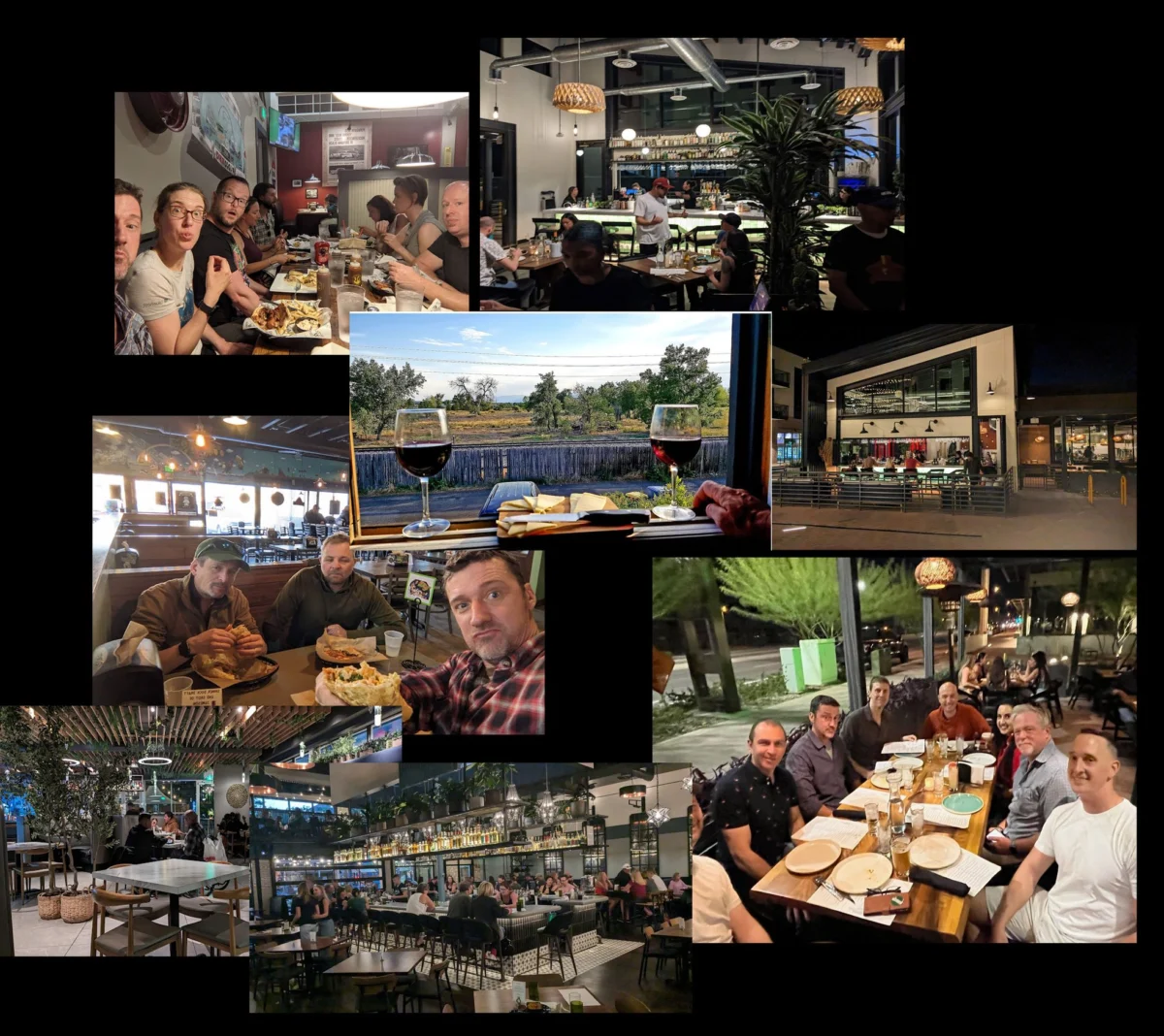
- Enhanced Culinary Experiences: Dining out in "stylish restaurants" more frequently, moving away from utilitarian eating towards experiential dining.
- Flexible Grocery Shopping: Less concern about price differences, exemplified by shopping at Whole Foods even if it meant "paying double" compared to his usual wholesale clubs like Sam’s Club and Costco (for which he maintains memberships at both).
- Cultural and Social Engagements: Engaging in late-night EDM concerts with his son and visiting three Meowwolf immersive art venues, including a Christmas Day road trip from Tempe, Arizona, to Las Vegas.
- Expanded Social Life: During a period as a single man, he maintained an open schedule to meet friends, explore new places, and foster new connections.
These changes were undertaken with a clear intention to experience a fuller life, reflecting a belief that as a financially independent individual, he was justified in enjoying the fruits of his labor. The philosophy shifted from strict optimization to a more fluid engagement with spending, driven by a pursuit of enjoyment and novel experiences.
The Financial Audit: Unveiling the Figures
Despite the pronounced shift in spending habits, Mr. Money Mustache initially avoided meticulously tracking his expenditures, prioritizing the experience of abundance over the strict adherence to a budget. The catalyst for the recent audit came through an informal coaching session with a friend, where both decided to tally their spending for the past year for comparative analysis.
The results, once compiled into a detailed spreadsheet, surprised even MMM himself. While his overall spending had indeed increased, particularly in travel-related categories, the net effect on his annual budget was less dramatic than anticipated. His spending rose from a baseline of approximately $20,000 to roughly $30,000 annually. This figure notably excludes housing costs, as his primary residence is fully paid off.
To put this in context, a $30,000 annual spending level can typically be sustained by an investment nest egg of $1 million, applying the widely accepted 4% safe withdrawal rate (SWR). Given that Mr. Money Mustache’s investments are "quite a bit higher than that," especially following recent years of "crazy economic growth and the never-ending stock market rally," his current spending remains well within the bounds of sustainable financial independence, leaving him "way under budget" relative to his actual portfolio size.
Detailed Spending Breakdown (2024):
The comprehensive breakdown of his 2024 expenses, categorized across personal and business cards, revealed the following:
| Category | From Personal Card | From Business Card | Total | Details |
|---|---|---|---|---|
| Groceries | $5,465.56 | $494.83 | $5,960.39 | For him + young adult son about half the time + guests. Reflects a slight increase in quality and variety of purchases. |
| Restaurants | $2,145.11 | $98.48 | $2,243.59 | Dedicated to "special fun" experiences rather than mere sustenance. This category saw a notable increase compared to previous years. |
| Travel | $3,982.00 | $2,176.77 | $6,158.77 | Includes personal leisure travel and business travel for events such as Camp Fi and other conferences, indicating a blended approach to exploration and professional engagement. |
| Utilities | $1,909.51 | $0 | $1,909.51 | Standard household utilities. |
| Amazon/House | $949.64 | $2,604.46 | $3,554.10 | Approximately 75% of the business portion was for construction materials reimbursed via invoice for client projects (often friends), reflecting his ongoing engagement in home improvement and community support. |
| Booze | $250.67 | $0 | $250.67 | Primarily for entertaining guests, indicating a social component to his lifestyle. |
| Healthcare | $813.20 | $2,723.46 | $3,536.66 | A combination of Direct Primary Care (DPC) and health sharing (Sedera), plus advanced blood tests for screening. This represents a proactive approach to health management. |
| Automobile | $2,191.68 | $233.53 | $2,425.21 | Covers car insurance and registration for his Tesla Model Y. This figure does not include depreciation, a common omission in personal budgets but a real cost of vehicle ownership. |
| Phone + Internet | $0 | $1,410.56 | $1,410.56 | Includes $50 for Gigabit Internet and approximately $25-30 monthly for his Google Fi mobile service, demonstrating value-conscious choices even within an "abundance" framework. |
| Property Taxes | $2,577.30 | $0 | $2,577.30 | Remarkably reasonable for his neighborhood, given typical property values of $500,000-$600,000, underscoring the benefits of a long-established, stable living situation. |
| TOTAL | $20,284.67 | $9,742.09 | $30,026.76 |
Comparing this to his 2019 spending report, the increase is modest, especially considering the significant inflation observed in recent years. While travel and entertainment expenses rose, home renovation costs decreased, partly due to his increased time away from home. The healthcare category represents a new significant expense, as he was self-insured prior to 2019.
Strategic Savings: Housing and Healthcare
Mr. Money Mustache’s budget continues to highlight two major areas of strategic savings that are largely absent for most American households: housing costs and traditional health insurance premiums.
- Housing: His home is fully paid off, eliminating mortgage payments, which are typically the largest expense for individuals and families. Furthermore, his preference for DIY home maintenance means he incurs no costs for lawn care, plumbing, tree pruning, or general handyman services. While he acknowledges that taking out a large mortgage at low interest rates in 2021 and investing the principal could have yielded greater financial returns (potentially doubling his investment in stock index funds), the "peace of mind" and absence of monthly payments offer a psychological benefit he values highly. This strategy also provides a secondary financial benefit by reducing the need for comprehensive house insurance, saving him an estimated $2,000 per year. According to the Bureau of Labor Statistics (BLS), housing constitutes approximately 34% of the average American household’s annual expenditure, making MMM’s zero-mortgage strategy a powerful differentiator.
- Healthcare: Despite having no actual medical expenses due to good health, MMM maintains a robust, yet cost-effective, healthcare support system. This includes a membership with a Direct Primary Care (DPC) medical clinic ($107 per month) and a high-deductible plan ($201 per month) through Sedera, a health sharing organization. The combined monthly cost of $308 is considerably less than the cheapest Bronze plan available through standard health insurance marketplaces. This setup offers personalized support with zero deductible for most typical medical needs, alongside protection against larger medical bills. DPC models are gaining traction as an alternative healthcare delivery system, offering direct access to primary care physicians for a flat monthly fee, often bypassing insurance complexities. Health sharing ministries, while not insurance, provide a community-based approach to sharing medical costs among members with similar ethical or religious beliefs.
Reflections on Fulfillment and Future Optimization
Mr. Money Mustache’s experiment extends beyond mere financial accounting; it delves into the philosophy of happiness and self-actualization in post-FI life. He observes that "fixing your persistent problems is more effective than just doubling down on things that are already good in your life." While acknowledging that many aspects of his life—family, friends, relationships, health, food, and daily activities—are already optimal, he identifies a "persistent problem": physical chaos due to space-intensive hobbies (construction and music) in a relatively small house.
He expresses a desire to double his workshop space from his current 440-square-foot two-car garage to approximately 1,000 square feet. However, his deep appreciation for his current living location—including views, neighbors, and community—makes him reluctant to move. This presents a classic optimization dilemma: how to improve one aspect of life without sacrificing others. He maintains this aspiration on a "maybe" list, open to a "perfect opportunity" for a larger space on his block, or a longer-term vision of a "mountain compound" with cliffs and a stream. Yet, he acknowledges his life is already "overbooked with joyful things," questioning whether adding another property would truly enhance his happiness or simply add more responsibilities.
Broader Implications for the Financial Independence Community
The Mr. Money Mustache spending experiment offers several profound implications for the FIRE community and the broader discourse on financial independence:
- The Durability of Frugal Habits: Even with a conscious effort to increase spending and embrace abundance, long-ingrained frugal habits prove remarkably resilient. This suggests that for many who achieve FIRE through disciplined savings, the default mode of spending remains conservative, preventing uncontrolled financial creep.
- Redefining "Wealth": MMM’s experience underscores that true wealth, for many in the FIRE community, is not about lavish consumption but about freedom, choice, and peace of mind. The ability to spend $30,000 annually while having an investment portfolio that could comfortably support a much higher lifestyle illustrates a different measure of affluence.
- The Evolution of FIRE: As early retirees age and their financial security becomes absolute, the FIRE philosophy may naturally evolve from aggressive accumulation and extreme frugality to a more balanced approach that prioritizes experiences, comfort, and addressing minor inconveniences that detract from overall well-being.
- Personalized Pathways to Happiness: The experiment reinforces that there is no single "right" way to live a financially independent life. MMM’s ongoing quest for optimization, even when already living an enviable life, highlights the continuous, personal journey of self-actualization and problem-solving.
- Alternative Financial Strategies: His successful utilization of DPC and health sharing for healthcare, alongside his paid-off housing, provides concrete examples of innovative, non-traditional approaches to managing major life expenses, potentially inspiring others to explore similar avenues.
Market Observation: The Electric Vehicle Landscape

In a separate but related note, Mr. Money Mustache also highlighted current market conditions for electric vehicles (EVs). Reports suggest that the $7,500 EV tax credit, a significant incentive for purchasers, may be subject to changes with an incoming presidential administration. This potential alteration positions the current period as a possibly "cheapest chance" for consumers to acquire EVs like the Tesla Model Y or Model 3. Both new and used prices for these models are reportedly at record lows. Consumers are advised to explore options and can often secure an additional $1,000 discount on new vehicles through referral programs. This observation reflects MMM’s continued interest in efficient, forward-thinking technologies, even as his personal spending philosophy evolves.
In conclusion, Mr. Money Mustache’s two-year "abundance mindset" experiment serves as a compelling real-world case study, demonstrating that for those who have achieved profound financial independence, the journey of financial optimization continues, albeit with a shifting focus. His findings suggest that deep-seated frugal habits, coupled with strategic financial planning for major expenses like housing and healthcare, can result in a surprisingly modest budget even when deliberately attempting to increase spending. This ongoing narrative provides valuable insights for individuals at all stages of their financial journey, emphasizing that fulfillment often lies not in accumulating more, but in intelligently allocating resources to cultivate a life of purpose, joy, and sustained well-being.

