
Mr. Money Mustache, the acclaimed figurehead of the Financial Independence, Retire Early (FIRE) movement, recently addressed a persistent narrative suggesting his substantial wealth has alienated him from the principles he espouses. Despite accumulating significant financial success, the blogger, known for his radical frugality and advocacy for self-sufficiency, asserts that his core lifestyle choices remain largely unchanged, driven by an inherent love for efficiency, creativity, and self-improvement rather than mere economic necessity. This stance challenges the perception that financial independence inevitably leads to a abandonment of frugal practices, underscoring instead a deeper philosophical alignment with a life of purpose and resourcefulness.
The Genesis of Mustachianism and Subsequent Criticisms
Mr. Money Mustache, whose real name is Pete Adeney, launched his blog in 2011, quickly becoming a leading voice in the FIRE community. His writings, characterized by a direct, often provocative style, advocated for a lifestyle that drastically reduces expenses, maximizes savings, and cultivates skills for self-reliance, enabling individuals to achieve financial independence and retire decades earlier than traditional models suggest. The movement gained significant traction, inspiring countless individuals to re-evaluate their spending habits, careers, and overall approach to consumption.
However, as Adeney’s own net worth grew—a natural outcome of adhering to and teaching these principles—a new form of criticism emerged. Detractors occasionally suggest that his current financial standing makes him out of touch with the struggles of the average person, implying that his continued advocacy for frugality is disingenuous or no longer applicable to his own life. This sentiment, often summarized by phrases like, "He’s too rich and fancy to understand the common person’s plight," overlooks the foundational ethos of Mustachianism, which prioritizes intrinsic satisfaction and efficient living over purely financial metrics.
Adeney directly counters these assertions by highlighting a fundamental difference in philosophy: standard financial advice often advocates for temporary sacrifices to reach a savings goal, after which consumption is largely a matter of personal choice. In contrast, Mustachianism encourages a holistic embrace of efficiency, creativity, and self-improvement that inherently lowers expenses while simultaneously enhancing quality of life. This approach suggests that a frugal lifestyle is not a temporary hardship but a permanent, enjoyable way of living that deepens with understanding and practice.
To illustrate this point, Adeney outlines several aspects of his current life that continue to embody these principles, quantifying their financial impact over a decade using a simple metric he calls the "rule of 172." This rule estimates the compound growth of monthly savings over ten years, providing a long-term perspective on the value of consistent frugal habits. For example, multiplying a monthly saving by 172 approximates its value after a decade, assuming a reasonable rate of return. This analytical framework underscores the profound cumulative effect of seemingly small, consistent choices.
Current Practices: A Deep Dive into Enduring Frugality
The practices Mr. Money Mustache continues to engage in are not presented as sacrifices but as activities he genuinely enjoys, which coincidentally yield substantial financial benefits. These examples serve as a practical demonstration that wealth does not necessitate a departure from resourcefulness.
1. Home Improvement and Self-Sufficiency: The Producer’s Mentality
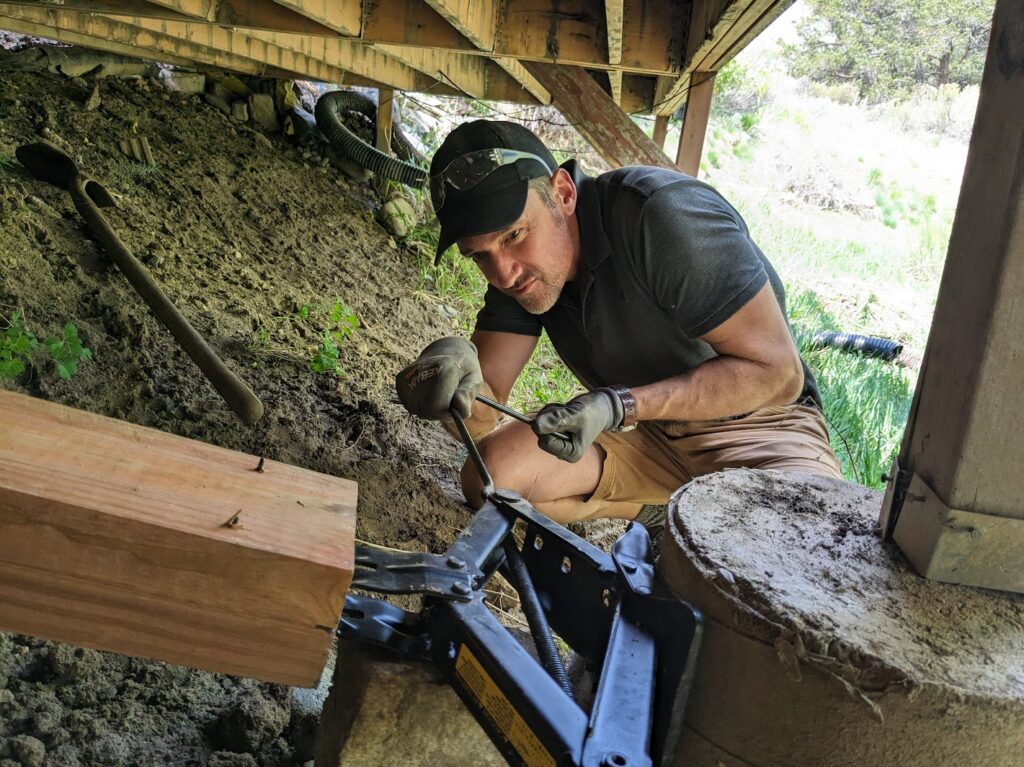
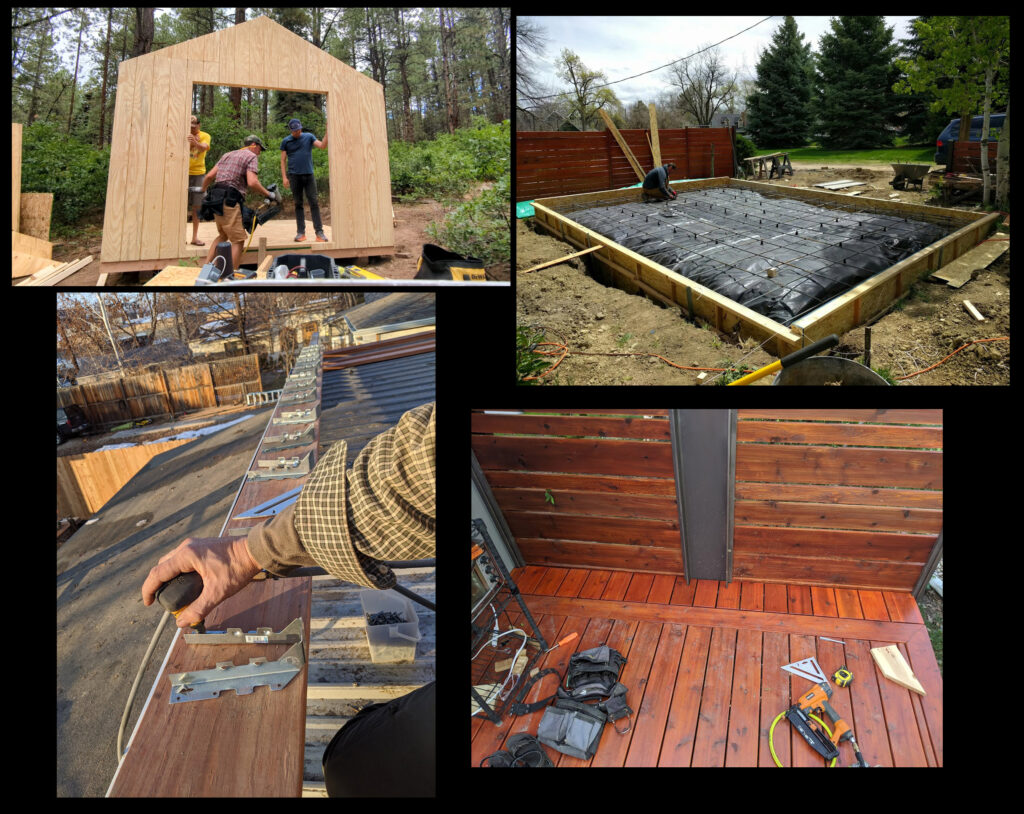
At the forefront of Adeney’s continued frugal practices is his dedication to fixing and improving homes, both his own and those of friends. This stems from a deep-seated belief in self-sufficiency and the satisfaction derived from being a "producer of the things you most enjoy consuming." Rather than outsourcing every repair or renovation, Adeney actively engages in carpentry, design, and problem-solving related to housing. This hands-on approach not only saves significant money but also fosters a sense of empowerment and skill development.
For instance, the average cost of home repairs and renovations can range from hundreds to tens of thousands of dollars per project, with contractor hourly rates often exceeding $50-$100. By performing these tasks himself, Mr. Money Mustache estimates an average saving of $20,000 per year, translating to a remarkable $287,000 over a decade. This figure highlights the substantial financial leverage gained through practical skills. Beyond the monetary savings, this practice builds valuable community connections, as he often helps friends, and teaches others to overcome their dependence on external contractors. Industry analysis often indicates that a significant portion of household budgets is allocated to housing maintenance and improvements, making self-sufficiency in this area a powerful financial lever. Furthermore, the satisfaction of creating and maintaining one’s living space contributes to mental well-being, reducing stress associated with home ownership and external dependencies.
2. The Sharing Economy and Community Engagement
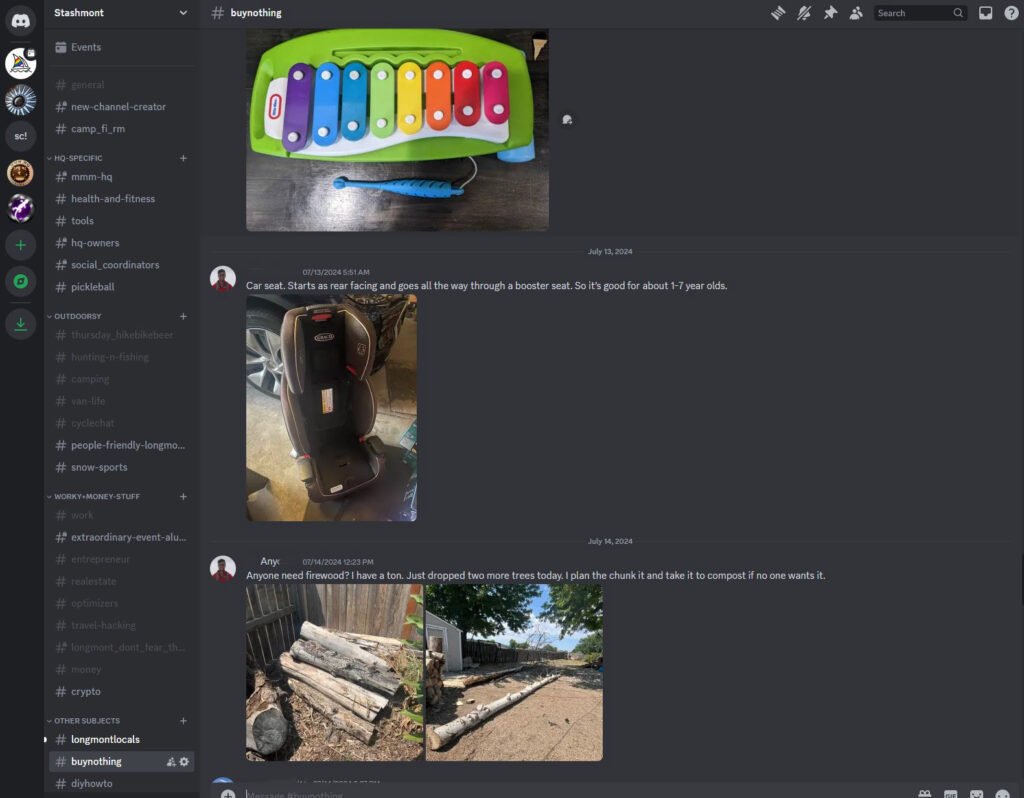
Another cornerstone of Mustachian frugality is leveraging the sharing economy and local community networks. While affluent individuals might instinctively opt for purchasing new items, Adeney champions the use of platforms like Craigslist, Facebook Marketplace, and local "Buy Nothing" groups. This isn’t merely about cost-saving; it’s about fostering community, repurposing resources, and reducing waste.
His local community, particularly through the MMM-HQ Discord server, exemplifies this principle. With approximately 200 local members, the platform facilitates the exchange of goods and services, from major DIY projects in the #diyhowto channel to free or low-cost items in #forsale and #buynothing. This active participation in a circular economy helps members save money, reduce their environmental footprint, and build stronger social bonds. The financial benefits, estimated at $42,000 per decade, underscore the power of collaborative consumption. Beyond these savings, the practice fosters a vibrant local community, providing social capital and mutual support that extends far beyond monetary value. This approach aligns with broader movements towards sustainable consumption and community resilience, which seek to reduce reliance on mass-produced goods and strengthen local networks.
3. Active Transportation: Bikes Over Cars
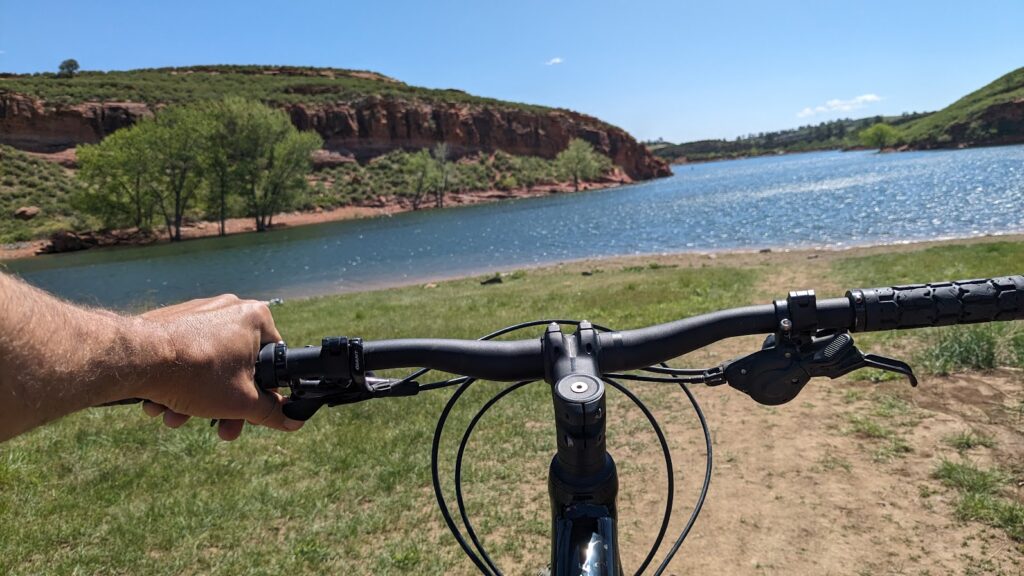
Mr. Money Mustache has famously advocated for cycling as a primary mode of transportation, a principle he continues to uphold. His detailed analysis in "The True Cost of Commuting" highlighted that cars cost at least 50 cents per mile to operate when factoring in depreciation, maintenance, insurance, and fuel, whereas bikes are significantly cheaper. Despite his wealth, Adeney still uses bikes or walking for at least 95% of his local trips, covering approximately 2,000 miles annually.
While this may seem a modest distance, the savings are substantial, estimated at $14,000 per decade. However, the benefits extend far beyond direct monetary savings. Choosing active transportation dramatically improves physical and mental health. The Centers for Disease Control and Prevention (CDC) consistently links regular physical activity, such as cycling, to reduced risks of heart disease, diabetes, and certain cancers, while also improving mood and cognitive function. This health dividend, though difficult to quantify precisely, is arguably the most significant return on investment. Furthermore, reduced car usage contributes to lower carbon emissions, cleaner air, and less traffic congestion, benefiting the entire community. This commitment to cycling serves as a powerful example of integrating environmental consciousness with personal well-being and financial prudence.
4. Muscle Over Motor: Embracing Physical Effort
A core tenet of Mustachian living is the preference for physical exertion over automated convenience, encapsulated by the phrase "muscle over motor." This means opting for stairs instead of elevators, running a golf course instead of using a cart, moving furniture manually, and performing manual tasks like shoveling snow or raking leaves instead of using machines. For Adeney, this is a conscious choice to prioritize health and fitness.
This philosophy directly counters the pervasive trend of sedentary lifestyles driven by modern conveniences. By consistently choosing the more physically demanding option, individuals integrate exercise into their daily routines, fostering better health without requiring dedicated gym time or expensive fitness memberships. While direct financial savings are hard to pinpoint, the preventative health benefits are immense. The average American spends approximately $13,000 per year on healthcare. By maintaining robust health through active living, Mr. Money Mustache notes minimal lifetime costs due to illness or medication. Conservatively estimating $10,000 in annual savings and productivity benefits from superior health, this practice accrues an estimated $140,000 per decade. This highlights a crucial link between lifestyle choices and long-term financial and physical well-being, emphasizing that investing in one’s body is one of the most effective forms of financial planning.
5. Energy Efficiency and "Glamping Retreat" Home Management
Perhaps the most unconventional aspect of Mr. Money Mustache’s frugal lifestyle is his approach to home energy consumption, which he playfully likens to running his home like a "glamping retreat." This involves a series of experimental and practical adjustments aimed at minimizing utility bills while enhancing the living experience. His personality, a blend of engineer, carpenter, artist, and mad scientist, drives a continuous process of improvement and experimentation within his home.
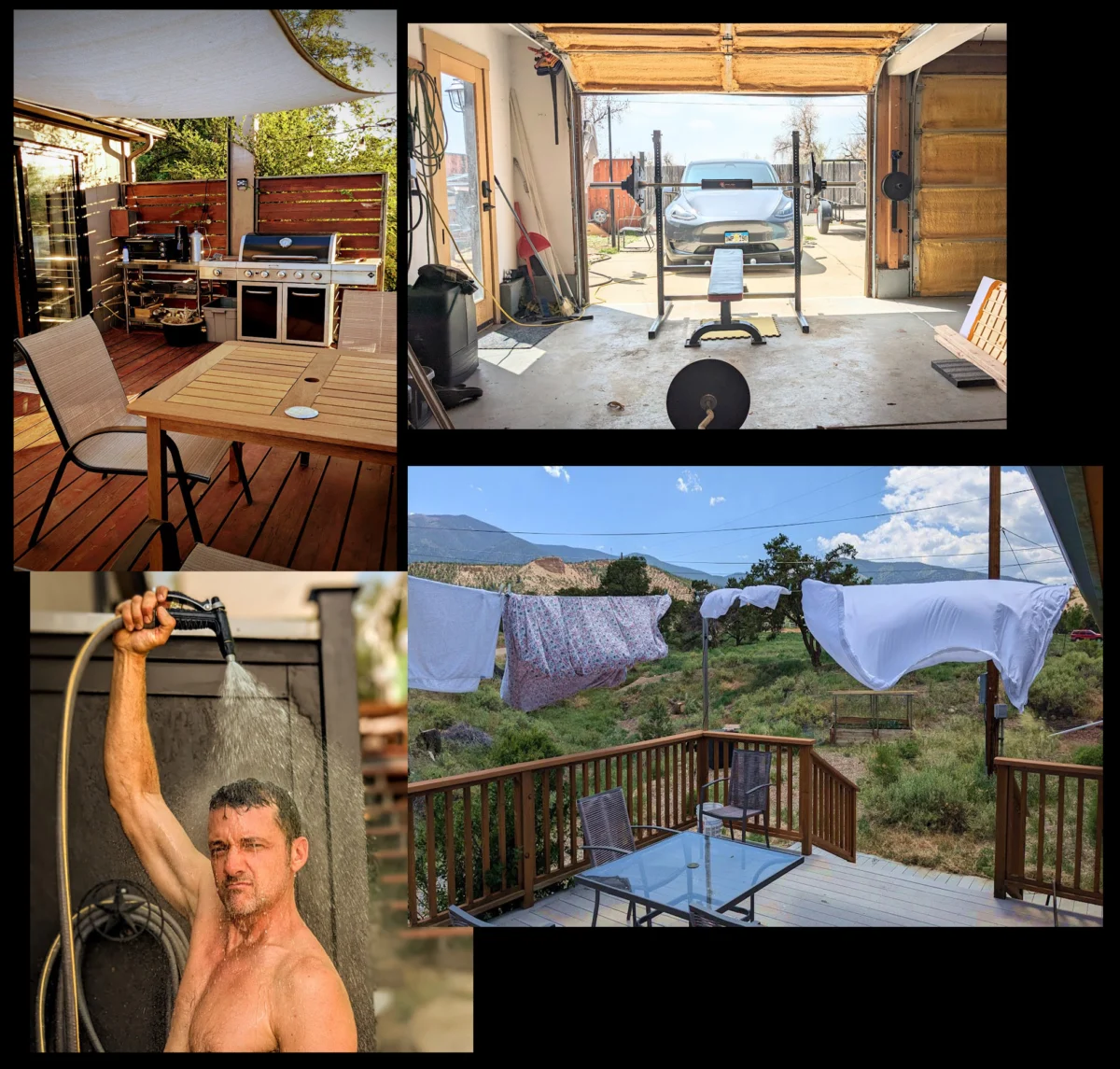
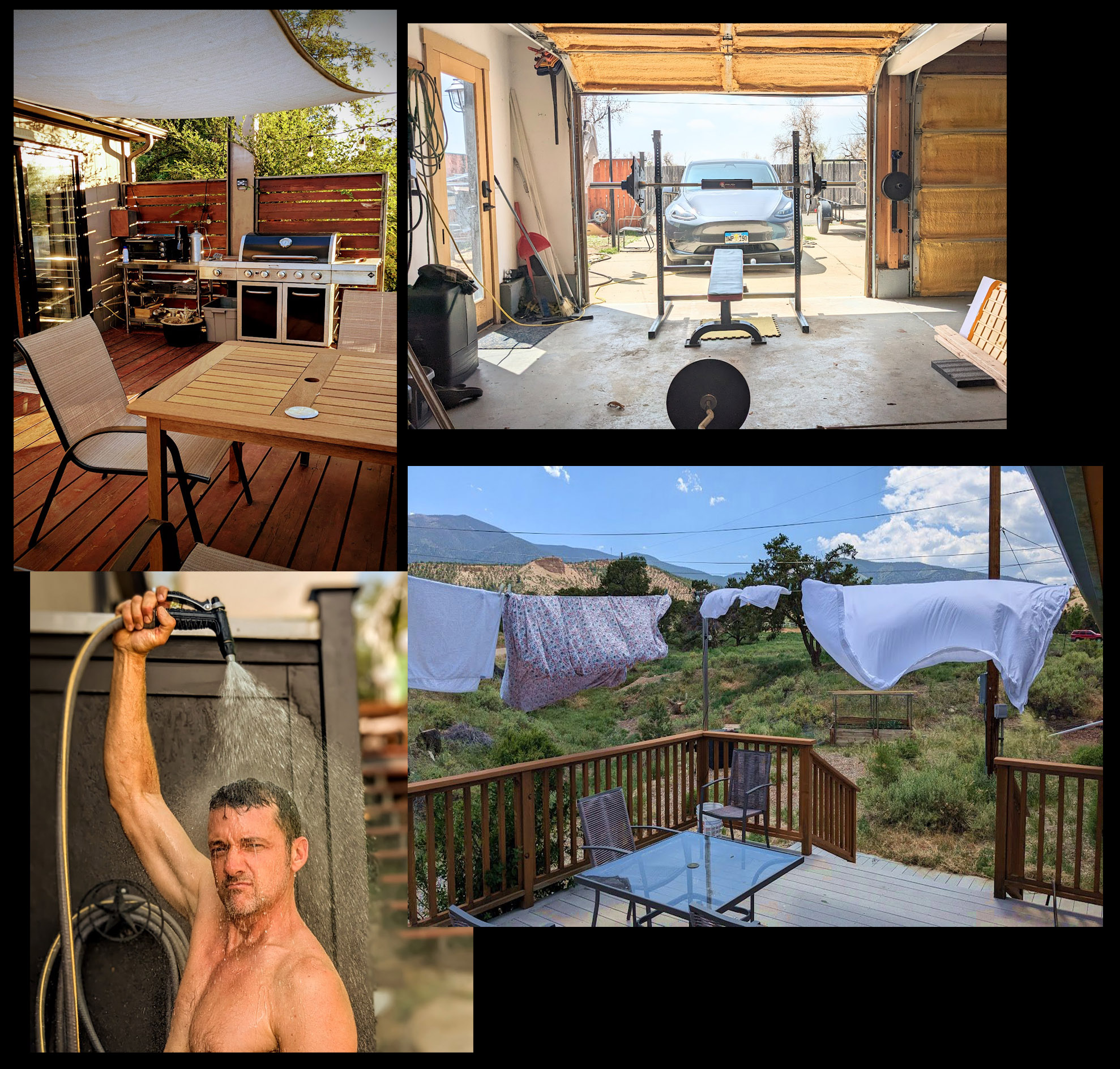
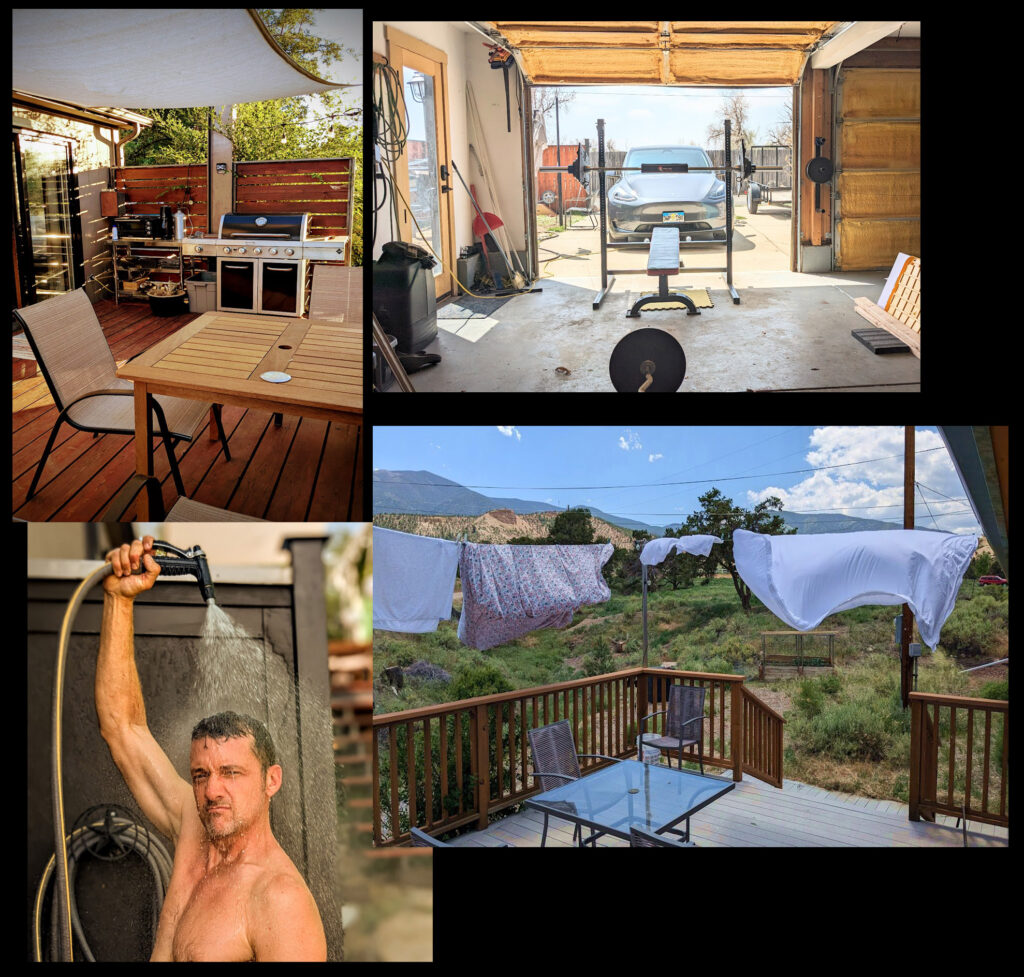
Examples include installing sliding doors and large windows on the south side of his house for passive solar heating in winter, using clotheslines for laundry, taking shorter showers (sometimes outdoors), and adjusting thermostat settings significantly. While these individual actions might seem minor, their cumulative effect is substantial. The average combined gas and electric bill in his area is around $250 per month, while his usage totals approximately $75. This translates to an estimated $30,000 in savings per decade. Crucially, Adeney emphasizes that these practices are not a chore but a source of joy and a way to live more in tune with the seasons and natural environment. This illustrates that optimal energy efficiency can be a fulfilling pursuit, leading to both financial gains and a deeper connection to one’s living space and the environment. This innovative approach to home management serves as a micro-experiment in sustainable living, showcasing how individual actions can significantly reduce one’s carbon footprint and foster energy independence.

6. Local Living Over Constant Travel: Savoring Home Life
In a world that often equates success and leisure with frequent, extravagant travel, Mr. Money Mustache advocates for the value of "local living." While acknowledging that travel can be enriching, he highlights the often-overlooked benefits of prioritizing time at home and within one’s community. This involves a discerning approach to travel, saying "no thanks" to less enriching trips and "yes please" to opportunities that allow for more home-based enjoyment and community engagement.
The constant pressure to travel, especially during peak seasons, often leads to significant expenses and missed local connections. By choosing to spend more time at home, individuals can cultivate deeper local friendships, participate more actively in community events, and enjoy the amenities of their immediate surroundings. The financial savings from replacing just two weeks of family travel with home-based activities can be substantial, estimated at $5,000 per year in direct costs. Furthermore, incidental benefits like improved health (from active local pursuits) and stronger local friendships contribute another $5,000 annually, leading to a staggering $143,000 in wealth increase per decade. This perspective reframes the concept of "vacation," suggesting that a well-cultivated home environment and vibrant local community can offer a continuous sense of renewal and enjoyment, reducing the perceived necessity for constant long-distance travel. This approach also aligns with growing concerns about the environmental impact of frequent air travel, promoting a more localized and sustainable leisure paradigm.
Cumulative Impact and Broader Implications
Cumulatively, these six practices alone represent an estimated wealth increase of $656,000 every decade. This figure is particularly striking when compared to the median wealth of many American seniors, who often navigate retirement with significantly less, despite working for over 40 years. For Mr. Money Mustache, these habits have directly contributed to his recent wealth increases, demonstrating the enduring power of his philosophy regardless of one’s starting financial position.
The phenomenon of "frugality-just-for-fun," as Adeney describes it, suggests that human beings are inherently curious and problem-solving. When stripped of consumerist pressures, many find genuine enjoyment in optimizing their lives for efficiency and resourcefulness. This perspective transforms frugality from a restrictive chore into an engaging pursuit that enhances overall well-being.
The broader implications of such a lifestyle extend beyond individual financial independence. Widespread adoption of Mustachian principles could lead to:
- Environmental Sustainability: Reduced consumption, waste, and reliance on resource-intensive industries.
- Community Resilience: Stronger local networks, sharing economies, and mutual support systems.
- Improved Public Health: Increased physical activity and reduced stress from financial strain.
- Rethinking Consumerism: A societal shift away from perpetual consumption towards mindful, purpose-driven living.
In conclusion, Mr. Money Mustache’s continued adherence to his core principles, despite his financial success, serves as a powerful testament to the efficacy and inherent enjoyability of the Mustachian philosophy. His lifestyle choices are not sacrifices made out of necessity, but rather deliberate, fulfilling activities that concurrently generate significant financial wealth and contribute to a richer, more sustainable way of life. By dispelling the myth that wealth corrupts frugality, he reinforces the message that true financial independence is intertwined with a deeper commitment to efficiency, self-sufficiency, and community engagement.

