
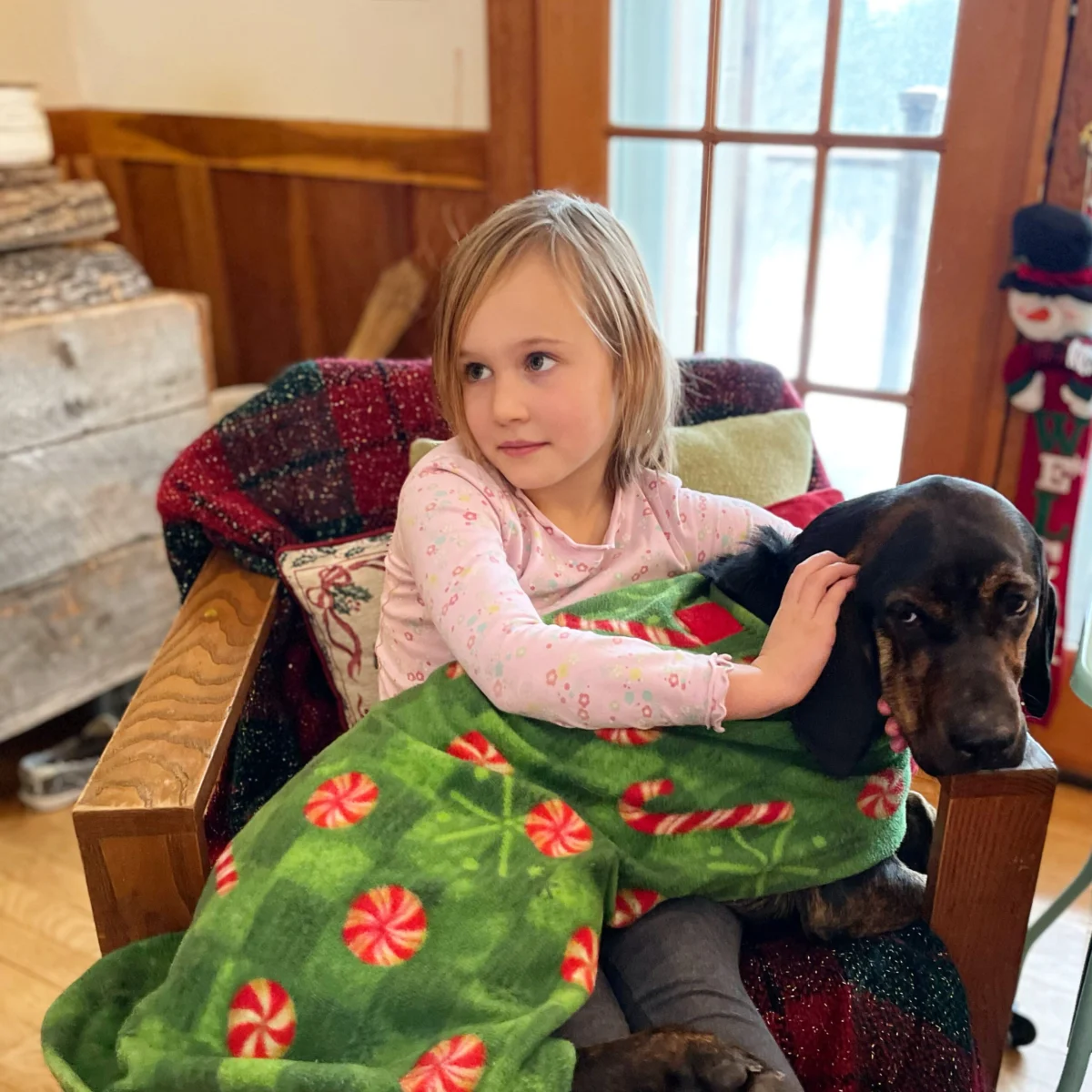
The adoption of rescue animals has long been viewed as a hallmark of civic responsibility and compassionate living, yet the practical realities of integrating high-needs animals into modern households often present significant financial and psychological challenges. A recent case involving a Vermont family and a stray scent hound named Genevieve, colloquially known as Gigi, highlights the intersection of animal welfare, specialized behavioral needs, and the economic toll of pet ownership. Despite an investment of over $2,300 and a four-month intensive rehabilitation effort, the family was ultimately forced to rehome the animal, shedding light on the broader national issue of "failed" adoptions and the specific requirements of working-dog breeds in rural environments.
The Discovery and Adoption of Genevieve
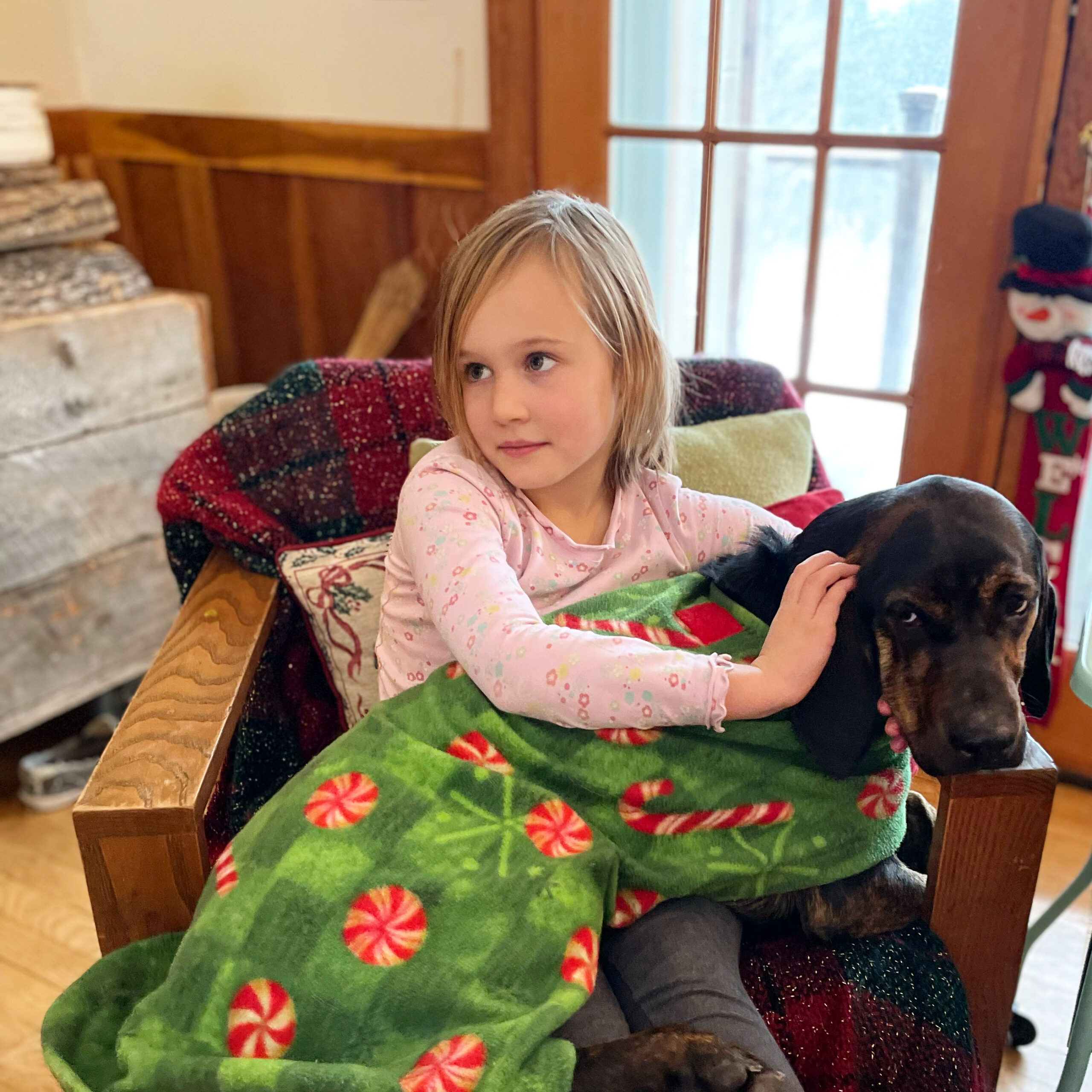
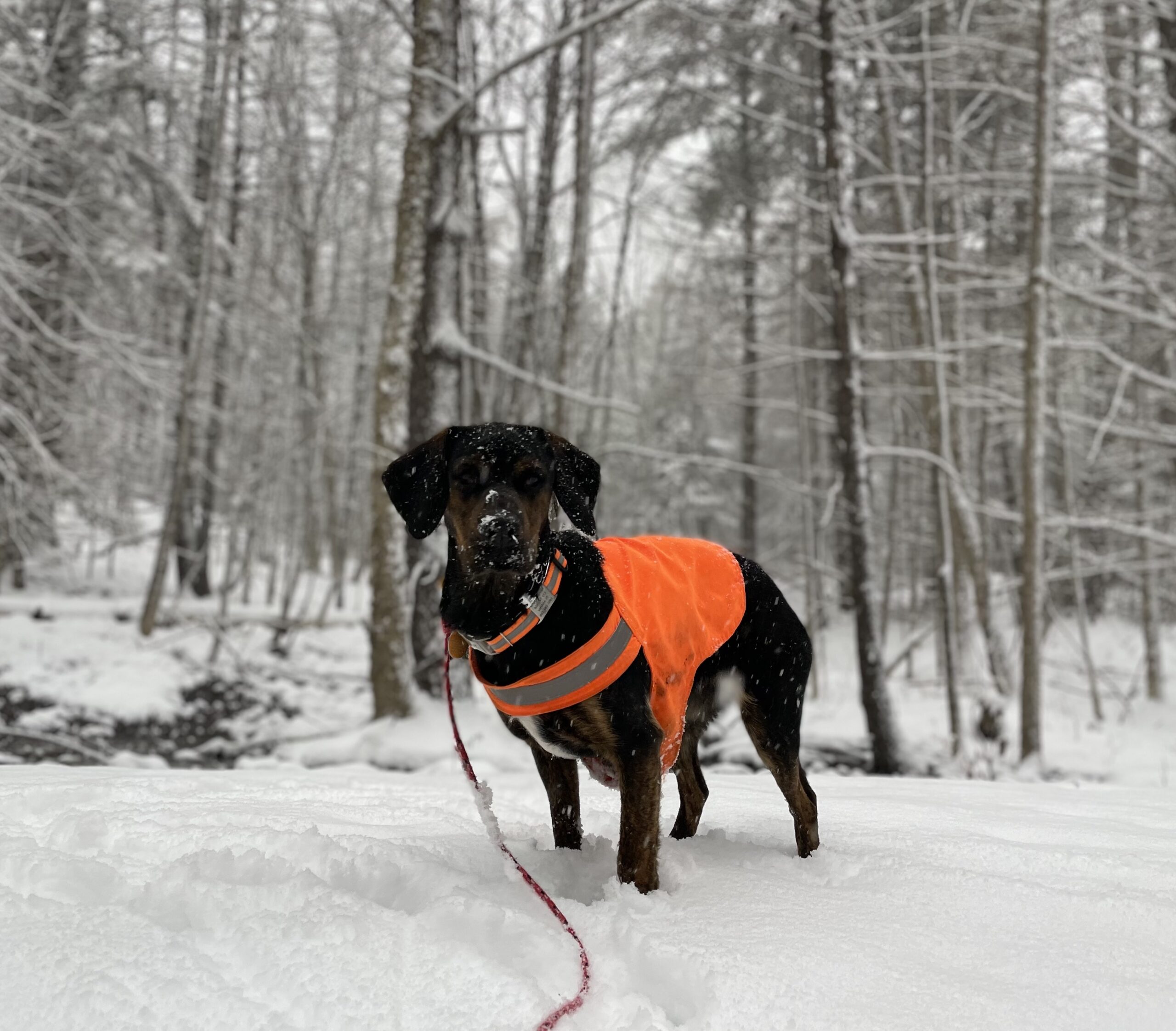
The narrative began in late September 2022, when a female hound appeared in a residential yard in rural Vermont. The animal was described as emaciated, covered in lacerations, and lacking any form of identification or microchip. Following a period of unsuccessful attempts to locate a primary owner through local advertisements and veterinary scans, the family—known for their public discourse on financial independence and rural living—opted to adopt the dog rather than surrender her to a local shelter system already burdened by high capacity.

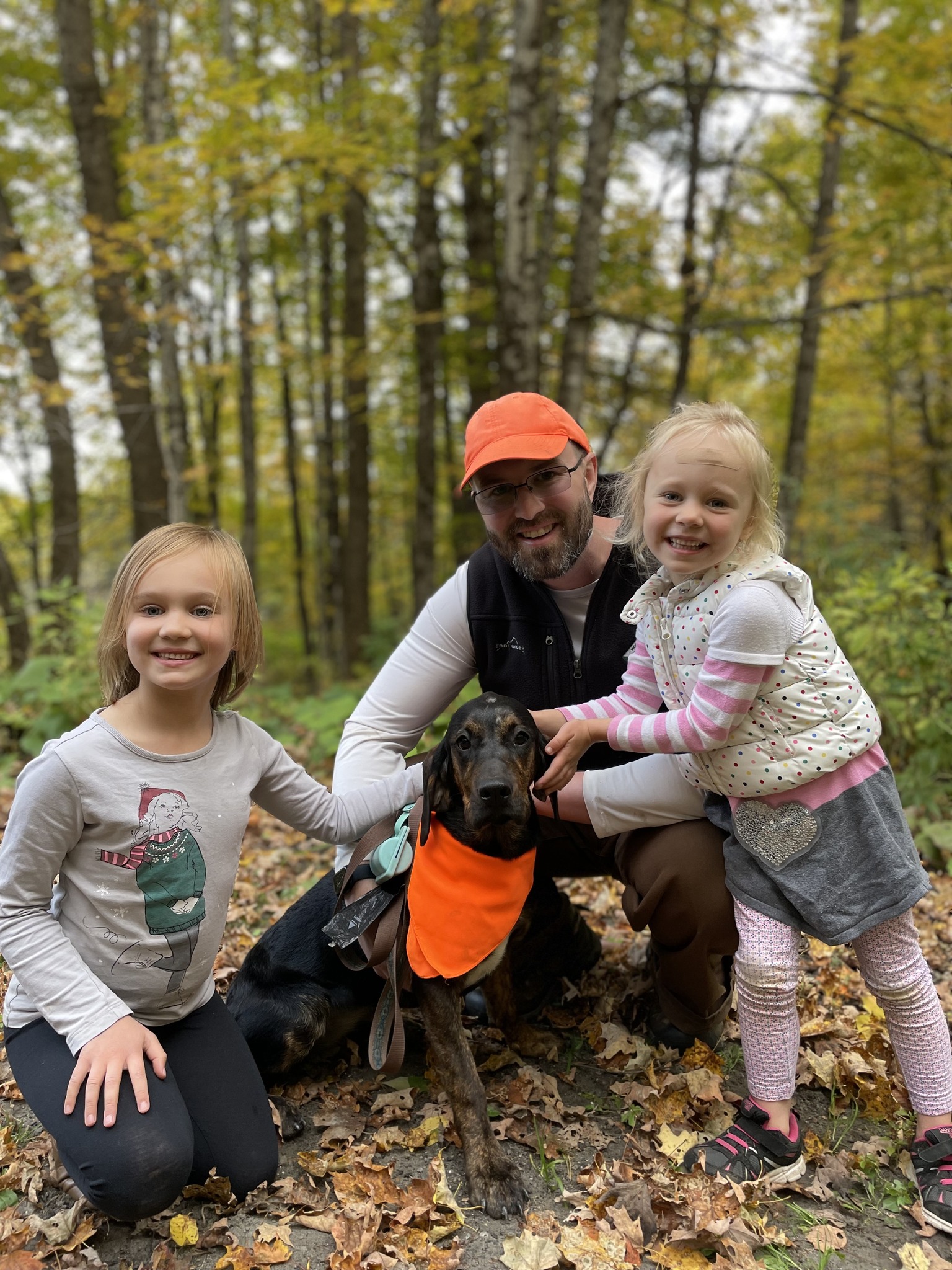
The animal, estimated to be a former bear-hunting dog, was officially integrated into the household on October 3, 2022. Initial assessments suggested a well-adjusted, calm temperament; however, as the family attempted to resume a standard routine, a severe behavioral pathology emerged. The dog exhibited profound separation anxiety, a condition characterized by a state of panic when separated from human or canine companions.
A Chronology of Intervention: October 2022 to January 2023
The family’s attempt to mitigate the dog’s distress followed a rigorous, multi-tiered approach encompassing behavioral, technological, and medical interventions. The timeline of these events illustrates the escalating difficulty of managing severe separation anxiety in a domestic setting.
Behavioral Conditioning
In October, the owners initiated standard crate training, which the dog initially accepted while humans were present. However, any attempt to leave the house triggered immediate panic. Working with a professional dog trainer, the family implemented a desensitization regimen. This involved leaving the home for increments as short as 30 seconds and returning to reward calm behavior. Despite weeks of consistent effort, the animal could not surpass a five-minute threshold of solitude without descending into a panic state, which included vocalization and the loss of bladder and bowel control.
Technological Monitoring and Enrichment
By November, the family turned to technological solutions to facilitate remote training. This included the installation of high-definition cameras to monitor the dog’s distress levels and a remote-controlled treat dispenser designed to reward silence from a distance. While these tools provided data on the dog’s behavior, they failed to alleviate the underlying physiological panic. The dog’s inability to focus on high-value rewards (such as frozen Kong toys) while alone indicated that her distress was not merely boredom, but a clinical anxiety disorder.
Medical and Veterinary Consultation
Throughout December, the intervention shifted toward pharmacological support. Under veterinary supervision, the dog was prescribed a series of escalating medications, beginning with mild anti-anxiety supplements and moving toward sedatives and tranquilizers. According to the owners, none of these pharmaceutical interventions produced a significant change in the dog’s ability to remain alone, a phenomenon sometimes seen in "working" breeds with high pack-drive instincts.
The Economic Impact: A Comparative Analysis
The financial burden of this four-month period was substantial, totaling $2,373.25. For context, the family’s previous pet, a retired racing greyhound, cost an average of $930 annually. The Gigi case represents a nearly 600% increase in monthly maintenance costs compared to a typical retired pet.

| Category | Expenditure | Description |
|---|---|---|
| Medical & Rescue Fees | $1,553.00 | Includes spaying, vaccinations, de-worming, and multiple vet visits. |
| Equipment & Tech | $230.00 | Cameras, remote treat dispensers, and specialized crates. |
| Training & Behavior | $150.00 | Professional consultations. |
| General Supplies | $440.25 | Food, high-calorie treats, winter gear, and licensing. |
| Total | $2,373.25 | Total for 4-month duration. |
This data reflects a growing trend in the United States where the "hidden costs" of pet ownership—specifically behavioral health—are often overlooked by prospective adopters. According to the American Pet Products Association (APPA), Americans spent approximately $136.8 billion on their pets in 2022, with a significant portion of that growth attributed to specialized veterinary care and behavioral services.
The Science of Scent Hound Separation Anxiety
The failure of the adoption highlights a critical aspect of canine ethology. Experts in animal behavior note that scent hounds, particularly those bred for pack hunting (such as bear or deer dogs in the Northeast), possess a genetic predisposition for "pack-focus." These dogs are rarely raised in isolation; they live, hunt, and sleep in groups.
When a pack-dependent animal is placed in a suburban or rural single-dog household, the absence of the "pack" can be perceived as a life-threatening event. This explains why the dog was perfectly calm in the presence of humans but became self-destructive when left alone. The rescue organization that eventually took the dog confirmed this hypothesis, noting that the animal showed no signs of anxiety when placed in a foster home with multiple other dogs.

Official Responses and Ethical Considerations in Rehoming
The decision to rehome an animal is often met with social stigma, yet animal welfare professionals are increasingly advocating for "responsible rehoming" as a viable and humane alternative to a mismatched domestic environment.
A representative from the foster-based rescue organization that accepted the dog stated that successful placement depends on matching an animal’s specific psychological profile with the owner’s lifestyle. In this case, the family’s active lifestyle—requiring frequent absences for school, work, and community events—was fundamentally incompatible with a dog requiring 24-hour companionship.
The family expressed a sense of "failure," a common sentiment among owners who return or rehome pets. However, from a journalistic and objective standpoint, the data suggests that the intervention was exhaustive. The family provided:
- Full medical rehabilitation (nutritional recovery and surgical sterilization).
- Professional behavioral training.
- Financial investment far exceeding the national average for a new adoption.
Broader Implications for the Pet Adoption Market
This case serves as a microcosm of the post-pandemic pet landscape. During the COVID-19 lockdowns, pet adoptions surged as people sought companionship. As society returned to offices and schools, many of these "pandemic pets" developed separation anxiety, leading to a spike in shelter surrenders in late 2022 and 2023.
The Gigi case adds a layer of complexity: the "stray-to-home" pipeline in rural areas. Unlike shelter adoptions where an animal’s temperament might be tested in a controlled environment, taking in a stray involves unknown variables. For families with young children, the stakes are higher, as the stress of a panicked animal can impact the household’s emotional health and the children’s development.
Conclusion: Lessons in Resilience and Reality
The saga of Genevieve the hound concluded with a successful placement in a multi-dog household, where her anxiety reportedly vanished. For the family, the experience resulted in a strategic pivot toward "dog-sitting" for neighbors—a model that allows for animal companionship without the long-term financial and logistical liabilities of a high-needs pet.
This case underscores the necessity for prospective pet owners to account for the "worst-case scenario" in their financial and emotional planning. While the return on investment for pet ownership is often measured in intangible companionship, the tangible costs of behavioral health crises are a stark reality. As rural communities like those in Vermont continue to navigate the complexities of stray animal populations and the decline of traditional hunting dog packs, the story of Gigi remains a cautionary yet informative example of the limits of domestic intervention.
Finally, the incident serves as a reminder of the unpredictability of rural life. Just as the family faced the unexpected costs of pet rehabilitation, they were simultaneously hit by the 2023 Vermont floods, which damaged local infrastructure and their own property. Both events—the behavioral crisis of a rescue dog and the environmental crisis of a flood—point to a singular truth in household management: the importance of financial liquidity and the psychological resilience to accept when a situation is beyond one’s control.

