

Nearly two decades into what many would consider an ideal early retirement, a prominent figure in the financial independence community has articulated a surprising challenge: the very freedom that defines this lifestyle can become a significant impediment to personal growth and sustained fulfillment. This paradox, explored by the author of a widely-read blog on financial independence, highlights an often-overlooked aspect of early retirement, moving beyond the initial euphoria to reveal a complex interplay between autonomy, discipline, and human psychology.
The Genesis of a Paradox: Early Retirement’s Unforeseen Challenges
For the initial decade following his transition from traditional employment, the author describes a period of immense productivity and satisfaction. This phase was characterized by the profound freedom to dedicate thousands of hours to cherished values: raising his son from infancy through adolescence without compromise, fostering family connections, prioritizing health, nurturing friendships, embarking on numerous adventures, engaging in various building projects, and consistently producing content for his influential blog. This initial period exemplified the utopian vision of early retirement, where time, often the most valuable commodity, was entirely at the individual’s discretion, leading to a rich and purposeful existence.
However, as the author progressed deeper into his retirement, a subtle yet significant shift began to occur. The intense "Dad job" responsibilities, which had provided a natural structure and motivation for much of the first decade, gradually lessened as his son matured. Concurrently, the intrinsic drive to engage in demanding projects—whether constructing intricate neighborhood homes or crafting compelling articles—began to wane. This gradual deceleration led to a concerning pattern: increasingly, afternoons were spent seeking passive distraction through digital devices, replacing active engagement with a pervasive sense of wishing for the energy and focus that once came naturally.
This experience underscores a broader psychological phenomenon observed in some retirees, particularly those who achieve early financial independence. While traditional retirement often involves a forced cessation of work, leading to a loss of identity and structure, early retirement, especially for high-achievers, can present a different kind of void. Without external obligations or the constant pressure of a professional environment, the responsibility for generating purpose and motivation falls entirely on the individual. This can reveal underlying strengths in self-direction but also expose vulnerabilities to procrastination and a comfort-seeking inertia. Studies by organizations like the National Bureau of Economic Research have indicated that while retirement generally correlates with increased life satisfaction, a subset of retirees struggles with maintaining engagement and purpose, sometimes leading to declines in mental well-being if not actively managed.
The Pitfalls of Unchecked Autonomy
The author posits that while the combination of total freedom and financial security might seem like a guaranteed path to self-actualization, the reality is far more nuanced, contingent on an individual’s inherent strengths and weaknesses. He illustrates this with a spectrum of post-retirement outcomes: from one extreme characterized by "unlimited drugs and booze on the couch," symbolizing passive indulgence and stagnation, to the other, embodying proactive engagement in large-scale philanthropic endeavors like "creat[ing] and manag[ing] a series of nonprofit foundations which employ thousands of people to research and invest in medical advances and clean energy." This spectrum highlights that freedom, without a cultivated internal discipline, can lead to disparate results, challenging the romanticized notion of a universally blissful retirement.
For a significant period, the author managed to strike a natural balance, successfully juggling parental duties with a diverse array of demanding personal projects. This included extensive home renovation work, challenging international trips, public speaking engagements, video production, and the consistent output of hundreds of blog posts. This period demonstrated an effective harnessing of freedom for productive and fulfilling ends.
However, the recent years saw a decline in this inherent self-management. Despite proactively seeking knowledge in health and wellness, incorporating daily habits and steering clear of excessive comfort—strategies that demonstrably improved energy, focus, and motivation—a critical flaw persisted. The author found himself learning effective new approaches and temporarily implementing them, only to have his brain "invent various excuses to stop doing them consistently." This pattern revealed a deeper issue: a disconnect between knowing what to do and consistently doing it, leading to a wealth of knowledge but a deficit in actual accomplishment.

The core realization that emerged from this period of self-reflection was profoundly insightful: the author had been inadvertently transforming his greatest life advantage—absolute freedom—into a disadvantage by using it primarily to avoid tasks he didn’t feel like doing. This psychological trap is not uncommon; behavioral economists and psychologists often refer to it as "present bias" or "procrastination," where immediate comfort is prioritized over long-term benefits, even when the individual intellectually understands the value of the latter. For instance, research published in the Journal of Behavioral Decision Making consistently demonstrates that people often delay activities with immediate costs (like exercise) even when they are aware of the substantial future rewards.
The author emphasizes that true freedom in early retirement should be leveraged to pursue endeavors even more valuable than the career one left behind. If freedom merely translates into passive consumption, such as children watching cartoons while an adult scrolls social media, its potential is squandered. This stark assessment suggests that maintaining the "damned job" might be a more productive alternative if newfound freedom is not intentionally directed towards higher-value pursuits.
A Shift in Strategy: Confronting Hesitation as a Catalyst for Action
This critical self-assessment led to a profound shift in the author’s approach to personal discipline. He identified a pattern of prioritizing "easy things" – like routine household tasks or casual socializing – while consistently deferring "harder things" that required more planning, energy, or focused effort. Crucially, these harder tasks were precisely those that contributed most significantly to the life he genuinely enjoyed.
Using workouts as a prime example, the author meticulously detailed his former internal dialogue: a desire for an effective weight training session, immediately followed by the aversion to the inherent difficulty. This aversion would trigger a lengthy process of "greasing the wheels"—attempting to create perfect conditions (ideal time, weather, high energy, pre-set gym) in the hope that these external factors would facilitate action. The reality, however, was that this "golden moment of perfect conditions" frequently failed to materialize. Weeks would pass with inconsistent efforts, leading to "lackluster fitness" that directly mirrored the inconsistent application of effort. This illustrates a common human tendency to rely on motivation and ideal circumstances, rather than building robust habits independent of fleeting feelings.

The transformative breakthrough involved replacing this convoluted, "wussypants" internal monologue with a radically simplified, action-oriented one: "I want to work out today. I don’t feel like it. ^^^ AHA!! I JUST CAUGHT MYSELF TRYING TO SELF SABOTAGE! ^^^ I am now already putting on my shoes and walking to the gym." This strategy redefines hesitation not as a deterrent, but as an immediate trigger for action. It posits that the very moment of internal resistance is the signal to initiate the desired behavior, bypassing the rationalizations and excuses that often derail intentions. This approach aligns with psychological principles of habit formation and willpower, where identifying and interrupting negative thought patterns is crucial. Dr. Wendy Wood’s research on habit formation, for instance, highlights the power of environmental cues and immediate action in establishing automatic behaviors, reducing reliance on conscious willpower.
This technique, initially applied successfully to physical exercise, proved universally applicable to other areas of life requiring sustained effort, such as running more frequently, engaging in more collaborative work at his co-working space, and even sitting down to write blog posts. The key, he asserts, is to develop an "Eagle-like" self-awareness to pinpoint the exact moment of hesitation and, rather than succumbing to it, immediately use it as a prompt for action. This counterintuitive approach transforms internal resistance into a powerful catalyst for progress, framing hesitation as an "ultimate life coach" that points directly to areas requiring immediate, disciplined engagement.
The Influence of Extreme Motivation: The David Goggins Phenomenon
A significant catalyst for this attitudinal shift came from an unexpected source: exposure to the philosophy and life story of David Goggins, an ultra-endurance athlete, former Navy SEAL, and author known for his extreme mental toughness. A podcast interview detailing Goggins’ journey provided the stark contrast needed to reframe the author’s own perceived limitations.
Goggins’ life story is one of relentless self-overcoming. Emerging from a childhood marked by severe abuse and deep psychological trauma, he compulsively sought out and conquered extreme hardship, pushing his physical and mental boundaries to unimaginable limits. His resume includes qualifying for Navy SEAL training despite significant physical disadvantages, enduring multiple near-death experiences, running hundreds of miles without sleep, and setting a world record for pull-ups (4,025 in 24 hours), often enduring severe physical injury in the process.
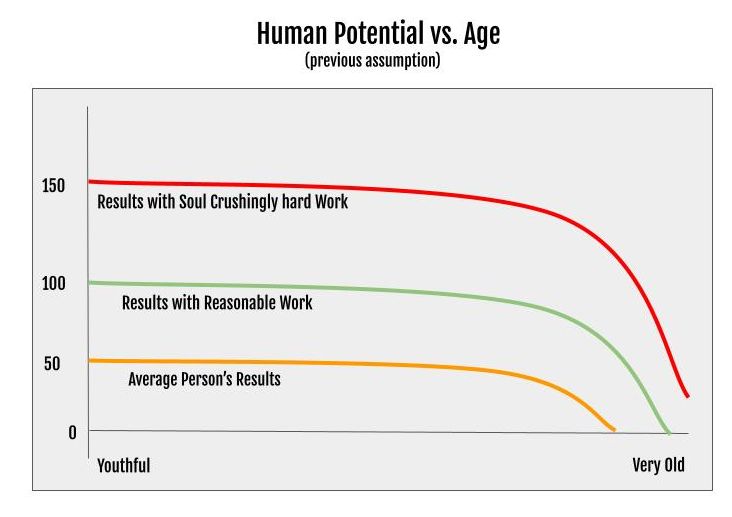
While the author explicitly states he desires "no part of the Goggins life," and prefers not to run more than 10 miles at a stretch, Goggins’ example provided an invaluable perspective. It powerfully illustrated that most perceived barriers in life are fundamentally mental, rather than physical or externally imposed. This realization, that human potential is far greater than commonly assumed, acted as a "switch" for the author, transforming his view of personal limitations. Instead of perceiving life as constrained by a fixed "comfort zone," Goggins’ narrative illuminated a vast, untapped reservoir of capability, suggesting that "the sky has opened way up" for personal achievement. This aligns with growth mindset psychology, where challenges are seen as opportunities for development rather than fixed limitations.
Tangible Outcomes and Broader Implications
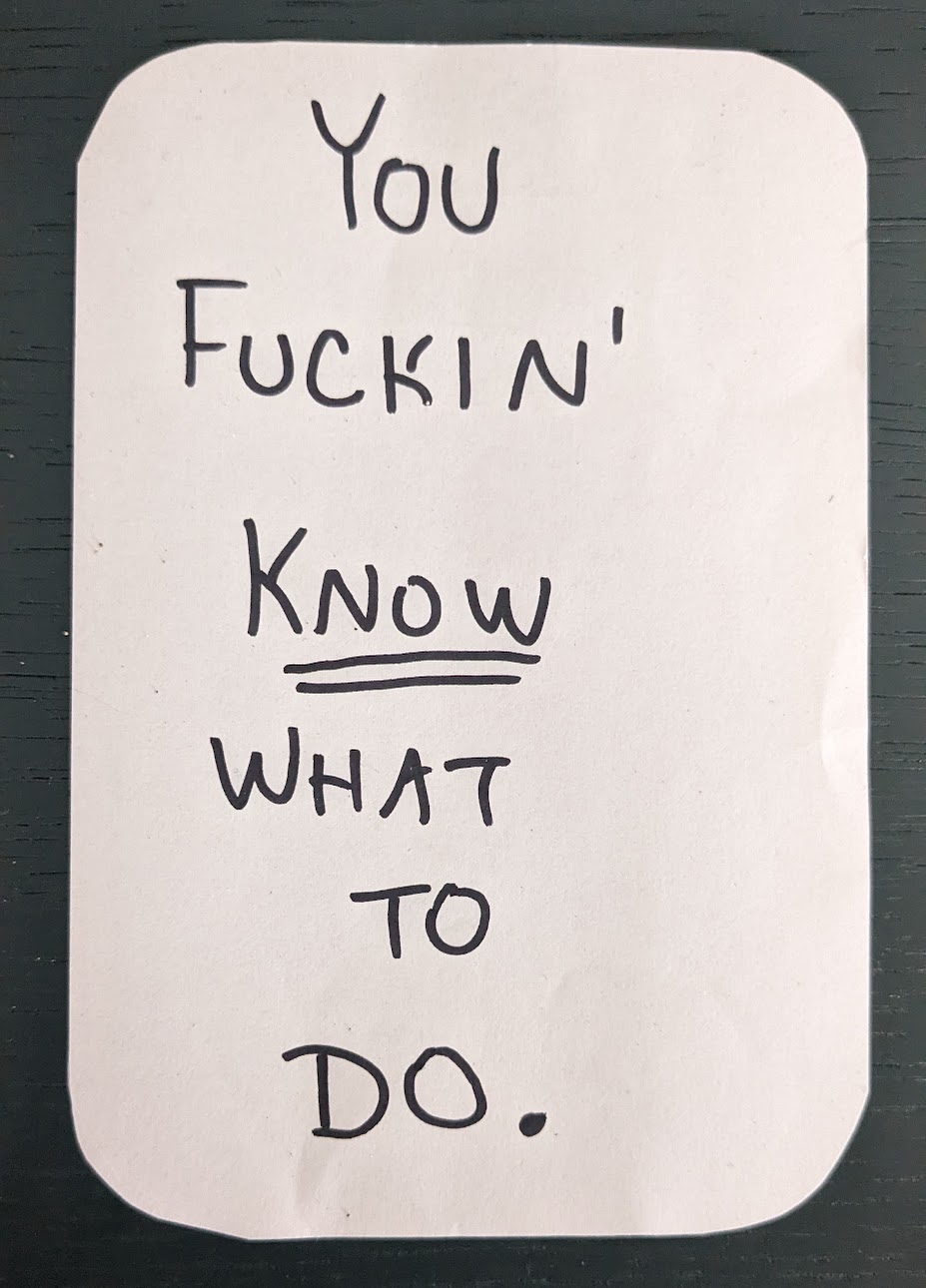
The immediate application of this Goggins-inspired mindset, encapsulated by the direct quote, "You already fuckin’ know what to do," led to tangible, measurable results. By adopting the "hesitation-as-a-trigger" strategy, the author achieved daily gym attendance. This consistent effort, sustained over four months, resulted in a gain of ten pounds of lean muscle mass, a return to the strength and flexibility he possessed at age 25, and a remarkable improvement in joint health. This demonstrates the powerful link between consistent effort, even in the face of initial resistance, and significant physical transformation.
Beyond physical fitness, the technique was applied to other areas, leading to increased running frequency, more productive visits to his co-working space, and a renewed commitment to writing. The author acknowledges that while excessive "blogger work" can be detrimental, there is a "right level" that requires significant discipline, particularly when competing with numerous other "easier and more thrilling activities."
To sustain this newfound motivation, the author implemented a strategy of "refilling the inspiration tank." This involved consuming audiobooks by other figures renowned for their discipline and resilience, such as David Goggins’ works, Peter Attia’s "Outlive," and Jocko Willink’s "Extreme Ownership." This selective absorption of empowering messages, while acknowledging potential critiques of "bro science" or "toxic masculinity," underscores the importance of finding external sources of inspiration that resonate personally and drive higher levels of performance.
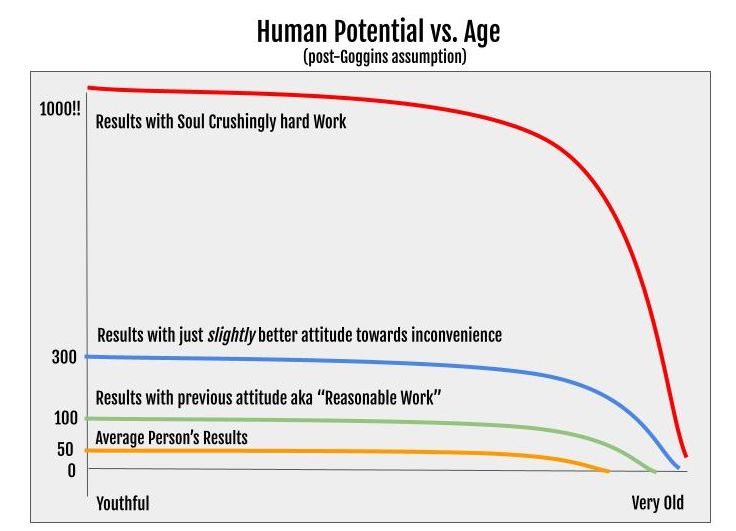
This personal journey holds significant implications for the broader Financial Independence, Retire Early (FIRE) movement and for anyone navigating a life of increased autonomy. It challenges the simplistic notion that freedom alone guarantees happiness or productivity. Instead, it posits that true fulfillment in a self-directed life requires a robust internal framework of discipline, self-awareness, and a willingness to confront discomfort. The author’s experience serves as a compelling case study, demonstrating that even for those who have achieved ultimate financial freedom, the most significant barriers often remain internal, and overcoming them necessitates a deliberate strategy for transforming hesitation into immediate, purposeful action. It highlights that cultivating resilience and an unwavering commitment to self-improvement are not merely desirable traits but essential components for thriving in an environment of unlimited personal choice.

