
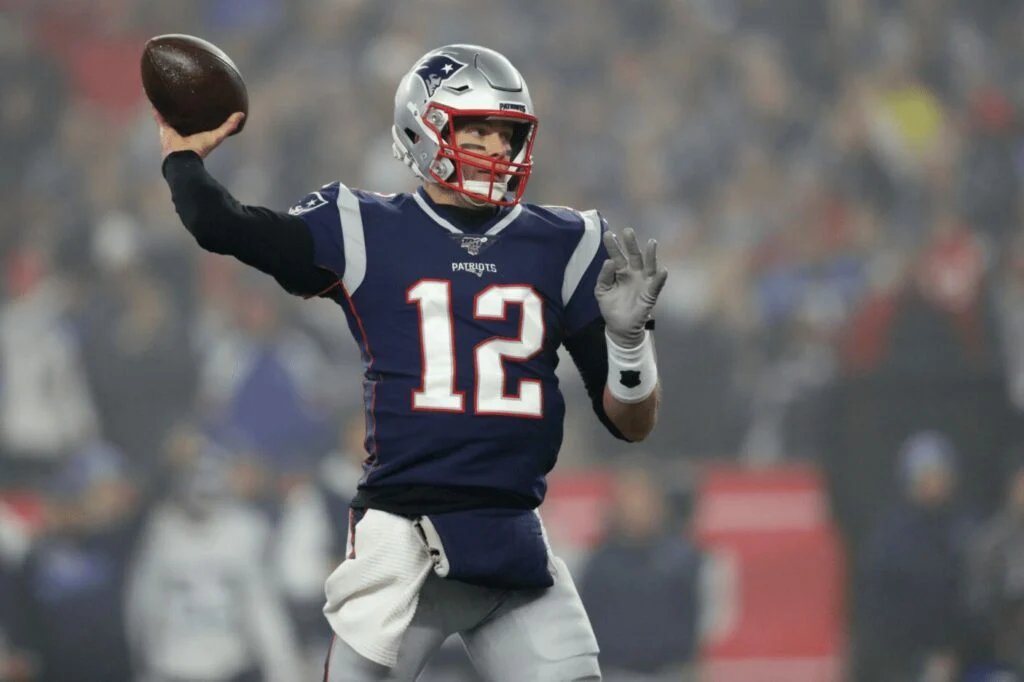
The retirement of any prominent figure, especially one as historically significant as Tom Brady, offers a unique lens through which to examine broader life transitions. While the glitz and glamour of his NFL career—seven Super Bowl championships, five Super Bowl MVP awards, three NFL MVP awards, and a record-breaking 23 seasons—place him in an echelon far removed from the average individual, the underlying principles guiding his decision and the subsequent discourse hold valuable lessons for navigating one’s own professional and personal futures. Joe Casey, an executive coach and host of "The Retirement Wisdom Podcast," suggests that by dissecting Brady’s approach, even "mere mortals" can glean actionable insights applicable to their own life planning.
The Strategic Decision to Step Away
Brady’s announcement on February 1, 2023, marked the end of an era, culminating a career that defied conventional expectations of longevity and performance at the highest level. His stated goal had been to play until at least age 45, a target he ultimately fell short of by one year. This deviation from his long-held aspiration underscores the first key lesson: Know When It’s Time. Casey emphasizes that while personal goals and target dates are important, a periodic self-assessment of one’s feelings about work and the prospect of retirement is crucial. The NFL landscape, much like many professional environments, often sees individuals either leaving on their own terms or being forced out due to declining performance or unforeseen circumstances. In fact, data from the U.S. Bureau of Labor Statistics consistently shows that a significant percentage of individuals retire earlier than planned due to health issues, economic downturns, or job dissatisfaction. Brady’s decision, while seemingly voluntary, highlights the importance of attunement to one’s internal readiness to transition, even if it means adjusting pre-set timelines. The ability to "move on" when it feels right, rather than solely adhering to a predetermined deadline, is a hallmark of a well-considered life transition.
The Art of Exiting with Excellence
A second significant takeaway from Brady’s retirement is the principle of Going Out on Top. Throughout his final season with the Tampa Bay Buccaneers, Brady continued to perform at an elite level, leading the NFL in passing yards with 4,694 and throwing 25 touchdowns against 9 interceptions. He was a strong contender for MVP, a testament to his sustained brilliance. His long-standing assertion that he would play until his skills diminished resonated with this approach. This contrasts sharply with the common phenomenon in both professional sports and the corporate world where individuals may "hang on" past their peak, potentially tarnishing their legacy. The decision to step away while still demonstrably at the pinnacle of one’s profession offers a powerful statement of self-awareness and control. It allows for a legacy to be cemented, free from the specter of decline. For individuals in any career, this raises the question: Will you be able to walk away on your own terms, having achieved your goals and maintained your reputation?
Building the Next Chapter: Proactive Planning
Perhaps one of the most instructive aspects of Brady’s retirement is his proactive approach to establishing his post-playing career. Even during his illustrious NFL tenure, Brady was actively building his "next act." This included ventures such as TB12, a health and wellness brand focused on his unique training and nutrition philosophy, and BRADY, a clothing line. He also ventured into production through his company, 199 Productions. This demonstrates the wisdom of Laying the Foundation for Your Next Act in Advance. While not everyone will launch a global brand or a media production company, the underlying principle of preparing for life beyond full-time employment while still actively engaged in a career is invaluable.
The transition from a demanding profession to retirement or a new phase of life requires forethought. Whether aspirations include part-time work, extensive volunteerism, consulting, writing a book, or pursuing a passion for travel, envisioning these possibilities in advance allows for crucial research, skill development, and networking. Casey suggests dedicating time, perhaps monthly, to connect with individuals who have already made similar transitions. These conversations can offer invaluable real-world insights, demystify potential challenges, and provide a clearer roadmap for achieving desired outcomes. The U.S. retirement landscape is evolving, with many individuals seeking more than just leisure; they are looking for purpose, engagement, and continued growth.
The Integral Role of Family Considerations
Brady’s retirement announcement, while brief, alluded to the importance of family in his decision. Though specific details were not elaborated upon at the time, it is widely understood that considerations for his wife, supermodel Gisele Bündchen, and their children played a significant role. This highlights the profound lesson that Family Matters. For many, retirement is not a solitary decision but a shared one, impacting spouses, partners, and children. A Fidelity survey of 1,600 couples revealed a startling statistic: 57% of respondents were incorrect when asked about their significant other’s anticipated retirement date. This underscores a critical communication gap. Meaningful and ongoing conversations about retirement expectations, desires, and potential impacts are essential. It requires active listening, empathy, and a willingness to understand each other’s perspectives, moving beyond assumptions to foster a shared vision for the future. The financial and emotional implications of retirement are deeply intertwined with family dynamics, making open dialogue paramount.
Maintaining Dignity and Professionalism in Departure
The public reaction to Brady’s initial retirement announcement included some criticism regarding his omission of the New England Patriots, the team with whom he spent his first two decades and won six Super Bowl titles. While this sparked debate, it serves as a reminder of the importance of Being the Bigger Person on the Way Out. Casey advocates for maintaining grace and professionalism during any exit, whether from a job or a long-standing career. Burning bridges or engaging in petty or vindictive behavior is ultimately counterproductive and rarely serves one’s long-term interests. The narrative of a "scorched earth" resignation, as described by Casey, can have lasting negative repercussions. Maintaining composure, expressing gratitude where appropriate, and departing with integrity can preserve relationships and enhance one’s reputation, opening doors for future opportunities and collaborations.
The Open Door: Acknowledging the Possibility of Return
A final, and perhaps most intriguing, lesson from Brady’s retirement is the concept of Not Locking the Door. While his February 2023 retirement appeared definitive, the history of professional athletes, and indeed many individuals in demanding careers, suggests that the door to return may not be permanently closed. Studies conducted prior to the COVID-19 pandemic indicated that in both the United States and the United Kingdom, over 20% of retirees returned to the workforce within five years. These returns were often driven not by financial necessity, but by a desire for purpose, camaraderie, cognitive stimulation, or a sense of contribution.
In Brady’s specific case, speculation regarding a potential return has been a recurring theme throughout his career, notably following his initial retirement in 2022 before he decided to play another season. The possibility, however remote, of a "Brett Favre-like power play" or a return to his hometown team, the San Francisco 49ers, illustrates that "never say never" can be a prudent approach. This acknowledges the dynamic nature of life and career, where circumstances can change, and personal priorities may evolve. For individuals planning their retirement, maintaining flexibility and avoiding definitive pronouncements that preclude future re-engagement can be a wise strategy. The concept of "unretirement" highlights the evolving understanding of what a fulfilling post-career life can entail, often blending periods of rest with renewed engagement.
Broader Implications for Career and Life Transitions
Tom Brady’s retirement, viewed through the lens of strategic career planning, offers a multifaceted case study. His ability to perform at an elite level for an unprecedented duration, coupled with his thoughtful approach to his next chapter, provides valuable insights applicable to a wide audience. The lessons extend beyond the realm of professional athletes, resonating with anyone navigating significant career or life transitions.
The emphasis on self-awareness regarding timing, the strategic advantage of exiting at one’s peak, and the necessity of proactive planning for future endeavors are universally relevant. Furthermore, the acknowledgment of family’s integral role and the importance of maintaining professionalism and dignity during departures are crucial for sustained personal and professional well-being. Finally, the understanding that life transitions are often fluid, and that maintaining a degree of openness to future possibilities can be beneficial, adds another layer of complexity to the modern approach to career and retirement. As individuals increasingly redefine what it means to work, retire, and live a meaningful life, the strategic decisions and public actions of figures like Tom Brady provide valuable reference points for navigating these evolving landscapes.

