

For many young professionals and seasoned individuals alike, the thought of owning a new or significantly upgraded vehicle often sparks an initial surge of excitement, quickly followed by a pragmatic assessment of affordability. The realization, "I work hard and earn good money; surely I can afford a nice car," is a common prelude to a deeper dive into personal finances. While initial calculations might confirm the feasibility of a monthly car payment, the true financial landscape of car ownership extends far beyond that single figure. This article aims to dismantle the misconception that a car’s price tag or monthly loan payment represents its full cost, instead providing a comprehensive breakdown of the seven true expenses associated with vehicle ownership, offering strategies to mitigate these costs, and exploring their broader economic implications.
The aggregated monthly cost of maintaining a vehicle in one’s life hovers around $940, encompassing all direct and indirect expenses. This figure, slightly elevated from the AAA’s 2022 estimate of $894, accounts for factors such as higher insurance premiums for younger drivers and often-overlooked costs like parking. Understanding these components is crucial for any prospective car owner to ensure financial stability and informed decision-making.
The Evolving Landscape of Vehicle Acquisition Costs
Before delving into the ongoing operational expenses, it is imperative to address the initial hurdle: the cost of the car itself. The automotive market has experienced significant volatility in recent years. In 2022, the average price for a new vehicle surged past $47,000, while a used car commanded an average of $33,000. This upward trajectory was largely fueled by a confluence of factors including robust consumer demand, persistent supply chain disruptions leading to inventory shortages, and widespread inflationary pressures. The semiconductor chip shortage, in particular, crippled new car production, pushing consumers towards the used car market and subsequently inflating prices across the board.
Prospective buyers are advised to utilize car affordability calculators, which often incorporate rules of thumb such as the "35% rule" (suggesting that your total car expenses, including payment, insurance, and fuel, should not exceed 35% of your gross income). Such tools also guide decisions on whether leasing or financing a used vehicle is more financially prudent, and when a cash purchase might be advantageous. However, it is critical to recognize that the purchase price, whether financed or paid outright, merely represents the gateway to the full spectrum of ownership costs.

The Seven Pillars of Car Ownership Costs
To truly grasp the financial commitment of owning a vehicle, one must consider these seven distinct categories of expenditure:
1. Monthly Financing or Lease Payments: Approximately $450/month
This is often the most visible and anticipated expense. The size of this payment is influenced by several factors: the vehicle’s price, the down payment amount, the interest rate (APR), and the loan term. For illustration, consider purchasing a used 2019 Toyota Camry for $25,000 with a 20% down payment and a solid credit score of 690, securing a 5% APR over 36 months. An auto loan calculator would place the monthly payment at approximately $485.53. This is comparable to the monthly cost of leasing a new vehicle, which often hovers around $430 with significant upfront payments.
Financial experts generally recommend financing a used car over leasing a new one for long-term financial health. Financing a used vehicle allows the owner to build equity, eventually leading to outright ownership, whereas leasing necessitates restarting the cycle of payments every few years without accumulating an asset. While extending a loan term from 36 to 48 months can reduce the monthly payment (e.g., to $373.07 in the Camry example), terms exceeding 48 months are often discouraged. Longer terms accrue significantly more interest over the life of the loan and increase the risk of going "underwater," where the outstanding loan balance exceeds the car’s market value, particularly as depreciation accelerates. Crucially, the monthly payment typically constitutes only about 50% of the total cost of ownership, underscoring the importance of budgeting for the remaining expenses.
2. Fuel or Charging Costs: Approximately $150/month
The cost of propelling your vehicle is a significant and often volatile expense. In late 2022, national average gasoline prices fluctuated significantly, settling around $3.68 per gallon after peaking near $5.00. For a vehicle averaging 30 miles per gallon and driven 15,000 miles annually, the annual fuel budget would be approximately $1,840, translating to about $153.33 per month.
The fluctuating nature of fuel prices has driven considerable interest in Electric Vehicles (EVs). While recharging an EV generally costs less than fueling a gasoline car, the equation is not without its complexities. Public charging stations, such as those operated by Bluedot, might cost around $0.10 per mile, amounting to $1,500 annually for 15,000 miles. Conversely, charging at home is substantially cheaper, often around $0.03 per mile, or $450 per year. However, maximizing home charging benefits, especially for more than 15 miles of range per night, typically requires the installation of a Level 2 charger, an investment that can cost approximately $2,000. Thus, unless access to free Level 2 charging is available (e.g., at a workplace or apartment complex), the aggregate monthly cost of fuel or electricity for transportation can be quite similar for both ICE (Internal Combustion Engine) and EV vehicles, particularly when considering the upfront investment in charging infrastructure.
3. Maintenance and Repairs: ~$150/month to $600/month (highly variable)
This category represents one of the most unpredictable yet significant expenses, with costs varying dramatically based on vehicle make, model, and age. It is vital to distinguish between maintenance and repairs. Maintenance encompasses routine, scheduled services necessary to keep a car operating optimally, such as oil changes, tire rotations, filter replacements, fluid checks, and brake inspections. Repairs, conversely, are unplanned fixes for components that fail or malfunction unexpectedly, including engine issues, transmission problems, electrical faults, or suspension damage.
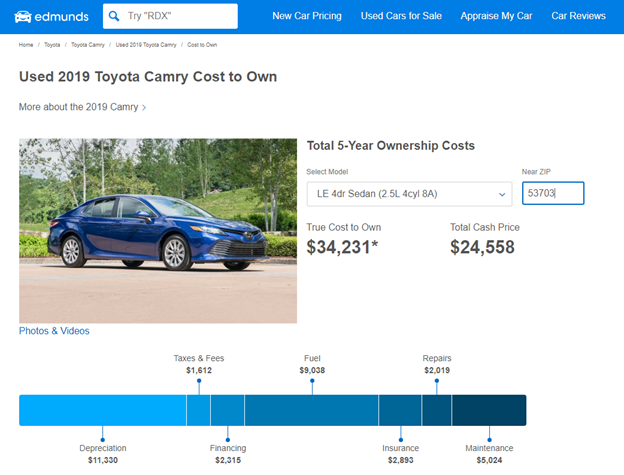
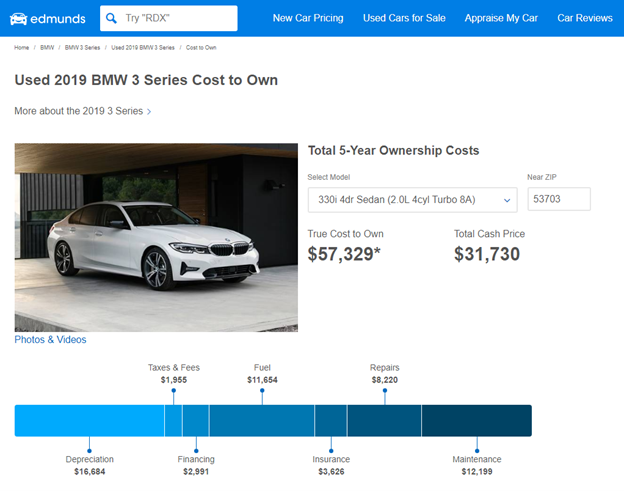
The financial disparity between owning a reliable vehicle and one prone to issues is stark. For instance, while a 2019 Toyota Camry and a BMW 3 Series might have similar used purchase prices, their long-term ownership costs diverge sharply. A reliable car like a Toyota Camry might accrue around $7,043 in maintenance and repairs over five years, averaging approximately $117 per month. In contrast, an equivalent BMW 3 Series could cost upwards of $20,419 over the same period, averaging about $340 per month. Some luxury or performance vehicles, like a Range Rover, have documented repair bills exceeding $15,000 within just four years. Lease agreements often mitigate repair costs as dealers typically cover most major issues under warranty, but for purchased used cars, consulting resources like Edmunds’ True Cost to Own calculator is indispensable before committing to a purchase.
4. Auto Insurance: Approximately $150/month
Auto insurance is a mandatory expense for most drivers, protecting against financial losses from accidents, theft, and other damages. The national average for full coverage auto insurance was around $1,662 annually, or $138.20 per month, according to PolicyGenius. However, young drivers typically face higher premiums due to statistical risk factors, making a budget of $150 per month a more realistic estimate for this demographic.
Most lease and loan agreements legally mandate full coverage insurance (liability, collision, and comprehensive) until the vehicle is fully owned, as the car technically remains the property of the lender or leasing company. Despite these requirements, numerous strategies exist to reduce insurance costs, including comparing quotes from multiple providers, opting for higher deductibles, bundling policies, maintaining a clean driving record, and inquiring about discounts (e.g., for good students, low mileage, or safety features).
5. Registration, Taxes, and Fees: Approximately $10/month (~$120/year)
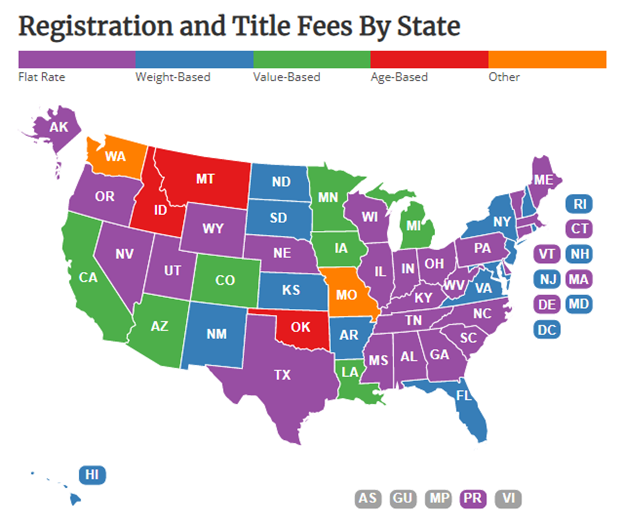
Beyond the initial sales tax incurred during the vehicle purchase, ongoing governmental fees constitute another recurring expense. These include annual registration fees, title fees, and potentially other state-specific charges like emissions testing or personal property taxes. The cost of these fees varies significantly by state. For example, Georgia’s annual registration and title fees are relatively low at $20 and $18, respectively. North Dakota, however, has some of the highest annual registration fees, reaching $274. Most states fall below $100 annually, making this a comparatively minor but consistent cost. Interactive maps provided by organizations like the National Conference of State Legislatures offer a quick reference for specific state fees.
6. Parking: ~$0 to $350/month (highly variable)
Often overlooked in conventional car ownership cost analyses, parking can be a substantial expense, particularly for urban dwellers. Unlike AAA’s estimates, which frequently omit parking, this article highlights its critical role in total ownership costs. Monthly parking rates in major U.S. cities exhibit a wide range, from around $50 in less dense areas like Mobile, Alabama, to an exorbitant $340 in densely populated cities such as San Francisco, with the national average hovering around $150.
Prospective owners must carefully assess their daily parking needs. Factors to consider include whether landlords offer free parking, if employers provide subsidized or free parking at work, and the frequency and cost of parking for leisure activities in city centers (which can easily add $30 or more per outing). The "True Cost to Park" should be estimated alongside the "True Cost to Own" to create a holistic financial picture.
7. Depreciation: Approximately $250/month
Depreciation represents the gradual loss of a vehicle’s market value over time. While not a direct, out-of-pocket monthly payment, it is a significant "invisible" cost that becomes tangible when the car is sold or traded in. The rate of depreciation is influenced by factors such as the vehicle’s make, model, condition, mileage, and market demand.
Using the previous Camry versus 3 Series example, a Toyota Camry typically depreciates slowly, losing approximately $11,330 of its value over five years. This translates to an effective monthly depreciation cost of about $188.83 ($11,330 / 60 months). In contrast, a BMW 3 Series, often due to a mixed reputation for long-term reliability and higher maintenance costs, depreciates faster, retaining only about 47.4% of its value after five years, resulting in a higher effective monthly depreciation cost of around $251.27.
Depreciation is irrelevant in a lease scenario as the vehicle is never owned. Electric Vehicles (EVs) often face accelerated depreciation compared to ICE vehicles due to concerns about battery degradation, expiring battery warranties, and the significant cost of battery replacement (estimated at $8,000 to $20,000) typically required around the 10-year mark.
The Cumulative Burden: Total Costs of Owning a Car
Aggregating these individual costs reveals the true financial commitment:
- Monthly financing/lease payments: ~$450
- Fuel/charging: ~$150
- Maintenance and repairs: ~$150 (for a reliable model, potentially much higher)
- Insurance: ~$150
- Registration, taxes, and fees: ~$10
- Parking: ~$30 (average, highly variable)
- Depreciation: ~$250
This brings the total estimated monthly cost of car ownership to approximately $1,190, with a conservative average of $940 as initially suggested, depending on individual choices and circumstances. This figure can be significantly higher for less reliable or premium vehicles, or for drivers in high-cost urban environments.
Strategies for Mitigating Car Ownership Costs
For those daunted by these figures, several actionable strategies can help reduce the overall financial burden:
- Finance a Reliable, Slightly Used Car: Opting for a certified pre-owned vehicle from a reputable brand (e.g., Toyota, Honda, Lexus) instead of a brand-new car or a lease can significantly reduce depreciation and initial purchase costs. A car that is 2-3 years old has already absorbed the steepest depreciation curve.
- Prioritize Dependable Brands: Research vehicle reliability ratings from organizations like J.D. Power and Consumer Reports. Brands known for their longevity and lower maintenance costs will save substantial amounts in repairs over the vehicle’s lifespan.
- Shop Around for Insurance: Regularly compare quotes from multiple insurance providers. Premiums can vary by hundreds of dollars for identical coverage. Inquire about all available discounts.
- Optimize Fuel Consumption: Drive conservatively to improve fuel economy. Utilize gas price comparison apps to find the cheapest fuel in your area. Consider using fuel rewards credit cards or loyalty programs to earn cashback or discounts on gasoline. For EVs, prioritize home charging during off-peak hours where electricity rates are lower.
- Adhere to Maintenance Schedules: Proactive maintenance, such as regular oil changes and tire rotations, can prevent minor issues from escalating into costly repairs. A well-maintained vehicle also retains its value better.
- Plan for Parking: Before purchasing, assess your typical parking expenses. If moving to an urban area, factor in monthly garage fees or consider locations with included parking. Explore public transportation alternatives for reducing daily driving and associated parking costs.
- Consider the "Total Cost of Ownership" Beyond Price: When comparing vehicles, use online tools like Edmunds’ True Cost to Own calculator, which projects not just the purchase price but also fuel, maintenance, insurance, and depreciation over several years. This holistic view provides a more accurate financial comparison.
- Negotiate Loan Terms: Secure the best possible interest rate by improving your credit score and shopping for pre-approvals from multiple lenders before visiting a dealership. A lower APR can save thousands over the life of the loan.
Broader Economic Implications and Conclusion
The significant and multifaceted costs of car ownership have broad economic implications for households and the wider economy. For individuals, these costs represent a substantial portion of discretionary income, potentially impacting savings, investment capabilities, and other major life expenditures like housing or education. In regions with limited public transportation, car ownership is often a necessity, creating a disproportionate financial burden on lower-income households.
From an economic perspective, the automotive sector’s health is closely tied to consumer confidence and spending. High car ownership costs can dampen new car sales, shift demand towards the used car market, or encourage longer vehicle retention periods. The rising interest in EVs, while promising for environmental goals, introduces new cost considerations related to charging infrastructure and long-term battery health, impacting both consumer adoption and grid stability.
Ultimately, while the costs associated with owning a car are undeniably substantial, the value proposition often extends beyond mere financial figures. For many, a car represents unparalleled comfort, convenience, freedom of movement, and even sheer driving pleasure. The decision to purchase a vehicle, therefore, must be an informed one, balancing these tangible and intangible benefits against a clear-eyed understanding of the true total financial commitment. By meticulously budgeting for all seven cost categories and employing strategic cost-saving measures, car ownership can remain a valuable and manageable aspect of modern life.

