
In a significant and increasingly evident divergence within the nuclear energy sector, the development and deployment of smaller, advanced reactors, often termed microreactors, are demonstrating tangible and accelerating progress across the United States. This momentum is sharply contrasted by the enduring challenges and often unfulfilled promises associated with large, grid-scale nuclear power plants, a segment that has largely seen a cascade of announcements regarding ambitious plans rather than concrete, operational advancements. This dichotomy highlights a critical pivot in the energy landscape, driven by evolving technological capabilities, regulatory adaptations, and an urgent demand for reliable, carbon-free power from energy-intensive industries.
The Ascendance of Microreactors: A New Era of Nuclear Innovation
The concept of microreactors, characterized by their compact size, modular design, and ability to generate power ranging from a few megawatts to tens of megawatts, represents a departure from the traditional gigawatt-scale facilities. These reactors are designed for diverse applications, including powering remote communities, industrial sites, military bases, and increasingly, data centers. Their inherent advantages lie in their scalability, reduced construction timelines, enhanced safety features (often passive safety systems), and potential for factory fabrication, which can significantly lower costs and improve quality control compared to bespoke, large-scale builds.
Recent months have brought a flurry of concrete milestones for these smaller reactors, signaling a shift from conceptual designs to physical construction and operational readiness. Equipment is being manufactured and delivered, rigorous safety reviews are being successfully navigated, and the foundational process of nuclear fission—the splitting apart of uranium atoms—is either underway or imminent in several pilot projects. This operational progress paints a vibrant picture of innovation and execution, providing a stark counterpoint to the more protracted timelines and complex financial hurdles that have historically plagued their larger counterparts.
Key Milestones and Project Progress: A Detailed Chronology
The rapid progression within the microreactor space can be observed through several leading projects, each contributing to the overall narrative of a revitalized, albeit smaller-scale, nuclear industry.
Idaho National Laboratory (INL) MARVEL Reactor: A flagship initiative, the MARVEL (Microreactor AGile Vault for Energy Research) reactor at the Idaho National Laboratory is poised to become a critical testbed for advanced microreactor technologies. INL announced in recent months that it had secured Department of Energy (DOE) approval for the final safety analysis covering zero-power criticality. This regulatory clearance is a monumental step, allowing the project to proceed to the crucial phase of initial fuel loading and operation. The primary coolant system for MARVEL, a sodium-cooled design, has already arrived on-site, a tangible indicator of physical progress. With these components in place and safety protocols approved, criticality, the point at which a nuclear chain reaction becomes self-sustaining, is now anticipated as early as December. The insights gained from MARVEL’s operation are expected to inform and accelerate the commercialization efforts of companies like Aalo Atomics, which is basing its commercial microreactor design on the MARVEL technology.
Last Energy’s Texas A&M Pilot Reactor: Building on the momentum generated by INL, Last Energy quickly followed suit with its own significant announcement. The company received DOE approval for the final safety analysis for its pilot reactor project at Texas A&M University. This approval propels the project into its final stages of preparation before authorization for startup. A key aspect of Last Energy’s approach is its commitment to commercial viability, demonstrated by its full-scale core and reliance on conventional low-enriched uranium fuel. This design choice directly links the experimental pilot to the company’s planned commercial offerings, underscoring a strategic pathway from demonstration to market deployment. The project’s success at Texas A&M is crucial for validating the safety and operational efficiency of Last Energy’s modular microreactor design, which aims to provide cost-effective and scalable power solutions.
Deep Fission’s Subterranean Innovation: Deep Fission stands out with its innovative approach to reactor placement, proposing a pressurized water design intended for underground deployment. This concept offers inherent safety and security advantages by leveraging geological isolation. In August, the company received DOE approval for its nuclear safety design agreement, a crucial regulatory endorsement that validates the foundational safety principles of their "Gravity" pilot reactor. Demonstrating a commitment to transparency, Deep Fission has proactively published this agreement, allowing for public and industry scrutiny. Beyond regulatory approvals, the company also conducted a practical engineering test, successfully lowering and retrieving a prototype canister simulating their reactor design. While this test reached a depth of 100 feet, well short of the proposed mile-deep deployment, it proved the feasibility of using off-the-shelf drilling equipment for such operations and tested actual hardware under relevant conditions, marking a significant engineering achievement.

Westinghouse’s eVinci Microreactor Program: Even established giants in the nuclear industry are making strides in the microreactor segment. Westinghouse, a company with a long history in grid-scale reactor technology, has been actively advancing its eVinci microreactor program. In September, the company announced the successful completion of high-temperature criticality experiments. These experiments are vital for validating the operational characteristics and safety performance of the eVinci design, particularly concerning its ability to operate efficiently at elevated temperatures. The eVinci reactor, designed to deliver 5 MWe of electrical power, is intended for applications requiring resilient, carbon-free energy, such as remote mining operations, defense installations, and critical infrastructure. Westinghouse’s entry and progress in this arena further legitimize the microreactor market and bring considerable engineering expertise to the table.
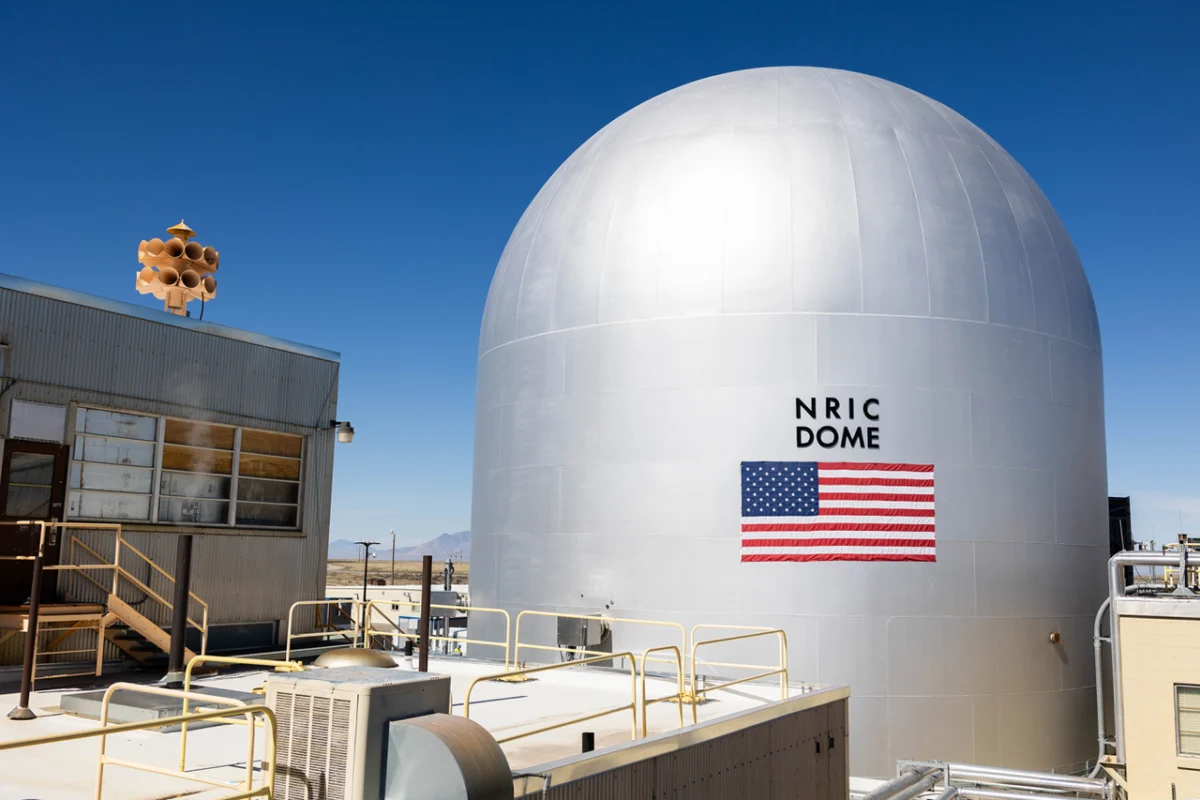
Radiant Nuclear’s Kaleidos Reactor: Radiant Nuclear is another promising entrant on the microreactor watchlist, making significant headway with its gas-cooled Kaleidos reactor. The reactor has been successfully installed at INL’s DOME (Dynamic Outdoor Microreactor Test Bed), a dedicated facility for testing advanced nuclear systems. The company has indicated that it could announce criticality for its test reactor by the end of the year. The Kaleidos reactor is designed to be highly transportable and capable of generating power for a variety of off-grid and remote applications, emphasizing speed of deployment and operational flexibility. Its gas-cooled design offers distinct advantages in terms of safety and efficiency, contributing to the diversity of technological approaches within the microreactor ecosystem.
The Stalled Grid-Scale Nuclear Renaissance: A Contrast in Progress
The tangible progress in the microreactor segment stands in sharp relief against the backdrop of the "nuclear renaissance" envisioned for large, grid-scale reactors in the United States over the past decade. This ambitious push for new gigawatt-scale plants, exemplified by projects like the AP1000, has largely been characterized by significant delays, massive cost overruns, and ultimately, a failure to deliver on the promised expansion of nuclear capacity. The Vogtle project in Georgia, for instance, became a stark illustration of these challenges, with its reactors taking years longer and billions of dollars more than initially projected.
Even more recent high-profile initiatives reflect this persistent disconnect between aspiration and execution. The U.S.-Korea framework, announced as a substantial $120 billion investment in nuclear energy, serves as a prime example. While impressive in its headline figure, the terms of this framework are largely non-binding, and critically, specific sites for potential reactor deployment have not even been selected. Such announcements, while generating positive headlines, often lack the foundational commitments and logistical groundwork necessary for concrete project advancement. This pattern of "big announcements about fancy plans" without corresponding physical progress or operational timelines has become a frustrating hallmark of the grid-scale nuclear sector, especially when compared to the demonstrable steps being taken by microreactor developers. The regulatory labyrinth, immense upfront capital requirements, and lengthy construction periods continue to pose formidable barriers to new large-scale nuclear builds.
Industrial Demand Shifts: Hyperscalers Drive a Preference for Existing Power
A crucial factor contributing to the microreactor surge and the grid-scale stagnation is a fundamental shift in energy demand, particularly from hyperscalers and the burgeoning data center industry. These entities, which include major technology companies operating vast computing infrastructure, have an insatiable and rapidly growing appetite for reliable, constant, and preferably carbon-free electricity. Their demand is not for future promises but for immediate, secure power sources.
The current energy market reveals that while natural gas remains the cheapest option for power generation, the grid queue for connecting new power plants, regardless of fuel type, has stretched to an average of five years or more in many regions. This extended waiting period is unacceptable for data centers, where uptime and continuous operation are paramount. Consequently, hyperscalers are not waiting for new gigawatt-scale plants to materialize; instead, they are actively pursuing and contracting every available existing nuclear megawatt they can secure. This strategy prioritizes speed, reliability, and the immediate reduction of carbon footprints.
The preference for existing infrastructure is evident in recent significant deals. The partnership between Google and Constellation, for instance, aims to source a substantial portion of Google’s data center power needs from Constellation’s existing nuclear fleet. This arrangement could lead to as much power being generated through plant uprates—modest investments to increase the output of already operating reactors—as would be produced by an entirely new reactor plant being built. Uprates are significantly faster and less costly to implement than constructing new facilities, making them an attractive option for meeting immediate demand.
Furthermore, the trend extends to the resurrection of dormant nuclear assets. In a notable development, tech companies are showing interest in bringing retired nuclear power plants back online, rather than embarking on greenfield projects for new construction. NextEra’s securing of a $1.9 billion loan from the Department of Energy to restart the Duane Arnold nuclear power plant in Iowa exemplifies this trend. Such initiatives underscore the urgency with which industrial consumers are seeking stable, high-capacity power sources, and their willingness to invest in proven, existing nuclear infrastructure over speculative new builds.

Regulatory Landscape and Future Outlook
The Department of Energy (DOE) and the Nuclear Regulatory Commission (NRC) play pivotal roles in shaping the future of advanced nuclear technologies. The DOE’s various programs, including those supporting INL and providing financial backing for projects, are instrumental in de-risking new reactor designs and accelerating their path to commercialization. The NRC, meanwhile, is adapting its regulatory framework to efficiently and safely license these smaller, often passively safe, reactors. The approvals for final safety analyses and design agreements granted to MARVEL, Last Energy, and Deep Fission underscore the effectiveness of these collaborations between industry and government.
The implications of this burgeoning microreactor sector are profound. Microreactors offer a decentralized energy solution that can enhance grid resilience, reduce transmission losses, and provide critical power to areas underserved by conventional grid infrastructure. They are particularly well-suited for industrial parks, remote mining operations, and military bases that require secure, independent power sources. From an environmental perspective, their deployment contributes significantly to decarbonization efforts, offering a reliable, non-intermittent source of clean electricity.
However, it is crucial to recognize that microreactors are not a panacea for all energy challenges, nor are they a direct replacement for grid-scale plants. They offer complementary solutions, filling specific niches and addressing particular demands that large reactors struggle to meet. The ongoing challenge remains to develop a diverse energy portfolio that integrates various technologies—renewables, energy storage, and both large and small nuclear reactors—to ensure national energy security and meet ambitious climate goals.
Addressing Challenges and Broader Implications
While the progress in microreactors is encouraging, challenges remain. These include establishing robust supply chains for specialized components, developing a skilled workforce, and securing private investment at scale. Waste management for microreactors, though potentially less voluminous than for large plants, still requires comprehensive long-term solutions. Public acceptance and transparent communication about safety and benefits will also be critical for widespread deployment.
The current landscape paints a dual narrative for the American nuclear industry. On one hand, the smaller end of the spectrum, propelled by innovative designs, focused regulatory efforts, and immediate industrial demand, is making concrete strides towards deployment. This segment promises a more agile, distributed, and potentially faster pathway to adding carbon-free generation capacity. On the other hand, the grid-scale nuclear sector continues to grapple with the same entrenched issues that have plagued it for decades, struggling to translate ambitious announcements into operational reality.
The demand for nuclear energy has never been stronger, but it is a demand increasingly focused on efficiency, speed, and proven track records rather than speculative greenfield projects. The tech sector’s preference for existing nuclear megawatts, uprates, and resurrected plants highlights a pragmatic approach to energy procurement. This shift indicates that the future of nuclear power in the U.S. may not solely hinge on the construction of colossal new plants, but rather on a diverse strategy that includes the rapid deployment of microreactors and the optimized utilization of existing assets. This evolution promises to redefine nuclear energy’s role in the 21st century, making it a more adaptable and responsive component of the national energy infrastructure.

