
By Joe Casey
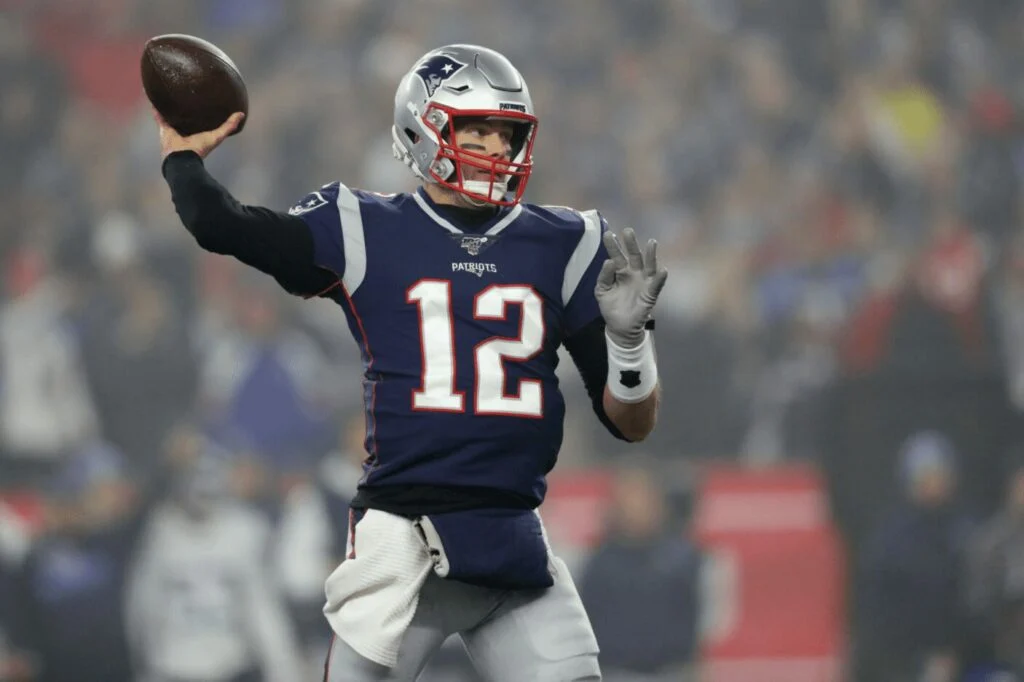
Tom Brady’s decision to retire from the National Football League, a move announced in February 2023 after a storied 23-season career, offers valuable insights beyond the realm of professional sports, providing applicable principles for individuals navigating their own career transitions and retirement planning. While the quarterback’s extraordinary success, immense wealth, and high-profile personal life may seem distant from the everyday experiences of most, the underlying strategies and considerations behind his departure hold universal relevance. Examining the actions and mindset of a figure who consistently operated at the pinnacle of his profession can illuminate paths toward a more fulfilling and well-prepared transition out of a primary career.
The Art of Knowing When to Exit
Brady, who had previously expressed a desire to play until at least age 45, ultimately retired a year shy of that personal benchmark. This divergence from his stated goal underscores a crucial lesson: the ability to recognize and act upon the right moment for departure, even if it means deviating from a pre-established target. In the professional world, much like in sports, individuals often set retirement dates or career milestones. However, the realities of personal well-being, evolving interests, and unforeseen circumstances can necessitate a recalibration.
This principle is particularly pertinent when considering the broader retirement landscape. Data from organizations like the U.S. Census Bureau and various retirement studies consistently show that a significant portion of individuals do not retire on their own terms. Financial insecurity, unexpected health issues, or organizational downsizing can force earlier exits. Therefore, cultivating an awareness of one’s own readiness for transition, independent of rigid timelines, becomes paramount. The ability to make a conscious decision to move on, even if it falls short of an aspirational goal, signifies a proactive approach to career longevity and personal satisfaction. It is about aligning the decision with one’s current state and future aspirations, rather than solely adhering to a predetermined date.
The Strategic Advantage of Exiting at the Peak
Tom Brady’s final NFL season saw him lead the league in passing yards and emerge as a strong contender for the Most Valuable Player award. This performance highlights the strategic advantage of concluding a career while still at the top of one’s game. For years, Brady articulated a philosophy of playing as long as he remained effective, eschewing the prospect of lingering in a role beyond his optimal performance level. This approach contrasts with the common tendency for professionals, both in sports and business, to extend their careers beyond their peak, potentially diminishing their legacy and personal fulfillment.
The implication for individuals outside of professional athletics is to consider their own performance trajectories and professional satisfaction. Are there opportunities to transition out of a role while still feeling energized and highly competent? This is not to suggest that every career must end with a championship-level performance, but rather to encourage introspection about one’s current impact and enjoyment. The ability to control the timing of one’s departure, allowing for a graceful exit on one’s own terms, can significantly enhance the perception of one’s career and contribute to a more positive post-career transition. It offers a sense of agency and pride, rather than a feeling of being phased out or struggling to keep pace.
Building the Foundation for the Next Chapter
A critical aspect of Brady’s retirement strategy was his proactive development of ventures outside of football during his playing career. He established a health and fitness company, launched a clothing line, and co-founded a production company. This foresight demonstrates a commitment to preparing for life beyond his primary profession long before it became an immediate reality. While the specific nature of these ventures may not be universally replicable, the underlying principle of laying the groundwork for a "next act" is profoundly applicable to anyone contemplating retirement or a significant career shift.
Experts in career counseling and retirement planning emphasize the importance of this preparatory phase. It involves not just financial planning, but also the exploration of interests, passions, and potential future activities. This could range from pursuing part-time work, engaging in volunteerism, offering consulting services, writing a book, or dedicating time to travel and personal development. The key is to begin envisioning this future state while still actively engaged in one’s current role. This allows for research, skill acquisition, networking, and a realistic assessment of what these post-career pursuits will entail.
Data from the Pew Research Center indicates that individuals who engage in pre-retirement planning are more likely to report higher levels of satisfaction and financial security in retirement. This proactive approach helps to mitigate the potential for abrupt adjustments and feelings of disorientation that can accompany a sudden cessation of full-time work. Networking with individuals who have already made similar transitions can provide invaluable insights and mentorship, bridging the gap between aspiration and execution.
The Paramountcy of Family Considerations
Speculation surrounding Tom Brady’s retirement frequently pointed to family considerations as a significant contributing factor. For many individuals, particularly those with spouses, partners, or children, family dynamics play an undeniable role in decisions about career and retirement. The realization that a career transition impacts more than just the individual is a sentiment widely shared.
A notable challenge in retirement planning for couples is the potential for miscommunication or a lack of detailed discussion. A survey conducted by Fidelity Investments revealed that a substantial percentage of couples inaccurately estimated their partner’s retirement timeline. This underscores the critical need for open, honest, and ongoing conversations about retirement expectations, desires, and potential impacts. Retirement is not solely an individual decision; it is a shared journey that requires mutual understanding, compromise, and collaborative planning. Prioritizing these discussions can help to ensure that both partners feel heard, supported, and prepared for the changes ahead.
Maintaining Grace and Professionalism in Departure
Tom Brady faced some criticism regarding his initial retirement announcement, specifically for not explicitly mentioning the New England Patriots, the team with which he spent two decades and achieved unparalleled success. While the nuances of public statements can be complex, the underlying lesson is the value of maintaining grace and professionalism during transitions. Avoiding unnecessary conflict, refraining from burning bridges, and opting for a dignified exit are crucial for preserving relationships and one’s professional reputation.
The temptation to engage in petty grievances or express vindictiveness upon leaving an organization can be strong, particularly if the departure is fraught with challenges. However, the long-term consequences of such actions often outweigh any fleeting satisfaction. Anecdotal evidence and professional observations suggest that individuals who depart with integrity and respect tend to foster more positive future interactions and opportunities. The story of a former employee’s "scorched earth" resignation letter, widely shared and ultimately detrimental to the individual’s career prospects, serves as a cautionary tale. In any professional exit, prioritizing civility and a forward-looking perspective is a more constructive and beneficial approach.
The Unlocked Door: The Possibility of Return
A significant trend observed in post-pandemic retirement patterns is the phenomenon of "unretirement." Studies, such as those referenced by Retirement Wisdom, have indicated that a notable percentage of retirees return to the workforce within a few years of their initial retirement. The reasons for this are often multifaceted, extending beyond purely financial motivations. Many unretire due to a desire for the sense of purpose and structure that work provides, the social camaraderie of a workplace environment, or the cognitive engagement that a demanding role offers.
In Tom Brady’s case, speculation immediately arose about a potential return to the NFL, drawing parallels to other veteran quarterbacks who have unretired. While his current situation is specific to professional sports, the broader implication for individuals contemplating retirement is the wisdom of not definitively "locking the door" on future endeavors. Maintaining flexibility, keeping skills relevant, and staying connected to professional networks can open avenues for re-engagement if desired. The concept of a phased retirement, or the exploration of new roles that leverage existing expertise and passions, allows for adaptation and continued contribution. The decision to retire should ideally be viewed as a transition to a new phase, rather than an absolute endpoint, preserving the possibility of future engagement if circumstances and personal desires align.
Joe Casey is an executive coach and career transition specialist. He hosts "The Retirement Wisdom Podcast" and is the author of "Win the Retirement Game: Outsmart the 9 Forces Trying to Steal Your Joy."

