
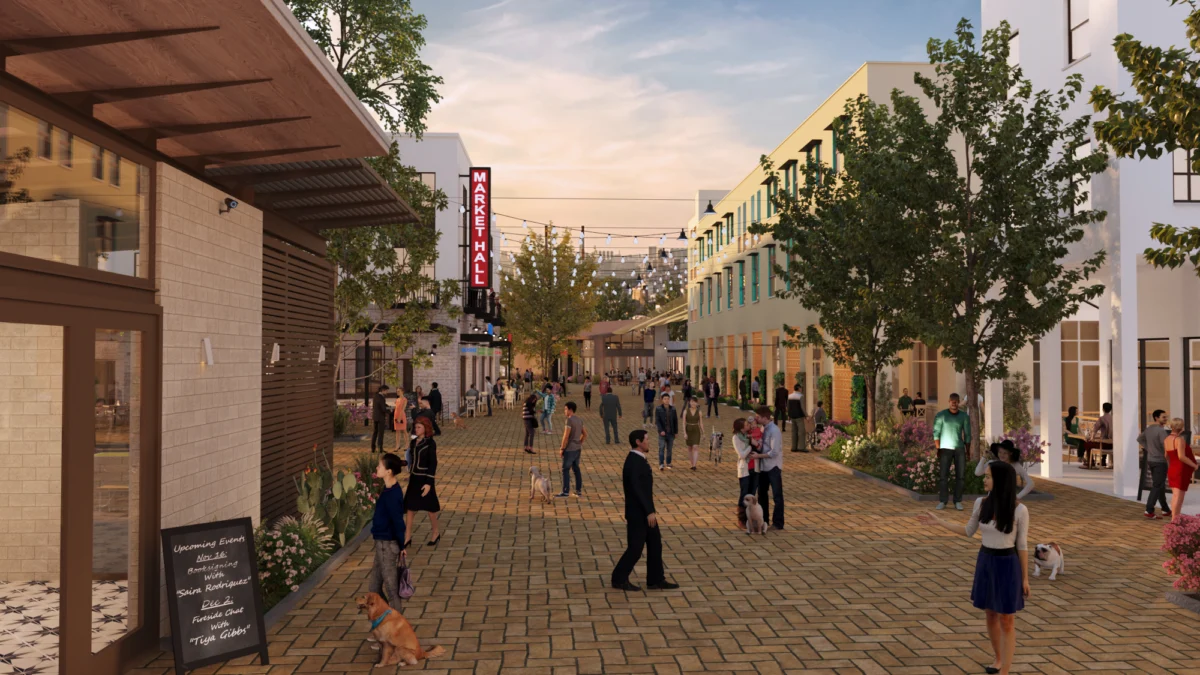
In an era increasingly defined by rapid urbanization and the pressing need for sustainable living, a transformative vision is emerging: cities designed fundamentally for people, rather than prioritizing automobiles. This paradigm shift, championed by prominent voices in lifestyle and financial independence, promises not merely incremental improvements but a profound restructuring of economic prosperity, public health, and social vibrancy. At its core, the argument posits that reorienting urban planning away from car dependency could unlock unprecedented wealth and enhance the quality of life for billions, addressing a multitude of contemporary challenges in one sweeping initiative.
The Economic Imperative of People-Centric Urbanism
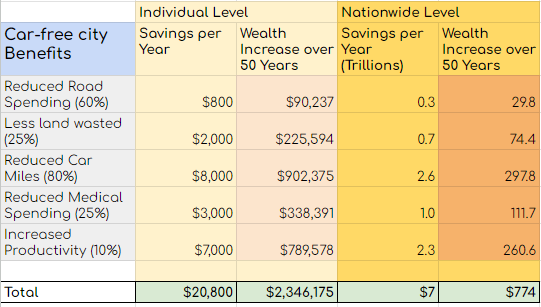
The financial implications of transitioning to human-scale urban environments are staggering, far exceeding conventional estimates of urban development. Proponents suggest that such a shift could generate an economic uplift of over $20,000 per person annually. This individual saving, stemming from reduced expenditures on car ownership—including vehicle purchase, maintenance, insurance, fuel, and parking—compounds dramatically over a lifetime, potentially totaling more than two million dollars per adult. According to AAA, the average cost of owning and operating a new vehicle in 2023 was $12,182 per year, a significant burden on household budgets that largely disappears in car-free models. On a national scale, for a country like the United States, this translates into an estimated annual economic boost of approximately seven trillion dollars. Over five decades, this compounding wealth creation could exceed 770 trillion dollars, a figure that surpasses the current total amount of human wealth globally.
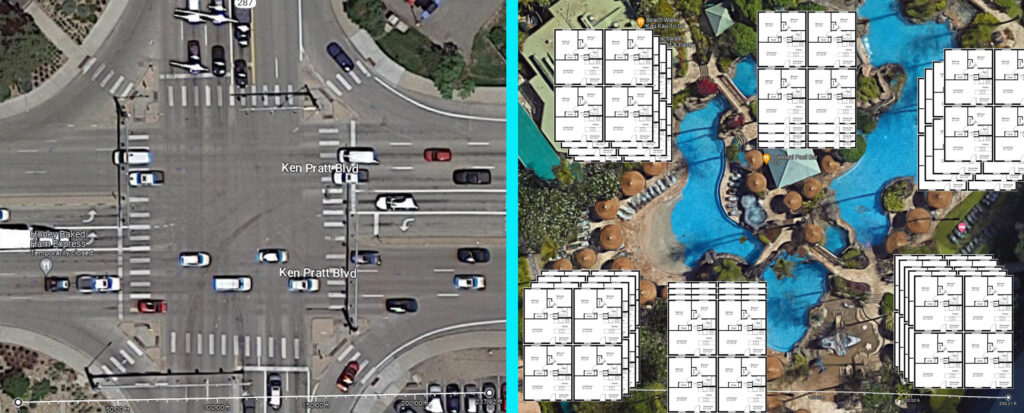
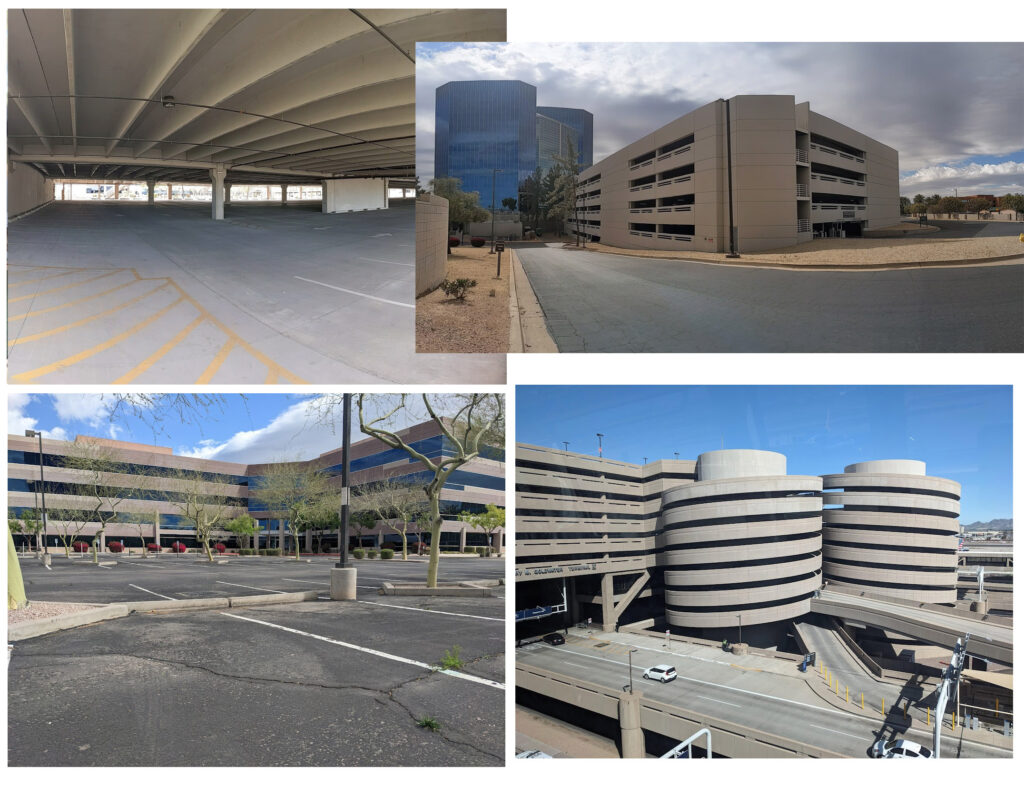
This profound economic impact stems from the fundamental inefficiency of car-centric infrastructure. Vast tracts of valuable urban land are currently dedicated to roads, highways, and parking lots—spaces that generate little direct economic return and often fragment communities. For instance, a single car parking space can occupy roughly the same footprint as a modest two-bedroom apartment. A large urban intersection, often spanning 1.5 acres or more, could alternatively house hundreds of residents in amenity-rich environments. Reclaiming this land for residential, commercial, and green spaces allows for denser, mixed-use developments that are inherently more valuable and productive. Furthermore, a less car-dependent lifestyle promotes physical activity, leading to significant reductions in healthcare costs associated with sedentary living and pollution-related illnesses. The collective savings from these factors, coupled with increased personal disposable income and reduced public infrastructure spending, would fuel an investment and prosperity boom unlike any seen before.
A Historical Perspective on Urban Sprawl and Car Dominance
The current state of urban planning, heavily favoring vehicular transport, is a relatively recent historical development. Before the widespread adoption of automobiles, cities were naturally more walkable and mixed-use. Neighborhoods typically offered residences, shops, and workplaces within close proximity, fostering vibrant street life and local economies. The early 20th century, however, saw the rapid rise of the automobile industry, coupled with influential urban planning philosophies that prioritized traffic flow and separation of land uses.
Following World War II, a confluence of factors—including the Interstate Highway System in the U.S. (established in 1956), a cultural emphasis on suburban living, and readily available affordable automobiles—propelled a rapid expansion of car-dependent infrastructure. Zoning laws often mandated single-use districts and minimum parking requirements, effectively scattering essential services and making walking or cycling impractical, if not dangerous. This era cemented the car as a necessity, not a luxury, for most residents in developed nations. The shift to car-centric design alienated people from their immediate surroundings, replacing bustling public squares with sprawling asphalt and transforming community thoroughfares into high-speed arteries. This historical context underscores that car-dependency is a constructed reality, not an inherent human need, and thus can be deconstructed and reimagined.
Culdesac Tempe: A Living Prototype of the Future
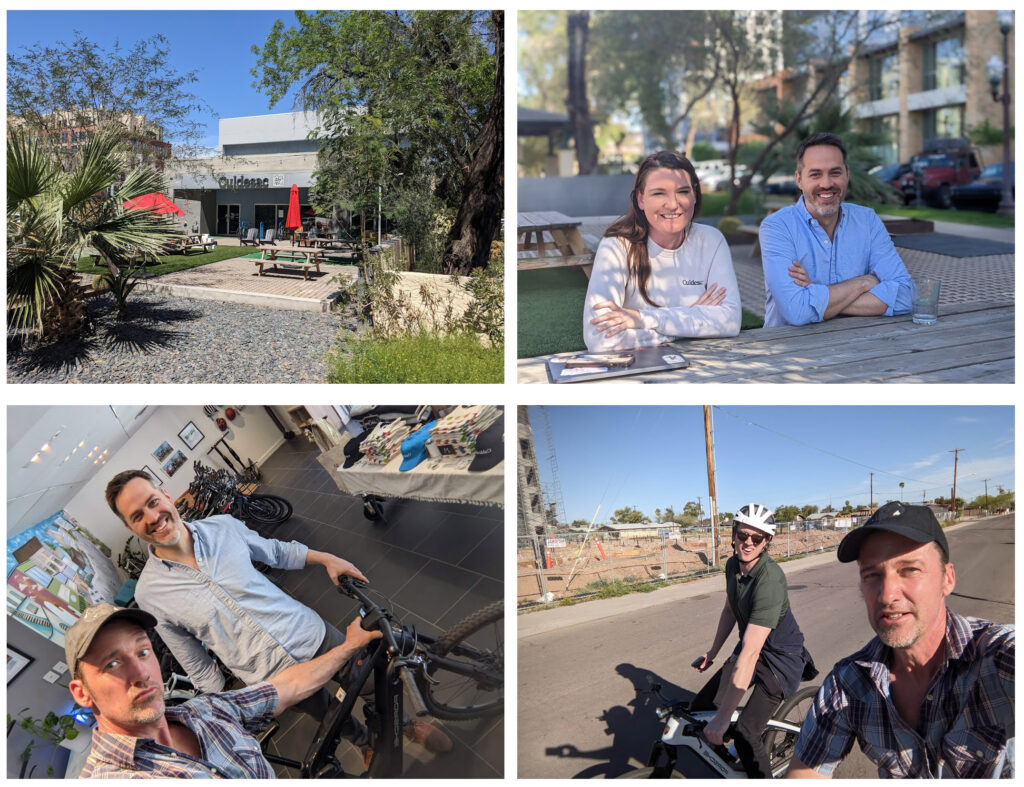
The theoretical benefits of people-centric cities are now manifesting in tangible form through innovative projects like Culdesac Tempe. Located in Tempe, Arizona, this pioneering development stands as the United States’ first large-scale, car-free neighborhood, designed to house approximately 1,000 residents across 17 acres. Construction began in 2020, with the first residents moving in during late 2022. Culdesac Tempe is not merely an apartment complex; it is a meticulously planned community aiming to demonstrate the viability and desirability of a life liberated from constant automotive reliance. The project has garnered significant attention, with even proponents like Mr. Money Mustache planning to relocate there by the end of 2023 to experience its benefits firsthand.
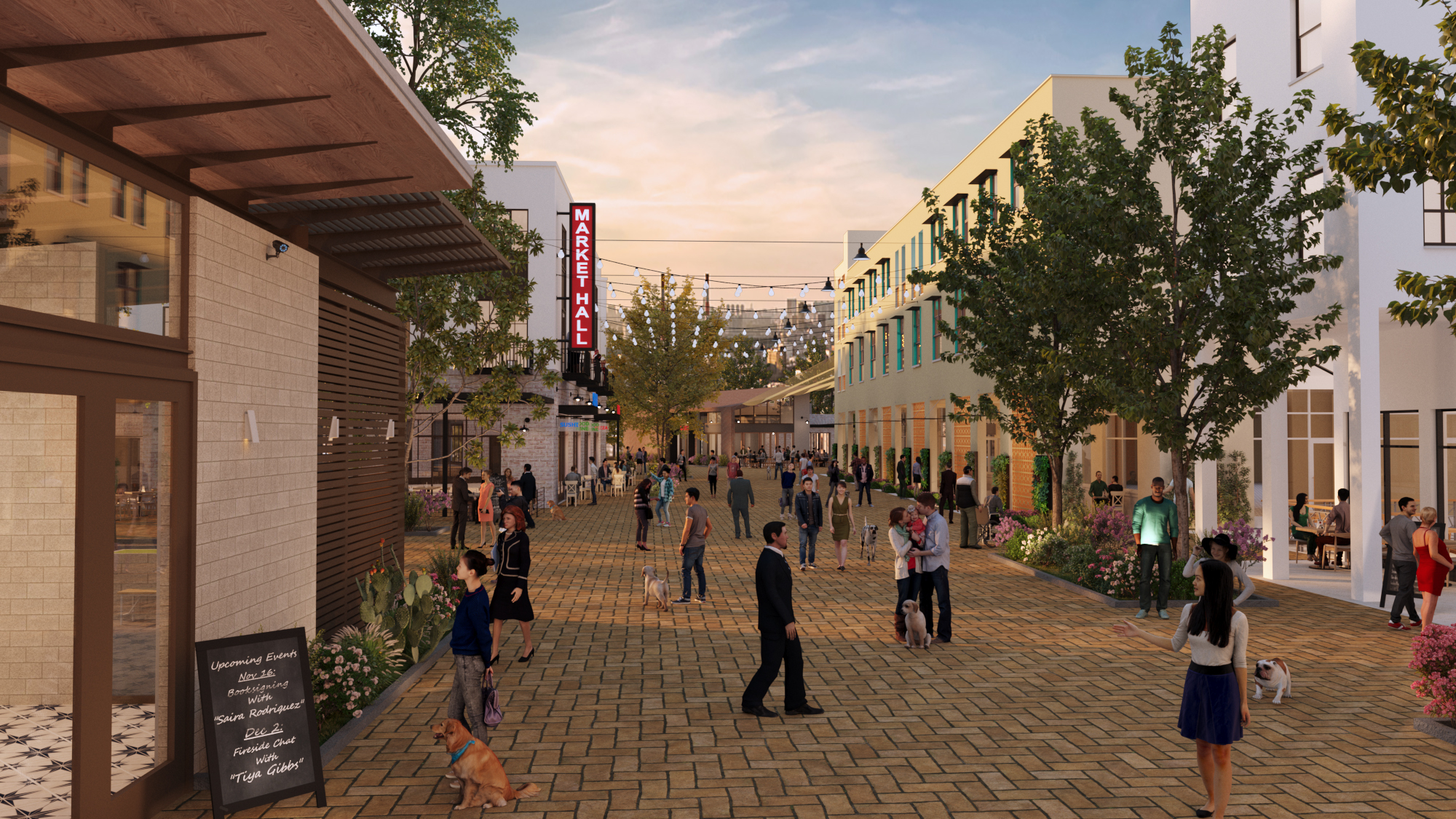
The design philosophy behind Culdesac Tempe is a direct rebuttal to car-centric sprawl. Instead of vast parking lots dominating the landscape, the space is reallocated to create inviting pedestrian pathways, lush green spaces, and vibrant communal areas. The architecture, inspired by Mediterranean aesthetics, prioritizes shade, natural ventilation, and heat reflection—essential considerations for Arizona’s desert climate. This intentional design fosters a sense of place and encourages outdoor living, with palm trees, gardens, and fruit-bearing plants contributing to a year-round pleasant environment.
Key amenities are integrated directly into the neighborhood, eliminating the need for residents to drive for daily necessities. These include a grocery store, a café, a co-working space, a gym, a pool, a dog park, and various retail and event spaces. This mixed-use approach ensures that most daily needs are met within a short walk or bike ride, cultivating a truly localized lifestyle. The central plaza serves as a focal point for community gathering, events, and impromptu social interactions, fostering a strong sense of belonging among residents.
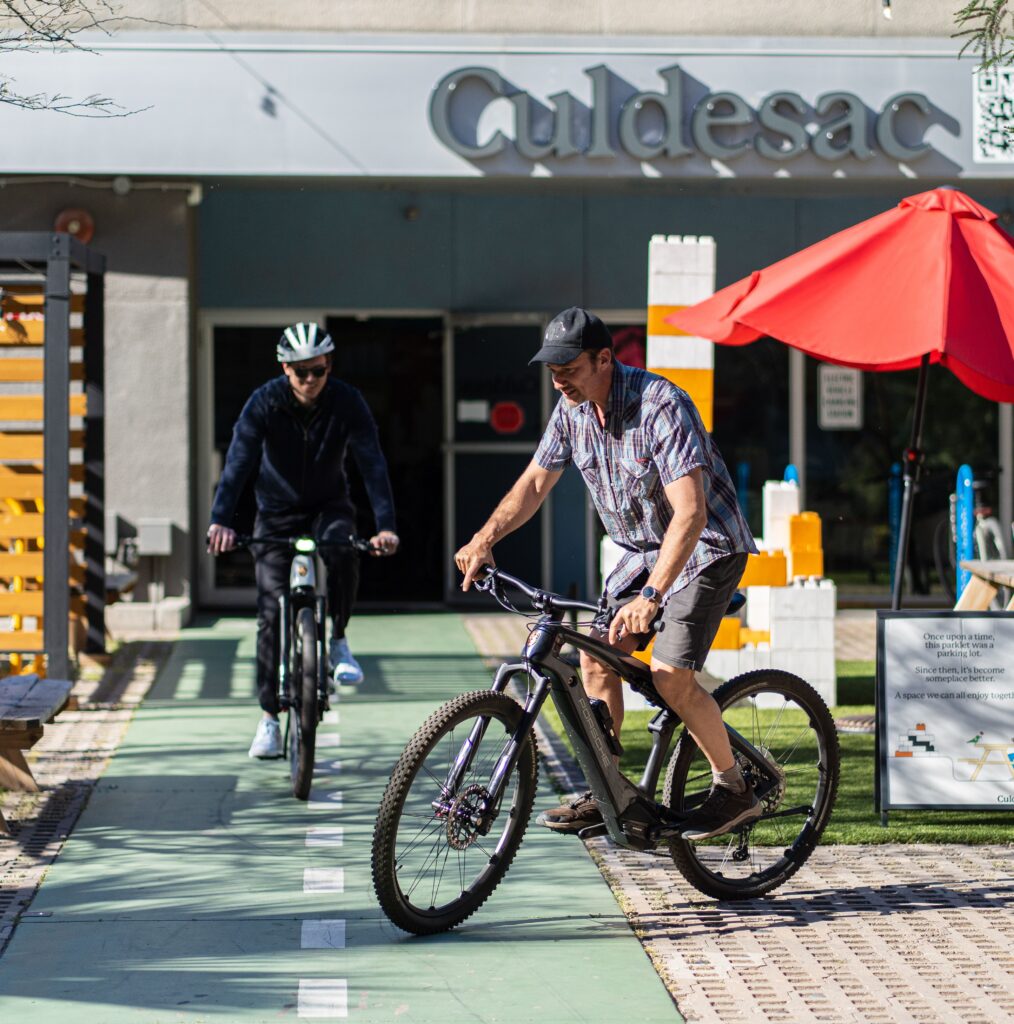
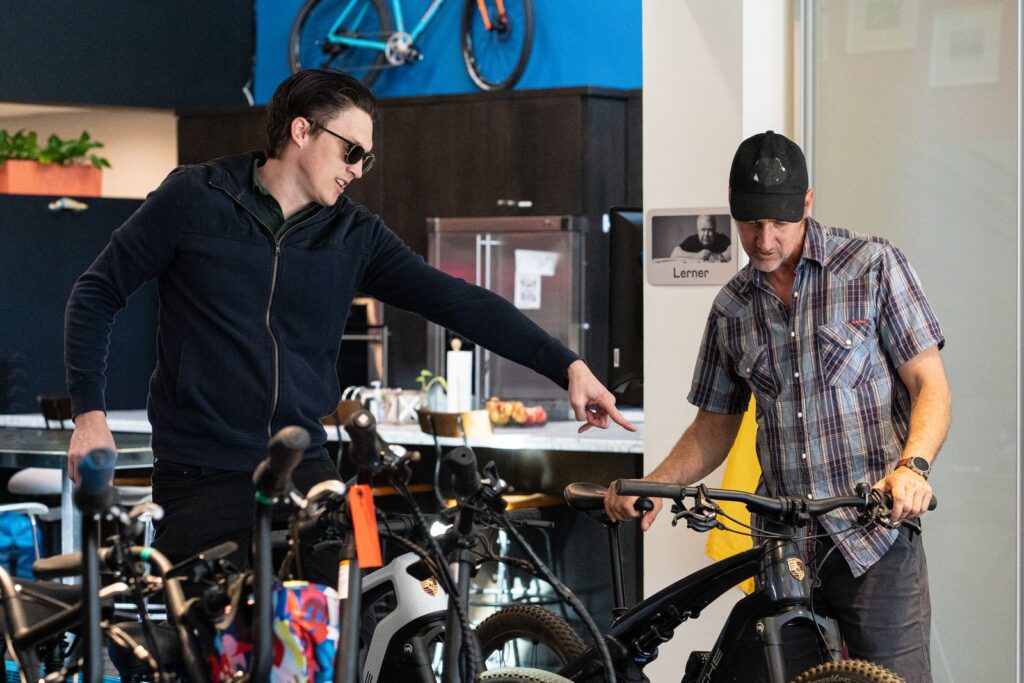
Connectivity extends beyond the immediate neighborhood. Culdesac Tempe is strategically located within walking distance of Arizona State University and directly on a light rail stop, providing seamless access to the broader Phoenix metropolitan area, including the airport. Residents receive an annual pass to the public transit system as part of their rent, further incentivizing sustainable transport. For longer excursions or specific needs, a fleet of rideshare electric cars is available within the community, offering convenience without the burden of individual car ownership. Additionally, an extensive fleet of electric bikes and scooters is available for shared use, facilitating quick and efficient local travel.
Statements and Vision from Culdesac Leadership
Jeff Berens and Ryan Johnson, co-founders of Culdesac, have articulated a clear vision for their project. They aim to not only create a desirable living environment but also to provide a scalable model for future urban development. "Our goal is to prove that car-free living is not just environmentally sustainable, but also financially profitable and profoundly enriching for residents," stated Berens in an interview, highlighting the triple bottom line approach. Johnson added, "We’re not just building apartments; we’re building communities. By removing the car as the primary mode of transport, we’re creating spaces where people interact more, walk more, and live healthier, more connected lives."
The city of Tempe, initially approached with a novel concept, demonstrated foresight in approving the project. While such a departure from traditional zoning might typically face resistance, Tempe’s leadership recognized the potential benefits in addressing housing affordability, sustainability goals, and creating innovative urban solutions. The collaboration between forward-thinking developers and receptive local government highlights a crucial pathway for replicating such models elsewhere. Local officials have reportedly expressed cautious optimism, monitoring the project’s success as a potential blueprint for future development that aligns with the city’s broader sustainability and livability objectives.
Addressing Common Objections and Misconceptions
The concept of car-free cities often elicits skepticism, particularly from those accustomed to the perceived convenience and freedom of personal automobiles. Common complaints revolve around logistical challenges: "How will I get to work?", "What about groceries?", "What if I need to travel outside the city?", or the fear of being forced onto public transit.
However, the design of projects like Culdesac Tempe directly addresses these concerns. The integration of workplaces, retail, and services within walking distance significantly reduces the need for daily car trips. For longer distances, efficient public transit, shared mobility services (e-bikes, scooters), and on-demand rideshare electric vehicles offer flexible and often faster alternatives in urban settings. Studies consistently show that bicycles and e-bikes, especially in congested urban areas, can outperform cars in terms of travel time for distances under 5-10 miles. The "freedom" often associated with cars frequently translates into time spent in traffic, searching for parking, and incurring significant expenses. A car-free environment redefines freedom as the ability to move efficiently, affordably, and enjoyably without the constraints of vehicle ownership. Essential services like deliveries and emergency vehicles are accommodated through designated access points and service roads, ensuring functionality without compromising the pedestrian-first design.
Bureaucratic inertia and outdated zoning laws remain significant hurdles. Many existing regulations mandate excessive parking, restrict mixed-use development, and prioritize vehicle flow over pedestrian safety. Overcoming these entrenched policies requires persistent advocacy, data-driven demonstrations of success, and a willingness from local governments to innovate. The success of Culdesac Tempe provides a powerful case study for policy reform, demonstrating that alternative models are not only feasible but highly desirable.
Broader Impact and Implications

Beyond the immediate economic and lifestyle benefits, a shift to people-centric cities carries profound implications for environmental sustainability, public health, and social equity.
- Environmental Benefits: Reduced reliance on internal combustion engines drastically cuts greenhouse gas emissions and urban air pollution, contributing significantly to climate change mitigation and improved respiratory health. Less impermeable surface area (roads, parking lots) also helps manage stormwater runoff and reduce urban heat island effects. This directly supports global efforts to meet climate targets and improve urban air quality.
- Public Health: Increased walking and cycling as daily activities naturally integrate physical exercise into residents’ routines, combating obesity, cardiovascular diseases, and other lifestyle-related ailments. Quieter streets and safer pedestrian environments reduce stress and promote mental well-being. The World Health Organization (WHO) advocates for active transport as a key strategy for public health.
- Social Equity: Car ownership is a substantial financial burden, disproportionately affecting lower-income households. Car-free communities offer more affordable housing options by eliminating parking costs and reducing the need for personal vehicles, making quality urban living more accessible. Public spaces foster stronger community bonds and opportunities for social interaction across diverse demographics, potentially reducing social isolation.
The concept aligns with broader global trends in urban planning, such as the "15-minute city" model, where all essential services are accessible within a short walk or bike ride. Cities like Copenhagen, Amsterdam, and numerous others in Europe have long embraced principles of walkability and cycling, offering compelling examples of vibrant, livable, and prosperous urban centers that prioritize people over cars. Even within the U.S., a growing number of cities are exploring car-free zones and pedestrian-priority developments, signaling a broader movement towards more sustainable urban forms.
The Road Ahead: Scaling the Vision
Culdesac’s ambitions extend far beyond Tempe. The company envisions scaling its model to much larger projects, ranging from 5,000 to 20,000 residents, and ultimately influencing the creation of entire "car-free city-states" housing 100,000 people or more. This ambitious master plan aims to:
- Validate the Model: Solidify Culdesac Tempe as a commercially successful and highly desirable living environment, providing robust data on resident satisfaction, economic viability, and environmental impact.
- Iterate and Refine: Continuously learn from the pilot project to optimize design, operations, and resident experience for future developments, incorporating feedback and best practices.
- Expand Geographically: Identify and develop similar projects in other forward-thinking cities across the nation and potentially globally, adapting the model to diverse climates and cultural contexts.
- Influence Policy: Actively engage with policymakers to advocate for zoning reforms and urban planning policies that support mixed-use, walkable, and car-free developments, challenging outdated regulations.
- Catalyze a Movement: Inspire other developers, municipalities, and citizens to adopt and promote people-centric urban design principles, fostering a collaborative ecosystem for change.
Achieving this requires a multi-faceted approach. It involves educating the public on the immense benefits, empowering citizens to advocate for local zoning reforms, and supporting visionary developers who are willing to challenge the status quo. Public and private investment in infrastructure that supports active transport and efficient public transit will also be crucial. As Kevin Dahlstrom, a collaborator in the car-free city effort, highlighted in a widely shared social media post, the positive feedback and engagement around building cities from scratch without cars underscore a growing public appetite for such innovation. The success of such projects hinges on demonstrating that a car-optional lifestyle is not a sacrifice but an upgrade.
Conclusion: A Transformative Opportunity
The proposition of building cities around people instead of cars is not merely an idealistic aspiration; it is an economic and social imperative with transformative potential. The current urban landscape, heavily optimized for automobiles, represents a colossal missed opportunity—a "diet of Coke and Donuts" for our collective well-being and prosperity. The data overwhelmingly suggests that by reimagining our urban fabric, we can unlock trillions in wealth, foster healthier and happier communities, and create more vibrant, equitable, and sustainable places to live.
The stakes are undeniably high. Embracing this shift requires vision, courage, and collaboration from individuals, communities, and policymakers alike. The success of pioneering projects like Culdesac Tempe offers a tangible glimpse into this brighter future, demonstrating that a radical change is not only possible but profoundly beneficial. The question is no longer if we can build cities for people, but when and how quickly we will choose to do so. The opportunity for generations of unprecedented prosperity and enhanced quality of life awaits.

