
The global stock market has once again captured headlines, experiencing a sustained rally driven significantly by advancements in Artificial Intelligence (AI). This surge has propelled valuations to what some analysts describe as "super-duper-crazy record levels," rekindling familiar anxieties among investors about an impending, potentially catastrophic market correction. The current AI-driven boom draws immediate comparisons to historical periods of fervent speculation, such as the dot-com bubble of the late 1990s, prompting a critical examination of market fundamentals, historical precedents, and the psychological underpinnings of investor behavior.

The Artificial Intelligence Phenomenon: A Catalyst for Growth and Concern
Artificial Intelligence, particularly generative AI, has emerged as a transformative technology, captivating both the public imagination and the investment community. The narrative surrounding AI is compelling: it promises unprecedented efficiencies, novel applications across virtually every sector, and a profound reshaping of economic landscapes. Key developments, such as the widespread adoption of large language models (LLMs), advances in machine learning algorithms, and the increasing availability of computational power, have fueled an investment frenzy.

Companies at the forefront of AI development and integration have seen their stock prices soar, reflecting investor optimism about future earnings and market dominance. This enthusiasm is rooted in the tangible potential of AI to automate complex tasks, enhance decision-making, and unlock new avenues for innovation. From healthcare diagnostics to autonomous vehicles, and from personalized education to advanced manufacturing, the disruptive potential of AI is undeniable. However, this rapid ascent in valuations has also ignited a debate among economists and financial experts: Is the market rationally pricing in future growth, or is it succumbing to speculative excess, creating an "AI bubble" that could burst with significant repercussions?
Echoes of History: Market Bubbles and Enduring Worries

The apprehension surrounding the current AI boom is not unprecedented; it mirrors cyclical patterns of investor sentiment observed throughout economic history. One of the most frequently cited parallels is the dot-com bubble of the late 1990s and early 2000s. During that period, an explosion of internet-based companies, many with unproven business models but immense speculative potential, led to astronomical valuations. When the bubble eventually burst, it resulted in substantial market losses, particularly for technology stocks, and a recession that impacted global economies. For many seasoned investors and financial commentators, the rapid ascent of AI stocks evokes a powerful sense of déjà vu, raising questions about whether the market has learned from past mistakes.
Similarly, the Great Financial Crisis (GFC) of 2008, precipitated by an unsustainable housing bubble and complex financial instruments, serves as another stark reminder of how irrational exuberance can lead to systemic risks. While the underlying assets and mechanisms differ, the core psychological drivers—a herd mentality, the fear of missing out (FOMO), and an overestimation of future returns—remain constant.
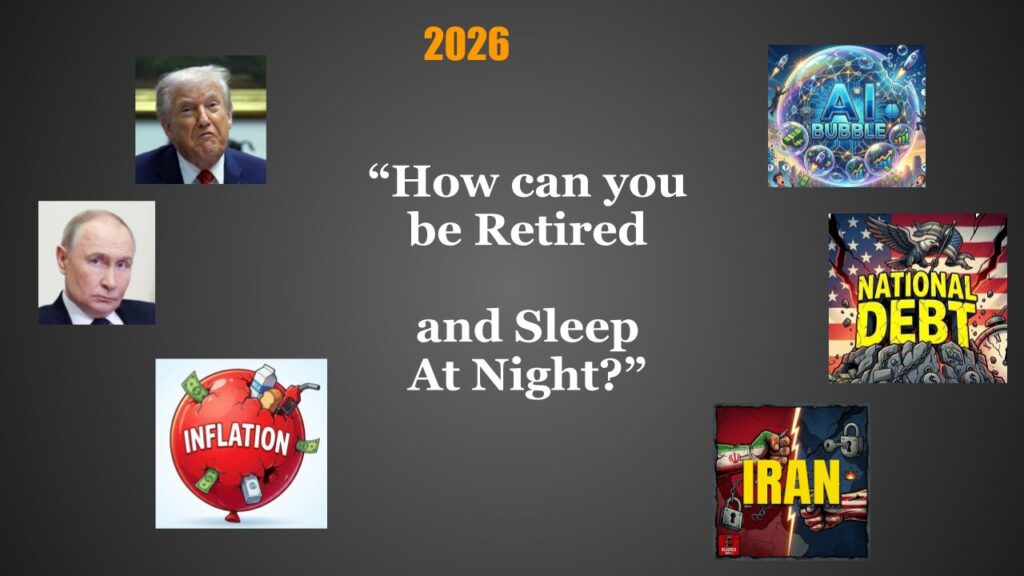
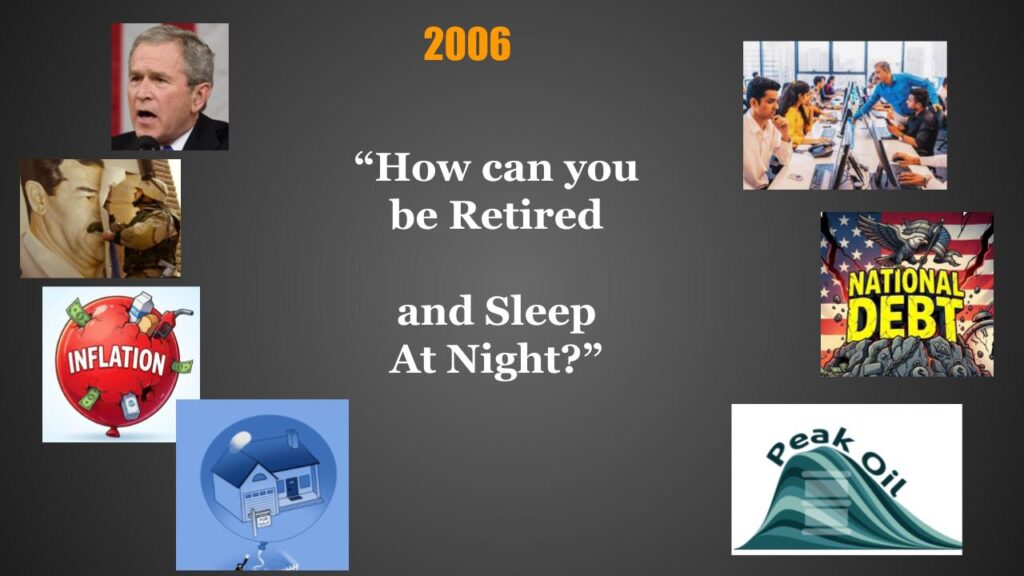
Interestingly, a retrospective look at concerns from just two decades ago reveals a striking pattern of recurring anxieties. In 2006, prevailing fears included political instability involving figures like George W. Bush and Saddam Hussein, ongoing conflicts in the Middle East (specifically Iraq), concerns over national debt and inflation, and a burgeoning housing bubble. Additionally, the specter of "Peak Oil" loomed large, with widespread worries about dwindling fossil fuel supplies in the face of ever-increasing demand, and job displacement was attributed to outsourcing to India and China. Fast forward to today, and while the specific names and details have changed, the fundamental categories of concern persist: political tensions (Trump, Putin, Ukraine, Iran), inflation, national debt, and the current "AI bubble" replacing the housing bubble. The fear of job displacement has merely shifted from outsourcing to the pervasive capabilities of AI. This cyclical nature of public and investor anxiety underscores a fundamental aspect of human psychology and market dynamics.
Long-Term Progress Amidst Short-Term Volatility
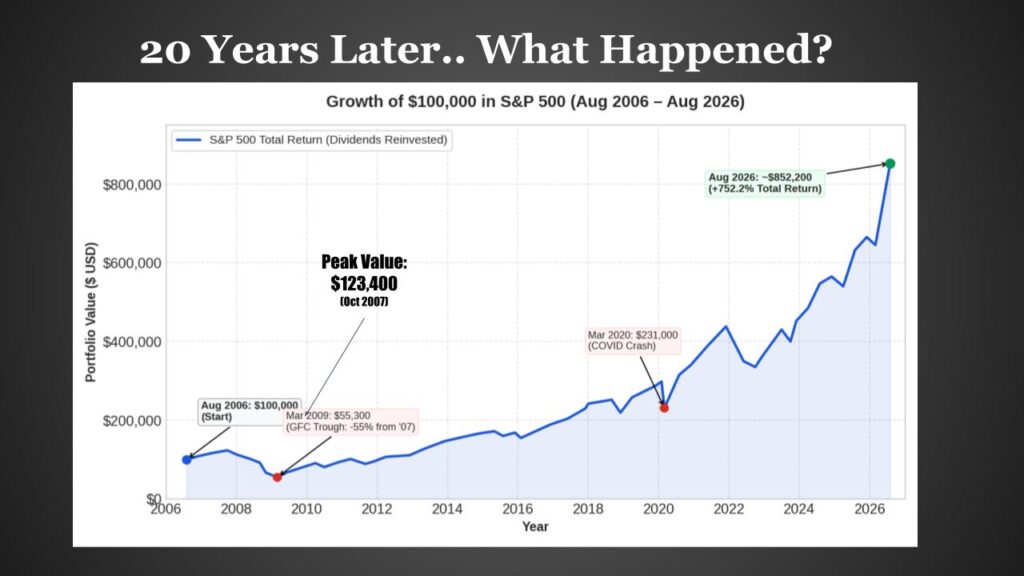
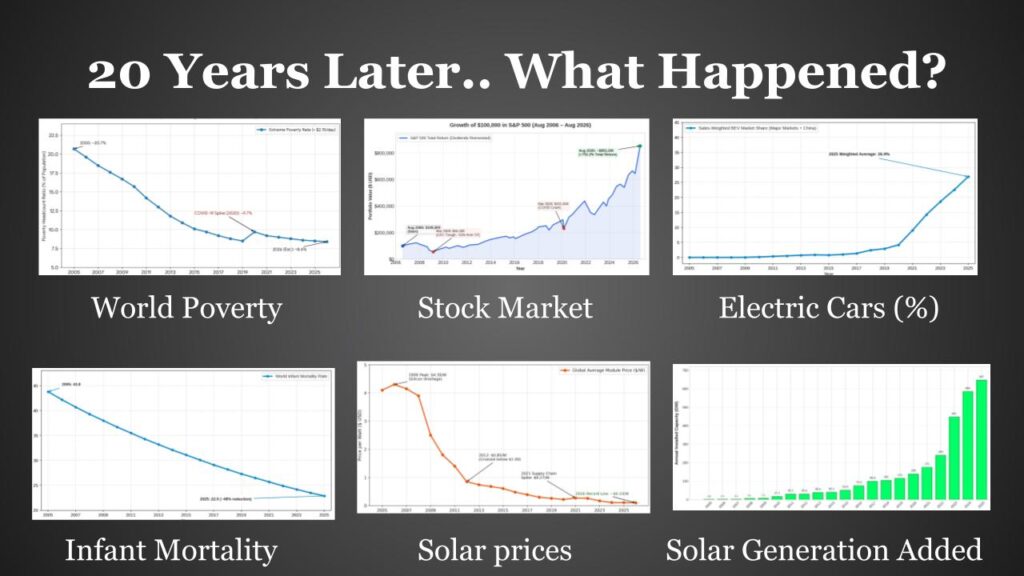
Despite these recurring fears and periodic market corrections, a broader historical perspective reveals a consistent upward trajectory in global prosperity and living standards. The financial markets, while prone to dramatic swings, have historically rewarded long-term investors. For instance, a hypothetical $100,000 investment made two decades ago, even enduring the GFC and the COVID-19 crash, would have grown substantially, illustrating the market’s remarkable resilience and capacity for recovery.
Beyond financial markets, tangible improvements in global well-being over the past two decades are equally compelling. The proportion of people living in extreme poverty worldwide dramatically decreased from approximately 20% in 2005 to around 8% today. Infant mortality rates have been halved, signifying vast improvements in healthcare, sanitation, and nutrition. The energy sector has witnessed a paradigm shift, with solar panel costs plummeting by roughly 40 times, making clean energy a viable and dominant source of new power generation. In 2023 alone, the world added solar capacity equivalent to 647 nuclear power plants. The automotive industry is undergoing a rapid transformation, with electric vehicle sales rising from negligible figures to accounting for nearly a quarter of all new cars sold globally last year, reaching near saturation in pioneering markets like Norway.
These profound societal and technological advancements demonstrate that despite persistent anxieties and economic downturns, human ingenuity and collective effort continue to drive progress. The core engine of this progress, often overlooked amidst market noise, is productivity. Prosperity, ultimately, stems not from abstract financial figures, but from the real work of people innovating, creating, and enhancing efficiency. Financial systems and markets are merely human constructs designed to facilitate this underlying economic activity. When these systems falter, as they did in 2008, the fundamental capacity for production and innovation remains, allowing for recovery and continued growth.
The Human Element: The Pervasiveness of Fear
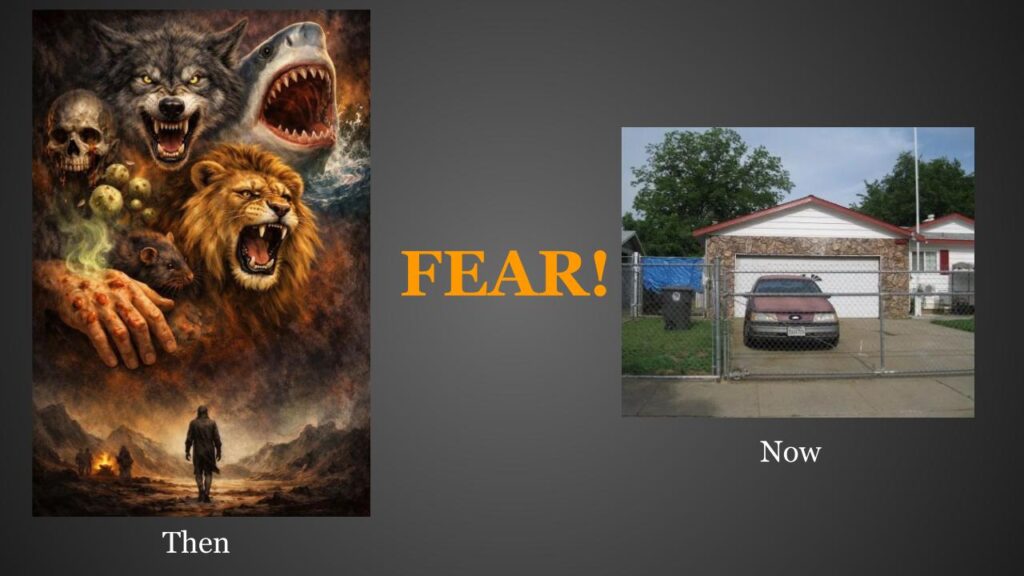
Understanding the resilience of markets and society often requires confronting the deeply ingrained human tendency towards fear. As biological entities, humans are "danger detection machines," an evolutionary trait designed for survival. However, in modern contexts, this innate fear mechanism often becomes maladaptive, leading to chronic anxiety even in the absence of immediate threats. This phenomenon, where fear "moves the goalposts," means that once basic needs are met, new worries emerge, shifting from physical safety and food scarcity to social acceptance, financial accumulation, and even trivial concerns like property aesthetics within a homeowner’s association. The financial media, often driven by sensationalism, exploits this innate tendency by amplifying negative news, contributing to a cycle of apprehension that can paralyze rational decision-making.
This perpetual state of worry is often rooted in personal history, including childhood experiences of scarcity or past traumas. Such experiences can hardwire individuals to perceive threats where none objectively exist, making it challenging to differentiate between rational caution and irrational anxiety. For example, individuals from economically disadvantaged backgrounds may carry a lifelong fear of financial insecurity, even when they achieve substantial wealth. The concept of "Required Minimum Distributions" (RMDs), where retirees are mandated to withdraw funds from their retirement accounts to avoid penalties, ironically becomes a source of stress for some wealthy individuals who fear "having too much money" to manage.

Strategies for Cultivating Rational Optimism and Resilience
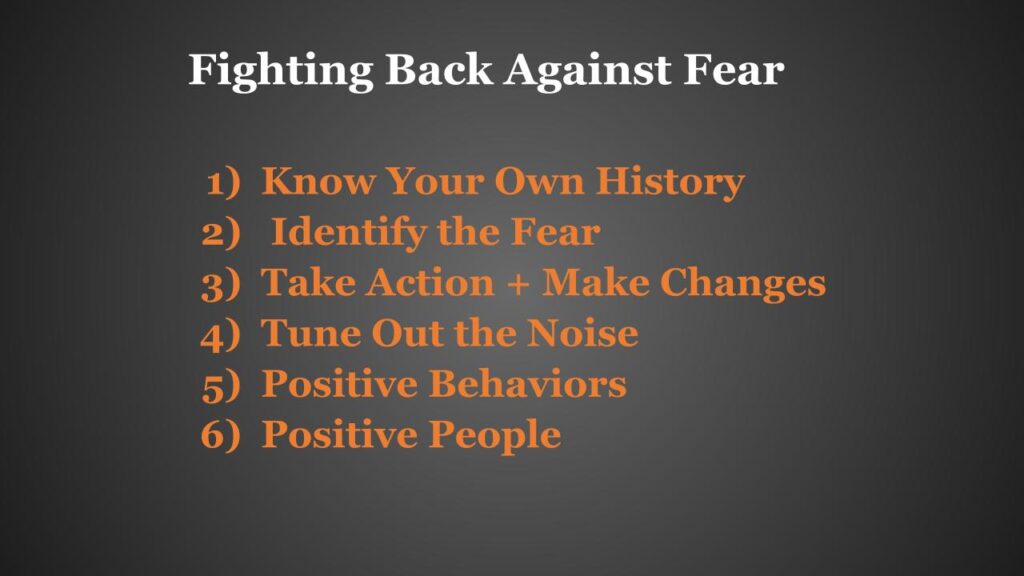
Combating pervasive fear requires a multi-faceted approach centered on self-awareness, rational analysis, and intentional action. The first step involves understanding one’s own history to identify the origins of particular anxieties. Recognizing that current fears might stem from past experiences, rather than an objective assessment of the present, is crucial.
Next, identifying and dissecting the fear involves a detailed examination of the worst-case scenarios. Often, when meticulously analyzed, the perceived catastrophe is far less dire or more manageable than initially imagined. For instance, in financial planning, robust strategies like diversification and emergency funds are designed to mitigate even significant downturns, making absolute financial ruin highly improbable for those with accumulated wealth.
Crucially, action cures fear. Engaging actively with a situation, even in small steps, transforms the unfamiliar into the familiar, building confidence and competence. This process fosters resilience, the ability to adapt and thrive in diverse circumstances. A highly resilient individual, equipped with mental, physical, emotional, and intellectual "badassity," approaches challenges not with dread, but with a problem-solving mindset.
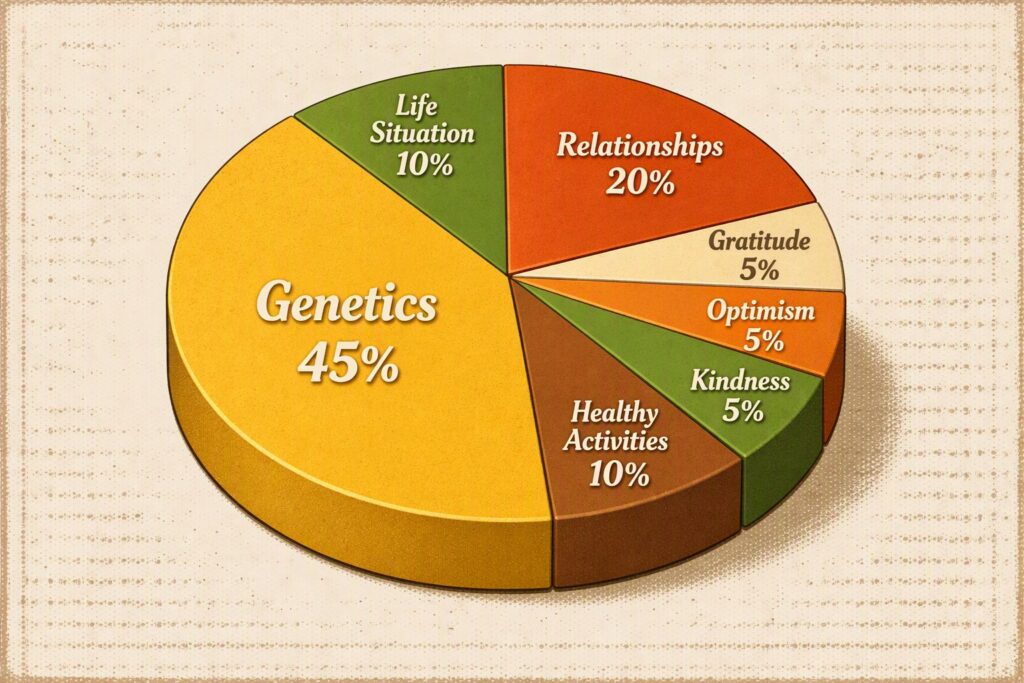
Furthermore, tuning out unnecessary noise is vital. The constant barrage of sensationalized news often serves to heighten anxiety rather than inform. Prioritizing in-depth learning from reliable sources over reactive consumption of daily headlines can significantly improve mental well-being. Focusing on positive behaviors—such as engaging in physical activity, spending time outdoors, fostering strong social connections, practicing gratitude, and cultivating an optimistic outlook—realigns one’s lifestyle with fundamental human needs, naturally reducing anxiety.
Finally, cultivating a positive social circle reinforces constructive thinking. Surrounding oneself with optimistic, productive individuals who focus on solutions and growth, rather than fear and negativity, can profoundly influence one’s own perspective and emotional state.
AI: An Experiment in Progress, Not a Harbinger of Doom
Applying this framework to the current AI landscape, the AI era can be viewed not as an existential threat, but as a grand experiment. Change, particularly rapid technological change, inherently brings uncertainty, which can trigger fear. However, an informed perspective reveals immense potential. From an economic standpoint, AI functions as a "cognitive nail gun"—a tool that dramatically boosts efficiency and, by extension, productivity. This increase in productivity is the bedrock of continued prosperity.

While AI will undoubtedly lead to job displacement in certain sectors, much like previous technological revolutions (e.g., the mechanization of agriculture, the rise of industrial automation, the internet’s impact on traditional industries), it will also create entirely new industries, roles, and economic opportunities. The services AI provides will become cheaper and more accessible, benefiting consumers and businesses alike. The concentration of wealth among those who own and develop AI technologies is a valid concern, yet many public company shareholders, including those invested in diversified portfolios, will indirectly benefit from AI’s widespread adoption and efficiency gains.
Ultimately, Artificial Intelligence, like any transformative invention, presents a choice: to succumb to fear and anxiety, or to embrace it as an opportunity for learning, adaptation, and engaging with a more interesting future. History teaches that humanity’s capacity for innovation and resilience consistently triumphs over cycles of fear and market volatility. The journey through the AI revolution, therefore, is an ongoing experiment in progress, demanding not fear, but informed curiosity, strategic action, and a steadfast belief in the power of human ingenuity.

As the financial sages, The Donegans, wisely encapsulate: "Everything you want in life, that you don’t already have, lies on the other side of Fear. Because if you weren’t afraid to go out there and get it, you would already have it." This principle applies not only to personal aspirations but also to collective societal advancement through technological shifts like the AI era.

