
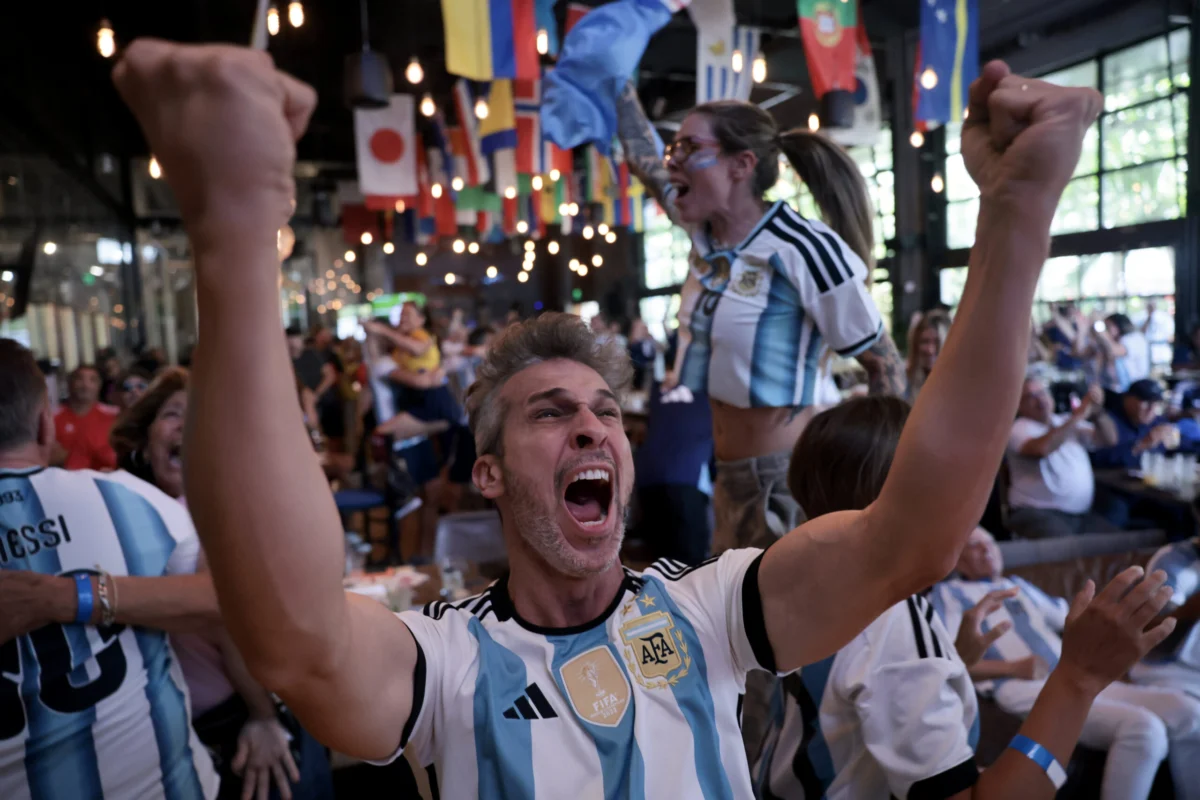
The 2026 FIFA World Cup has proven to be an unparalleled catalyst for prediction markets, particularly for Kalshi, which has reported a surge of 3 million new users and a staggering $1.2 billion in trading volume on its World Cup winner contracts. As Spain and Argentina prepared to contest the final, closing the record-breaking market on Sunday, July 19, 2026, the event underscored the immense potential of global sporting spectacles to drive engagement and investment in the nascent yet rapidly expanding prediction market sector. This monumental influx of users and capital represents a significant milestone for Kalshi, propelling its brand onto a global stage even as it navigates a complex and often contentious regulatory landscape.
The Global Phenomenon of Prediction Markets and the World Cup’s Unmatched Reach
Prediction markets, platforms where users can trade contracts based on the outcome of future events, have been steadily gaining traction as tools for information aggregation and risk hedging. Unlike traditional sports betting, which often focuses on wagering against an operator, prediction markets typically involve users trading directly with each other, with contracts resolving to a set value based on a verifiable outcome. This distinction is central to the ongoing regulatory debate surrounding these platforms. The 2026 FIFA World Cup, hosted across multiple nations, provided an unprecedented backdrop for this industry’s expansion. With an estimated global viewership projected to exceed 5 billion across the tournament, and the final match alone expected to draw billions, the World Cup stands as the most-watched sporting event on the planet, dwarfing even the Olympics in its global reach and cultural impact. This sheer scale offers an unparalleled "total addressable market," as noted by Vijay Viswanathan, an associate dean of integrated marketing communications at Northwestern University. "There’s really nothing that comes close to the FIFA World Cup," Viswanathan emphasized, highlighting football’s universal appeal across nearly every country in the world. This ubiquitous interest translates directly into a massive pool of potential users for platforms like Kalshi, eager to engage with the outcomes of the tournament.
The allure of the World Cup extended beyond mere viewership, driving significant economic activity. Host cities reported record tourism numbers, while official sponsors invested billions in marketing campaigns. This vibrant ecosystem created a fertile ground for prediction markets, allowing them to tap into a global conversation and capitalize on the intense public interest surrounding every match, every goal, and every potential champion. The tournament’s progression, from the group stages through the dramatic knockout rounds, offered a continuous narrative that kept users engaged and trading, culminating in the highly anticipated final between two footballing giants.
Kalshi’s Strategic Playbook: Marketing, Partnerships, and Rapid Response
Kalshi’s impressive user acquisition during the World Cup was not accidental but the result of a meticulously executed marketing strategy, blending high-profile partnerships with agile, impactful advertising. The company embarked on several key initiatives designed to maximize its visibility and integrate itself into the fabric of the tournament:
- Official Sponsorship and Co-branding: A significant move was Kalshi’s strategic partnership with ADI Predictstreet, the official prediction market sponsor of the World Cup. This collaboration allowed for prominent co-branded advertisements within stadiums, placing Kalshi’s logo and messaging directly in front of millions of in-person spectators and billions of television viewers worldwide. Such official association lent credibility and broad exposure to Kalshi, aligning its brand with the prestige of the FIFA World Cup itself.
- AI Integration for Mainstream Visibility: In a groundbreaking move last week, Kalshi announced a partnership with OpenAI. This collaboration ensures that Kalshi’s contract odds appear directly when users search for information about World Cup games on ChatGPT, one of the world’s most widely used artificial intelligence platforms. This integration leverages the power of AI to bring prediction market data to a mainstream audience, embedding Kalshi’s offerings into the digital discovery habits of millions and positioning the platform at the forefront of technological innovation in financial markets.
- Celebrity Endorsements and Influencer Marketing: Kalshi’s marketing efforts extended deeply into the football world, securing endorsements from revered figures. Croatian midfield maestro Luka Modric and legendary Real Madrid coach José Mourinho lent their considerable gravitas to Kalshi’s campaigns, appealing directly to football aficionados. Perhaps the most impactful partnership was with the Argentina national team, culminating in a feature on superstar Lionel Messi’s Instagram account. Messi’s post, with his hundreds of millions of followers, provided an unparalleled reach, instantly exposing Kalshi to a massive, engaged global audience.
- Broadening Appeal Beyond Sports: Recognizing the need to diversify its appeal beyond core sports fans, Kalshi also strategically engaged non-soccer celebrities. An advertisement featuring actor Timothée Chalamet was released in June, capitalizing on his high-profile appearances at New York Knicks games during the NBA Finals. This was followed by a spot with Colombian singer J Balvin in July. This dual-pronged approach, as explained by Elizabeth Johnson, executive director of the Wharton Neuroscience Initiative at the University of Pennsylvania, serves to broaden the brand’s perceived relevance. "They’re seizing this moment to remind people about the ubiquitousness of what these prediction markets are," Johnson stated, highlighting the strategy to convey that prediction markets are not just for sports enthusiasts but for anyone interested in future outcomes.
- Agile Marketing and Content Creation: Under the direct guidance of CEO Tarek Mansour, who plays a lead role in the company’s marketing strategy, Kalshi emphasized speed and responsiveness. Mansour recounted an advertisement featuring former professional soccer stars playing a scrimmage that was conceived, executed, and released within a remarkable 24-hour window on Friday, July 17, 2026. This agility allowed Kalshi to react quickly to ongoing events and cultural moments, keeping its marketing fresh and highly relevant. "Our volumes are where the news is at," Mansour affirmed, underscoring the strategy of aligning marketing efforts with unfolding events.
Navigating the Regulatory Minefield: Federal vs. State Jurisdictions
Despite its market successes, Kalshi operates within a contentious regulatory environment. The core of the dispute lies in whether event contracts offered by prediction markets, particularly those related to sports, constitute illegal sports betting or legitimate financial derivatives. This debate pits the federal government against various states, each asserting different jurisdictional claims.
States, through their gaming commissions and legislative bodies, argue that contracts predicting sports outcomes are functionally equivalent to sports betting, an activity traditionally regulated and taxed at the state level. They contend that platforms offering such contracts without state licensure are operating outside established legal frameworks and potentially diverting revenue from state-regulated gambling operations. The American Gaming Association (AGA), while not directly commenting on Kalshi, has previously voiced concerns about the growth of unregulated prediction markets, suggesting that states have collectively lost over $1 billion in potential tax revenue due to their operation.
Kalshi, aligning with the federal government’s position, maintains that its contracts are distinct from sports betting and fall under the purview of the Commodity Futures Trading Commission (CFTC). The CFTC, which regulates swaps and derivatives, has historically exercised jurisdiction over prediction markets, viewing them as a form of futures contract where the underlying asset is an event outcome rather than a traditional commodity. Kalshi CEO Tarek Mansour has dismissed state-level concerns, characterizing them as driven by "gambling companies worried about losing their dominant, incumbent positions." He asserts that established gaming interests are attempting to stifle innovation and competition.
Brian Sung, a partner in the derivatives and digital assets practice groups at Haynes Boone, believes that Kalshi’s aggressive advertising strategies, while effective for user acquisition, may not sway court rulings but could impact public and political perception. "It does kind of weaken their perception, in public or politics," Sung commented, adding that while Kalshi aims to push back against the idea that they are "really only about sports," that is indeed where the bulk of their current activity lies.
This regulatory uncertainty creates a challenging operational landscape for Kalshi and the broader prediction market industry. A definitive legal precedent, either from federal courts or through legislative action, is urgently needed to provide clarity and stability for platforms seeking to innovate in this space. The ongoing legal battles underscore the tension between regulatory innovation and existing frameworks, with significant implications for the future growth and structure of these markets.
Adding a layer of complexity to the public perception of prediction markets, an unrelated but notable scandal emerged in Creteil, France, on March 9, 2026. This incident involved a $54 million lawsuit concerning bets related to recent strikes in Iran, where Kalshi’s logo was prominently featured in imagery, despite the company having no direct involvement in that particular controversy. While separate from Kalshi’s operations, such events contribute to a broader narrative of scrutiny and potential risk associated with the wider prediction market ecosystem, highlighting the industry’s need for robust transparency and regulatory adherence.
From Momentum to Sustained Engagement: The Road Ahead
With 3 million new users onboarded during the World Cup, Kalshi’s immediate challenge shifts from acquisition to retention. Converting these new users into recurring traders will be crucial for the company’s long-term sustainability and growth. Data from the tournament period indicates a significant drop in trading volumes on days when World Cup matches were not played, suggesting that many new users were drawn in specifically by the event’s excitement.
CEO Tarek Mansour, however, remains optimistic, drawing parallels to previous cycles of growth. He noted that major events historically drive a surge in volume, followed by a temporary decline, only for overall activity to resume an upward trajectory fueled by subsequent events. "You have to believe there’s not going to be any news after Sunday," he quipped, implying that the world will continue to generate newsworthy events that Kalshi can offer contracts on. "The more probable thing is that there’s going to be like a bunch of things going on in the world, and Kalshi’s going to be there to service it."
To achieve sustained engagement, Kalshi will likely need to:
- Diversify Contract Offerings: Expand beyond sports to a broader range of political, economic, scientific, and cultural events to cater to varied interests and ensure continuous trading opportunities.
- Enhance User Experience: Continue to refine its platform, making it intuitive and accessible for both novice and experienced traders, potentially integrating educational resources to help new users understand the mechanics and benefits of prediction markets.
- Community Building: Foster a strong user community through forums, discussions, and social features to encourage interaction and sustained engagement beyond specific events.
- Strategic Marketing Continuity: Maintain a robust marketing presence, leveraging its newfound brand recognition to highlight diverse offerings and reinforce the value proposition of prediction markets as tools for aggregating information and expressing beliefs about future outcomes.
Broader Implications for the Prediction Market Industry
Kalshi’s World Cup success provides a powerful case study for the entire prediction market industry. It demonstrates the immense potential for growth when these platforms can tap into globally resonant events and execute effective marketing strategies. The record-breaking trading volumes and user acquisition figures signal a growing public appetite for engaging with future events in a structured, market-driven way.
However, the regulatory battles remain a critical impediment. The outcome of the federal vs. state dispute will profoundly shape the future of prediction markets in the United States, potentially determining their operational scope, licensing requirements, and taxation. A favorable resolution could unlock significant investment and innovation, allowing these markets to mature into mainstream financial tools. Conversely, an unfavorable ruling could severely restrict their growth, pushing some operations offshore or forcing them to significantly alter their business models.
The industry’s challenge lies in educating both the public and policymakers about the fundamental differences between prediction markets and traditional gambling. Emphasizing their utility as information tools, hedges, and alternative assets, rather than just entertainment, will be key to securing a stable and conducive regulatory environment. Kalshi’s strategic partnerships with entities like OpenAI also hint at a future where prediction markets are deeply integrated into various digital ecosystems, becoming an ubiquitous part of how individuals access and interact with probabilistic information about the future. The 2026 FIFA World Cup has undeniably propelled Kalshi into a new era, but the ultimate trajectory of its journey, and that of the broader prediction market industry, will hinge on its ability to convert transient interest into enduring engagement and navigate the intricate web of regulatory challenges that lie ahead.
Disclosure: CNBC and Kalshi have a commercial relationship that includes customer acquisition and a minority investment.

