
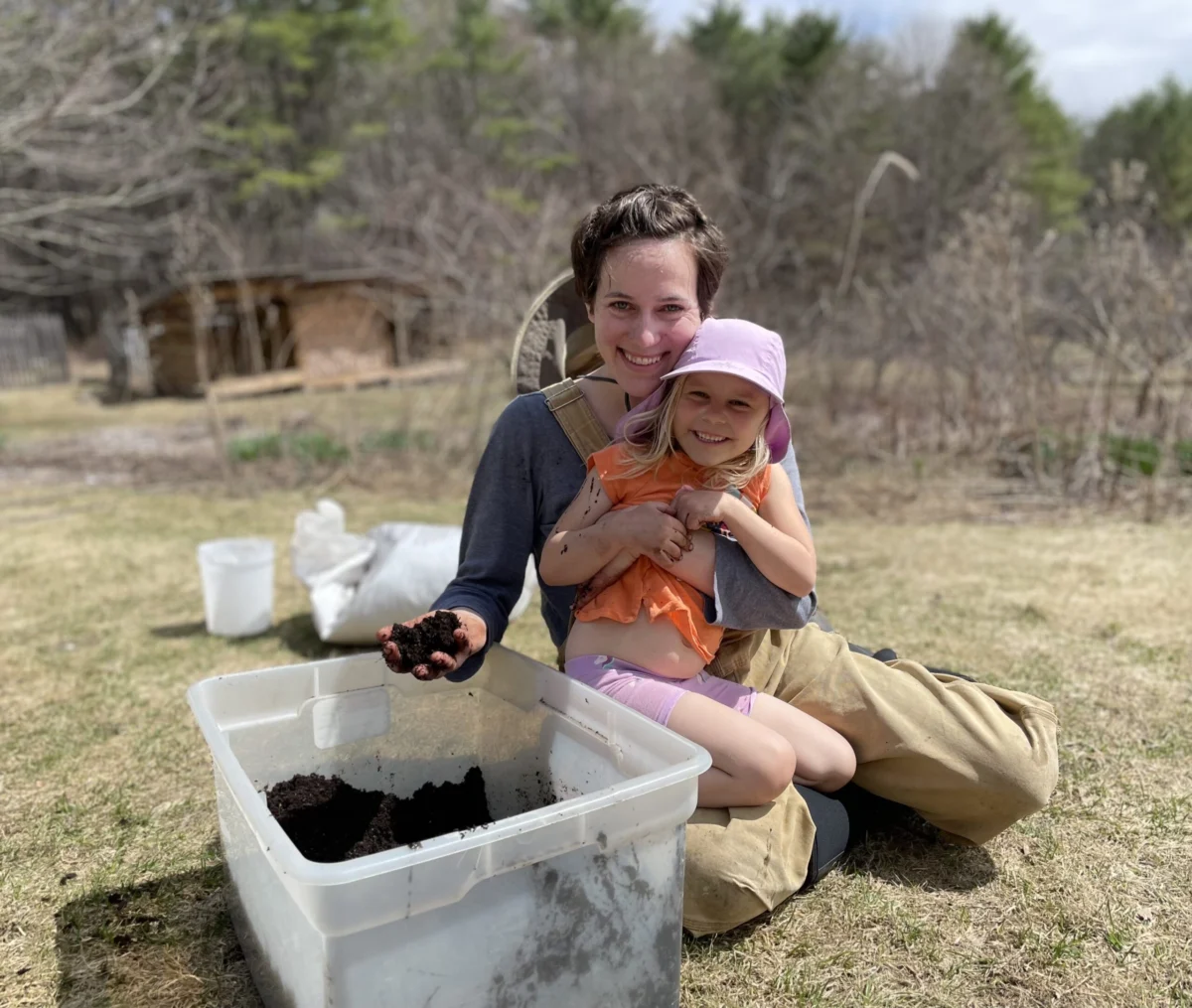
In May 2016, the founders of the financial independence and lifestyle project known as Frugalwoods transitioned from an urban environment to a 66-acre homestead in rural Vermont. This move was predicated on a series of assumptions regarding the feasibility of total food self-sufficiency, a cornerstone of the "back-to-the-land" movement that has seen a resurgence in the United States over the last decade. Seven years into this rural transition, the realities of agricultural labor, environmental volatility, and the logistical constraints of food preservation have prompted a significant recalibration of what it means to live sustainably in the 21st century.
The Foundation of the Homesteading Vision
The initial impetus for the relocation was a desire to exit the traditional "rat race" of urban employment in favor of a self-sustaining lifestyle. Central to this vision was the "gargantuan assumption" that the family would produce the entirety of their fruit and vegetable consumption. This idealistic framework envisioned a cycle of summer harvests followed by meticulous winter preservation, modeled after traditional 19th-century agrarian lifestyles but updated with modern amenities and medical advancements.
The property, consisting of 66 acres of mixed woodland and open space, provided the physical capacity for extensive agriculture. Early plans included not only large-scale vegetable gardening but also the potential for animal husbandry, including meat chickens, pigs, goats, and a dairy cow. The objective was to create an organic, free-range paradise that functioned independently of the global food supply chain.
Chronology of a Shift: From Idealism to Realism
The timeline of the Frugalwoods homestead reflects a common trajectory among modern "homesteaders" who discover that the labor-to-yield ratio of small-scale farming often conflicts with other life goals.
2016–2017: Infrastructure and Early Implementation
Following the move on May 18, 2016, the primary focus was on establishing the groundwork. This included assessing the soil, clearing land, and understanding the local microclimate of rural Vermont. The first iterations of the vegetable gardens were established without fencing, leading to immediate lessons regarding local wildlife interference.

2018: The "Kale and Chard Apocalypse"
A pivotal moment in the family’s agricultural journey occurred in the summer of 2018. In an attempt to maximize output, the homesteaders planted and maintained 80 kale and chard plants. While the crop was extraordinarily successful, the sheer volume of the harvest created a logistical crisis.
The processing of a single harvest required multiple days of labor, involving harvesting, washing in large-scale rinsing stations (including the use of a children’s wading pool), blanching, and freezing. The experience highlighted a critical flaw in the self-sufficiency model: when a crop reaches peak ripeness, it dictates the farmer’s schedule entirely, regardless of other responsibilities or physical limitations. Furthermore, a significant portion of the preserved greens was eventually discarded after exceeding its shelf life, underscoring the difficulty of accurately calculating annual consumption rates.

2020: Refinement of Growing Areas
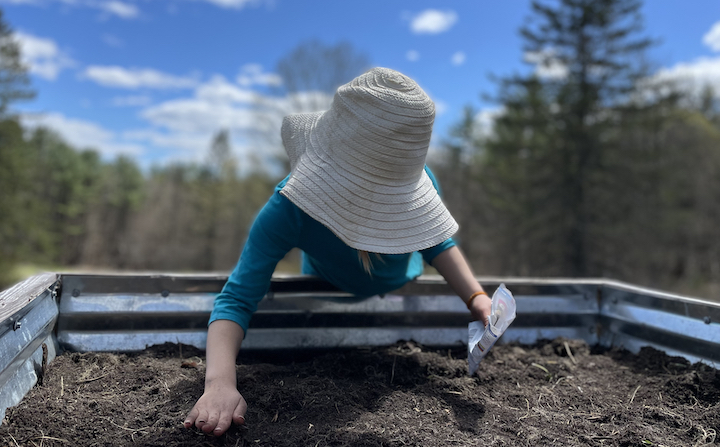
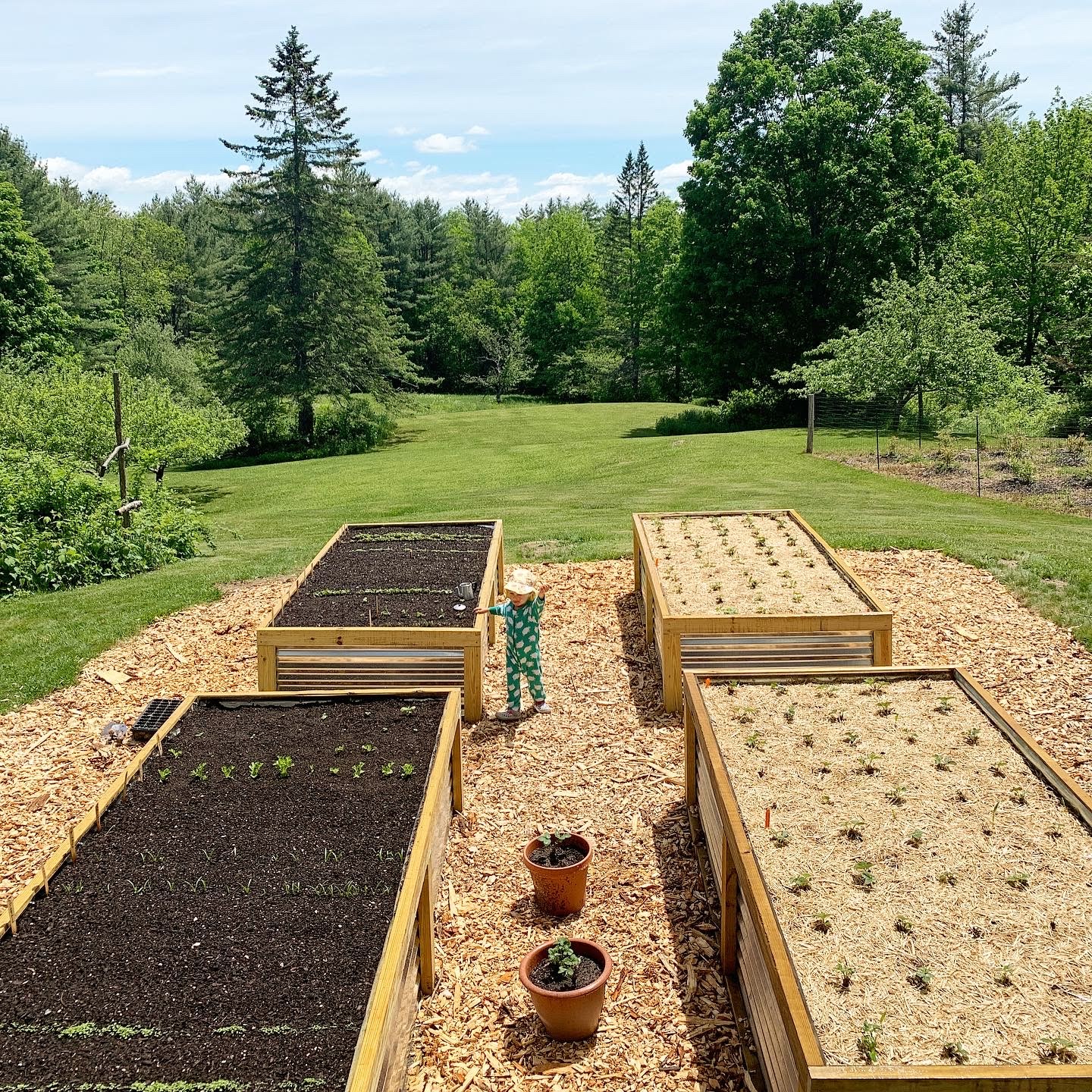
By 2020, the homestead moved toward a more structured and manageable system. This included the construction of four raised beds in close proximity to the main residence to facilitate "kitchen gardening"—the practice of growing small amounts of frequently used herbs and greens. This period also saw the installation of more permanent infrastructure in the "Big Garden," such as cattle panels for vertical growing, which reduced the labor required for trellising tomatoes and peas.
2023: The Balanced Model
As of the seventh anniversary of the move, the Frugalwoods homestead has moved away from the goal of total self-sufficiency. The current model prioritizes "joy and freedom" over maximum caloric output. The residents have reported that the pressure to maintain a perfect homestead can mirror the stress of the corporate environments they sought to escape.

Technical Specifications and Current Agricultural Status
The homestead currently maintains three distinct growing areas, each serving a specific purpose in their revised food strategy.
1. The Raised Beds
Located adjacent to the back porch for ease of access, these four beds are dedicated to:

- Perennial Strawberries: Two beds are dedicated to strawberries, which require minimal annual replanting but necessitate protection from birds and consistent weeding.
- Herbs and Greens: The remaining beds house chives, parsley, oregano, sage, thyme, and various lettuces. This "snip-as-you-go" approach reduces waste and labor.
2. The "Big" Vegetable Garden
This fenced area is used for annual crops that require more space and vertical support.
- Technological Integration: The use of cattle panels allows for vining plants like tomatoes, snap peas, and cucumbers to grow upward with minimal intervention.
- Annual Varieties: The garden produces beans, squash, peppers, and pumpkins.
- Educational Component: A portion of this garden is allocated to the children, allowing them to manage their own rows as a means of developing agricultural skills and responsibility.
3. Perennial Orchards and Fruit Patches
The homestead has invested heavily in perennial food sources, which, while requiring high upfront effort and long wait times, offer the potential for long-term yields. The current inventory includes:

- Trees: Apple, plum, pear, and cherry trees.
- Bushes and Vines: Blueberries, raspberries, elderberries, grapes, and rhubarb.
- Wait Times: Agricultural data confirms that apple trees typically require approximately six years to bear fruit, a timeline the Frugalwoods have experienced firsthand.
Environmental and Biological Challenges
The transition to rural life has provided a stark look at the environmental factors that can negate months of labor. Vermont’s climate and local fauna represent significant hurdles to consistent food production.
The "Clever Varmint Patrol" (CVP)
Local wildlife, referred to colloquially by the family as the "Clever Varmint Patrol," remains the primary threat to fruit harvests. Despite the use of fencing and netting, birds, turkeys, and other mammals frequently harvest ripened fruit before the family can. The residents noted a specific incident where a flock of wild turkeys became trapped within a fenced blueberry patch, highlighting the constant battle between human cultivators and local species.

Meteorological Volatility
The homesteading experience in Vermont is at the mercy of unpredictable weather patterns. Late spring frosts can destroy blossoms on fruit trees, while excessive rain or drought can significantly impact the yield of annual vegetables. These factors make subsistence farming a high-risk endeavor for those without professional agricultural backgrounds.
Economic and Psychological Analysis
A significant finding of the seven-year Frugalwoods retrospective is the shift in the "guilt economy" associated with homesteading. Initially, the family felt a moral and financial obligation to produce all their own food. However, they have since concluded that supporting local professional farmers is a more sustainable economic and social model.

Supporting the Local Agricultural Economy
By purchasing produce and meat from neighboring farms, the Frugalwoods contribute to the local economy while benefiting from the expertise of full-time professionals. Data suggests that small-scale, diversified farms in Vermont are essential to the state’s identity and food security, but they require a consistent customer base to remain viable.
The Psychological Burden of Self-Sufficiency
The residents have observed that "chaining oneself to a vegetable garden" can be as taxing as an office-based career. The transition from "performance homesteading"—trying to live up to an idealized image found in media—to a more relaxed, "tidbit" approach has resulted in higher life satisfaction.
Broader Implications for the Homesteading Movement
The Frugalwoods’ experience serves as a case study for the broader trend of urban-to-rural migration. While the dream of self-sufficiency remains a powerful draw, the reality often involves a "middle path" that combines small-scale gardening with a reliance on the existing agricultural infrastructure.
The Sustainability of Modern Homesteading
For homesteading to be sustainable for families over the long term, it must allow for a balance between labor and leisure. The Frugalwoods have demonstrated that while 100% self-sufficiency may be technically possible, it often comes at the cost of the very freedom that rural life is intended to provide.

Conclusion
Seven years after their move to the Vermont woods, the Frugalwoods have debunked the myth of the effortless, all-encompassing homestead. Their journey from the "Kale Apocalypse" to a balanced, multi-faceted approach to land management offers a realistic blueprint for others considering a similar path. The focus has shifted from the quantity of food produced to the quality of life maintained, proving that in the modern era, the most successful homesteaders are those who learn to work with the land—and their own limitations—rather than against them.

