
Peter Adeney, widely known as Mr. Money Mustache (MMM) and a foundational figure in the Financial Independence, Retire Early (FIRE) movement, has disclosed his personal spending figures following a two-year experiment designed to consciously increase his expenditures. The revelation, detailed on his popular blog, showcases a surprising resilience in his overall budget despite a deliberate shift towards a more abundant lifestyle, including the controversial purchase of a Tesla Model Y. This insight offers a unique perspective on the practical application of FIRE principles in a post-retirement phase, particularly for those with substantial wealth.
Background on the FIRE Movement and Mr. Money Mustache
The Financial Independence, Retire Early (FIRE) movement advocates for aggressive saving and frugal living to accumulate sufficient assets to live off investment returns, thereby achieving early retirement. Mr. Money Mustache, through his blog launched in 2011, became one of the movement’s most influential voices, promoting a philosophy of conscious consumption, DIY solutions, and challenging conventional spending norms. His teachings often emphasize optimizing expenses, such as housing and transportation, to drastically reduce the amount of capital needed for financial independence. His own retirement in his early 30s served as a powerful testament to these principles, attracting a dedicated following known for their commitment to frugality.
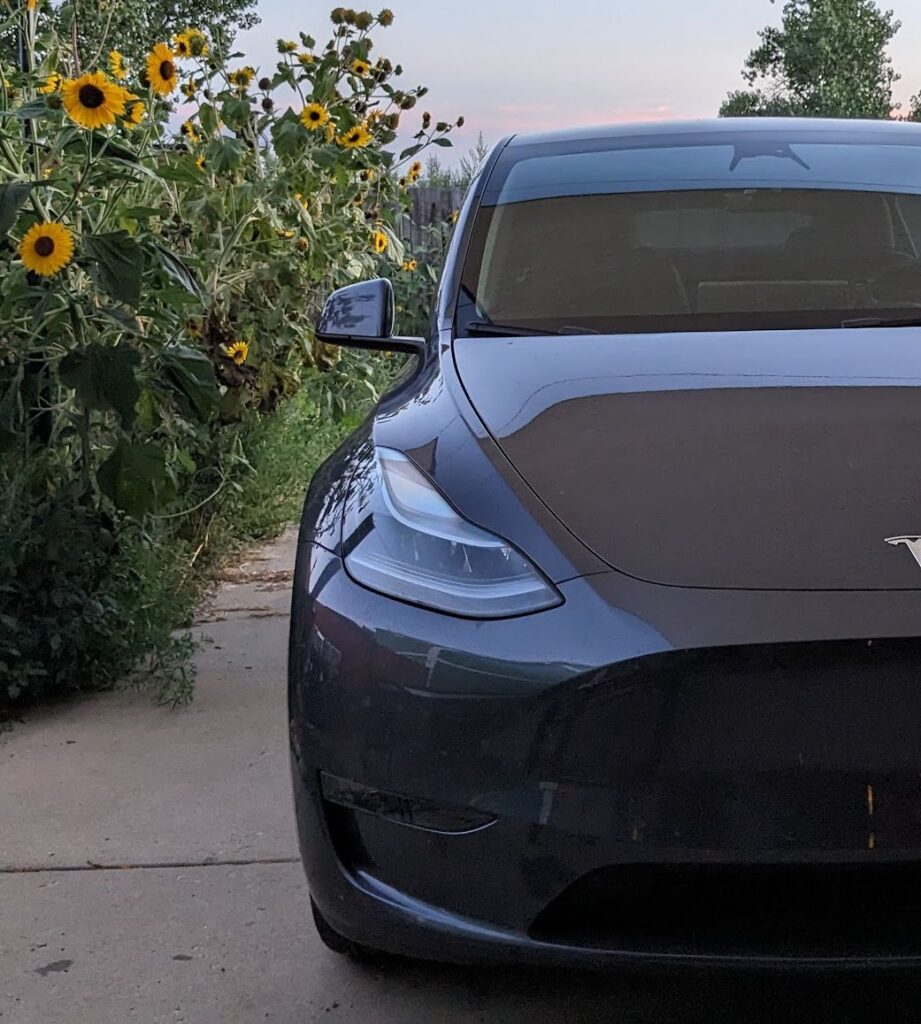
However, a couple of years ago, Adeney sparked debate within his community by publishing a blog post signaling a deliberate pivot. He announced an intention to "try" spending more money, citing the purchase of a Tesla Model Y as a significant first step in this new "abundance mindset" program. This move was perceived by some as a deviation from his long-held principles of extreme frugality, potentially eroding his credibility among the most ascetic members of the FIRE community. At the time, Adeney reflected on his decision with a sense of self-awareness, noting, "Look at me! I’m such an enlightened middle-aged Badass, adjusting habits and realigning myself at the snap of my fingers. Onward to the next forty eight years of the Good Life!"
Chronology of the Abundance Experiment
The two-year period following the Tesla purchase marked a distinct shift in Adeney’s lifestyle choices. He embraced a more liberal approach to spending, consciously opting for comfort and convenience over strict cost-cutting. This included a notable increase in discretionary spending across various categories:
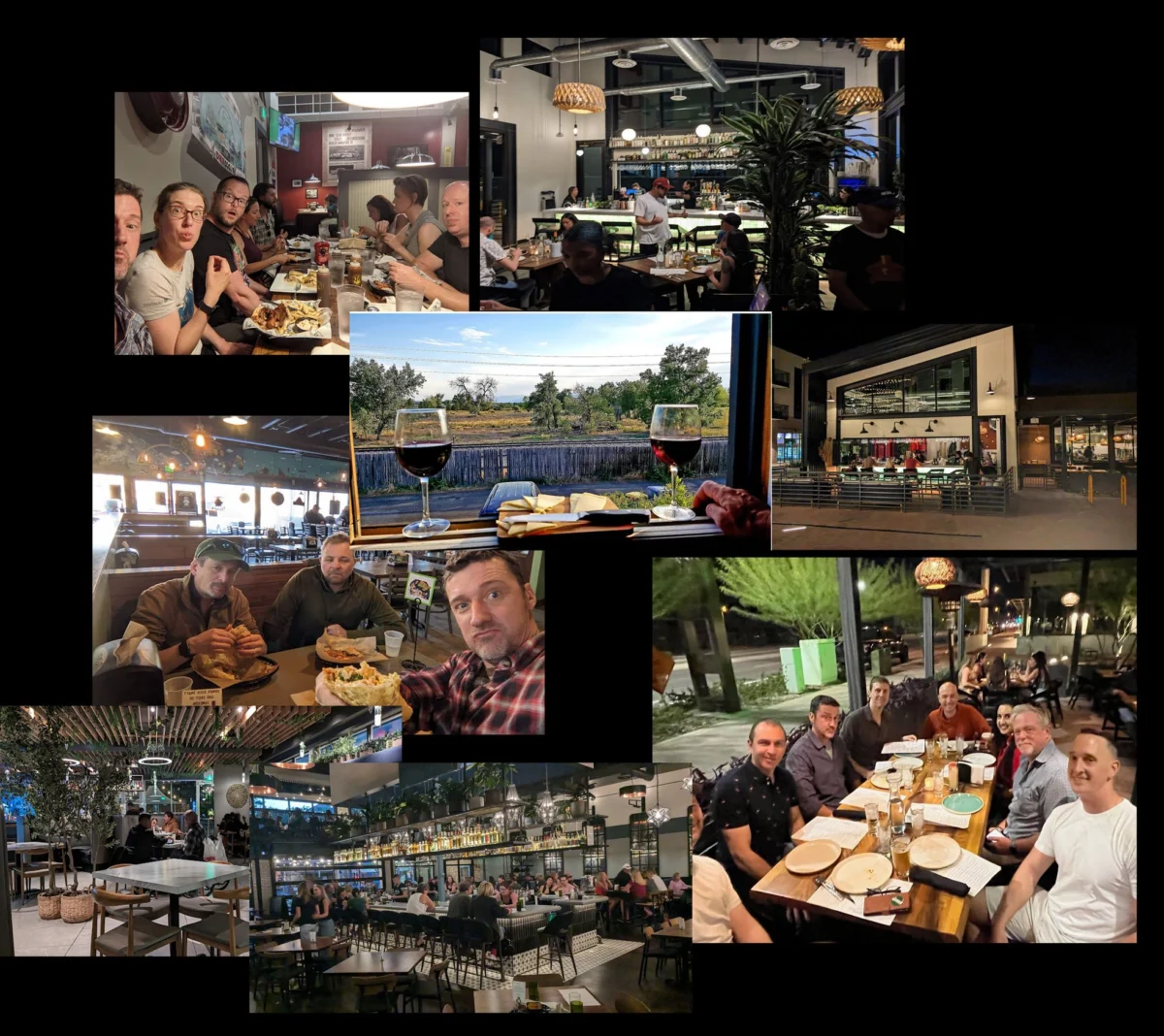
- Dining and Accommodation: Instead of prioritizing budget-friendly options, Adeney began frequenting "stylish restaurants" and booking hotels based on their "niceness rather than their cheapness." This contrasts sharply with typical FIRE advice that often recommends cooking at home and seeking value-oriented lodging.
- Travel Comfort: Air travel saw an upgrade, with Adeney opting for "reduced torture" seats, indicating a willingness to pay a premium for a more comfortable experience, a departure from the minimalist travel often associated with FIRE.
- Grocery Shopping: The discipline of exclusive bulk shopping at warehouse clubs like Sam’s Club and Costco, a hallmark of his previous frugality, loosened. He reported "giving zero fucks about paying double for groceries" if he happened to be in a Whole Foods, and even maintained memberships at both major warehouse stores.
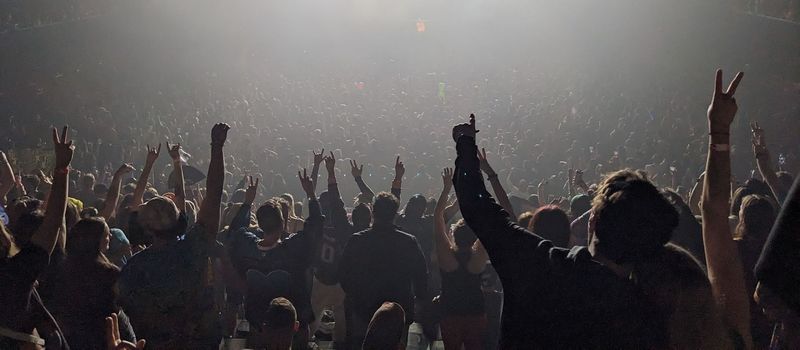
- Leisure and Entertainment: The period was characterized by a surge in cultural and recreational activities. Highlights included attending multiple late-night Electronic Dance Music (EDM) concerts with his son and visiting three Meowwolf immersive art venues, including a Christmas Day road trip from Tempe, Arizona, to Las Vegas. His status as a single man for much of the year also allowed for a more flexible schedule, facilitating spontaneous meet-ups with friends and exploration of new places.
This period was described by Adeney as an "adventurous transition," so full of experiences that it "felt like much more than twelve months," suggesting a high level of engagement and satisfaction from the increased spending.
The Unexpected Budget Revelation
Despite this visible and intentional increase in spending, Adeney admitted to not meticulously tracking his finances during the two-year experiment, assuming his budget had "crept back into full American Consumer territory." The impetus to analyze his spending came recently, during an informal coaching session with a friend, where they decided to compare their annual expenditures.
Upon compiling and summing all transactions from his personal and business cards, the results were, by his own admission, surprising. While his overall spending had indeed increased, particularly in travel-related categories, the "big-picture effect was still pretty minimal." His total annual spending, depending on how certain items like the car and business expenses were accounted for, had moved from approximately $20,000 to about $30,000. This figure notably excludes housing costs, as his primary residence is fully paid off.
Detailed Spending Analysis (2024)
Adeney provided a detailed breakdown of his expenditures for the past year, offering transparency into how his "abundance mindset" translated into actual financial outlay:
| Category | From Personal Card | From Business Card | Total | Details |
|---|---|---|---|---|
| Groceries | $5,465.56 | $494.83 | $5,960.39 | For self + young adult son about half the time + guests. This is considerably below the average U.S. household grocery spending, which, according to the U.S. Department of Agriculture, can range from $700-$1,200 per month for a family of two adults and one child, or $8,400-$14,400 annually. |
| Restaurants | $2,145.11 | $98.48 | $2,243.59 | Restaurants utilized for "special fun rather than just getting food." This indicates intentional, experience-based dining rather than routine convenience. |
| Travel | $3,982.00 | $2,176.77 | $6,158.77 | Business travel included attendance at events like Camp Fi and other professional conferences, highlighting a blend of personal enjoyment and professional engagement within the FIRE community. |
| Utilities | $1,909.51 | 0 | $1,909.51 | Standard household utilities. |
| Amazon/House | $949.64 | $2,604.46 | $3,554.10 | Approximately 75% of business-related expenses in this category were for construction materials for clients (often friends), which were subsequently reimbursed. This indicates an active DIY approach to home maintenance and projects. |
| Booze | $250.67 | 0 | $250.67 | Primarily for entertaining guests. |
| Healthcare | $813.20 | $2,723.46 | $3,536.66 | This cost is notably low due to the use of a health sharing organization (Sedera) and a Direct Primary Care (DPC) subscription. It also included advanced blood tests for screening and learning. |
| Automobile | $2,191.68 | $233.53 | $2,425.21 | Covers car insurance and registration. The cost of the Tesla Model Y purchase itself, as a capital expense, is treated separately and not included in this annual operational budget. No depreciation figure was included, which would typically be a significant cost for a vehicle. |
| Phone+Internet | $1,410.56 | $1,410.56 | Includes a $50/month Gigabit Internet service and a Google Fi mobile plan ($25-30/month + tax), reflecting high-speed connectivity at a relatively contained cost. | |
| Property Taxes | $2,577.30 | $2,577.30 | Described as "surprisingly reasonable" for a neighborhood where houses are valued between $500,000-$600,000. | |
| Total | $20,284.67 | $9,742.09 | $30,026.76 |
Comparing these figures to his 2019 spending report (which was "only a bit higher"), Adeney noted that despite significant inflation in recent years, his total expenses remained remarkably contained. While travel and "fun" expenses increased, costs for home renovation decreased, partly due to less time spent at home. Healthcare, a new recurring cost since he was self-insured in 2019, was the most significant new addition.
Key Factors Contributing to Spending Control
Several structural advantages underpin Adeney’s ability to maintain a relatively low spending level despite his intentional shift towards abundance:
- Paid-Off Housing: The most significant factor is the complete absence of mortgage payments. This eliminates the largest expense for most households. According to the National Association of Realtors, the median existing-home price in the U.S. reached $389,800 in February 2024, with monthly mortgage payments easily exceeding $2,000-$3,000 in many markets. Adeney acknowledges that from a purely financial optimization standpoint, he might have been "better off taking out the biggest mortgage I could get at 3% back in the sweet borrowing times of 2021" and investing the principal, which would have nearly doubled in the stock market since then. However, he prioritizes the "great peace of mind" derived from having no mortgage, which he deems a superior "good feeling." Furthermore, his hands-on approach to home maintenance (no bills for lawn care, plumbing, etc.) further reduces costs, estimated to save him another $2,000 annually in home insurance alone.
- Strategic Healthcare Management: Healthcare costs are a major concern for early retirees, often cited as a reason to delay retirement. Adeney’s annual healthcare outlay of $3,536.66 ($308 per month) is significantly lower than the average U.S. individual health insurance premium, which can exceed $500 per month, or family plans, which often top $1,500. His strategy involves a combination of:
- Direct Primary Care (DPC): A membership-based model ($107/month) offering personalized care with direct access to a physician, often with zero co-pays for routine services.
- Health Sharing Organization (Sedera): A high-deductible plan ($201/month) that provides protection against larger medical bills by sharing costs among members, operating outside traditional insurance regulations.
Adeney emphasizes that his low actual medical expenses over the years contribute to the effectiveness of this approach, stating his "highest priority in my life is arranging my days for maximum health to give me the best chance of keeping it this way."
- Ingrained Frugal Habits and Mindful Consumption: Despite the "abundance mindset," it appears that years of disciplined spending have cultivated an intrinsic resistance to excessive waste. His spending on restaurants is for "special fun," not convenience, and his grocery costs, while including some Whole Foods visits, remain far below average. This suggests that his "abundance" is selective and value-driven rather than indiscriminate.
Broader Implications for the FIRE Movement
Adeney’s experiment offers several key takeaways for the FIRE community and personal finance enthusiasts:
- Flexibility in Retirement Spending: The findings suggest that reaching financial independence does not necessarily necessitate a lifetime of extreme austerity. Once a substantial nest egg is accumulated (Adeney’s investments are "quite a bit higher" than the $1 million typically needed for a $30,000 annual spend under the 4% rule), there can be room for increased discretionary spending without jeopardizing long-term financial security.
- The Power of Structural Savings: The significant impact of a paid-off home and optimized healthcare solutions on overall budget cannot be overstated. These foundational savings create a buffer that allows for more flexibility in other spending categories.
- The "Abundance Mindset" and Happiness: Adeney’s experience validates the idea that consciously seeking more enjoyable experiences can enhance life satisfaction, even if it means slightly higher spending. His satisfaction with the "abundance mindset" and the ability to pursue "more life experiments" indicates a positive outcome beyond mere financial metrics.
- The Value of Regular Budget Review: Even for seasoned financial veterans, the act of tallying expenses proved illuminating. It allowed Adeney to objectively assess the impact of his spending shift and confirm that his financial position remained robust, highlighting the importance of periodic financial reviews.
Future Optimizations and Lingering Desires
Despite his current state of abundance, Adeney continues to seek ways to optimize his life. He references a principle of happiness: "Fixing your persistent problems is more effective than just doubling down on things that are already good in your life."

His primary "annoyance" is "physical chaos" due to his space-intensive hobbies (construction, music) and a relatively small house. He desires a significant increase in workshop space, from his current 440 square foot two-car garage to approximately 1,000 square feet. However, his love for his current location, including its views and neighbors, creates a dilemma, leading him to "keep optimizing what I’ve got unless some perfect opportunity comes up for a bigger place right on my block."
Longer-term aspirations include a "mountain compound with its own cliffs and stream," currently an AI-generated image. This idea, however, remains on his "maybe" list, balanced against his already "overbooked with joyful things" schedule and existing commitments like his house and HQ Coworking space. He questions if adding another property would genuinely increase his happiness, preferring to consider it only if he is "willing to trade it for another existing commitment."
As 2025 begins, Mr. Money Mustache expresses excitement for continued abundance and a challenging to-do list, reflecting a dynamic and evolving approach to living a financially independent life.
A Temporary Note on Electric Vehicles
In a timely market observation appended to his budget disclosure, Adeney noted the potential disappearance of the $7,500 U.S. federal EV tax credit, rumored to coincide with a presidential transition. He suggests that this period might represent "the cheapest chance to buy what I feel are the best cars on the market: The Model Y, or Model 3." Both used and new prices are reportedly at record lows, with an additional $1,000 discount available via referral codes. This practical advice on EV purchasing reflects his continued engagement with cost-effective, environmentally conscious consumer choices, even amidst his "abundance mindset" experiment.

