
In a move that initially raised eyebrows among his dedicated followers, Mr. Money Mustache (MMM), the widely recognized pioneer of the Financial Independence, Retire Early (FIRE) movement, embarked on a deliberate two-year experiment to increase his personal spending, a significant departure from the ultra-frugal principles he championed for decades. This shift, which began with the purchase of a Tesla Model Y in 2023, was recently documented with a comprehensive budget analysis, revealing that even with a more lavish lifestyle, his annual expenditures remained remarkably modest, reinforcing the robustness of his long-established financial independence.
The Genesis of the "Abundance Mindset"
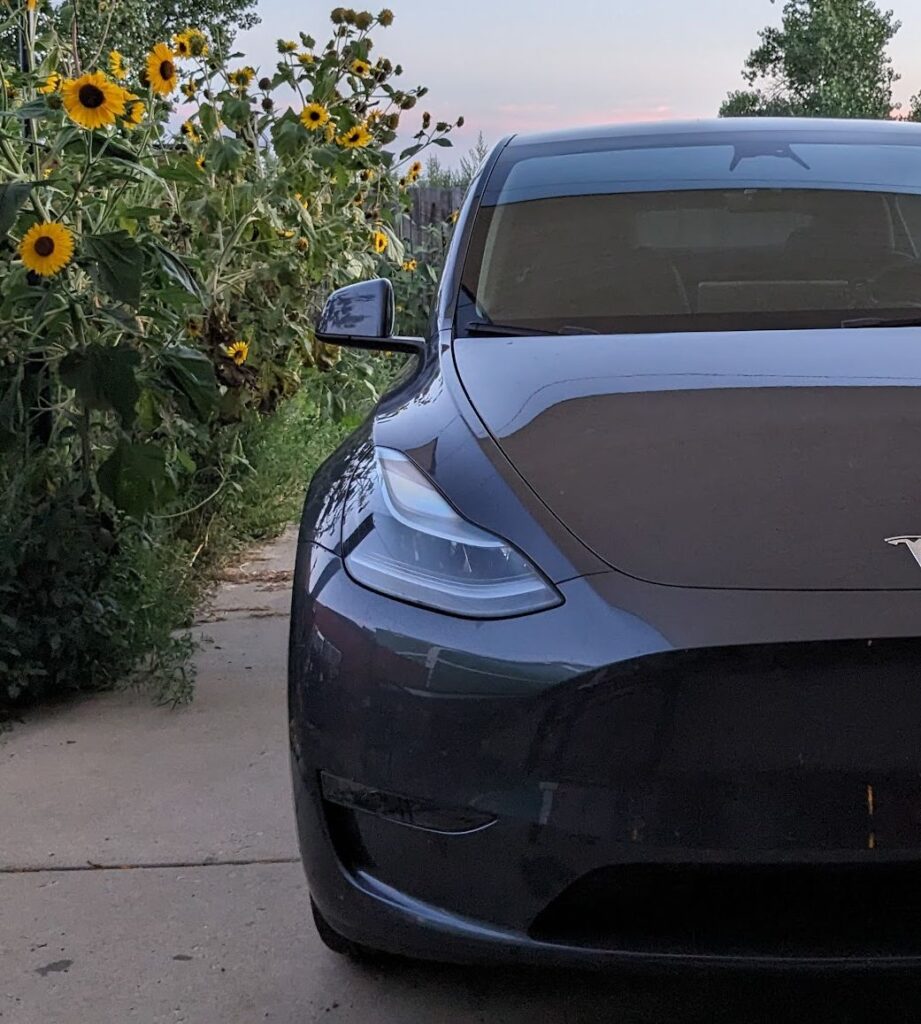
For years, Mr. Money Mustache, whose real name is Pete Adeney, has been synonymous with extreme frugality, radical savings rates, and a philosophy that posits early retirement is achievable through conscious consumption and strategic living. His blog, launched in 2011, became a cornerstone of the FIRE movement, inspiring countless individuals to re-evaluate their relationship with money and consumerism. However, in April 2023, Adeney published a blog post detailing his intention to try spending more money, citing a desire to explore a richer "abundance mindset" after years of disciplined saving. The Tesla Model Y, an electric vehicle known for its premium features and higher price point compared to his previous minimalist transportation choices, served as the symbolic first step in this new endeavor.
This announcement prompted a mixed reaction within the FIRE community. While some praised his willingness to evolve and challenge his own tenets, others questioned whether he was abandoning the very principles that had garnered him such a loyal following. Adeney himself reflected on his initial perspective, noting, "Look at me! I’m such an enlightened middle-aged Badass, adjusting habits and realigning myself at the snap of my fingers. Onward to the next forty-eight years of the Good Life!" This self-aware commentary underscored the experimental nature of his shift, portraying it as a personal evolution rather than a complete repudiation of his past teachings.
A Two-Year Journey into Intentional Spending

Over the subsequent two years, Adeney consciously embraced a lifestyle designed to reflect a greater feeling of abundance. His activities during this period painted a picture of intentional enjoyment, moving beyond the bare necessities that often characterize the early stages of the FIRE journey. He engaged in experiences that many conventional retirees aspire to but often defer:
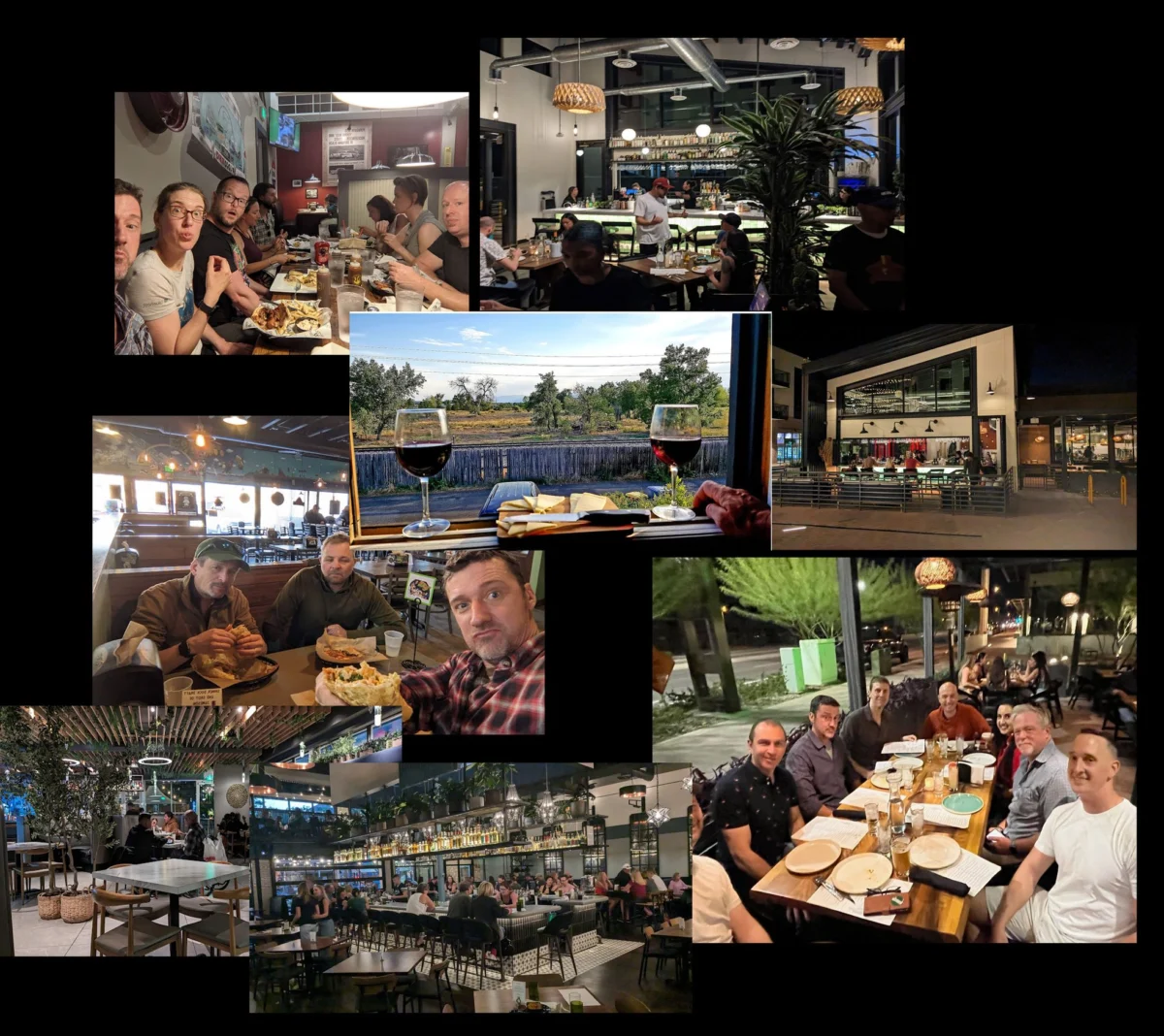
- Elevated Dining: Instead of strictly home-cooked meals or budget-friendly options, Adeney dined out in stylish restaurants, shifting the purpose of restaurant visits from merely "getting food" to "special fun."
- Enhanced Travel Comfort: Hotel bookings were made based on "niceness" rather than "cheapness," and airplane travel saw an upgrade to "reduced torture" seats, indicating a willingness to pay for comfort.
- Flexible Grocery Shopping: While still maintaining memberships to warehouse clubs like Sam’s Club and Costco, he no longer shied away from premium retailers like Whole Foods, accepting the higher price point for convenience or specific products. This flexibility highlighted a relaxed attitude towards minor cost discrepancies.
- Experiential Adventures: A significant portion of his increased spending went towards memorable experiences. Highlights included attending late-night EDM concerts with his son and exploring three Meowwolf art venues, including a notable Christmas Day road trip from his winter home in Tempe, Arizona, to Las Vegas.
- Increased Social Engagement: As a single man for much of the year, Adeney leveraged his flexible schedule to meet friends, explore new places, and engage with new people, transforming the period into one of "adventurous transition."
These activities, he noted, made the year "feel like much more than twelve months," indicating a high level of satisfaction and perceived value from his increased experiential spending. Despite the conscious effort to spend more, Adeney admitted he was having "too much fun to bother adding it all up to check," trusting that his substantial financial buffer would absorb the changes.
The Unveiling of the Budget: Data-Driven Insights
The impetus for a formal budget review arose recently during an informal coaching session with a friend, prompting both individuals to tally their spending for the past year for comparison. The results, Adeney confessed, "surprised me."
Upon categorizing and summing his transactions, Adeney found that his overall spending had indeed increased, primarily in travel-related categories. However, the "big-picture effect was still pretty minimal." His annual expenditures rose from approximately $20,000 to about $30,000. This figure, importantly, does not include the "hidden subsidy of a paid-off house," a cornerstone of his financial independence.
Detailed Spending Breakdown (Annual):
| Category | From Personal Card | From Business Card | Total | Details |
|---|---|---|---|---|
| Groceries | $5,465.56 | $494.83 | $5,960.39 | For himself, young adult son (about half the time), and guests. This figure is notably higher than the U.S. average for a single person ($4,942 annually for food at home), reflecting the increased consumption for multiple individuals and a less restrictive approach. |
| Restaurants | $2,145.11 | $98.48 | $2,243.59 | Designated for "special fun" rather than routine meals, aligning with the abundance mindset. |
| Travel | $3,982.00 | $2,176.77 | $6,158.77 | Includes leisure travel and business travel for events like Camp FI and other professional conferences, highlighting a blend of personal enjoyment and community engagement. |
| Utilities | $1,909.51 | $0 | $1,909.51 | Consistent and relatively low, benefiting from efficient household management. |
| Amazon/House | $949.64 | $2,604.46 | $3,554.10 | Approximately 75% of the business card portion covers construction materials for clients (often friends), reimbursed via invoice, blurring the lines between personal and business expenses but demonstrating practical, value-driven spending. |
| Booze | $250.67 | $0 | $250.67 | Primarily for entertaining guests, indicating a modest social consumption. |
| Healthcare | $813.20 | $2,723.46 | $3,536.66 | Achieved through a combination of Sedera Health Sharing and a Direct Primary Care (DPC) subscription, a cost-effective alternative to traditional insurance. This includes advanced blood tests for screening. |
| Automobile | $2,191.68 | $233.53 | $2,425.21 | Covers car insurance and registration for the Tesla Model Y. This figure excludes the initial purchase price and depreciation, which would significantly increase the total cost of ownership. |
| Phone + Internet | $0 | $1,410.56 | $1,410.56 | Includes $50/month for Gigabit Internet and $25-30/month for Google Fi mobile service, demonstrating efficient tech spending. |
| Property Taxes | $2,577.30 | $0 | $2,577.30 | "Surprisingly reasonable" given the estimated $500-600k value of homes in his neighborhood, reflecting favorable local tax rates or assessment. |
| TOTAL | $20,284.67 | $9,742.09 | $30,026.76 |
This total of $30,026.76 is a substantial increase from his 2019 spending of roughly $20,000. However, it is crucial to consider the significant inflation experienced in recent years. According to the U.S. Bureau of Labor Statistics, cumulative inflation from 2019 to 2024 has been considerable, meaning that $20,000 in 2019 would be equivalent to approximately $24,500-$25,000 in 2024 dollars. Thus, his "real" increase in spending, adjusted for inflation, is closer to $5,000-$6,000, rather than the nominal $10,000.
Financial Cushion and Sustainability
Despite the increase, Adeney noted that this spending level could still be sustained by a $1 million investment nest egg using the common 3-4% safe withdrawal rate. Given that his actual investments are "quite a bit higher" than $1 million, especially after years of economic growth and a robust stock market rally, his current spending remains "way under budget." This underscores the immense financial security he has cultivated, allowing for considerable flexibility without jeopardizing his long-term financial independence.
He concluded that while he "failed" to genuinely increase his spending to the levels recommended for "old wealthy people," he was "happy" because he had genuinely enjoyed the "abundance mindset" and planned to continue "life experiments" in the coming years. This sentiment aligns with the evolving discourse within the FIRE community about optimizing for happiness and meaning, not just minimizing expenses.
Pillars of Sustained Low Spending: Housing and Healthcare
Two critical factors contribute significantly to Adeney’s ability to maintain a relatively low annual budget, even with increased discretionary spending:
- Paid-Off Housing: The most substantial saving comes from the complete absence of mortgage payments. Having paid off his house long ago, he avoids what is typically the largest expense for most American households. This strategy not only eliminates a major monthly outflow but also provides "great peace of mind." While acknowledging that a large mortgage taken at low 3% interest rates in 2021 might have yielded higher investment returns in the booming stock market, he prioritizes the psychological benefit of being debt-free. Furthermore, his hands-on approach to home maintenance, avoiding services like lawn mowing, plumbing, or handyman work, saves him additional thousands annually. He also saves approximately $2,000 per year on house insurance, further boosting the effective return on his home payoff.
- Innovative Healthcare Model: Healthcare costs are a significant concern for early retirees. Adeney manages this through a unique, two-tiered approach that proves more cost-effective than traditional insurance:
- Direct Primary Care (DPC) Clinic Membership: At $107 per month, this provides personalized support and zero deductible for most typical medical needs directly from a physician.
- Health Sharing Organization (Sedera): A high-deductible plan costing $201 per month offers protection against larger medical bills.
The combined cost of $308 per month ($3,696 annually) is notably less than the cheapest Bronze plans available in the standard health insurance market. Adeney emphasizes that his primary strategy is maintaining maximum health to avoid medical expenses altogether, a common theme among FIRE proponents who prioritize preventative care and active lifestyles. He candidly admits his limited personal experience with the traditional medical system due to good health, underscoring that his model works best for those with minimal ongoing medical needs.
Optimizing for Happiness and Future Aspirations
Beyond the financial figures, Adeney’s narrative delves into the philosophy of optimizing life for maximum happiness. He subscribes to the principle that "fixing your persistent problems is more effective than just doubling down on things that are already good in your life." He identifies his family, friends, relationships, health, food, and daily activities as already being "as good as I could imagine."
His primary "annoyance" is physical chaos: the limited workshop space in his current 440-square-foot, two-car garage, which is insufficient for his space-intensive hobbies like construction and music. He dreams of doubling this space to around 1,000 square feet. However, his love for his current location, including its views and neighbors, makes him hesitant to move. His current strategy is to "keep optimizing what I’ve got unless some perfect opportunity comes up for a bigger place right on my block."
Longer-term, he entertains the idea of a "mountain compound with its own cliffs and stream," a vision currently represented by an AI-generated image. Yet, he tempers this aspiration with practical considerations: "Would I actually be happier if I added another place to my portfolio?" His existing commitments, including his home and HQ Coworking space, already have extensive to-do lists. This reflects a mature understanding that accumulating more assets does not automatically equate to increased happiness, especially when it adds to existing responsibilities.
Broader Implications for the FIRE Movement
Mr. Money Mustache’s "abundance experiment" offers valuable insights for the FIRE movement:

- Flexibility in Financial Independence: It demonstrates that achieving financial independence is not a static state of permanent deprivation. For those with substantial assets, there is room to adjust spending upward to enhance life experiences without compromising long-term security.
- The Evolving Definition of Frugality: The experiment suggests that "frugality" can evolve from extreme cost-cutting to intelligent, value-driven spending once financial goals are met. It’s about conscious choices, not just absolute minimization.
- Prioritizing Experiences: The significant allocation to travel, concerts, and social activities highlights a shift towards valuing experiences over material possessions, a trend increasingly observed among financially independent individuals.
- The Power of Self-Assessment: His informal coaching and subsequent budget review underscore the importance of periodic financial self-assessment. As he noted in his 2019 article on the "Optimization Council," regularly comparing spending and strategies is crucial for maximizing life satisfaction.
- Healthcare Innovation: His success with DPC and health sharing provides a practical model for others seeking alternatives to traditional, often expensive, health insurance plans in early retirement.
As Mr. Money Mustache looks ahead to 2025, he expresses excitement for "loads of abundance and piles of challenging stuff on my to-do list." His journey from extreme frugality to a deliberate exploration of abundance offers a nuanced perspective on what it truly means to live a "Good Life" with financial freedom.
Market Note on Electric Vehicles:
As a temporary market observation relevant to his initial Tesla purchase, rumors suggest that the $7,500 U.S. EV tax credit might soon disappear with an upcoming presidential transition. This could make the current period the most opportune time to purchase electric vehicles like the Tesla Model Y or Model 3. Both new and used prices are reportedly at record lows, with additional incentives available through referral codes. This market dynamic highlights how even large purchases within the FIRE framework can be optimized for value.
Financial experts and adherents of the FIRE movement continue to debate the optimal balance between saving aggressively and enjoying wealth in retirement, and Mr. Money Mustache’s ongoing experiments contribute significantly to this evolving discourse.

