
The benefits of immersing oneself in nature, regardless of the season, extend far beyond mere recreation, offering a potent prescription for enhanced physical, mental, and emotional well-being. These advantages become particularly salient for individuals navigating the transition into retirement, a period often marked by shifts in daily routines and social connections. Experts and individuals embracing this philosophy highlight a spectrum of positive outcomes, including increased happiness, reduced anxiety, heightened feelings of calm, lower blood pressure, improved concentration, diminished loneliness, decreased irritability, and better short-term memory.
Chris Heeter, the founder of The Wild Institute, a prominent organization dedicated to fostering a deeper connection with the natural world, has spent over three decades leading wilderness expeditions. Her extensive experience spans diverse environments, from summer canoeing trips to rigorous winter journeys with sled dogs, whom she has personally helped breed, raise, and train. Heeter translates these profound outdoor experiences into actionable insights through her work as a professional speaker, advocating for the integration of "wildness" into everyday life, irrespective of climatic conditions.
This philosophy is actively embodied by Tami Spry and Barry Scanlan, a retired couple who have redefined their approach to embracing the outdoors in their post-career life. Their story offers a compelling counterpoint to the common retiree narrative of seeking tranquil, rural seclusion.
From Rural Roots to Urban Embrace: Redefining "Wild" in Retirement
In a departure from the conventional retiree migration towards quieter, more remote locales, Spry and Scanlan made the deliberate choice to relocate from their established rural property to the heart of the Twin Cities metropolitan area. For years, they had cultivated a deep connection with a 10-acre parcel bordering the Rum River, approximately 60 miles north of Minneapolis and St. Paul. This period was characterized by extensive engagement with their surroundings, including landscaping, constructing an outdoor oven and a dock, meticulously clearing walking and snowshoe paths through their wooded acreage, and even felling their own Christmas trees. They affectionately referred to this cherished property as "The Land."
"We raised our son on 10 acres on the Rum River in a rural community about 60 miles north of the Twin Cities," Spry explained. "We landscaped our property, built an outdoor oven and a dock, cleared walking and snowshoe paths through our woods and felled our own Christmas trees."
Despite their profound affection for "The Land," they transitioned to the bustling Twin Cities, a metropolitan expanse encompassing over 3.5 million residents. This move, however, did not signify an abandonment of their commitment to nature. Instead, it prompted an innovative adaptation. "It’s our therapy," Barry Scanlan stated. "We need it, and we enjoy it!"
Spry elaborated on their motivations: "We didn’t want to be isolated in retirement, which is why we moved. But even living in the city, we still consider our land and the land around us a member of our family, and we get outside as often as we can."
This commitment to maintaining a connection with the natural world is evident in their daily lives within the urban environment. Scanlan noted the surprising abundance of wildlife observable even in their city neighborhood. "Even when it’s 20 below, it’s surprising what you see when you take the time to look," he remarked. "The other day we saw a coyote crossing the street, and we often see otters, ducks and swans on our neighborhood lakes and rivers, as well as juncos, robins and woodpeckers in our yard." Their dedication to fostering this urban wildlife habitat is ongoing, with the addition of trees, birdhouses, and a butterfly-friendly garden, signaling a long-term commitment to enhancing biodiversity in their immediate surroundings.
Spry, who is currently authoring a book exploring her relationship with the natural world, emphasizes the importance of a personalized connection with nature, particularly during the winter months. "Having a relationship with nature involves letting go of your expectations of what ‘nature’ is and instead developing your own relationship with it," she advised. "The tree in your backyard is as grand and life-giving as a tree in the Boundary Waters or Muir Woods, but much more accessible." This perspective underscores the idea that profound natural experiences are not exclusive to remote wilderness areas but can be found and cultivated in one’s immediate environment.
Embracing the Elements: Strategies for Winter Outdoor Engagement
Given that Minnesota is renowned for its prolonged and often severe winters, the question of how to sustain outdoor engagement during these colder months becomes paramount. Heeter, Spry, and Scanlan, all residents of the state, offered practical and insightful strategies for maximizing the benefits of nature year-round.
Tip No. 1: Dress for the Weather
The cornerstone of successful winter outdoor activity is appropriate attire. Heeter stresses the critical importance of warmth and comfort. "Getting—and staying!—outside on below-zero days requires the right gear," she asserted. Essential items include warm mittens, which offer superior insulation compared to gloves, and insulated boots with ample room for toes, even when wearing multiple pairs of wool socks. Layering clothing is also a fundamental principle, allowing for the adjustment of insulation based on activity level and ambient temperature. To facilitate spontaneous outdoor excursions, Heeter suggests organizing all winter gear in a readily accessible location, such as a designated basket or hamper.
Tip No. 2: Prioritize Activity Over Absolute Comfort
While comfort is often prioritized in leisure activities, Heeter points out that in winter’s embrace, a certain degree of discomfort can be a catalyst for physical engagement. "The cold can sometimes take your breath away," she acknowledged. "But take a few deep breaths, drop your shoulders, relax your muscles and get moving, and you’ll be surprised at how quickly you warm up." This advice highlights the physiological response to cold and the effectiveness of movement in generating body heat, transforming a potentially daunting experience into an invigorating one.
Tip No. 3: Local Exploration Yields Rich Rewards
The perception that meaningful nature engagement necessitates extensive travel to remote wilderness areas is a misconception, according to Heeter. She advocates for a more accessible approach: "Some people think the only way to spend time in nature is by camping in the wilderness, which can require hours of driving just to set foot outdoors," she noted. "Instead, she suggests you drive (or better yet, walk!) to the nearest park where you’ll find plenty of birds, rabbits, deer and other animals to get excited about." Spry and Scanlan exemplify this by incorporating local parks and natural areas into their daily routines. Their walks often lead them past neighbors’ gardens and extend to the Mississippi River, which is conveniently located just a few blocks from their home. This approach demonstrates that "wildness" can be found in urban green spaces and local natural reserves.
Tip No. 4: Immerse Yourself in Nature’s Sensory Tapestry
In an era of constant digital connectivity, Heeter strongly advises resisting the urge to use headphones for music or podcasts during outdoor excursions. "Resist the temptation to listen to music or podcasts while walking. Instead, tune in to nature," she urged. "When we turn our ears and eyes to the natural world, we see so much more," she stated. "And we begin to feel as if we belong." This mindful observation fosters a deeper appreciation for the subtle nuances of the natural environment. Scanlan echoes this sentiment, finding profound value in documenting his observations. His journal entries meticulously record wildlife sightings, the accumulation of snow during the season’s first blizzard, and the first harbingers of spring, such as the sighting of a bluebird. This practice not only enhances his personal connection to nature but also serves as a testament to the richness of the natural world, even in urban settings.
Tip No. 5: Reclaim the Spirit of Play
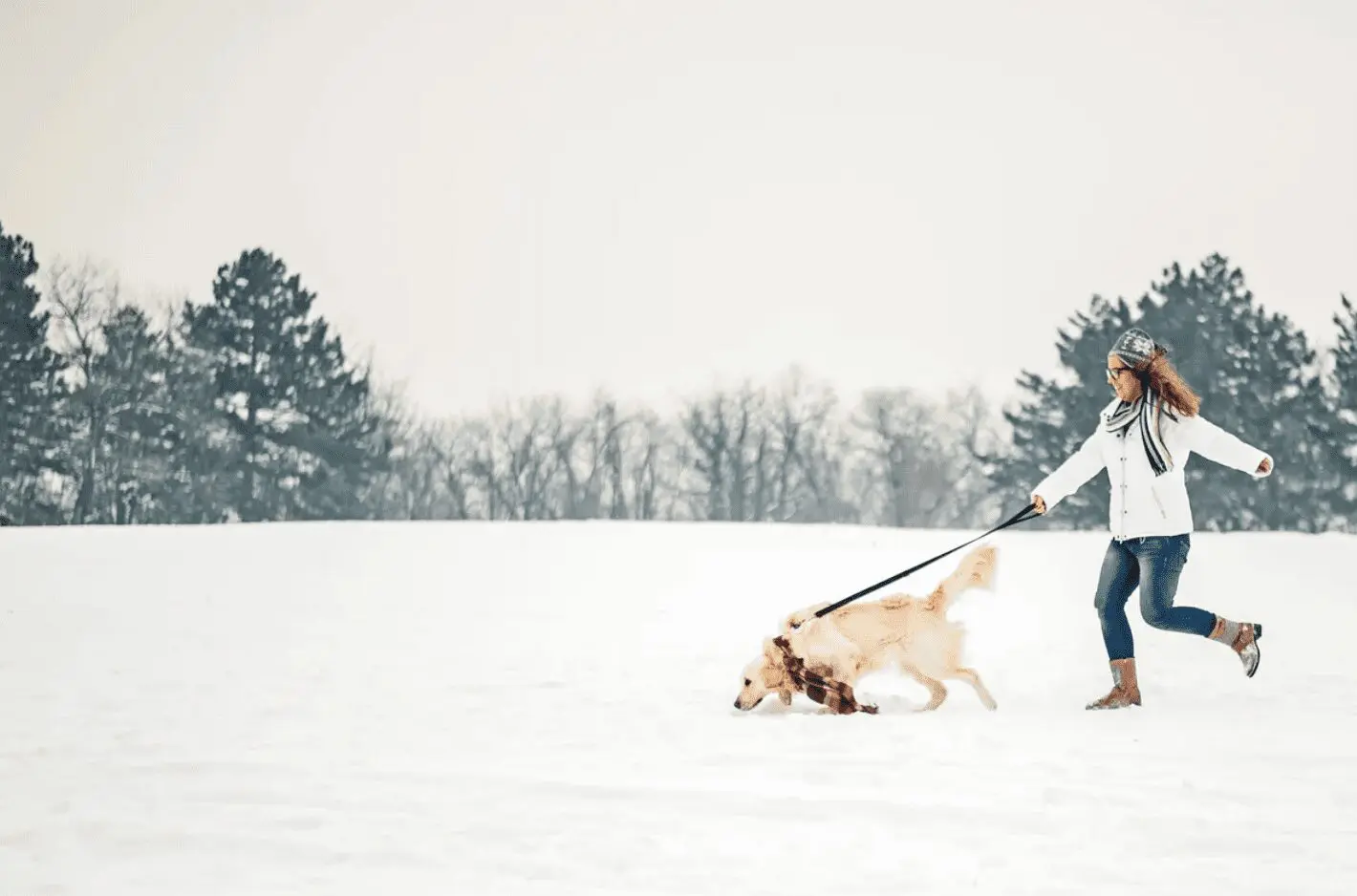
Heeter, Spry, and Scanlan advocate for a return to childlike wonder and spontaneous activity when engaging with the outdoors, particularly in winter. "Play! Go off trail, make a snow angel, build a snowperson, start a snowball fight," the advice suggests. "Let yourself be a kid again—and spread the joy by inviting others to join in." This playful approach can foster social connections and enhance the overall enjoyment of outdoor experiences. Spry and Scanlan often extend this joy by hosting gatherings around their backyard fire pit, inviting friends and neighbors to share in the warmth and camaraderie. Heeter, in her role as an advocate for nature, extends this invitation to a broader audience through the monthly poems she publishes on her website. These pieces are crafted to inspire individuals to initiate or rekindle their personal relationships with the wild. A recent poem, "A Winter Walk," exemplifies this ethos, encouraging readers to find solace and connection in the winter landscape.
The implications of these practices are far-reaching. Beyond the immediate benefits of improved mood and reduced stress, consistent engagement with nature has been linked to enhanced immune function and a greater sense of purpose and belonging. For retirees, in particular, maintaining an active connection with the outdoors can serve as a vital countermeasure against social isolation and the potential decline in physical and cognitive health often associated with a less active lifestyle. The adaptable strategies offered by Heeter, Spry, and Scanlan demonstrate that a vibrant and fulfilling relationship with nature is not contingent on a dramatic lifestyle change but rather on a conscious and consistent effort to integrate natural experiences into the fabric of everyday life, no matter the season or the setting.
Further Reading:
- The Wild Institute: https://thewildinstitute.com/
- A Winter Walk (Poem): https://thewildinstitute.com/wild-thoughts/a-winter-walk/
- Podcast Episode: The Joy of Movement – Kelly McGonigal: https://www.retirementwisdom.com/podcasts/the-joy-of-movement-kelly-mcgonigal/

