
In a recent address to his community and a broader audience, Mr. Money Mustache, the influential figure behind the widely popular financial independence blog, has directly challenged assertions that his accumulated wealth has distanced him from the core tenets of frugal living he champions. Far from abandoning the practices that propelled him to financial independence, he argues that these very principles remain integral to his current lifestyle, not out of necessity, but as sources of genuine enjoyment and continued personal enrichment. This reaffirmation comes as some critics suggest that his financial success might preclude an understanding of the average person’s financial struggles or dilute his commitment to the money-saving habits he advocates.
The Philosophy of Mustachianism and the FIRE Movement
Mr. Money Mustache, whose real name is Pete Adeney, emerged over a decade ago as a pioneering voice in the Financial Independence, Retire Early (FIRE) movement. His blog quickly gained traction by offering a stark alternative to conventional financial wisdom, emphasizing radical frugality, self-sufficiency, and intentional living as pathways to early retirement and a life free from financial anxiety. "Mustachianism," the philosophy derived from his teachings, extends beyond mere budgeting; it cultivates a deep appreciation for efficiency, creativity, self-awareness, and continuous self-improvement. Unlike standard financial advice that often focuses on aggressive savings targets achieved through sacrifice, Mustachianism posits that a truly efficient and optimized life is inherently enjoyable, leading naturally to reduced expenses and increased savings. This holistic approach suggests that financial well-being is intrinsically linked to overall life quality, where a lower expense rate is a byproduct of living better, not merely cutting back.
Addressing the Critique: Wealth vs. Lifestyle Consistency
The central critique leveled against Mr. Money Mustache often hinges on the idea that his considerable financial success, a direct outcome of his adherence to these principles, has rendered his advice irrelevant to those still navigating financial precarity. Critics contend that a person of his means could no longer genuinely practice or understand the nuances of extreme frugality. However, Adeney dismisses these claims, stating that being misunderstood is an inherent part of sharing personal life details publicly. He maintains that if observers could witness the daily realities of his life, and indeed, the lives of many long-term Mustachians, they would recognize the sustained application and efficacy of these core principles. His argument is simple: wealth accumulation has not necessitated a departure from his habits because those habits were chosen for their inherent ability to foster an enjoyable and fulfilling life in the first place. His consistent wealth growth over the past twelve years, mirroring that of many dedicated readers, underscores the enduring power of these strategies.
Core Principles in Practice: Six Pillars of Enduring Frugality and Enhanced Living
To substantiate his claims, Mr. Money Mustache outlines several practical examples from his current life, activities he pursues out of genuine enjoyment that concurrently yield substantial financial savings. He frames these examples within a long-term financial perspective, utilizing the "rule of 172" – multiplying a monthly expense by 172 to estimate its compounded value over a decade if invested – to illustrate the significant long-term impact of seemingly small choices.
1. Self-Sufficiency in Home Maintenance and Improvement
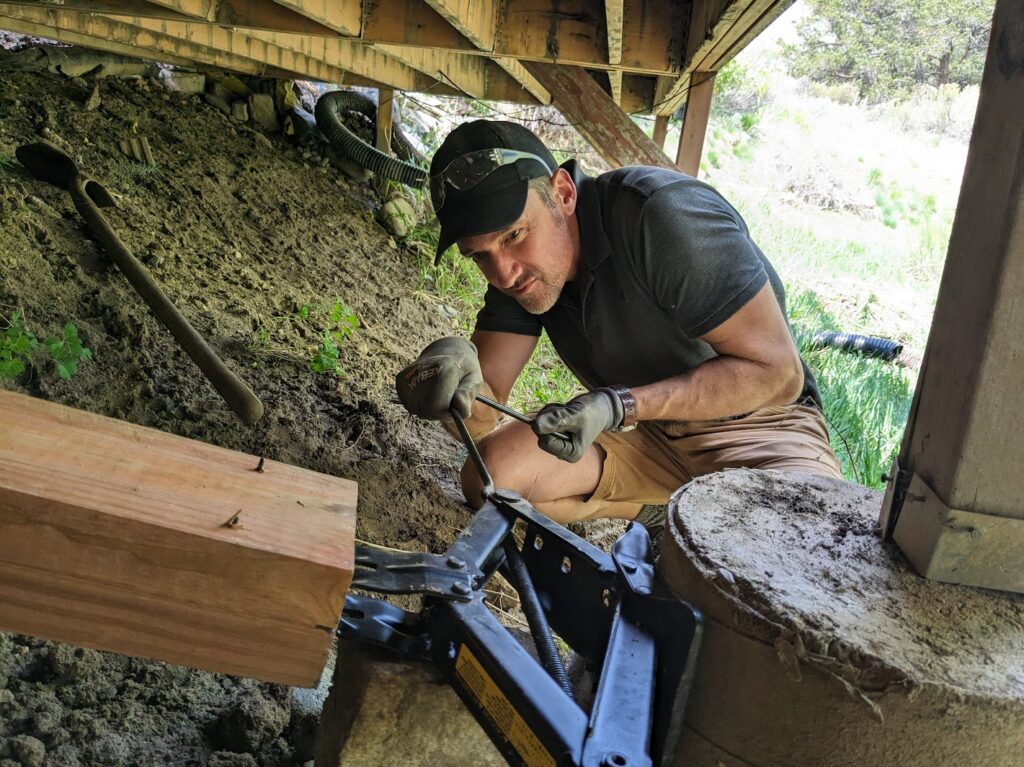
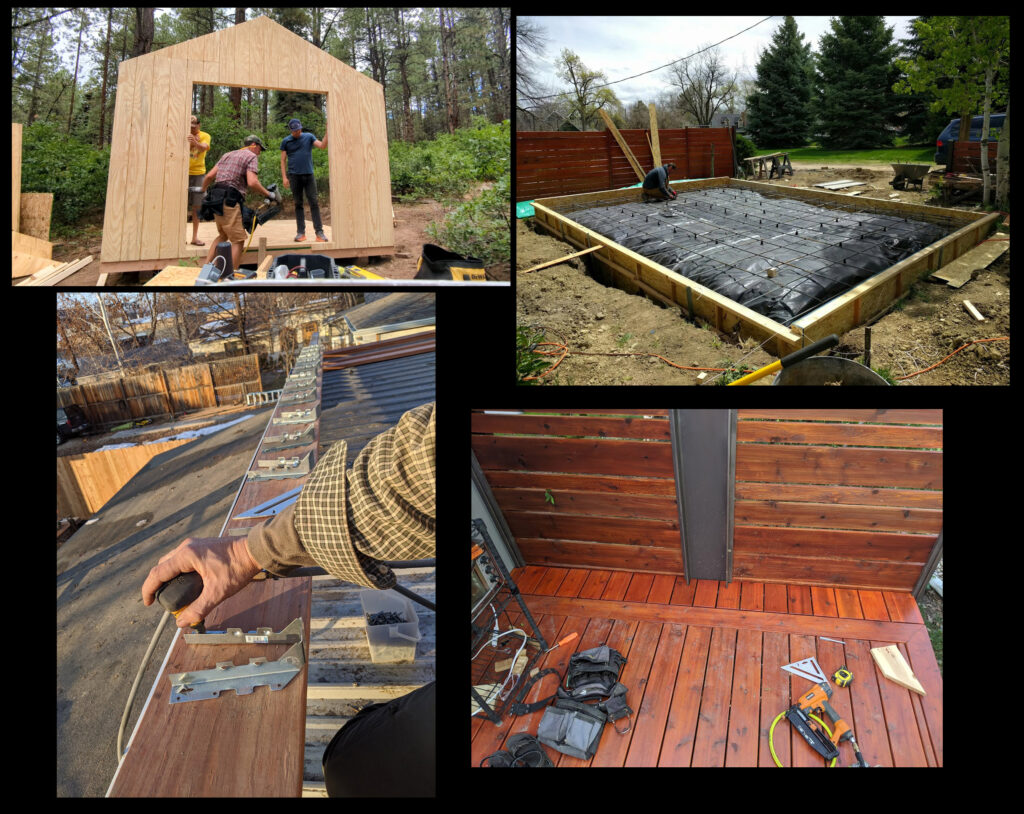
A cornerstone of the Mustachian philosophy is self-sufficiency, particularly in managing one’s living environment. Mr. Money Mustache exemplifies this through extensive do-it-yourself (DIY) home renovation and maintenance projects, not only on his properties but also for friends. This practice aligns with the principle of "Becoming a Producer of the Things You Most Enjoy Consuming." Beyond the immediate cost savings of avoiding professional contractors, which can be substantial (e.g., average home renovation costs often run into tens of thousands of dollars, with labor comprising a significant portion), DIY empowers individuals, fosters practical skills, and promotes a deeper connection to one’s living space. The average homeowner can expect to spend between 1% and 4% of their home’s value on maintenance annually, a cost dramatically reduced by self-reliance. This approach also contributes to sustainable living by encouraging repair and repurposing over replacement. For Mr. Money Mustache, this translates to an estimated saving of $20,000 per year, compounding to approximately $287,000 per decade.
2. Community-Driven Resource Sharing and Circular Economy
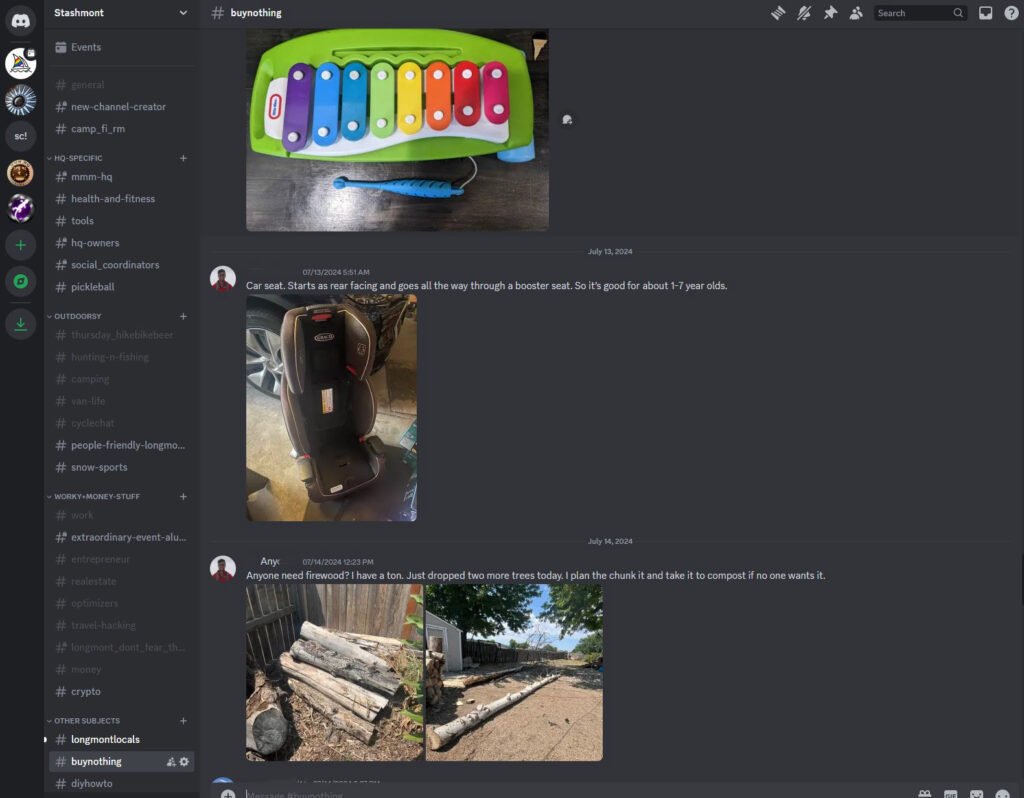
While the convenience of modern consumerism offers instant gratification, Mustachianism champions a more communal and environmentally conscious approach to acquiring goods. Rather than purchasing new items, leveraging platforms like Craigslist, Facebook Marketplace, NextDoor’s "Buy Nothing" groups, and private community forums allows for the sharing, repurposing, and second-hand acquisition of high-quality goods. This not only significantly reduces expenditure but also fosters local community ties and reduces waste, contributing to a circular economy. The growth of the sharing economy reflects a broader societal shift towards sustainable consumption. Mr. Money Mustache highlights his involvement in the MMM-HQ community’s Discord server, where members actively exchange goods and provide DIY assistance. This habit, combining both savings and earnings from selling unused items, saves him an estimated $42,000 per decade.
3. Active Transportation: Prioritizing Bikes Over Cars
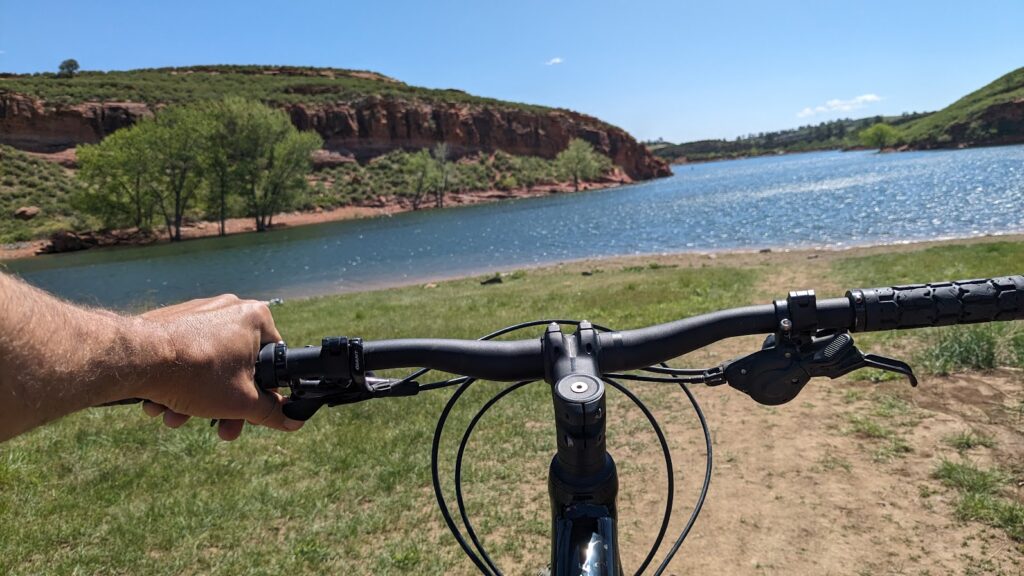
One of Mr. Money Mustache’s most enduring and widely recognized tenets is the advocacy for bicycle transportation. The financial burden of car ownership is extensive, encompassing not just fuel but also depreciation, insurance, maintenance, and parking. Studies, such as those cited in his own "True Cost of Commuting" analysis, estimate car operating costs at upwards of 50 cents per mile. By contrast, bicycles offer a remarkably cost-effective alternative. Beyond the direct financial savings on fuel and maintenance, choosing active transportation like cycling or walking yields significant health benefits, reducing healthcare expenditures and improving overall well-being. According to AAA, the average annual cost of owning and operating a new vehicle in 2023 was over $12,000. Even with a modest 2,000 miles per year of bike usage for local trips, Mr. Money Mustache estimates a direct saving of $14,000 per decade. The broader health and environmental benefits further amplify this positive impact.
4. Embracing Physical Exertion: Muscle Over Motor
This principle extends the active transportation philosophy to daily tasks, advocating for manual labor over motorized assistance whenever feasible. Choosing stairs over elevators, running a golf course instead of using a cart, moving furniture manually, or shoveling snow are all examples of integrating physical activity into routine life. This intentional choice directly impacts health and fitness, adhering to the "use it or lose it" principle for the human body. While difficult to quantify precisely, the long-term benefits of regular physical activity are well-documented, including reduced risk of chronic diseases, improved mental health, and increased energy levels. The average American spends approximately $13,000 annually on healthcare. By maintaining robust health through consistent physical activity, Mr. Money Mustache conservatively estimates a $10,000 annual saving in potential healthcare costs and enhanced productivity, translating to an estimated $140,000 per decade.

5. Mindful Energy Consumption and Sustainable Home Management
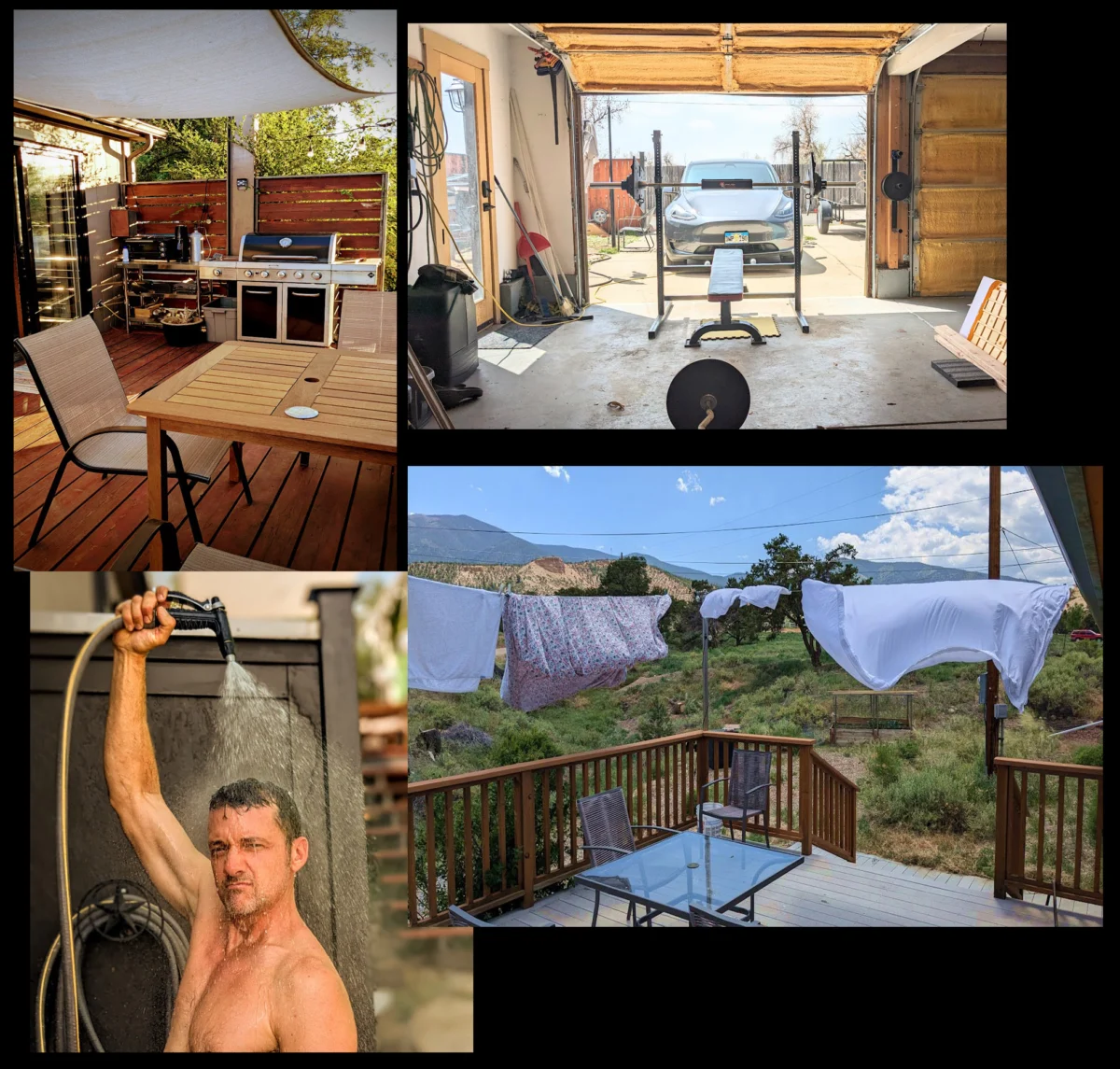
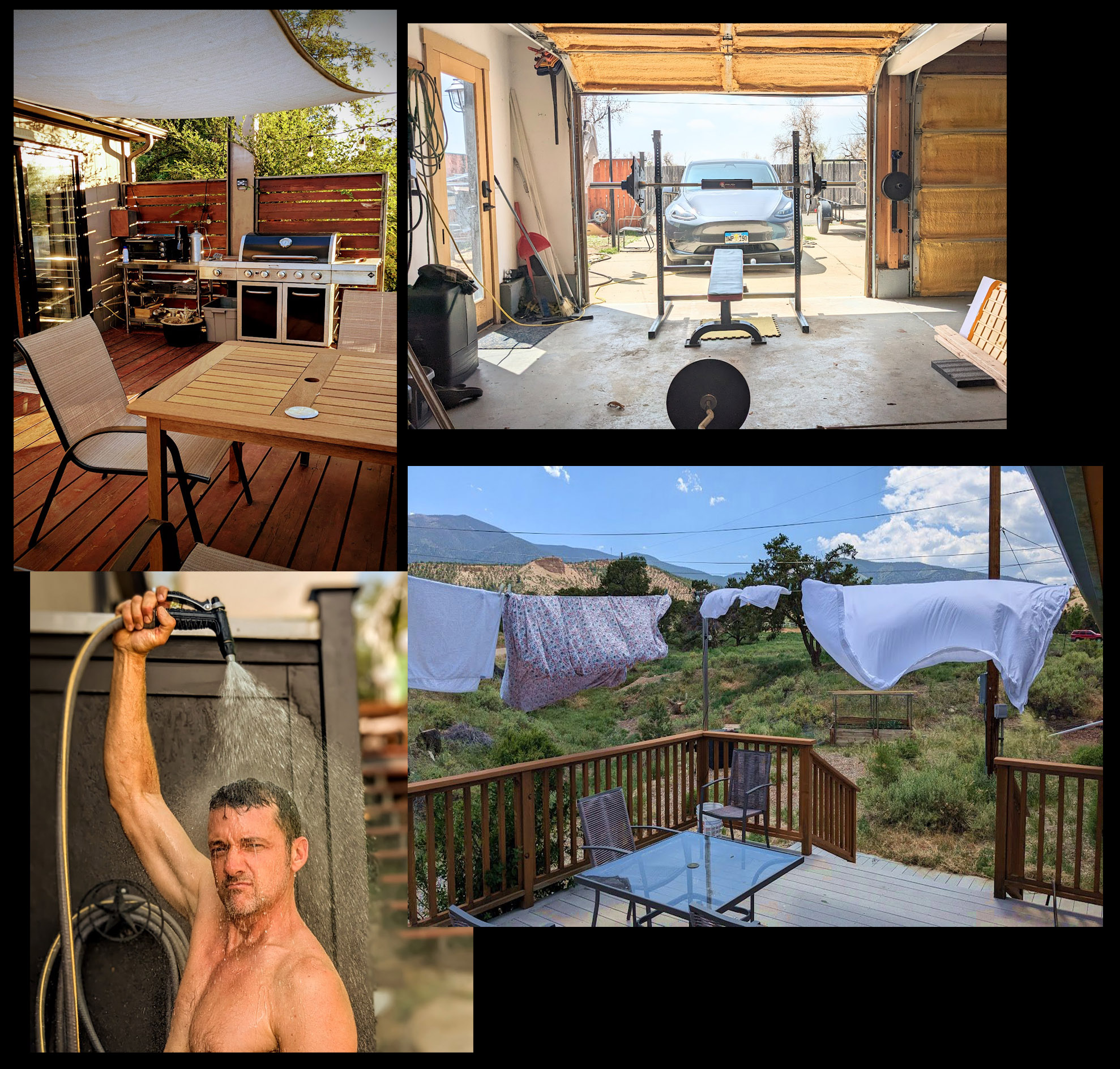
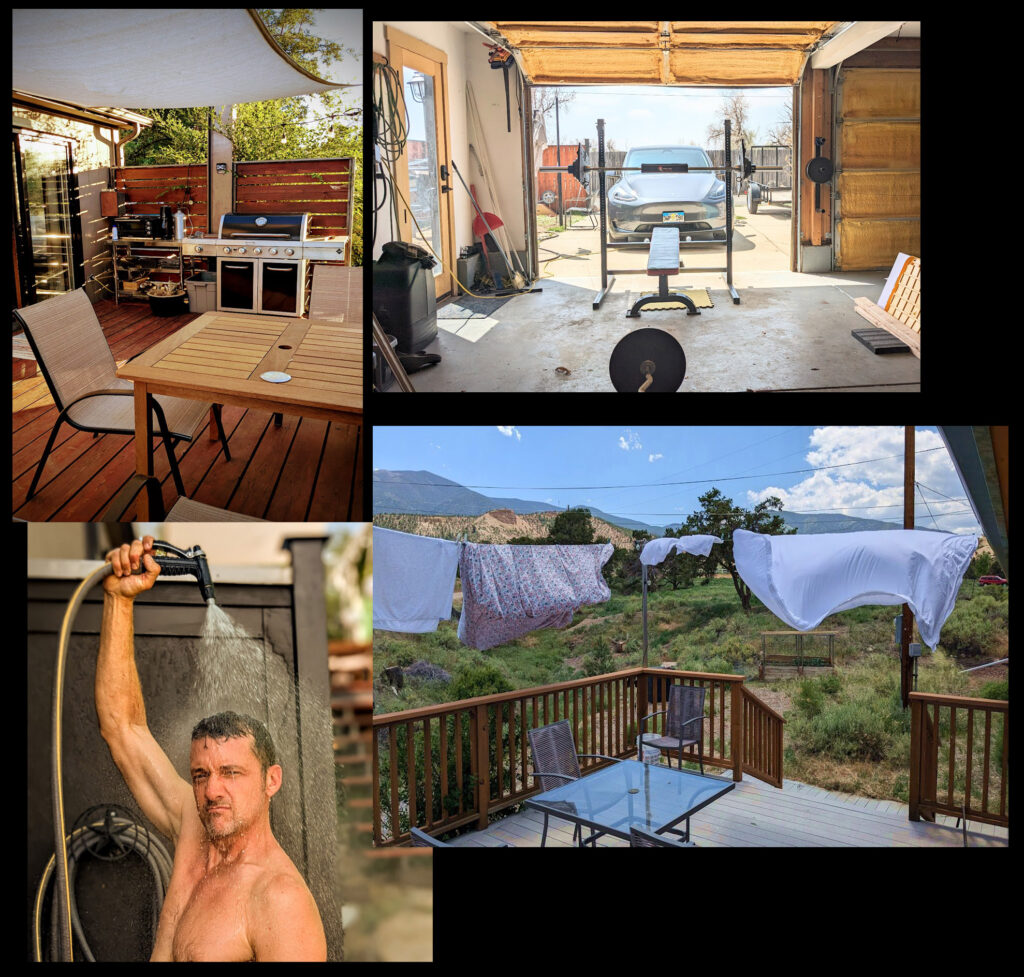
Mr. Money Mustache’s approach to home energy use is characterized by inventive and often unconventional methods, which he lightheartedly describes as running his home "like a glamping retreat." This involves passive solar design, maximizing natural light and ventilation, using clotheslines for drying laundry, and embracing outdoor activities like cooking and showering during warmer months. These practices are not merely about cutting utility bills but about fostering a deeper connection with the seasons and natural environment. While the combined average gas and electric bill in his area might be around $250 per month, his usage is significantly lower at $75, resulting in substantial savings. Beyond the financial benefits, which amount to approximately $30,000 per decade, these energy-saving habits contribute to environmental stewardship and a more resilient, low-impact lifestyle, providing a profound sense of enjoyment and fulfillment.
6. Prioritizing Local Experiences and Intentional Travel
In an era of ubiquitous travel, Mr. Money Mustache advocates for "Local Living over Constant Travel," encouraging a discerning approach to trips. This means frequently saying "no thanks" to plans requiring extensive travel and "yes please" to opportunities for local engagement. The benefits are multifaceted: reduced direct travel costs (e.g., a family of four can easily spend $5,000-$10,000 on a single significant vacation), fostering deeper local friendships, enhanced community participation, and a greater appreciation for one’s home environment. While acknowledging the value of travel for broadening perspectives, the Mustachian view emphasizes balance, prioritizing enriching experiences over habitual or obligation-driven trips. By replacing just two weeks of family travel with local activities, the estimated direct and incidental savings (including health and social capital) could reach $10,000 per year, accumulating to a remarkable $143,000 per decade. This strategy underscores the often-underestimated value of cultivating a rich home life.
Cumulative Impact and Broader Implications
Cumulatively, the practices detailed by Mr. Money Mustache represent substantial financial benefits, totaling an estimated $656,000 every decade. This figure is particularly striking when compared to the median wealth of many American seniors entering retirement after over four decades of work. His own financial growth over the past decade is directly attributable to the consistent application of these very habits.

The implications of Mr. Money Mustache’s steadfast commitment to these principles extend beyond individual financial gain. His example illustrates that wealth does not inherently necessitate a departure from conscious consumption or self-reliance. Instead, for many who embrace Mustachianism, these practices are deeply integrated aspects of a preferred, high-quality lifestyle, irrespective of bank account balances. The movement champions an accessible pathway to financial well-being and a fulfilling life, suggesting that even slight adjustments towards greater efficiency and intentionality can yield profound long-term benefits. It’s a testament to the idea that true wealth lies not just in accumulated assets, but in the freedom, health, and community fostered by an optimized way of living.

