

The financial world is navigating a profound paradigm shift as interest rates, long anchored near historic lows, have surged to levels not seen in over two decades. This dramatic recalibration by central banks worldwide, particularly the U.S. Federal Reserve, marks an end to an era of inexpensive credit that shaped investment, consumption, and asset valuations for nearly fifteen years. The sudden upward trajectory of borrowing costs, culminating in rates reaching 20-year highs, has prompted widespread reevaluation of economic strategies for individuals, businesses, and governments alike.
The Era of Easy Money: A Precursor to Change

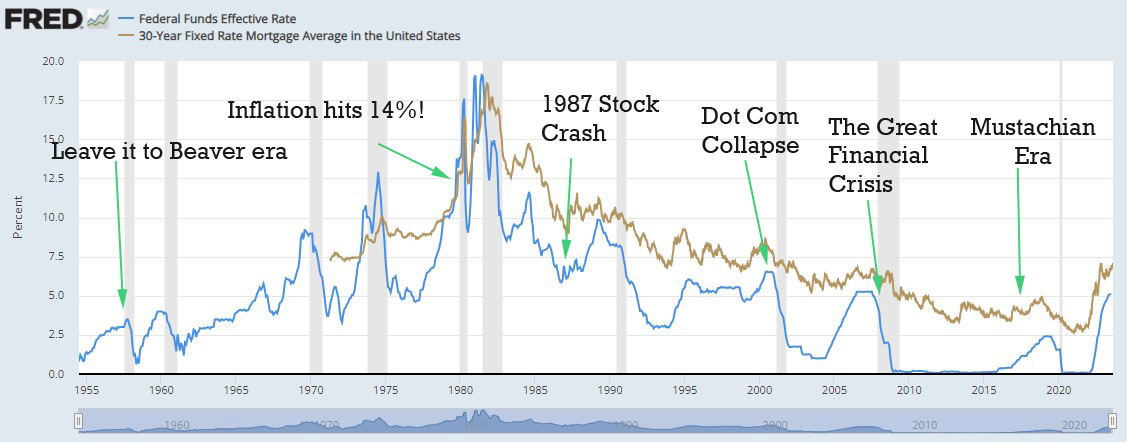
For much of the 21st century, particularly in the aftermath of the 2008 global financial crisis and the 2020 COVID-19 pandemic, central banks employed ultra-low interest rates and quantitative easing as primary tools to stimulate economic growth and stave off deflationary pressures. The Federal Funds Rate, the benchmark interest rate set by the U.S. Federal Reserve, hovered near zero for extended periods, making borrowing exceptionally cheap. This environment fueled significant economic expansion, facilitated readily available credit for mortgages and business investments, and encouraged risk-taking in financial markets.
During this period, readily available capital translated into booming real estate markets, as mortgages became more affordable, driving up demand for both existing homes and new construction. Businesses, from nascent startups to established corporations, found it inexpensive to borrow for expansion, innovation, and hiring, contributing to a robust job market and a general sense of prosperity. This prolonged period of low rates, however, eventually contributed to an imbalance: too much money chasing a constrained supply of goods and services, particularly post-pandemic disruptions, leading to a significant inflationary surge.
The Inflationary Pivot and Central Bank Response
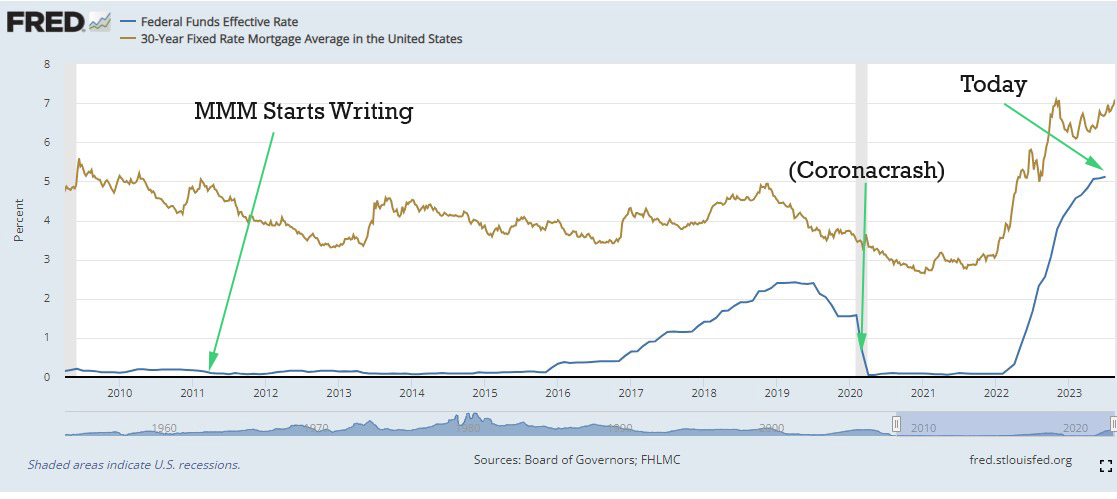
The catalyst for the dramatic shift in interest rates was the persistent and accelerating inflation that began to grip economies globally in late 2021 and intensified throughout 2022. Driven by a confluence of factors including supply chain disruptions, robust consumer demand fueled by fiscal stimulus, and geopolitical events, the Consumer Price Index (CPI) in the U.S. peaked at 9.1% year-over-year in June 2022, a level not witnessed in four decades. This far exceeded the Federal Reserve’s target of 2% inflation, necessitating an aggressive policy response.
Under the leadership of Chairman Jerome Powell, the Federal Reserve initiated a series of rapid and substantial interest rate hikes beginning in March 2022. What started as a 25-basis-point increase quickly escalated into multiple 75-basis-point hikes, pushing the Federal Funds Rate from near zero to a range of 5.25%-5.50% by mid-2023. This rapid tightening cycle was designed to cool down the overheated economy, dampen demand, and bring inflation back under control, even at the risk of inducing an economic slowdown or recession. Other major central banks, including the European Central Bank and the Bank of England, followed similar trajectories, raising their own policy rates to combat domestic inflationary pressures.
Impact on Key Economic Sectors

The immediate and profound impact of these rate hikes has been felt across various sectors of the economy:
Housing Market: The residential real estate sector, which thrived on low mortgage rates, has experienced a significant cooling. The average 30-year fixed-rate mortgage, which stood around 3% in early 2022, soared to over 7% by late 2023. This dramatic increase in borrowing costs has severely impacted affordability. For instance, a $400,000 mortgage at 3% would have carried a monthly payment of approximately $1,686 (excluding taxes and insurance), whereas at 7.5%, the same mortgage would cost around $2,797 per month – an increase of over 65%. This has priced many potential buyers out of the market, leading to a noticeable drop in home sales volume, extended market times for properties, and a deceleration in home price appreciation in many regions, with some areas even experiencing modest price declines. New construction has also slowed as developers face higher borrowing costs and reduced demand.
Financial Markets: The stock market has reacted with volatility to the tighter monetary policy. Higher interest rates increase the cost of capital for businesses and can reduce future earnings expectations, leading to lower valuations for equities. Technology and growth stocks, often reliant on future earnings potential, were particularly affected. Major indices like the S&P 500 experienced significant corrections in 2022, though some recovery was observed in 2023. Meanwhile, bond markets saw yields rise sharply, reflecting the higher returns demanded by investors for lending money. The yield curve, a graphical representation of interest rates on bonds of different maturities, has largely inverted, a phenomenon often interpreted as a predictor of future economic slowdowns or recessions.

Consumers and Businesses: Consumers are confronting higher costs for various forms of credit, including credit cards, auto loans, and personal loans. While savings accounts and money market funds now offer more attractive yields (e.g., 4.5% or more), the overall cost of living remains elevated due to inflation, even as wage growth has lagged. Businesses, particularly those with significant debt or ambitious expansion plans, face increased borrowing expenses. This has prompted many companies to scale back investments, slow hiring, or even implement layoffs, as seen with major tech firms like Meta and Amazon reducing their workforces by tens of thousands. The aim is to reduce aggregate demand and bring the labor market into better balance.
The Economic Outlook: Navigating Uncertainty
The current economic narrative is complex, characterized by seemingly contradictory indicators. Despite the aggressive rate hikes and concerns about a looming recession, the U.S. labor market has remained remarkably resilient, with unemployment rates dipping to 50-year lows (e.g., around 3.5-3.8% in late 2023). Economic growth, while slowing, has not collapsed, leading some economists to suggest the possibility of a "soft landing" – a scenario where inflation is brought under control without a severe recession.

However, the inverted yield curve remains a significant signal. Historically, an inverted yield curve, where short-term Treasury yields are higher than long-term yields, has preceded almost every U.S. recession in the past 75 years, with only one false positive among eleven occurrences. This market signal suggests that bond investors anticipate a future economic slowdown that will necessitate lower interest rates from the Federal Reserve.
Forward Guidance and Expert Projections
Federal Reserve officials have consistently reiterated their commitment to bringing inflation back to the 2% target, emphasizing that monetary policy decisions will remain data-dependent. While the pace of rate hikes has slowed, the Fed has maintained a stance of keeping rates "higher for longer" to ensure inflation is durably subdued.
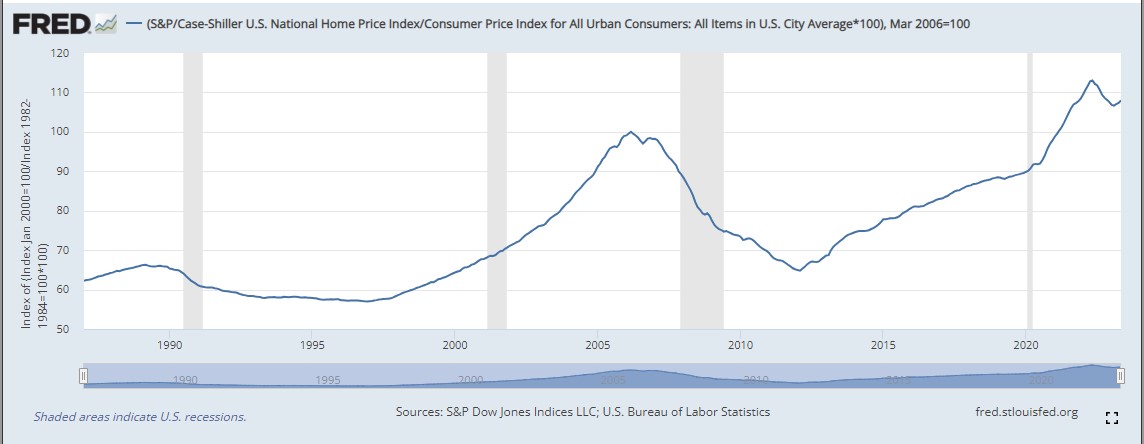
Economists offer varied projections for the path forward. Some anticipate that the cumulative effect of past rate hikes will eventually lead to a more pronounced economic contraction, forcing the Fed to reverse course and cut rates within the next 12-24 months. Others argue that structural changes in the economy, coupled with ongoing fiscal spending, might keep interest rates at a higher equilibrium than the pre-pandemic norm for an extended period. The consensus, if any, leans towards a potential modest recession or a period of significantly slower growth, likely within the next two years, which would then pave the way for interest rate reductions. Market expectations, as reflected in futures contracts and the inverted yield curve, largely align with this view, forecasting rate cuts beginning sometime in 2024.
Strategic Adjustments in a New Rate Environment
For individuals and institutions, the shift in interest rates necessitates strategic adjustments. For investors, the long-held mantra of "buying the dip" in equities remains relevant, particularly given that market corrections make future returns more attractive. However, the allure of higher yields in fixed-income investments, such as high-yield savings accounts, Certificates of Deposit (CDs), and bonds, is now more compelling. A balanced approach that considers both equity growth and fixed-income stability is increasingly prudent.
In the housing market, prospective buyers face a challenging environment of elevated prices and high mortgage rates. The expectation is that house prices might either plateau or experience modest declines in some areas, or simply stagnate in real terms (not keeping pace with inflation) for several years, making homes more affordable relative to future incomes. For those with substantial savings, the ability to purchase assets with cash reduces exposure to interest rate fluctuations, offering a position of strength and flexibility.
Ultimately, the current economic climate underscores the importance of sound personal finance principles: maintaining a lean lifestyle, prioritizing savings, and building a strong financial foundation. While external factors like interest rates and market fluctuations are beyond individual control, prudent financial decisions regarding income, expenses, and investment strategy remain paramount. The current interest rate environment is not an anomaly when viewed through a broader historical lens; rather, it represents a return to more normalized conditions after an extended period of extraordinary monetary policy. Navigating these changes with a focus on long-term financial resilience will be key to weathering the economic shifts ahead.

