
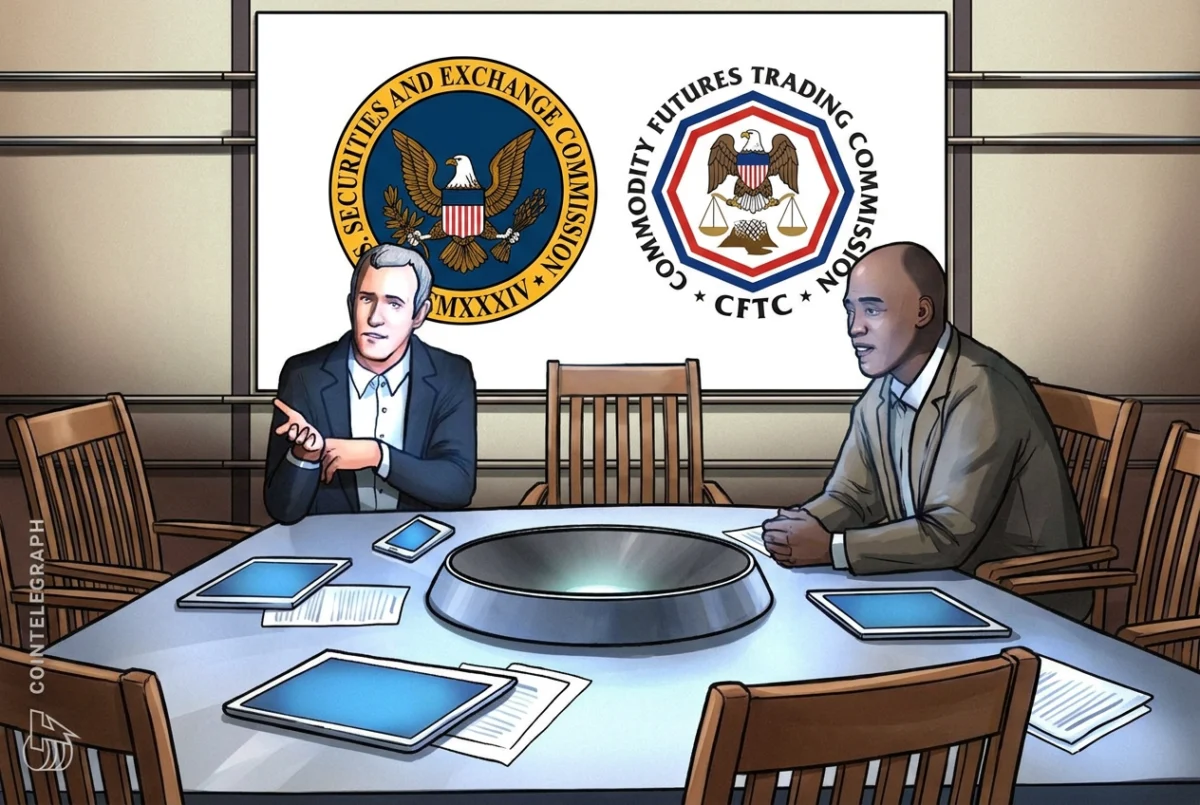
The landscape of digital asset regulation in the United States faces a significant shift as two key financial agencies, the Securities and Exchange Commission (SEC) and the Commodity Futures Trading Commission (CFTC), are set to operate with a diminished number of commissioners. The departure of Republican Commissioner Hester Peirce from the SEC on Friday marks a pivotal moment, reducing the SEC to just two commissioners and highlighting a broader trend of understaffing and potential regulatory paralysis within these crucial oversight bodies. This development occurs against a backdrop of ongoing legislative stumbles and a persistent lack of clarity in how digital assets are to be governed, leaving industry participants in a state of heightened anticipation and concern.
Hester Peirce’s Exit and the SEC’s Reduced Capacity
Hester Peirce, widely recognized within the cryptocurrency community as "Crypto Mom" for her generally more accommodative and nuanced views on digital assets, will conclude her eight-year tenure at the SEC. Her departure comes approximately two months before the scheduled end of her second term’s 18-month extension. This planned exit will bring the SEC’s commissioner count down to two, with Republican Chair Paul Atkins and Commissioner Mark Uyeda remaining. This configuration is a notable departure from the commission’s intended bipartisan structure, which is designed to have five commissioners. This marks only the second time in the SEC’s history that it will operate with such a reduced number of commissioners. The implications of this reduced capacity are significant, potentially impacting the pace and scope of regulatory actions and investigations concerning the digital asset market.
The SEC has been a central figure in the ongoing debate surrounding cryptocurrency regulation, often asserting jurisdiction over many digital assets as securities. Peirce’s tenure was characterized by a more cautious approach to enforcement, advocating for clearer regulatory frameworks and expressing concerns about the SEC’s aggressive stance on certain digital asset-related matters. Her departure removes a voice that, while not always aligning with industry desires, was at least perceived as being more engaged with the complexities of the digital asset space. The remaining commissioners, Atkins and Uyeda, will now bear the responsibility of steering the SEC’s digital asset policy, a task complicated by the absence of a full commission and the lack of legislative guidance.
CFTC Faces Similar Challenges Amidst Sole Commissionership
The challenges of understaffing are not unique to the SEC. The Commodity Futures Trading Commission (CFTC), another pivotal federal regulator involved in crypto oversight, has been operating with a sole commissioner, Chair Michael Selig, since December 2025, following the departure of acting chair Caroline Pham. This situation predates Peirce’s departure from the SEC and underscores a systemic issue within these regulatory bodies. The CFTC, with its mandate to oversee derivatives and commodity markets, plays a critical role in regulating certain aspects of the digital asset ecosystem, particularly those involving futures and other derivative products. A single commissioner leading the agency raises questions about its ability to effectively address the burgeoning complexities of the crypto market and execute its oversight responsibilities with the necessary depth and breadth.
The Vacancy Conundrum: Nominations and the White House
The authority to nominate new commissioners to fill these vacancies at both the SEC and CFTC rests with the President of the United States. Under federal law, President Donald Trump is empowered to put forth candidates for these key leadership positions. However, as of the reporting date, the White House had not officially announced any nominations or indicated an intention to do so in the immediate future. This lack of action has fueled speculation and concern within the industry and among policymakers.
The existing commissioners at the SEC, Atkins and Uyeda, were both appointed during the Trump administration, with the exception of Uyeda, who was a Biden appointee in 2022. At the CFTC, Chair Selig was also appointed by Trump. The White House’s perceived inaction on filling these vacancies has drawn criticism. A statement from a White House official indicated that President Trump intended to nominate members to both agencies "in the near future." This statement, while offering a glimmer of hope, lacks specific timelines and concrete details, leaving the situation in a state of uncertainty.
Recent reporting by CNBC on September 4th indicated that White House officials had been in the process of vetting four candidates to fill the vacant commissioner seats at the CFTC. However, the names of these candidates were not disclosed, further contributing to the opacity surrounding the nomination process. This vetting process suggests that the administration is aware of the need to fill these roles, but the delay in formal nominations remains a point of concern.
Legislative Roadblocks: The Failed CLARITY Act
The current regulatory vacuum at the SEC and CFTC is exacerbated by the failure of key legislative initiatives aimed at clarifying the digital asset landscape. The Digital Asset Clarity (CLARITY) Act, which industry participants had strongly advocated for, failed to advance in the Republican-controlled Senate earlier in the month. This bill was intended to provide a more defined regulatory framework for digital assets, potentially shifting some authority over digital asset regulation from the SEC to the CFTC.
The CLARITY Act’s failure to pass Congress leaves a significant void in legislative guidance. Without this clarity, both agencies are left to interpret existing federal laws and apply them to the rapidly evolving digital asset market. This reliance on agency rulemaking and staff guidance, rather than explicit legislative mandates, has led to differing interpretations and approaches. For instance, the SEC has continued to issue staff guidance on issues such as investment contracts, while the CFTC has focused on specifying how companies can utilize blockchain technology for recordkeeping. This divergence in approach, absent clear legislative direction, can create confusion and compliance challenges for businesses operating in the digital asset space.
Industry Reactions and the Call for Bipartisanship
The ongoing understaffing and legislative inertia have drawn reactions from various stakeholders. While the original report indicated an absence of immediate comment from the SEC, a spokesperson for the CFTC offered a measured response. They stated that Chair Selig "welcomes new Commissioners to the CFTC upon their nomination and confirmation by the US Senate" and emphasized that the agency remains "more than equipped to also oversee [its] part of the crypto market." This statement attempts to project confidence in the CFTC’s current operational capacity, despite the absence of full commission leadership.
The broader implications of these vacancies and the lack of legislative clarity are significant. The digital asset industry, characterized by its rapid innovation and global reach, requires a stable and predictable regulatory environment. The current situation, marked by reduced oversight capacity and legislative gridlock, can stifle innovation, deter investment, and potentially increase the risk of regulatory arbitrage.
Concerns about the politicization of these appointments and the potential for agencies to be used for partisan gain have also been raised. In a June letter addressed to President Trump and Senate Majority Leader John Thune, Senate Democrats highlighted the importance of bipartisan commissions. They argued that Congress designed these bodies to be bipartisan and to regulate vital aspects of American life. The letter expressed concern that "the Trump Administration appears intent on ensuring that it retains complete control over these agencies, with little interest in working in good faith with Congress." This sentiment underscores the broader political dynamics at play and the potential impact on regulatory effectiveness and public trust.
Broader Impact and Future Outlook
The departure of Hester Peirce and the continued sole commissionership at the CFTC, coupled with the stalled legislative efforts, creates a complex and potentially unstable environment for digital asset regulation in the United States. The industry has been advocating for clearer rules, and the lack of progress on both the legislative and executive fronts is a growing concern.
The SEC, under the current leadership, has adopted a more enforcement-heavy approach to digital assets, often classifying them as securities. This has led to numerous lawsuits and investigations against various crypto firms. Peirce’s more tempered approach, while not always aligned with industry demands, offered a degree of balance and a focus on dialogue. Her absence may lead to a further intensification of this enforcement-focused strategy, potentially increasing legal and regulatory risks for market participants.
The CFTC, on the other hand, has been seen as more receptive to the potential of digital assets, particularly in the context of commodity futures. However, with only one commissioner, its ability to proactively shape policy and address emerging issues may be constrained.
The path forward hinges on timely nominations and confirmations by the Senate. The effectiveness of the SEC and CFTC in navigating the complexities of the digital asset market will depend not only on the number of commissioners but also on their expertise, independence, and willingness to engage with industry stakeholders in a constructive manner. The delay in filling these critical positions raises questions about the administration’s priorities regarding financial innovation and regulatory oversight. As the digital asset space continues to evolve, the need for clear, consistent, and well-resourced regulatory bodies has never been more apparent. The coming months will be crucial in determining whether the United States can re-establish robust leadership at these key financial agencies and provide the much-needed regulatory clarity for the burgeoning digital asset economy. The lack of bipartisan consensus on the path forward for crypto regulation, as evidenced by the failure of the CLARITY Act, further complicates the situation, suggesting that even with full commissionerships, the path to comprehensive digital asset legislation will remain challenging.

