
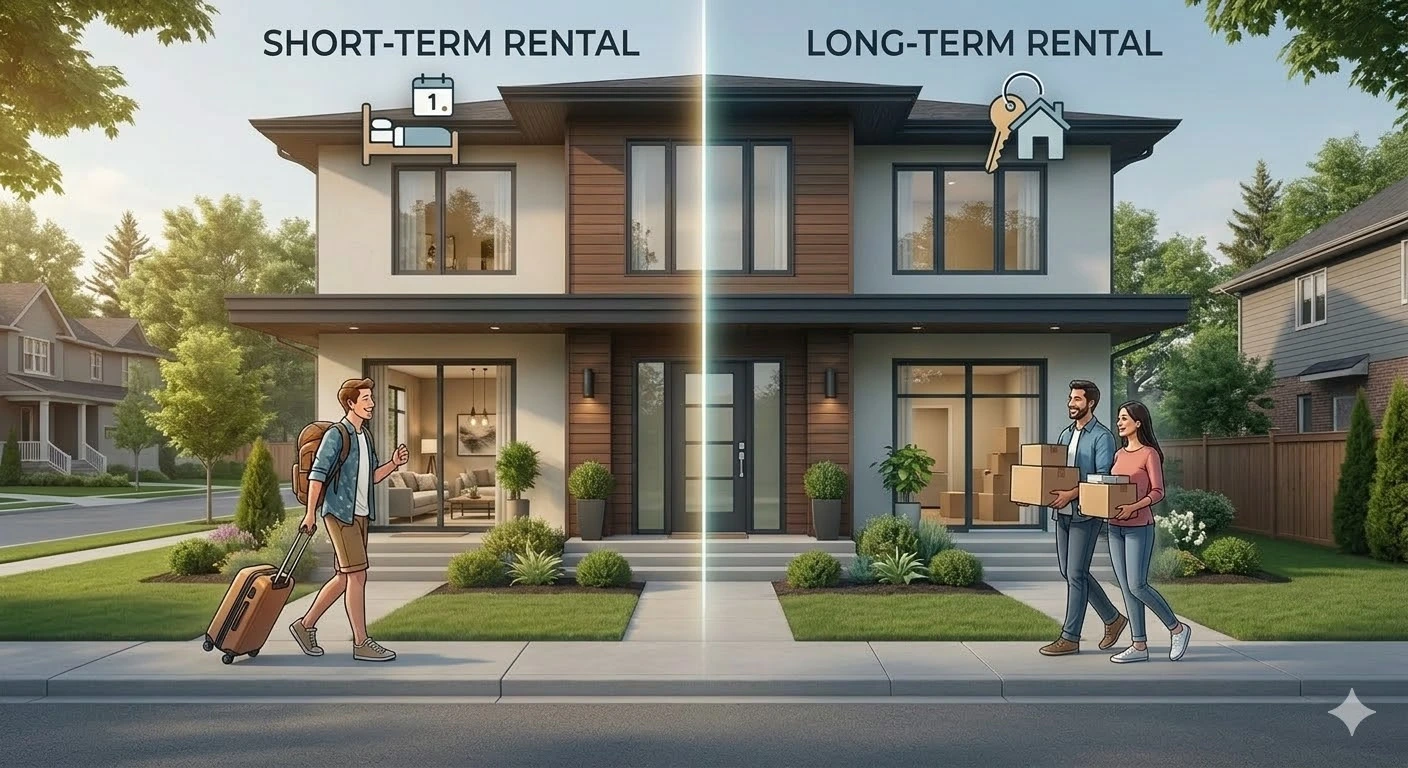
Just a few years ago, the allure of short-term rental properties, particularly through platforms like Airbnb, promised a seemingly effortless path to passive income. College students were reportedly supplementing their finances by renting out spare bedrooms, painting a picture of accessible wealth generation. This narrative, amplified by a significant post-pandemic travel boom between 2021 and 2022, drew a surge of real estate investors into the short-term rental market. The prevailing sentiment was that acquiring a property in almost any location and listing it on Airbnb could swiftly transform it into a cash-flowing asset.
Data from that period largely supported this optimistic outlook. Market averages consistently showed short-term rentals outperforming their long-term counterparts in numerous U.S. locales. However, as we enter 2026, the dynamics have dramatically shifted. A palpable slowdown in Airbnb occupancy and revenue growth, coupled with a tightening regulatory environment in many key markets, has fundamentally altered the investment calculus. The era of the truly "passive" vacation rental is largely over; it has evolved into a demanding business venture.
Simultaneously, the traditional long-term rental market, while seemingly a more stable alternative, is not without its own set of challenges. This evolving environment has paved the way for a third significant player: the mid-term rental. Consequently, the clear-cut winner of yesteryear has dissolved, leaving real estate investors with a complex decision matrix. A thorough re-evaluation of rental strategies is now paramount for navigating this dynamic market. This article delves into the critical factors real estate investors must consider in 2026 when weighing the merits of short-term versus long-term rental properties.
The Evolving Regulatory Terrain: A New Era of Compliance
Historically, the regulatory framework surrounding real estate often lagged behind emerging business models. This lag initially benefited short-term rentals, as many jurisdictions lacked specific ordinances governing their operation. However, the landscape has transformed significantly. Today, most housing markets, particularly those popular with tourists, have implemented stringent short-term rental regulations. Cities such as New York City, Honolulu, Santa Monica, New Orleans, and San Francisco have introduced what are effectively "de-facto" bans, with regulations so restrictive that they approach outright prohibition.
These regulations encompass a wide array of operational aspects, including:
- Licensing and Permitting: Many municipalities now require hosts to obtain special licenses or permits to operate short-term rentals, often involving annual fees and rigorous application processes.
- Zoning Restrictions: Specific zoning laws may prohibit short-term rentals in residential areas or limit the number of days a property can be rented out annually.
- Occupancy Limits: Regulations often dictate the maximum number of guests allowed per property, impacting revenue potential.
- Safety Standards: Hosts may be required to meet specific fire safety codes, install safety equipment (e.g., smoke detectors, carbon monoxide detectors), and undergo inspections.
- Tax Obligations: Additional taxes, such as hotel occupancy taxes or dedicated tourism taxes, are frequently levied on short-term rental income.
- Noise and Nuisance Ordinances: Stricter enforcement of noise ordinances and complaints from neighbors can lead to fines and penalties.
- Data Reporting: Some jurisdictions mandate that hosts report occupancy data and guest information to local authorities.
The sheer complexity and cost of ensuring legal compliance have become significant deterrents for many investors considering vacation rental properties in 2026. This regulatory pressure, combined with growing local opposition to platforms like Airbnb in many communities, has naturally steered some investors towards traditional long-term rentals.
However, the legal landscape for long-term rentals is also undergoing substantial change. While landlords have been subject to location-specific laws for decades, a new wave of tenant-friendly legislation is emerging in major cities, increasing operational costs and complexities for property owners. For instance, California has seen the implementation of rent control measures and stringent eviction protections, making it more difficult and costly for landlords to remove non-paying tenants. Similarly, Washington state has introduced new laws that can limit a landlord’s ability to screen tenants and impose stricter rules on security deposits. These legislative trends, often originating in influential states, have a tendency to be adopted by other jurisdictions, underscoring the need for comprehensive legal due diligence regardless of the chosen rental strategy.
The Rising Tide of Costs: Investment Expenses in 2026
The financial equation for rental property investment has become considerably more challenging. While short-term rentals have traditionally been more capital-intensive than long-term rentals, this gap is widening as costs escalate across both strategies. The general increase in U.S. home prices, coupled with rising property taxes, mortgage rates, and insurance premiums, forms the foundational layer of increased expenditure.
For short-term rental properties, the evolving regulatory environment directly translates into higher operating costs. Annual fees for permits and registrations, substantial fines for non-compliance, and new taxes have become commonplace. Furthermore, platforms like Airbnb introduced new fee structures in 2025, adding to the financial burden for hosts. Beyond these mandated costs, the escalating competition in the short-term rental market necessitates greater investment in property amenities and guest experience to stand out. For example, a hot tub is no longer considered a luxury but a baseline expectation for many Airbnb listings in popular tourist destinations like Gatlinburg, Tennessee. This constant need to enhance property appeal to remain competitive represents a significant, ongoing cost factor. Collectively, these elements make owning a vacation rental property substantially more expensive in 2026 than it was just a few years prior.
Long-term rental properties are also experiencing an increase in overhead. New legislation often mandates specific property standards, such as requiring functional stoves and refrigerators, which may necessitate upgrades. Moreover, tenants are increasingly prioritizing energy efficiency, compelling landlords to invest in more energy-efficient appliances and insulation, thereby increasing upfront and ongoing costs. The cumulative effect is that both start-up and maintenance expenses for rental properties have risen significantly. Real estate investors must now conduct detailed cost analyses for both short-term and long-term rental properties, moving beyond general assumptions to secure precise cost and income estimates to determine which strategy offers the most favorable cash flow.
Location, Location, Location: Market Dynamics in Flux
The importance of location in real estate investment remains paramount, but the criteria for evaluating it have become more nuanced. Beyond the legal considerations, investors must now contend with shifting travel trends and market oversaturation. For traditional rentals, data indicates a significant migration towards the Southeast and Mountain West regions (the Sunbelt), a stark contrast to the preference for larger cities a decade ago. Understanding where people are moving is only part of the equation; determining how to best position an asset within those markets is the critical next step.
Daryl Fairweather, Chief Economist for Redfin, offers valuable insights into these evolving market dynamics. She notes that conversions from short-term to long-term rentals are most likely in markets where the short-term rental economy is weakening or regulations are tightening, but where the fundamentals for long-term rentals remain robust. This suggests a strategic shift in areas experiencing a downturn in short-term rental revenue while maintaining consistent demand for traditional housing. Conversely, certain markets will continue to favor short-term rentals, particularly those with consistent demand, where professional management and dynamic pricing strategies are effectively implemented. Fairweather cautions that "passive Airbnb investments in random towns are risky," emphasizing the need for active management and strategic market selection for short-term rental success. Investors must therefore meticulously review location suitability for each rental strategy, recognizing that market trends are in constant flux.
The Occupant Equation: Managing Tenant Expectations
A key attraction of short-term rentals for investors was the perceived simplicity of dealing with temporary guests, who were assumed to pose fewer issues than long-term tenants. The common concerns associated with long-term leases – such as tenant turnover, property damage, late payments, and the complexities of evictions – seemed to be circumvented by the transient nature of Airbnb guests. This painted a picture of the ideal, low-maintenance rental occupant.
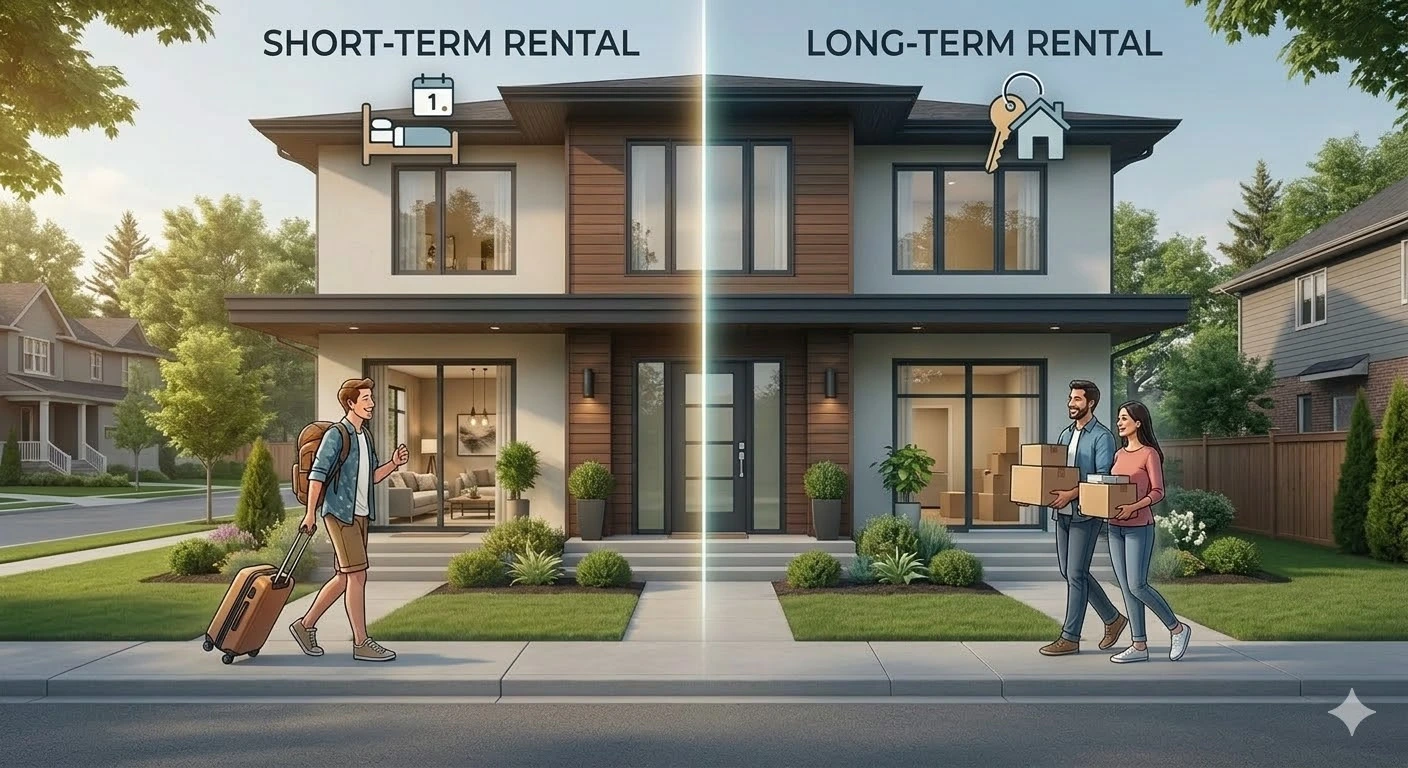
However, the reality has proven more complex. A growing body of anecdotal evidence highlights the challenges and potential downsides of hosting short-term guests. These include instances of property damage, parties, and even criminal activity, which can lead to significant repair costs, loss of rental income, and considerable stress for hosts. Furthermore, the operational costs associated with catering to short-term guests are substantial, encompassing high-speed internet, hotel-like amenities, and professional cleaning services between each stay.
In 2026, the notion that one type of occupant is inherently "better" than the other has been dispelled. Both short-term guests and long-term tenants require tailored management approaches and involve unique cost considerations. Real estate investors must now critically assess their capacity to handle the specific demands of each, developing robust risk mitigation strategies and effective management plans for potential issues that may arise with either tenant type.
The Effort Spectrum: From Passive Dreams to Active Realities
The perception of short-term rentals as a purely passive income stream has been widely debunked. Online forums and communities are replete with complaints from hosts who underestimated the effort involved in operating a hospitality business. Managing guest communication, coordinating cleaning and maintenance, and addressing guest issues in real-time transform short-term rentals into active investments, especially when hosts manage operations themselves rather than outsourcing to a property manager.
Similarly, long-term rentals, while often perceived as more hands-off, are also demanding. Landlords frequently encounter significant efforts related to tenant screening, lease enforcement, rent collection, property maintenance, and managing tenant turnover, which can include costly evictions and repairs.
The path to passive income in either model typically involves hiring a property manager. However, this comes at a cost: property management fees for long-term rentals generally range from 8% to 12% of monthly rental income, while for short-term rentals, these fees can be substantially higher, typically between 15% and 25%. Therefore, neither hosting nor landlord responsibilities are inherently passive. Investors must realistically assess their willingness and capacity for day-to-day operations and the time commitment required. Alternatively, factoring in property management costs from the outset is crucial for accurately projecting cash flow and achieving a truly passive rental investment.
The Emergence of the Mid-Term Rental: A Hybrid Solution
The investment decision is no longer a binary choice between short-term and long-term rentals. A compelling third option has gained significant traction: the mid-term rental. These properties are typically leased for periods ranging from one to six months, and occasionally up to twelve months. They represent a middle ground, catering to a distinct demographic that includes traveling nurses and other healthcare professionals, individuals on extended business trips or long holidays, digital nomads, and those in the process of relocating.
The success of mid-term rentals is often tied to specific location types, including:
- Healthcare Hubs: Proximity to hospitals and medical facilities attracts traveling medical professionals.
- University Towns: Demand from visiting faculty, researchers, or students on specialized programs.
- Areas with Strong Business Travel: Locations hosting major corporations or convention centers.
- Relocation Hotspots: Cities experiencing significant population influx due to job growth.
A significant advantage of mid-term rentals is their ability to often sidestep the complex regulations that govern short-term rentals. While short-term rentals may command higher average daily rates, mid-term rentals typically achieve higher occupancy rates. This, combined with lower turnover and cleaning costs compared to short-term rentals, can result in greater overall profitability within the same real estate market. Furthermore, mid-term rentals, being furnished, allow tenants to pay a premium over standard long-term lease rates, often ranging from $600 to $800 more per month. This hybrid strategy offers investors a promising avenue for consistent cash flow, necessitating a re-evaluation of rental strategies where all three options are viable.
Strategic Decisions: Convert, Sell, or Hold?
For many real estate investors, 2026 marks a critical juncture for re-evaluating existing rental properties. A once-lucrative short-term rental might now be operating in an oversaturated market, leading to diminished profit margins. New regulations may have rendered the operation of such a business legally untenable. In such scenarios, investors face a crucial decision: convert the property to a long-term rental or sell it.
The choice between converting and selling requires a meticulous examination of current real estate market trends and an honest assessment of one’s financial situation. Is it the opportune moment to sell, or would doing so mean forfeiting potential future profits? Can the property be held while awaiting a favorable sale, or will carrying costs lead to negative cash flow? Crucially, how are long-term rentals performing in the same housing market?
Daryl Fairweather advises that investors should consider selling a vacation property instead of converting it when the property’s returns no longer justify the complexity and risks associated with short-term rentals, or when the capital could be more effectively deployed elsewhere. Selling becomes a more attractive option if the property consistently fails to deliver strong returns, if market prices are favorable for a profitable sale, or if regulatory changes have made the short-term rental strategy unprofitable.
If a conversion to a long-term rental makes financial sense, Fairweather suggests focusing on four key areas: securing reliable market data on long-term rental rates, understanding local tenant screening laws, creating a comprehensive budget for the conversion process, and treating the transition as a strategic business decision rather than an emotional one. Long-term rentals offer a degree of predictability, prioritizing stable returns over potentially higher but more volatile short-term gains.
Conclusion: Data-Driven Decisions in a Dynamic Market
The real estate investment landscape has undergone a significant transformation, affecting both short-term and long-term rental markets. However, opportunities for profitable real estate investment remain abundant. The key in 2026 lies in a more discerning approach, driven by robust data analysis. Whether an investor remains committed to a specific strategy or is open to exploring new avenues, identifying the right market and property for that strategy is paramount. Tools that provide comprehensive data on Airbnb occupancy rates, long-term rent estimates, and historical performance trends are invaluable for making informed decisions and ensuring profitability. By leveraging these resources, real estate investors can navigate the complexities of the 2026 market and identify the rental strategy that best aligns with their financial goals and risk tolerance.

