
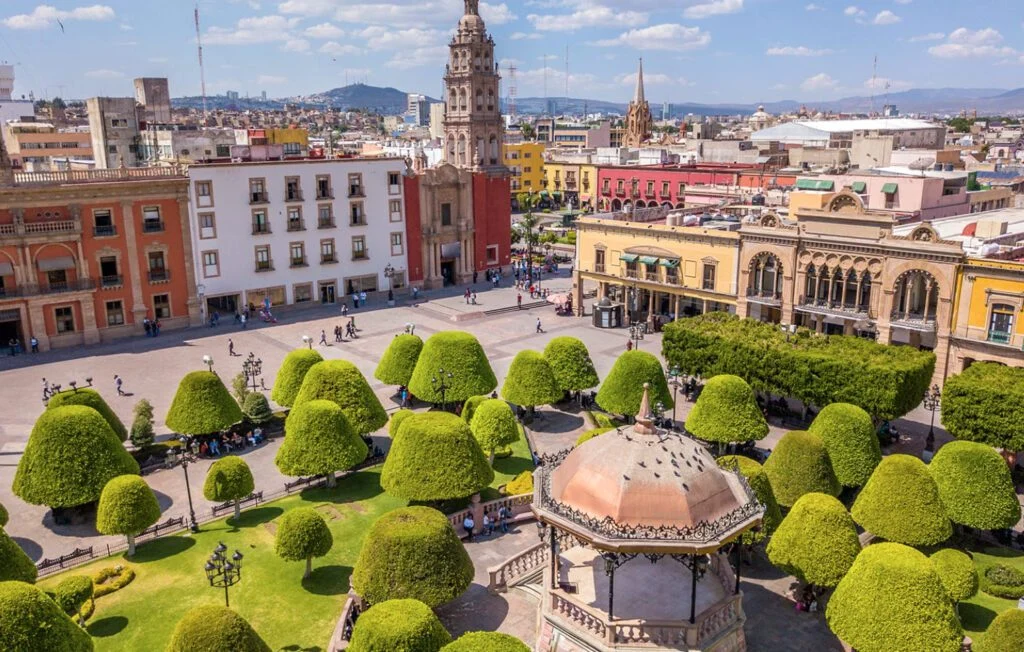
The allure of retirement often sparks a desire for change, and for an increasing number of Americans, that change involves embracing life beyond national borders. Anne Nicolai, a writer and entrepreneur, is one such individual who traded her corporate career and Minnesota home for a vibrant existence as a freelance writer and karaoke host in San Miguel de Allende, Mexico. Since her move in 2008, Nicolai has cultivated a unique perspective on the expatriate retirement experience, sharing her insights through her platform, MoveToMexico.org. Her journey offers a compelling case study for those contemplating a similar path, highlighting five key lessons learned over more than a decade of living abroad.
Embracing the Unknown: Unlocking Latent Capabilities
Nicolai’s first profound realization centers on the discovery of her own untapped potential. Initially, the transition to a new country presented a steep learning curve. Navigating a foreign language, grappling with currency conversions, and adapting to unfamiliar social customs were significant hurdles. "When I first moved to Mexico, I stumbled over the few Spanish phrases I knew, struggled to convert pesos to dollars in my head and wistfully watched the spinning salsa dancers, wishing I had rhythm," Nicolai recounted.
However, over 14 years, these initial struggles transformed into a testament to her adaptability and resilience. She now functions fluently in Spanish, having integrated the local currency into her daily financial thinking. The bureaucratic intricacies of establishing residency, including a complex multi-visit process for visa renewals and the eventual acquisition of permanent residency, have been successfully managed. Her frequent solo road trips between San Miguel de Allende and Minneapolis, a journey spanning thousands of miles and demanding navigation through unfamiliar territories, have honed her independence and problem-solving skills. These experiences, which she describes as stretching her comfort zone, have fostered a deep sense of accomplishment and self-efficacy.
This phenomenon is not unique to Nicolai. Research from organizations like the Organization for Economic Co-operation and Development (OECD) consistently shows that individuals who relocate internationally often report increased confidence and a broadened perspective. A 2019 study by the International Organization for Migration (IOM) indicated that migrants, including retirees, frequently develop enhanced coping mechanisms and a greater capacity to adapt to diverse environments. Nicolai’s story exemplifies this, demonstrating that retirement abroad can be a powerful catalyst for personal growth and the realization of capabilities previously underestimated.
The Power of Community: Safety in Numbers
The practicalities of ensuring personal safety in a new environment are a paramount concern for any retiree considering a move abroad. Nicolai emphasizes the importance of community, both local and expatriate, in mitigating these concerns. "Moving to another country requires taking safety and security precautions beyond what you may be used to," she stated. She notes the common visible security measures in Mexico, such as decorative ironwork on windows and doors, and reinforced garden walls, as indicators of the need for vigilance.
However, Nicolai’s experience suggests that a robust expatriate community can significantly enhance personal security. In San Miguel de Allende, the presence of English-speaking emergency services and a direct line to the American consular agency provide a crucial safety net. Furthermore, the integration of expatriates into the local social fabric often leads to a greater understanding and communication between residents and newcomers, with many locals accustomed to interacting with and speaking English with expatriates.
Nicolai advocates for building strong neighborly relationships as a fundamental aspect of safety. "For me, safety involves knowing my neighbors well enough to feel comfortable knocking on their doors if I’m in trouble, knowing they’ll take me in," she explained. This sentiment is echoed in sociological studies on community resilience, which highlight the role of social capital – the networks of relationships among people who live and work in a particular society – in fostering collective security and well-being. The presence of a sizable expatriate population in various global destinations, from China to Ecuador, often translates into established security protocols and support systems, making relocation more manageable for those accustomed to different safety standards.
Bridging Distances: Technology as a Connector
In an increasingly interconnected world, technology plays a pivotal role in maintaining connections across geographical divides, a factor Nicolai identifies as essential for expatriate retirees. The widespread availability of high-speed internet and affordable mobile services globally ensures that physical distance does not necessarily equate to social isolation.
"No matter how far you roam in retirement, you’ll have the technology to stay in touch with loved ones back home," Nicolai asserted. Applications such as WhatsApp, Duo, and Facetime facilitate free voice and video calls, enabling retirees to participate in family milestones and maintain regular contact with grandchildren and other relatives. The expansion of telehealth services also allows for virtual consultations with healthcare providers, ensuring continued medical support regardless of location. Financial management is streamlined through online bill payment and the direct deposit of Social Security benefits into foreign bank accounts.
Beyond personal connections, technology serves as a vital tool for integration into the new community. Expatriate forums on social media platforms provide a constant stream of information, from local events and classifieds to crime alerts and recommendations for goods and services. Navigation apps like Google Maps and Waze, coupled with reliable internet access, empower individuals to explore their surroundings with confidence. The U.S. Department of State’s Smart Traveler Enrollment Program (STEP) also offers a digital avenue for Americans abroad to receive important information and be located in an emergency. Nicolai’s experience underscores how technological advancements have demystified international living for retirees, making it more accessible and less daunting.
Cultural Immersion: A Catalyst for Positive Transformation
Nicolai’s decision to relocate to Mexico was driven by a desire for a richer, more vibrant lifestyle, characterized by abundant sunshine, cultural diversity, and the intellectual stimulation of learning a new language. Her pre-retirement life in Minnesota was marked by the "Type A" American consumerist ethos, characterized by a significant material footprint.
"After living in Mexico for 14 years and counting, I’ve discovered the benefits of patience, humility and simplicity," she stated. This cultural immersion has fostered a profound shift in her values and priorities. Her consumption habits have significantly diminished, with a focus primarily on essential needs like food and entertainment. Her wardrobe, largely unchanged since her arrival, reflects a lifestyle that prioritizes movement and healthier living, with increased walking and dancing contributing to her well-being. This transformation aligns with broader anthropological observations regarding the effects of cultural adaptation. Studies on acculturation, such as those published in the Journal of Cross-Cultural Psychology, frequently document how sustained exposure to different cultural norms can lead to increased open-mindedness, a reduced emphasis on materialism, and a greater appreciation for simpler living. The anecdote of friends worldwide experiencing similar lifestyle shifts reinforces the idea that immersion abroad often leads to a more balanced and fulfilling existence.
The Freedom of Return: No Permanent Decisions
Perhaps one of the most reassuring lessons for potential expat retirees is the inherent flexibility and the absence of irreversible commitment. Nicolai observes that while many retirees establish deep roots in their adopted countries, a significant number also choose to return to their home nations.
"There is no right way or wrong way to retire; there is no perfect timing; there is no right or wrong place," Nicolai emphasized. She notes individuals who have lived in Mexico for decades, as well as those who have relocated from their initial expat destinations to other countries like Thailand or Portugal, or returned home for health or family reasons. This fluidity underscores that the decision to retire abroad is not a final decree but rather an exploration.
Nicolai’s personal narrative illustrates this point: while Mexico is currently her home, she acknowledges the possibility of returning to the United States or exploring other global locales. The purpose of such a move, she suggests, can be multifaceted, ranging from seeking new adventures and reinvention to healing from personal challenges or pursuing artistic passions. The consistent visits from friends and family in San Miguel de Allende attest to the enduring bonds that transcend geographical separation. This perspective offers a crucial reassurance: the choice to live abroad is an opportunity for growth and experience, with the option to pivot always remaining a viable path. The United Nations’ Department of Economic and Social Affairs (UNDESA) reported a global increase in international retiree migration in the 2010s, with many countries actively seeking to attract these individuals through visa programs and lifestyle incentives, further illustrating the dynamic nature of global retirement trends.

