
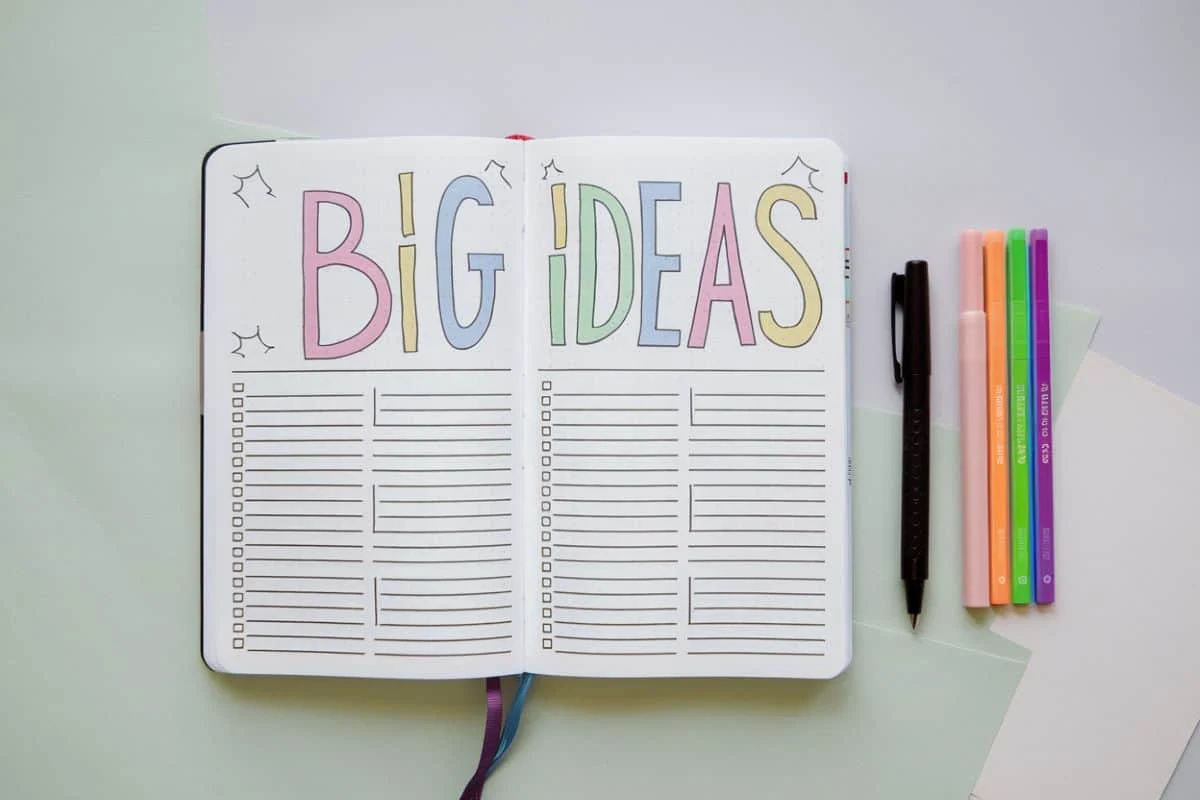
Are you looking for BUJO ideas and pages to set up your bullet journal? If yes, you have arrived in the right place. But watch out, with endless possibilities, it’s easy to feel overwhelmed. The key is to start with the basics and choose pages that fit your needs and interests. A bullet journal should work for you, not the other way around! Please keep it simple, but don’t be afraid to experiment for fun and inspiration. Let’s first cover a few bullet journaling basics. Whether you’re looking for inspiration in planning, productivity, creativity, or personal growth, we’ve curated 97-page ideas to ignite your journaling journey.
What Is A Bullet Journal?
A bullet journal, often abbreviated as BUJO, is a highly adaptable analog system designed for organizing tasks, events, goals, and thoughts. Developed by designer Ryder Carroll, it distinguishes itself from pre-formatted planners by offering a customizable framework that can be tailored to individual needs and preferences. At its core, the bullet journal system utilizes a method of "rapid logging" with symbols (bullets) to denote different types of entries, such as tasks, events, and notes. This allows users to quickly capture information and categorize it efficiently. The flexibility of the system means it can function as a daily planner, a diary, a habit tracker, a sketchbook, a goal-setting journal, and much more, all within a single notebook. The inherent simplicity of its foundational principles, combined with its vast potential for personalization, has contributed to its widespread popularity as a tool for enhancing productivity, mindfulness, and personal growth.
Why Use A BUJO?
The adoption of a bullet journal system offers a multifaceted approach to personal organization and self-management. Beyond mere task management, it fosters a deeper level of intentionality and self-awareness. By providing a dedicated space for reflection and planning, bullet journaling can significantly reduce feelings of overwhelm and stress. Users often report improved focus and a greater sense of control over their daily lives, leading to enhanced productivity in both personal and professional endeavors. The analog nature of the system also encourages a mindful engagement with information, as opposed to the often passive consumption of digital interfaces. This deliberate interaction can lead to better retention of information and a more thoughtful approach to goal setting and achievement.
Tips For Using A Bullet Journal
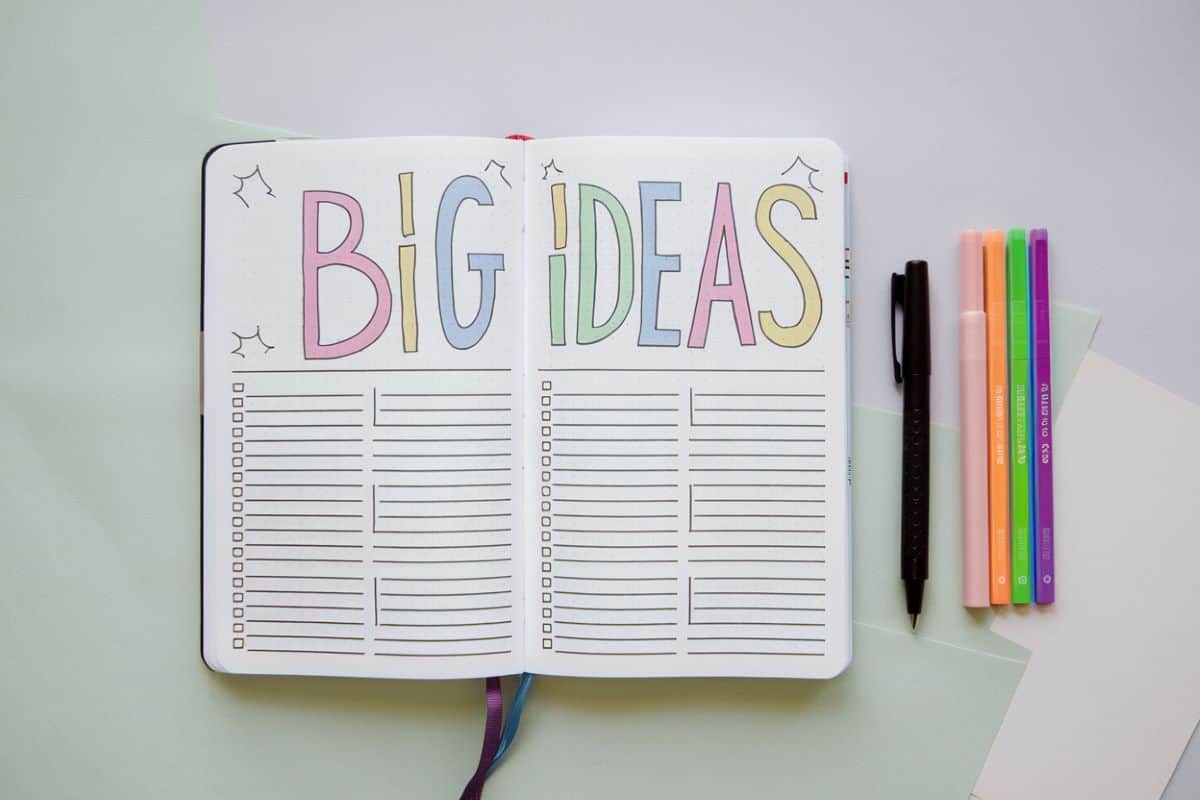
To maximize the effectiveness of a bullet journal, the primary recommendation is to begin with a focus on essential layouts that directly address individual needs. It is crucial to remember that functionality should take precedence over aesthetic perfection, especially in the initial stages. The journal is intended to be a practical tool, not solely an artistic endeavor, though creativity can certainly be incorporated. The foundational elements for a bullet journal are minimal: a notebook and a pen. Dot grid notebooks are frequently recommended for their balance of structure and creative freedom. High-quality pens that offer smooth writing and prevent ink bleed-through are also advisable. The key to successful bullet journaling lies in flexibility and adaptation. Users are encouraged to continuously adjust their layouts and methodologies to discover a system that genuinely aligns with their unique requirements.
-
Pick Your Supplies
The journey into bullet journaling can commence with the most basic of tools: a notebook and a pen. For those seeking a balance between structure and creative expression, dot grid notebooks are a popular choice, offering subtle guidance without dictating layout. Alternatively, any notebook can serve the purpose, provided it can be adapted to the user’s needs. Ideally, the notebook should have pre-numbered pages or be amenable to manual numbering. When selecting a pen, prioritize a smooth-writing instrument that does not bleed through the paper, ensuring a clean and professional appearance for your entries. The cost of supplies can vary widely, from budget-friendly options to premium journals and pens, allowing individuals to tailor their investment to their financial comfort level. -
Create the Basic Layouts
Regardless of the complexity of a bullet journal, certain core pages form the foundation of its organizational structure. These foundational layouts are essential for maintaining order and functionality.
The Index: This is typically the first section of a bullet journal. It serves as a table of contents, allowing users to quickly locate specific entries, collections, or spreads by noting the page number and a brief description. A well-maintained index is crucial for navigating a comprehensive journal.
The Future Log: This spread provides an overview of upcoming months, usually covering six to twelve months. It’s used to record events, appointments, and tasks that are scheduled far in advance, ensuring that nothing important is overlooked.
The Monthly Log: This section typically includes a calendar view of the current month and a corresponding monthly task list. It allows for a detailed breakdown of monthly commitments and objectives.

The Daily Log: This is the most dynamic part of the bullet journal, where daily tasks, events, and notes are recorded using the rapid logging method. It is the central hub for day-to-day organization.
These fundamental pages provide a robust framework upon which users can build their personalized journaling system.
97 BUJO Ideas To Try
The beauty of the bullet journal lies in its infinite adaptability, extending far beyond basic planning. Users can incorporate a vast array of specialized pages and trackers to support various aspects of their lives, from personal well-being to professional development and creative pursuits. The following categories offer a comprehensive overview of potential page ideas, designed to inspire and empower individuals to craft a journal that truly reflects their goals and aspirations.

Wellness and Self-Care Page Ideas
In today’s fast-paced world, prioritizing mental and physical well-being is paramount. Bullet journals offer a dedicated space to track habits, moods, and self-care practices, fostering a more mindful approach to health.
- Mood Tracker: Visualizing daily emotional states can reveal patterns and triggers, aiding in emotional regulation.
- Gratitude Log: Regularly recording things one is thankful for can cultivate a positive outlook.
- Sleep Tracker: Monitoring sleep patterns can help identify factors affecting sleep quality and duration.
- Water Intake Tracker: Ensuring adequate hydration is a fundamental aspect of physical health.
- Meditation Tracker: Keeping a record of meditation sessions can encourage consistency and deepen practice.
- Workout Log: Documenting physical activity helps track progress, set new fitness goals, and maintain motivation.
- Meal Planner: Planning meals in advance can lead to healthier eating habits and reduce food waste.
- Affirmation Page: A dedicated space to write and reflect on positive affirmations can boost self-esteem.
- Self-Care Ideas List: A compilation of activities that promote relaxation and rejuvenation.
- Symptom Tracker: For individuals managing chronic conditions, tracking symptoms can provide valuable insights for medical professionals.
- Mindfulness Exercises Log: Recording practices that promote present-moment awareness.
- Digital Detox Tracker: Monitoring periods of reduced screen time can improve focus and reduce digital fatigue.
- Gratitude Jar Prompts: A list of prompts to inspire daily gratitude entries.
- Emotional Check-in: A space for brief reflections on current emotional states.
- Hydration Goals: Setting and tracking daily water intake targets.
- Healthy Recipe Ideas: A collection of nutritious recipes to try.
- Relaxation Techniques: Documenting various methods for de-stressing.
- Self-Care Goals: Setting specific, actionable goals for personal well-being.
- Energy Level Tracker: Monitoring daily energy fluctuations to understand peak productivity times.
- Healthy Habit Streaks: Tracking consecutive days of engaging in beneficial habits.
Finance and Budgeting Pages
Financial literacy and effective money management are crucial for long-term security. Bullet journals can serve as powerful tools for tracking expenses, managing budgets, and achieving financial goals.
- Monthly Budget Tracker: Detailed breakdown of income and expenses for each month.
- Expense Tracker: Categorizing and monitoring all spending to identify areas for potential savings.
- Savings Tracker: Setting and tracking progress towards specific savings goals, such as for a down payment or retirement.
- Debt Payoff Tracker: Visualizing the reduction of outstanding debts can be highly motivating.
- Bill Payment Tracker: Ensuring all bills are paid on time to avoid late fees and maintain a good credit score.
- Net Worth Tracker: Monitoring assets and liabilities to assess overall financial health.
- Investment Portfolio Tracker: Keeping a record of investments and their performance.
- Subscription Tracker: Identifying and managing recurring subscription costs to reduce unnecessary expenses.
- Wish List: A place to list desired purchases, encouraging thoughtful spending and saving.
- Financial Goals: Setting short-term and long-term financial objectives.
- Emergency Fund Tracker: Building and monitoring a safety net for unexpected expenses.
- No-Spend Challenge Tracker: Documenting periods of reduced spending to save money.
- Income Sources: Listing and tracking various streams of income.
- Financial Wins: Celebrating small victories in managing finances can foster positive habits.
- Giving Tracker: Recording charitable contributions and donations.
Personal Development Page Ideas
Investing in personal growth is a continuous journey. Bullet journals can be instrumental in setting goals, tracking progress, and cultivating new skills and knowledge.

- Goal Setting Pages: Breaking down large goals into smaller, manageable steps.
- Habit Tracker: Monitoring the consistency of beneficial habits.
- Skill Development Tracker: Documenting progress in learning new skills.
- Book Reading List: Keeping track of books to read and notes from reading.
- Journal Prompts: A collection of prompts to inspire introspection and self-discovery.
- Bucket List: A compilation of experiences and achievements to pursue.
- Personal Growth Goals: Specific objectives for self-improvement.
- Quote Collection: Inspiring quotes to motivate and uplift.
- Learning Log: Recording new information and insights gained from various sources.
- Mindset Shifts: Documenting changes in perspective and attitude.
- Progress Review: Periodic evaluations of progress towards personal goals.
- Skills Inventory: A list of current skills and areas for development.
- Personal Mission Statement: Articulating one’s purpose and values.
- Failure Log: Reflecting on setbacks to learn from mistakes and grow.
- Positive Affirmations: Daily or weekly affirmations to reinforce positive self-beliefs.
Creative Outlet Pages
Bullet journals provide a canvas for artistic expression, allowing individuals to explore their creativity through various mediums.
- Doodle Pages: Unstructured space for spontaneous drawing and doodling.
- Sketchbook Spreads: Dedicated pages for practicing drawing and sketching.
- Color Palettes: Experimenting with and documenting color combinations.
- Artistic Inspiration Board: Collecting images and ideas that spark creativity.
- Creative Project Planner: Outlining and tracking progress on artistic projects.
- Bullet Journal Spread Ideas: Documenting layouts and designs for future reference.
- Hand Lettering Practice: Pages dedicated to improving calligraphy and lettering skills.
- Poetry or Songwriting Corner: A space for creative writing.
- Vision Board: A visual representation of dreams and aspirations.
- Creative Writing Prompts: Stimulating ideas for stories, poems, or essays.
- Artist Study: Analyzing and replicating the work of favorite artists.
- Pattern Design: Experimenting with creating various patterns.
- Collage Ideas: Planning and creating visual collages.
- Art Journal Entries: Reflecting on the creative process and artwork.
- Zentangle Designs: Creating intricate patterns for relaxation and focus.
Home and Organization Pages
Maintaining an organized living space contributes to a sense of calm and efficiency. Bullet journals can help manage household tasks and improve overall organization.
- Cleaning Schedule: A weekly or monthly plan for household chores.
- Decluttering Challenge: A structured approach to organizing and tidying up the home.
- Home Maintenance Checklist: Tracking regular upkeep tasks for the house.
- Gardening Journal: Recording planting schedules, plant care, and harvest yields.
- Meal Prep Tracker: Planning and executing weekly meal preparation.
- Pantry Inventory: Keeping a record of available food items to reduce waste.
- Wardrobe Inventory: Cataloging clothing items to facilitate outfit planning and identify gaps.
- Gift Ideas List: A running list of gift ideas for friends and family.
- Party Planning Checklist: Organizing all aspects of event hosting.
- Moving Checklist: A comprehensive guide for relocating.
- DIY Project Planner: Outlining and tracking home improvement projects.
- Pet Care Schedule: Managing veterinary appointments and care routines.
- Contact List: Important phone numbers and addresses.
- Emergency Contact Information: Essential details for urgent situations.
- Household Chores Rotation: Assigning tasks among family members.
Travel and Adventure Page Ideas
Documenting travels and planning future adventures can be a rewarding aspect of bullet journaling.
- Travel Bucket List: A compilation of dream destinations.
- Trip Planner: Organizing itineraries, accommodations, and activities for upcoming trips.
- Travel Journal: Recording experiences, memories, and reflections from journeys.
- Packing List: Ensuring all necessary items are packed for a trip.
- Budget for Travel: Planning and tracking expenses for vacations.
- Souvenir Tracker: Listing mementos collected from travels.
- Restaurant Wish List: A collection of places to eat during travels.
- Language Phrasebook: Essential phrases for visiting foreign countries.
- Travel Photography Log: Documenting the best photos taken during trips.
- Road Trip Itinerary: Planning routes and stops for driving adventures.
- Adventure Goals: Setting objectives for outdoor activities and explorations.
- Post-Travel Reflection: Journaling about lessons learned and favorite moments.
- Travel Journal Prompts: Guiding questions for recounting travel experiences.
- Packing Essentials: A curated list of must-have travel items.
- Destination Research: Notes and information gathered about potential travel spots.
Relationships and Social Life Pages
Nurturing connections with others is vital for a fulfilling life. Bullet journals can help track social interactions and strengthen relationships.
- Friendship Tracker: Noting birthdays and special occasions for friends.
- Date Night Ideas: A list of activities for couples.
- Family Tree: A visual representation of family connections.
- Social Media Detox Tracker: Managing time spent on social platforms.
- Acts of Kindness Log: Recording instances of performing kind deeds.
- Communication Goals: Setting intentions for clearer and more effective communication.
- Event Planner: Organizing social gatherings and parties.
- Thank You Note Tracker: Ensuring gratitude is expressed to others.
- Relationship Goals: Defining objectives for personal relationships.
- Social Circle Map: Visualizing one’s social network.
- Gratitude for Loved Ones: Expressing appreciation for important people.
- Conversation Starters: Prompts for engaging in meaningful discussions.
- Milestones Tracker: Celebrating significant moments in relationships.
- Social Connection Goals: Planning intentional outreach to friends and family.
- People I Admire: A list of individuals who inspire positive social interactions.
Academic and Professional Pages
For students and professionals, bullet journals can be invaluable for managing coursework, projects, and career development.
- Assignment Tracker: Keeping track of deadlines and progress on academic tasks.
- Project Planner: Outlining project phases, deliverables, and timelines.
- Meeting Notes: Recording key discussion points and action items from professional meetings.
- Professional Development Goals: Setting objectives for career advancement and skill enhancement.
- Conference Notes: Summarizing key takeaways from industry events.
- Networking Log: Tracking contacts made and follow-up actions.
- Job Application Tracker: Monitoring applications submitted and interview statuses.
- Skill Development Plan: Identifying and planning for acquiring new professional skills.
- Study Schedule: Creating a structured plan for academic preparation.
- Thesis/Dissertation Progress: Documenting milestones and research activities.
- Client Information: Organizing details and communication logs for clients.
- Team Project Tracker: Collaborating on and managing group assignments.
- Presentation Planner: Structuring and refining presentation content.
- Professional Reading List: Books and articles relevant to one’s field.
- Career Aspirations: Defining long-term professional objectives.
Miscellaneous and Fun Page Ideas
Beyond practical applications, bullet journals can be a space for pure enjoyment and personal expression.

- Favorite Quotes: A collection of inspiring or memorable quotes.
- Movie/TV Show Watchlist: Tracking films and series to watch.
- Music Playlist Tracker: Documenting favorite songs and albums.
- Recipe Book: A curated collection of cherished recipes.
- Dream Journal: Recording and interpreting dreams.
- Funny Moments Log: Capturing amusing anecdotes and experiences.
- Things I Love: A list of simple pleasures and cherished items.
- Bucket List Additions: Ideas for future adventures and experiences.
- Wish List: Items desired for personal enjoyment or special occasions.
- Coloring Pages: Simple designs for relaxation and creative expression.
- Brain Dump: A free-form space to jot down any thoughts or ideas.
- Sticker Collection Tracker: Cataloging and planning the use of decorative stickers.
- Pen Swatches: Testing and documenting the colors and performance of different pens.
- Doodle Challenges: Engaging in themed drawing prompts.
- Memory Pages: Dedicated spaces to preserve cherished memories.
Planning and Scheduling Page Ideas
Effective planning and scheduling are at the heart of productivity, and bullet journals excel in this domain.
- Yearly Overview: A high-level view of the entire year, including major events and deadlines.
- Monthly Calendar: A detailed spread for each month, outlining appointments and commitments.
- Weekly Spreads: Detailed breakdowns of daily schedules, to-do lists, and priorities for the week.
- Daily To-Do Lists: Specific tasks to be accomplished each day.
- Time Blocking: Allocating specific blocks of time for different activities.
- Appointment Tracker: Keeping a record of all scheduled appointments.
- Event Schedule: Planning and organizing details for specific events.
- Travel Itinerary: Detailed plans for trips, including flights, accommodations, and activities.
- Project Timelines: Visualizing the schedule and milestones for various projects.
- Goal Breakdown: Dividing larger goals into actionable steps with deadlines.
- Prioritization Matrix: A tool for ranking tasks based on importance and urgency.
- Daily/Weekly Review: A space to reflect on accomplishments and adjust plans.
- Future Planning Spread: Looking ahead to upcoming months and years for strategic planning.
- Time Log: Tracking how time is spent to identify inefficiencies.
- Event Countdown: Marking down the days until a significant event.
Bullet Journal Pages: Wrap Up
The bullet journal stands as a versatile and powerful instrument for enhancing organization, fostering creativity, and promoting personal development. Its fundamental strength lies in its adaptability, allowing individuals to sculpt a system that perfectly aligns with their unique needs and aspirations. The core principle of starting with essential layouts and gradually incorporating new elements encourages a personalized and sustainable approach. Whether the objective is to meticulously track daily tasks, embark on a journey of self-discovery, or simply express one’s creative spirit, the bullet journal offers a flexible and effective framework. By embracing simplicity, encouraging experimentation, and prioritizing functionality, users can transform their bullet journal into an indispensable tool for navigating life with greater intention, productivity, and inspiration. The journey of bullet journaling is one of continuous evolution, where each page offers an opportunity for growth and self-expression.

