
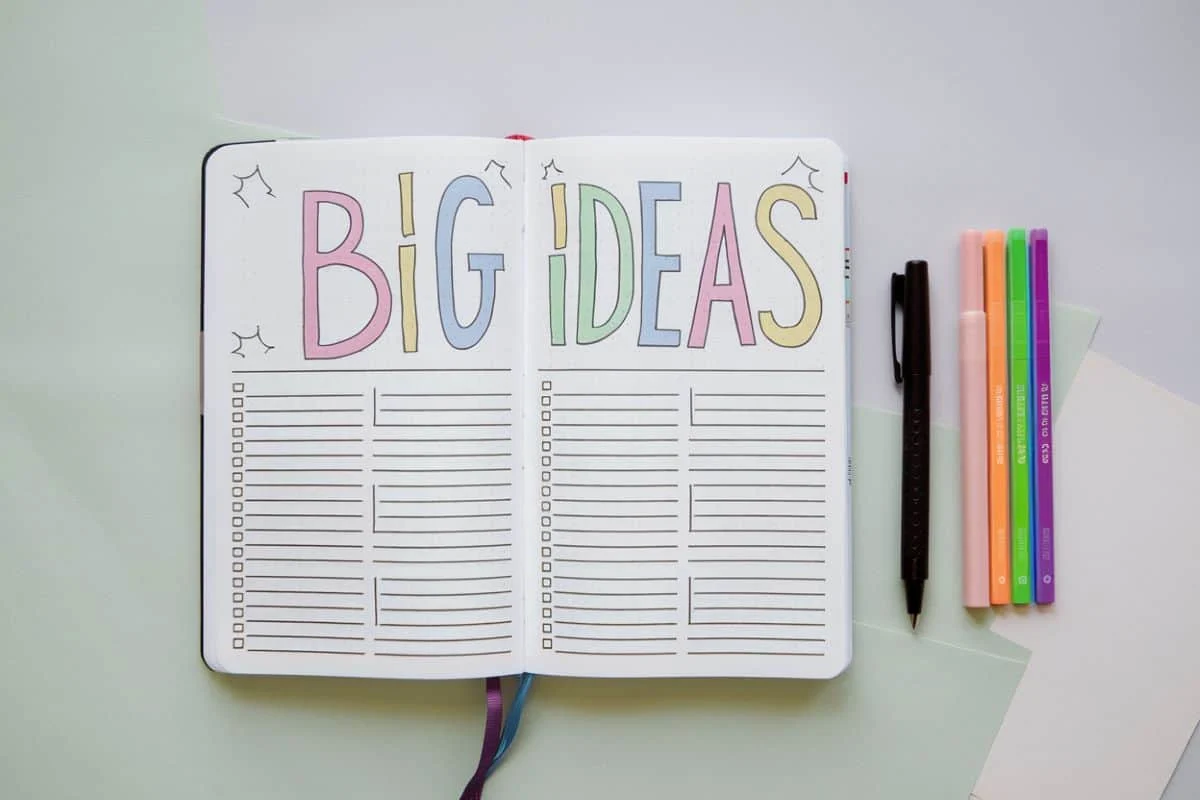
The world of personal organization is constantly evolving, and at the forefront of this movement is the bullet journal, a customizable system designed to bring order, creativity, and mindfulness to an individual’s life. With its adaptable framework, the bullet journal, often abbreviated as BUJO, has become a powerful tool for a diverse range of users seeking to enhance productivity, foster personal growth, and unleash their creative potential. However, the sheer breadth of possibilities can, for some, lead to an initial sense of overwhelm. The key to unlocking the full potential of a bullet journal lies in understanding its fundamental principles and tailoring its application to individual needs and interests, ensuring it serves as a supportive tool rather than a source of stress.
At its core, a bullet journal is a methodology for tracking the past, organizing the present, and planning for the future. Developed by digital product designer Ryder Carroll, the system leverages a concise language of symbols and rapid logging to document tasks, events, and notes. This approach allows for a highly personalized experience, blending the functionality of a traditional planner with the expressive freedom of a diary or sketchbook. Unlike pre-formatted planners, a bullet journal’s structure is built from the ground up by the user, making it inherently responsive to evolving priorities and personal objectives.
The appeal of the bullet journal system extends across various domains, from academic and professional pursuits to personal well-being and creative expression. Its ability to consolidate diverse aspects of life into a single, cohesive notebook makes it an exceptionally versatile organizational tool. This article aims to demystify the process of starting and maintaining a bullet journal, offering a comprehensive guide to essential layouts and providing a wealth of inspiration through 97 distinct page ideas, categorized to cater to a wide spectrum of user needs and interests.
Understanding the Bullet Journal System
The bullet journal system, as conceived by Ryder Carroll, is built upon a foundation of simplicity and efficiency. Its efficacy stems from the use of "rapid logging," a method of quickly recording information using a system of bullet points and symbols. Each bullet point represents a specific type of entry: a dot (•) for tasks, a circle (○) for events, and a dash (–) for notes. These basic symbols can be augmented with modifiers to denote status or importance, such as an ‘X’ to signify a completed task or a ‘>’ to indicate a migrated task.
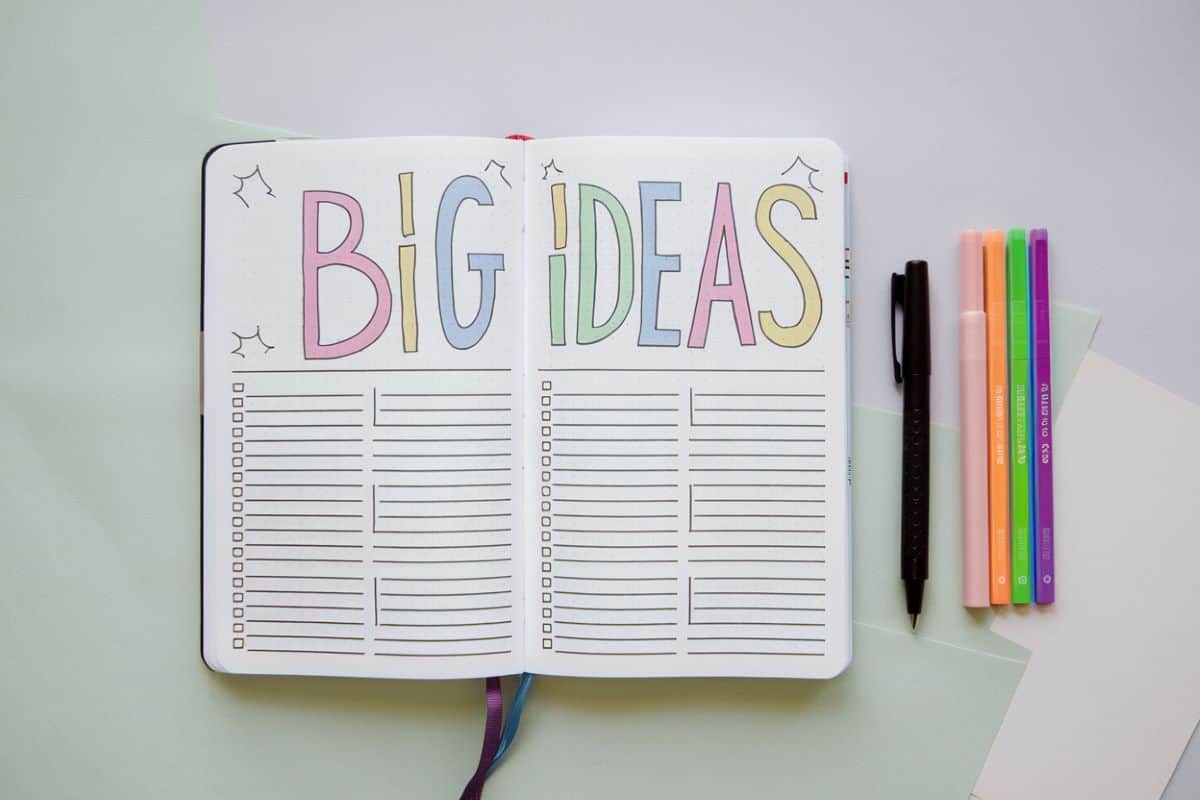
The fundamental components of a bullet journal typically include an index, a future log, a monthly log, and daily logs. The index serves as a table of contents, allowing users to easily locate specific entries within their journal. The future log provides a bird’s-eye view of upcoming months, ideal for noting appointments and deadlines far in advance. The monthly log offers a calendar-like overview of the current month, useful for tracking commitments and events. Finally, the daily logs are where the bulk of rapid logging occurs, detailing day-to-day activities, thoughts, and tasks.
The beauty of the bullet journal lies in its adaptability. While Carroll’s original system emphasizes function and minimalism, the community has embraced a wide array of creative embellishments and specialized spreads. This evolution has transformed the bullet journal from a purely utilitarian tool into a dynamic platform for self-expression, goal-setting, and personal reflection.
The Rationale Behind Bullet Journaling
The adoption of a bullet journal offers a multifaceted approach to personal organization and mental well-being. In an era characterized by constant digital distractions and information overload, the tangible nature of a physical notebook provides a grounding presence. It encourages users to slow down, engage more intentionally with their thoughts and plans, and foster a greater sense of mindfulness.
Research consistently highlights the benefits of analog note-taking and journaling. Studies have shown that writing by hand can improve memory retention and comprehension compared to typing. Furthermore, the act of physically writing down goals and tasks can increase the likelihood of their completion. A 2018 study published in the Journal of Social and Personal Relationships found that expressive writing, a component often integrated into bullet journaling, can lead to improved psychological well-being and reduced stress levels.
The bullet journal’s structured yet flexible format empowers individuals to identify patterns, track progress, and make informed adjustments to their habits and routines. This self-awareness is crucial for personal development, enabling users to understand their productivity peaks and troughs, identify areas of stress or satisfaction, and proactively work towards their aspirations. By providing a clear overview of commitments and progress, a bullet journal can significantly reduce the cognitive load associated with managing multiple responsibilities, thereby alleviating stress and enhancing overall focus.
Foundational Principles for Bullet Journaling Success
To harness the full power of a bullet journal, it is essential to approach its creation with a clear strategy, prioritizing functionality over perceived perfection. The journey begins with selecting appropriate tools and establishing core layouts that form the backbone of the system.
Essential Supplies for Your Bullet Journal
The beauty of the bullet journal lies in its accessibility; minimal equipment is required to begin. At its most basic, all that is needed is a notebook and a pen. However, the choice of these tools can enhance the journaling experience.
- Notebooks: Many bullet journal enthusiasts opt for notebooks with dot-grid paper. This subtle grid provides guidance for writing and drawing without being as obtrusive as traditional lined or gridded paper, offering a balance between structure and creative freedom. The paper quality is also a significant consideration; thicker paper prevents ink bleed-through, a common frustration for journalers. Pages that are pre-numbered or easily numbered manually are also advantageous for creating an index. The market offers a wide range of notebooks, from affordable, everyday options to premium journals crafted with high-quality paper and binding.
- Pens: The ideal pen for bullet journaling should offer a smooth writing experience and minimal to no ink bleed or feathering. Gel pens, rollerball pens, and fine-tip markers are popular choices. Experimentation with different pen types and nib sizes is often part of the discovery process.
The investment in supplies can be scaled according to personal preference and budget. The primary objective is to find tools that are comfortable to use and encourage regular engagement with the journal.

Establishing Core Bullet Journal Layouts
Even the most minimalist bullet journal benefits from a few fundamental pages that provide structure and navigation. These foundational layouts are crucial for organizing information and ensuring the journal remains a functional tool.
- Index: This is the first essential page, acting as a directory for the entire journal. As new sections or spreads are created, their corresponding page numbers are recorded here, allowing for quick retrieval of information.
- Future Log: Typically spanning two to four pages, the future log provides an overview of the coming months. It is used to record events, appointments, and deadlines that fall beyond the current month. This foresight is invaluable for long-term planning and avoiding scheduling conflicts.
- Monthly Log: This spread usually consists of a calendar view for the current month and a task list. The calendar helps track scheduled events and appointments, while the task list captures goals and responsibilities for the month that aren’t tied to a specific day.
- Daily Logs (or Weekly Logs): These are the workhorses of the bullet journal, where rapid logging takes place on a day-to-day or week-to-week basis. They contain a chronological record of tasks, events, and notes. Some users prefer weekly logs for a broader overview, while others find daily logs more detailed and responsive to immediate needs.
These basic layouts, when implemented effectively, create a robust framework upon which more specialized and creative pages can be built. The key is to start simple, ensuring these core elements are in place and functioning well before delving into more elaborate designs.
Expanding Your Bullet Journal: 97 Page Ideas to Ignite Your Practice
Beyond the fundamental layouts, the true power of the bullet journal lies in its capacity to be customized with a vast array of specialized pages, or "spreads," designed to address specific areas of life. These pages serve as dedicated spaces for tracking, planning, reflecting, and creating, transforming the journal into a personalized command center for holistic living. The following categories offer a curated selection of ideas to inspire and guide your bullet journaling journey, providing nearly a hundred distinct options to explore.
Wellness and Self-Care Page Ideas
Prioritizing mental and physical well-being is paramount, and the bullet journal can be a powerful ally in this endeavor. These pages encourage mindful practices, self-reflection, and the cultivation of healthy habits.

- Mood Tracker: A visual representation of daily moods, often depicted with colors or icons, to identify patterns and triggers.
- Gratitude Log: A space to regularly record things one is thankful for, fostering a positive mindset.
- Sleep Tracker: Monitoring sleep duration and quality to understand its impact on overall well-being.
- Water Intake Tracker: Encouraging consistent hydration by tracking daily water consumption.
- Meditation Tracker: Recording meditation sessions to build a consistent mindfulness practice.
- Exercise Log: Documenting workouts, including type, duration, and intensity, to track fitness progress.
- Meal Planner: Planning daily or weekly meals to promote healthier eating habits and reduce food waste.
- Recipe Collection: A dedicated section for favorite recipes, making meal preparation easier.
- Symptom Tracker: Useful for individuals managing chronic conditions, noting symptoms, their severity, and potential triggers.
- Affirmation Page: A collection of positive self-affirmations to boost confidence and self-esteem.
- Digital Detox Tracker: Monitoring periods of reduced screen time to improve focus and reduce digital fatigue.
- Self-Care Ideas List: A compilation of activities that promote relaxation and rejuvenation.
- Mindfulness Exercises: A guide to various mindfulness techniques that can be practiced regularly.
- Pain Tracker: For individuals experiencing chronic pain, documenting pain levels and influencing factors.
- Hormone Tracker: For women, tracking menstrual cycles and associated hormonal fluctuations.
Finance and Budgeting Pages
Financial literacy and management are critical life skills, and a bullet journal can be an effective tool for tracking income, expenses, savings, and financial goals.
- Monthly Budget: A detailed breakdown of anticipated income and expenses for the month.
- Expense Tracker: Recording all expenditures to gain insight into spending habits.
- Savings Tracker: Monitoring progress towards savings goals, such as down payments or emergency funds.
- Debt Payoff Tracker: Visualizing progress in reducing or eliminating debt.
- Bill Payment Tracker: Ensuring all bills are paid on time by logging due dates and payment status.
- Net Worth Tracker: Calculating and monitoring overall net worth over time.
- Investment Portfolio Tracker: Overview of investments, their performance, and allocation.
- "Sinking Funds" Tracker: Setting aside money for specific future expenses (e.g., holidays, car maintenance).
- Wishlist Tracker: Listing desired purchases and their estimated costs, helping to prioritize spending.
- Financial Goals Overview: A page dedicated to outlining short-term and long-term financial aspirations.
- Income Tracker: Recording all sources of income throughout the year.
- Subscription Tracker: Listing all recurring subscriptions to identify potential cost savings.
- Cash Envelope System Tracker: Managing spending within predefined cash envelopes.
- "No-Spend" Challenge Tracker: Monitoring periods of intentionally not spending money on non-essential items.
- Gift Budget Tracker: Planning and tracking expenses for holidays and special occasions.
Personal Development Page Ideas
Investing in oneself through continuous learning and growth is a cornerstone of a fulfilling life. These pages facilitate self-discovery, goal setting, and skill development.
- Goal Setting Page: Defining SMART (Specific, Measurable, Achievable, Relevant, Time-bound) goals.
- Habit Tracker: Monitoring the consistency of desired habits, from daily routines to weekly objectives.
- Skill Development Tracker: Identifying skills to learn or improve and tracking progress.
- Book List (To Read & Read): Cataloging books intended for reading and those already completed, with space for notes or ratings.
- Course Tracker: Documenting online courses or workshops undertaken, along with key takeaways.
- Personal Development Plan: A strategic outline of steps to achieve personal growth objectives.
- Journal Prompts: A collection of thought-provoking questions to inspire deeper self-reflection.
- Bucket List: A list of experiences and achievements one wishes to accomplish in their lifetime.
- "Wins" of the Week/Month: A positive reflection on accomplishments and successes, no matter how small.
- Strengths and Weaknesses Analysis: An honest assessment of personal attributes to leverage strengths and address weaknesses.
- Learning Log: Recording insights gained from books, articles, or experiences.
- Mindset Tracker: Observing and documenting shifts in perspective and attitude.
- Personal Values Exploration: Identifying core values that guide decisions and actions.
- Vision Board (Journal Version): A visual representation of aspirations and future self.
- Time Blocking Schedule: Allocating specific blocks of time for different activities to maximize productivity and balance.
Creative Outlet Pages
The bullet journal is an ideal canvas for creative expression, offering a personal space to explore artistic inclinations, document inspiration, and nurture imagination.
- Doodle Collection: A space for spontaneous sketches and artistic exploration.
- Quote Collection: Inspiring quotes from books, movies, or personal reflections.
- Lettering Practice: Dedicated pages for practicing different calligraphy styles and lettering techniques.
- Art Inspiration Board: Collecting images, color palettes, and ideas that spark artistic creativity.
- Creative Project Planner: Outlining steps and deadlines for personal creative projects.
- Brainstorming Pages: Unstructured space for generating ideas for writing, art, or other creative endeavors.
- Mood Board: Visual collage of images, colors, and textures that represent a specific mood or theme.
- Dream Journal: Recording dreams to analyze their symbolism and potential subconscious messages.
- Bullet Journal Layout Ideas: Documenting successful or inspiring spreads from other journalers.
- Color Palette Swatches: Experimenting with and recording different color combinations.
- Hand-Lettered Headers/Titles: Practicing unique lettering for journal entries.
- Story Ideas Journal: A place to jot down plot ideas, character concepts, and narrative fragments.
- Poetry Corner: A space for writing or collecting poems.
- Mind Mapping: Visual tools for exploring complex ideas and their interconnections.
- Collage Page: Incorporating cut-outs from magazines or personal photographs to create visual narratives.
Home and Organization Pages
Maintaining an organized and functional living space contributes significantly to peace of mind. These pages help manage household tasks, decluttering efforts, and general home upkeep.

- Cleaning Schedule: A detailed plan for regular household cleaning tasks, broken down by day, week, or month.
- Decluttering Challenge: A structured approach to decluttering specific areas of the home over a set period.
- Inventory List: Cataloging possessions, useful for insurance purposes or for managing household items.
- Home Maintenance Checklist: Tracking regular upkeep tasks for appliances, systems, and the property itself.
- Gardening Journal: Documenting planting schedules, growth progress, and harvest yields.
- Meal Prep Tracker: Planning and recording ingredients and steps for preparing meals in advance.
- Packing List: Customizable lists for travel, ensuring all necessary items are accounted for.
- "What’s In My Fridge/Pantry" List: To minimize food waste and facilitate grocery shopping.
- DIY Project Planner: Outlining steps, materials, and timelines for home improvement projects.
- Pet Care Log: Tracking feeding schedules, vet appointments, and medication for pets.
- Emergency Contact List: Essential contact information for emergencies.
- "To Mend" List: Keeping track of clothing or household items needing repair.
- Room-by-Room Organization Plan: Strategies for organizing specific areas of the home.
- Appliance Maintenance Schedule: Reminder for servicing and cleaning essential home appliances.
- Plant Care Tracker: For plant enthusiasts, monitoring watering, sunlight, and fertilization needs.
Travel and Adventure Page Ideas
Documenting journeys, planning excursions, and savoring memories of travel can be a deeply rewarding aspect of life. These pages cater to the explorer in everyone.
- Future Travel Destinations: A wishlist of places to visit.
- Trip Planner: Detailed itinerary for upcoming travels, including flights, accommodation, and activities.
- Travel Journal: A day-by-day account of experiences, observations, and reflections during a trip.
- Places Visited Map: A visual representation of countries or cities explored.
- Souvenir Tracker: Noting memorable items acquired during travels.
- Budget for Upcoming Trips: Planning and tracking expenses for planned vacations.
- Travel Photography Log: Recording details about photos taken during trips.
- "Must-Try" Foods List: A culinary guide for destinations.
- Language Phrasebook (Personalized): Essential phrases for navigating foreign countries.
- Traveler’s Checklist: A comprehensive list of items to pack and prepare before departure.
- Postcard Log: Recording postcards sent or received from various locations.
- Adventure Ideas: A collection of exciting activities and experiences to pursue.
- Road Trip Planner: Detailed route, stops, and activities for a road trip.
- "Wish You Were Here" Section: For jotting down notes or thoughts to share with loved ones from afar.
- Local Exploration Ideas: Planning visits to nearby attractions or hidden gems.
Academic and Professional Pages
For students and professionals, the bullet journal can serve as an indispensable tool for academic planning, career development, and productivity enhancement.
- Project Deadlines Tracker: A clear overview of all academic or work-related project deadlines.
- Study Schedule: Planning dedicated time for studying different subjects or topics.
- Exam Preparation Tracker: Monitoring progress in studying for upcoming exams.
- Class Schedule: A clear layout of class times, locations, and instructors.
- Meeting Minutes: Recording key discussion points and action items from meetings.
- Professional Development Goals: Outlining career aspirations and steps to achieve them.
- Networking Tracker: Keeping a record of professional contacts and interactions.
- "To Learn" List: Identifying new skills or knowledge areas relevant to one’s field.
- Work Accomplishments Log: Documenting achievements to aid in performance reviews or personal satisfaction.
- Conference/Webinar Tracker: Noting key takeaways and action items from professional development events.
- Client/Project Overview: A concise summary of ongoing client work or projects.
- Time Management Matrix (Eisenhower Matrix): Categorizing tasks based on urgency and importance.
- "Brain Dump" Page: A dedicated space for quickly capturing all incoming tasks and ideas to clear mental clutter.
- Feedback Log: Recording constructive feedback received to foster improvement.
- Resume/CV Updates: A section to keep track of professional achievements and update a resume.
Miscellaneous and Fun Page Ideas
The bullet journal is also a space for personal expression, hobbies, and simply adding a touch of fun and personality to daily life.
- Birthday Calendar: Keeping track of important dates for friends and family.
- "Currently Reading/Watching/Listening To" Tracker: A simple log of current media consumption.
- "Things I Love" List: A collection of favorite foods, activities, people, or moments.
- Wish List (Non-Financial): A list of desired experiences or things, not necessarily tied to cost.
- Pet Peeves List: A humorous or cathartic way to document pet peeves.
- Funny Moments Log: Recording amusing anecdotes or observations.
- Seasonal Bucket List: Activities and experiences specific to different seasons.
- "Things To Do When Bored" List: Ideas to combat boredom.
- Favorite Quotes: A compilation of memorable and inspiring quotes.
- Personal Milestones: Celebrating personal achievements and significant life events.
- "Did You Know?" Facts: A collection of interesting trivia.
- Gift Ideas for Others: A running list of gift ideas for friends and family.
- "Best Of" Lists: Favorite movies, songs, restaurants, etc.
- Personal Mission Statement: A concise declaration of purpose.
- Future Letter to Self: A letter written to oneself to be opened at a future date.
Concluding Thoughts on Bullet Journaling
The bullet journal is more than just a notebook; it is a dynamic, evolving system that adapts to the user’s life. Its strength lies in its inherent flexibility, allowing individuals to create a personalized tool for organization, productivity, creativity, and self-discovery. By embracing the core principles of rapid logging, establishing essential layouts, and exploring a wide array of specialized pages, users can cultivate a bullet journal that perfectly aligns with their needs and aspirations.
The journey into bullet journaling is one of continuous learning and experimentation. The key takeaway is to remember that functionality trumps perfection. A bullet journal should be a supportive companion, a space for honest reflection, and a catalyst for growth. Whether the goal is to streamline daily tasks, nurture creative pursuits, or embark on a path of profound personal development, the bullet journal offers a powerful and engaging medium to achieve it. The vast possibilities, when approached with intention and a willingness to adapt, can lead to a more organized, inspired, and fulfilling life.

