
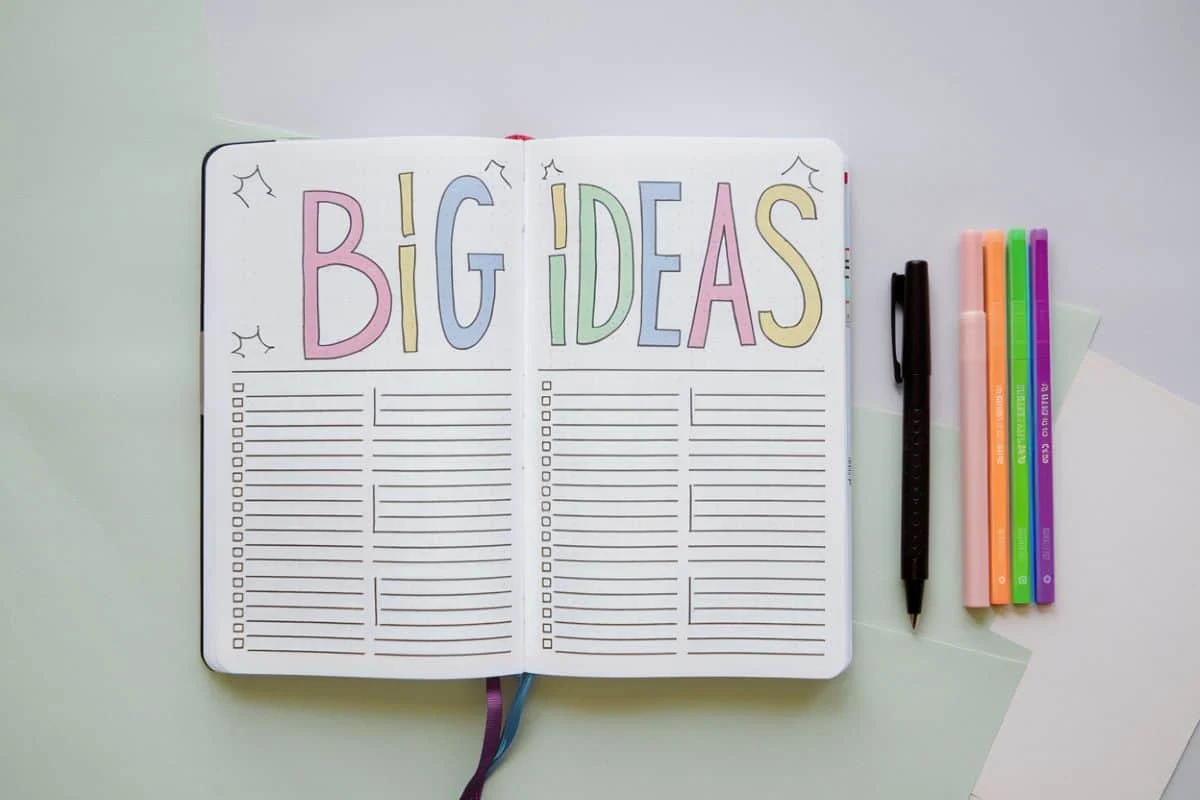
For individuals seeking to harness the power of organization and personal growth, the bullet journal, often referred to as a BUJO, has emerged as a highly adaptable and deeply personal planning system. This article delves into the core principles of bullet journaling and offers a comprehensive guide to implementing a variety of functional, inspirational, and creative page ideas to enhance productivity, well-being, and self-discovery. While the seemingly endless possibilities can initially feel overwhelming, the key lies in a foundational understanding of the system and a strategic approach to selecting pages that align with individual needs and interests.
At its heart, a bullet journal is a customizable analog system designed for tracking the past, organizing the present, and planning for the future. Conceived by digital product designer Ryder Carroll, the method utilizes a streamlined approach of bullet points, symbols, and rapid logging to capture information efficiently. This flexibility allows users to integrate to-do lists, calendars, habit trackers, mood journals, gratitude logs, goal-setting frameworks, and much more into a single, cohesive notebook. Unlike pre-formatted planners, a bullet journal empowers users to create a system that works for them, fostering a sense of agency and intentionality in managing their lives.
The genesis of the bullet journal system can be traced back to Carroll’s own struggles with ADHD and his search for a method that could help him stay focused and organized. Launched in 2013, the Bullet Journal method gained rapid traction through online communities and social media platforms, appealing to a diverse audience seeking an alternative to digital planning tools. Its minimalist approach, relying on basic stationery like a notebook and pen, made it accessible to a wide range of individuals, regardless of their artistic abilities or budget. The core philosophy emphasizes mindful productivity, encouraging users to be intentional about what they track and record, thereby reducing mental clutter and promoting greater focus.
The fundamental principles of bullet journaling revolve around a system of "rapid logging." This involves using concise entries, often categorized by symbols, to denote tasks, events, and notes. Common symbols include a dot (.) for tasks, a circle (o) for events, and a dash (-) for notes. These can be further modified to indicate status, such as an ‘X’ for completed tasks or an ‘>’ for migrated tasks. This rapid logging system, coupled with an index at the beginning of the journal and a monthly log for an overview, forms the backbone of any functional bullet journal.

The benefits of adopting a bullet journal extend beyond mere organization. Users often report reduced stress levels, improved time management, enhanced self-awareness, and a greater sense of accomplishment. By visually tracking progress on goals, habits, and tasks, individuals can gain valuable insights into their patterns of behavior, identify areas for improvement, and celebrate their successes. This conscious engagement with one’s daily life fosters mindfulness and encourages intentional living. Studies on journaling, in general, have indicated positive psychological outcomes, including stress reduction and improved emotional regulation, suggesting that the structured yet flexible nature of bullet journaling can contribute significantly to overall well-being.
To effectively implement a bullet journal, the advice is clear: start with the essentials and prioritize functionality over perfection. The initial setup should focus on core layouts that serve immediate organizational needs. As proficiency grows, users can gradually incorporate more creative and specialized pages. The mantra "functional is better than perfect" is paramount, as the journal is ultimately a tool for personal utility, not solely an artistic endeavor, unless the user desires it to be.
Essential Supplies for Your Bullet Journal Journey
The beauty of the bullet journal lies in its simplicity, requiring only a few basic supplies to begin. The cornerstone is a notebook, with dot grid journals being a popular choice due to their ability to provide subtle guidance without imposing rigid lines. These dots offer a flexible framework for drawing layouts, tables, and decorative elements as desired. Complementing the notebook is a high-quality pen. Opting for a pen that writes smoothly and does not bleed through the paper ensures a pleasant writing experience and maintains the clarity of your entries.
While premium journals and elaborate pen sets are available, the most crucial aspect is selecting supplies that align with your budget and personal preferences. Many find success with basic notebooks, while others invest in more sophisticated options. Key features to consider in a notebook include pre-numbered pages, which facilitate the creation of an index, or the willingness to manually number them. For pens, a reliable, non-bleeding option is essential for maintaining the integrity of your pages.
Building the Foundation: Core Bullet Journal Layouts
Every functional bullet journal, regardless of its complexity, relies on a few foundational layouts that provide structure and accessibility. These are the essential building blocks that enable efficient organization and navigation of your journal.
-
The Index: This is arguably the most critical page, serving as a table of contents for your entire journal. As you add new sections or "collections" (pages dedicated to specific topics), you log their titles and the corresponding page numbers here. This allows for quick retrieval of information, ensuring you can easily locate any entry. A well-maintained index transforms your journal from a collection of pages into a navigable knowledge base.

-
The Future Log: This spread provides an overview of upcoming months, typically covering six months to a year. It’s where you note down events, appointments, deadlines, and birthdays that fall outside the current month. This forward-looking tool helps in planning future activities and ensuring nothing important is overlooked.
-
The Monthly Log: This is a two-page spread that offers a calendar view of the current month and a corresponding task list. The calendar side allows for quick reference of dates and scheduled events, while the task list is for noting down monthly goals or tasks that need to be accomplished.
-
The Daily Log (or Weekly Log): This is the most frequently used section. It’s where you rapidly log your day-to-day tasks, events, and notes. Some prefer a daily log, dedicating a new page or section for each day, while others opt for a weekly spread, which offers a broader view of the week’s commitments. The choice between daily and weekly logs often depends on individual planning styles and the volume of daily entries.
These core layouts are the bedrock of any bullet journal, ensuring that essential information is captured, organized, and easily accessible. They provide the necessary structure to manage your time and commitments effectively.

Expanding Your Horizons: 97 Creative BUJO Ideas to Explore
Beyond the foundational layouts, the true magic of bullet journaling lies in its adaptability to various aspects of life. With an extensive array of potential pages, users can tailor their journals to support their unique goals, interests, and challenges. The following categories offer a glimpse into the vast possibilities, with nearly a hundred ideas to inspire your journaling journey.
Wellness and Self-Care Page Ideas
Prioritizing mental and physical well-being is crucial for a balanced life. These pages help cultivate self-awareness and encourage healthy habits.
- Mood Tracker: Visually represent your daily emotional state.
- Gratitude Log: Record things you are thankful for each day.
- Sleep Tracker: Monitor your sleep patterns and quality.
- Water Intake Tracker: Ensure you’re staying hydrated.
- Meditation Tracker: Track your meditation sessions.
- Workout Log: Record exercises, duration, and intensity.
- Meal Planner: Plan your meals for the week.
- Recipe Collection: Store favorite recipes.
- Affirmation Page: Write down positive affirmations.
- Self-Care Checklist: List activities that help you relax and recharge.
- Symptom Tracker: Monitor physical or mental health symptoms.
- Dream Journal: Record and interpret your dreams.
- Mindfulness Exercises: Outline simple mindfulness practices.
- Digital Detox Tracker: Monitor time spent away from screens.
- Body Scan Log: Note physical sensations and awareness.
Finance and Budgeting Pages
Gaining control over personal finances is a common goal, and bullet journals offer an excellent platform for tracking income, expenses, and savings.

- Monthly Budget Tracker: Allocate funds for different spending categories.
- Expense Tracker: Log daily or weekly expenditures.
- Savings Tracker: Monitor progress towards savings goals.
- Bill Payment Tracker: Keep track of upcoming and paid bills.
- Debt Payoff Tracker: Visualize progress in reducing debt.
- Net Worth Tracker: Monitor your overall financial health over time.
- Investment Tracker: Record and monitor investment performance.
- Wish List: Jot down desired purchases.
- Income Tracker: Log all sources of income.
- Subscription Tracker: List all recurring subscriptions and their renewal dates.
Personal Development Page Ideas
Focusing on growth, learning, and self-improvement can lead to significant personal transformation.
- Goal Setting Pages: Define short-term and long-term goals.
- Habit Tracker: Monitor progress on developing positive habits.
- Book Reading List: Keep track of books you want to read and have read.
- Book Review Log: Jot down thoughts and insights on books.
- Skills to Learn: List skills you want to acquire.
- Learning Journal: Document new knowledge and insights gained.
- Journal Prompts: A dedicated space for reflective writing.
- Personal Strengths & Weaknesses: Identify areas for development.
- Bucket List: Outline experiences you want to have.
- Bucket List Progress Tracker: Monitor your progress on achieving bucket list items.
- Vision Board: A visual representation of your aspirations.
- Daily/Weekly Wins: Celebrate accomplishments, big or small.
- Monthly Review: Reflect on the past month’s progress and challenges.
- Yearly Review: A comprehensive look back at the year’s journey.
- Personal Philosophy: Articulate your core beliefs and values.
Creative Outlet Pages
Bullet journals can serve as a canvas for artistic expression and creative exploration.
- Doodle Page: A space for spontaneous drawing.
- Bullet Journal Spreads Inspiration: Collect ideas from other journals.
- Lettering Practice: Improve your calligraphy and hand-lettering skills.
- Color Palettes: Experiment with color combinations.
- Sketchbook Pages: Dedicate space for drawing and sketching.
- Poetry Corner: Write or collect favorite poems.
- Quote Collection: Store inspiring quotes.
- Creative Writing Prompts: Spark your imagination for stories.
- Mood Board: Visual inspiration for projects or aesthetics.
- Art Project Ideas: Brainstorm and plan creative endeavors.
Home and Organization Pages
Maintaining an organized living space can significantly reduce stress and improve daily efficiency.
- Cleaning Schedule: Outline daily, weekly, and monthly cleaning tasks.
- Decluttering Plan: Strategize how to declutter different areas of your home.
- Pantry Inventory: Keep track of food items.
- Wardrobe Inventory: List clothing items for better outfit planning.
- Home Maintenance Checklist: Track routine home upkeep.
- Gardening Log: Record planting dates, care, and harvest.
- Pet Care Log: Track feeding, vet appointments, and grooming.
- Gift Ideas List: Keep track of gift ideas for friends and family.
- Emergency Contact List: Important contact information in one place.
- Household Chore Chart: Assign and track chores for family members.
Travel and Adventure Page Ideas
Documenting travels and planning future adventures can be a rewarding aspect of bullet journaling.

- Travel Wish List: List destinations you want to visit.
- Trip Itinerary: Plan detailed schedules for trips.
- Packing List: Create lists for different types of trips.
- Travel Journal: Document experiences, memories, and reflections from trips.
- Places to Visit (Local): Discover and plan local outings.
- Restaurant Wish List: Note down restaurants you want to try.
- Concert/Event Tracker: Keep track of concerts and events attended or planned.
- Road Trip Planner: Outline routes, stops, and accommodations.
- Souvenir Tracker: Log memorable items collected during travels.
- Language Learning Log: Track progress in learning a new language for travel.
Relationships and Social Life Pages
Nurturing connections and managing social interactions can be supported by specific journal pages.
- Friendship Log: Keep track of friends and important dates.
- Date Night Ideas: Brainstorm ideas for spending quality time.
- Family Tree: Document your family history.
- Acts of Kindness Tracker: Log good deeds performed.
- Social Media Detox Tracker: Monitor and manage social media usage.
- Event Planner (Social): Organize parties or gatherings.
- "People I Need to Call" List: Reminder for staying in touch.
- Relationship Goals: Define aspirations for your relationships.
- Gratitude for People: Express appreciation for loved ones.
- Conversation Starters: Ideas for engaging discussions.
Academic and Professional Pages
For students and professionals, bullet journals can be invaluable for managing coursework, projects, and career development.
- Project Planner: Break down large projects into smaller tasks.
- Study Schedule: Create a structured plan for academic study.
- Exam Schedule: Track exam dates and preparation timelines.
- Class Notes Summary: Condense key information from lectures.
- Assignment Tracker: Log all upcoming assignments and deadlines.
- Career Goals: Outline aspirations for professional development.
- Job Application Tracker: Monitor job applications, interviews, and follow-ups.
- Meeting Notes: Record key discussion points and action items.
- Professional Development Tracker: Log workshops, courses, and certifications.
- Networking Log: Keep track of professional contacts and interactions.
Miscellaneous and Fun Page Ideas
These pages add a touch of personality, fun, and unique tracking to your bullet journal.
- Monthly Favorites: List favorite books, movies, songs, etc., for the month.
- "Currently" Page: Track what you’re currently reading, watching, listening to, etc.
- Wish List (General): A broader list of desired items or experiences.
- Random Thoughts Log: A space for capturing fleeting ideas.
- Funny Moments Log: Record amusing events.
- "Things I Love" List: A personal inventory of things that bring joy.
- Sticker/Washi Tape Inventory: For those who enjoy decorating their journal.
Planning and Scheduling Page Ideas
Beyond the basic monthly and daily logs, these pages offer more granular control over time management.

- Time Blocking Schedule: Allocate specific blocks of time for various activities.
- Eisenhower Matrix: Categorize tasks by urgency and importance.
- Pomodoro Tracker: Monitor work intervals using the Pomodoro Technique.
- Project Timeline: Visualize the stages and deadlines of a project.
- Event Planning Spread: Detail all aspects of planning an event.
- Weekly Review and Preview: Assess the past week and plan for the upcoming one.
- Decision Log: Record significant decisions made and their rationale.
- Priorities List: Clearly define daily or weekly top priorities.
- Time Audit: Analyze how time is actually spent.
- Goal Decomposition: Break down larger goals into actionable steps.
The Bullet Journal as a Dynamic Tool for Growth
The bullet journal system, with its inherent flexibility, transcends the confines of traditional planners. It empowers individuals to cultivate intentionality, enhance productivity, and foster personal growth across all facets of their lives. The journey begins with understanding the core principles of rapid logging and essential layouts, but it truly flourishes when users begin to customize their journals with pages that resonate with their individual needs and aspirations.
The sheer volume of potential page ideas—ranging from wellness and finance tracking to creative expression and professional development—underscores the bullet journal’s capacity to adapt. Whether the goal is to manage daily tasks more efficiently, track progress on fitness goals, nurture relationships, or simply find a creative outlet, a bullet journal can be meticulously crafted to serve as a powerful companion.
The advice to keep it simple at the outset and to experiment gradually is key. A bullet journal is a living document, evolving alongside the user. What works today might be adapted or replaced tomorrow. This iterative process of creation, reflection, and refinement ensures that the bullet journal remains a relevant and valuable tool. By embracing the functional, inspirational, and creative possibilities, individuals can transform a simple notebook into a personalized command center for a more organized, productive, and fulfilling life. The ultimate success of a bullet journal lies not in its aesthetic perfection, but in its ability to empower its user to live more mindfully and intentionally.

