
The recent conclusion of the annual county fair in Vermont has served as a primary field site for an ongoing longitudinal experiment in early childhood financial literacy, conducted by a local family focused on the "Frugalwoods" philosophy of sustainable living. As seasonal fairs across the United States transform into dense hubs of kid-directed consumerism, the parents of two children, aged five and seven, have implemented a rigorous pedagogical framework designed to demystify the mechanics of currency, labor, and debt. This approach moves beyond the traditional allowance model, instead utilizing real-world "micro-transactions" and market-based labor to instill a sophisticated understanding of fiscal responsibility in pre-adolescents.
The Vermont County Fair: A Microcosm of Modern Consumerism
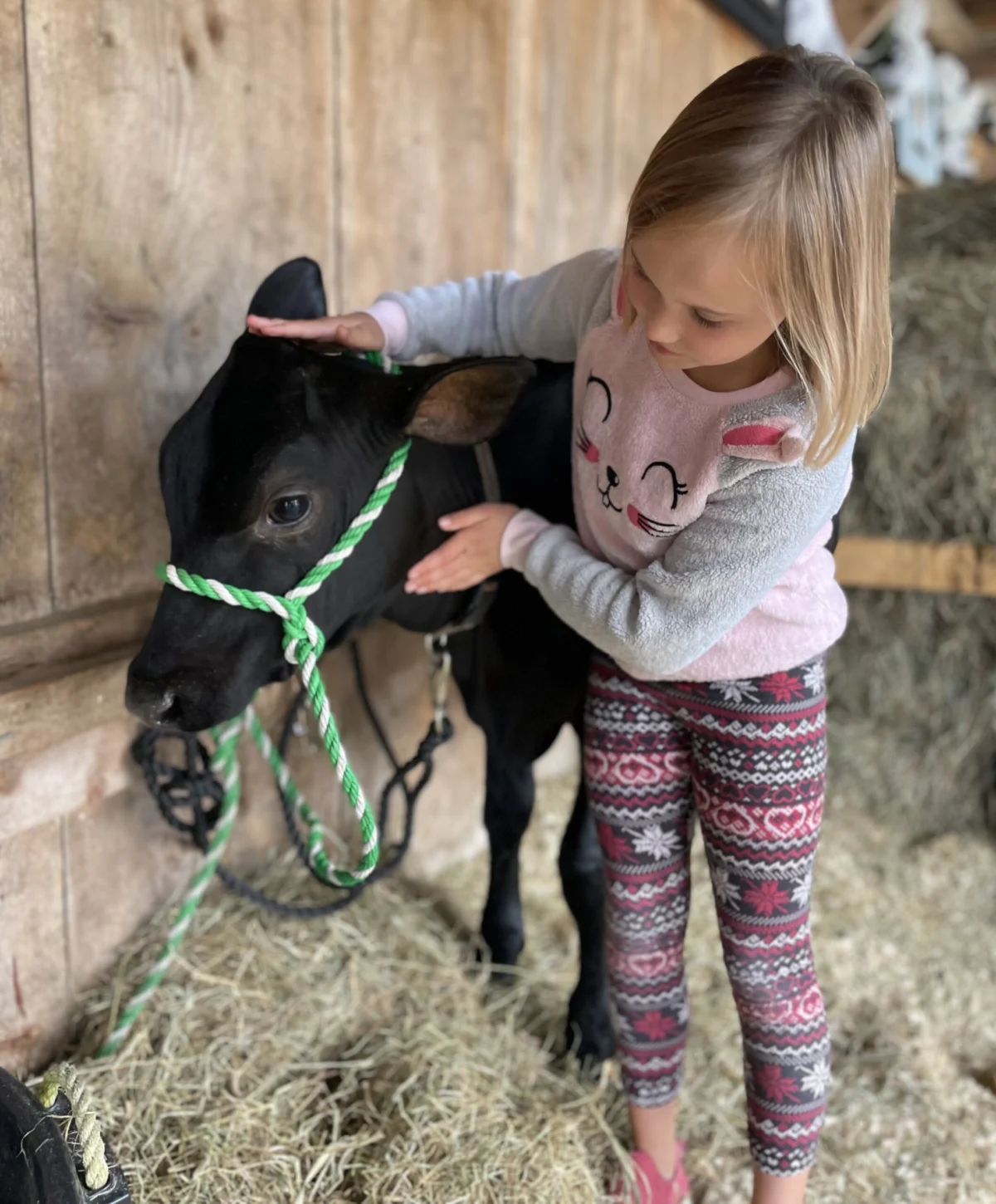
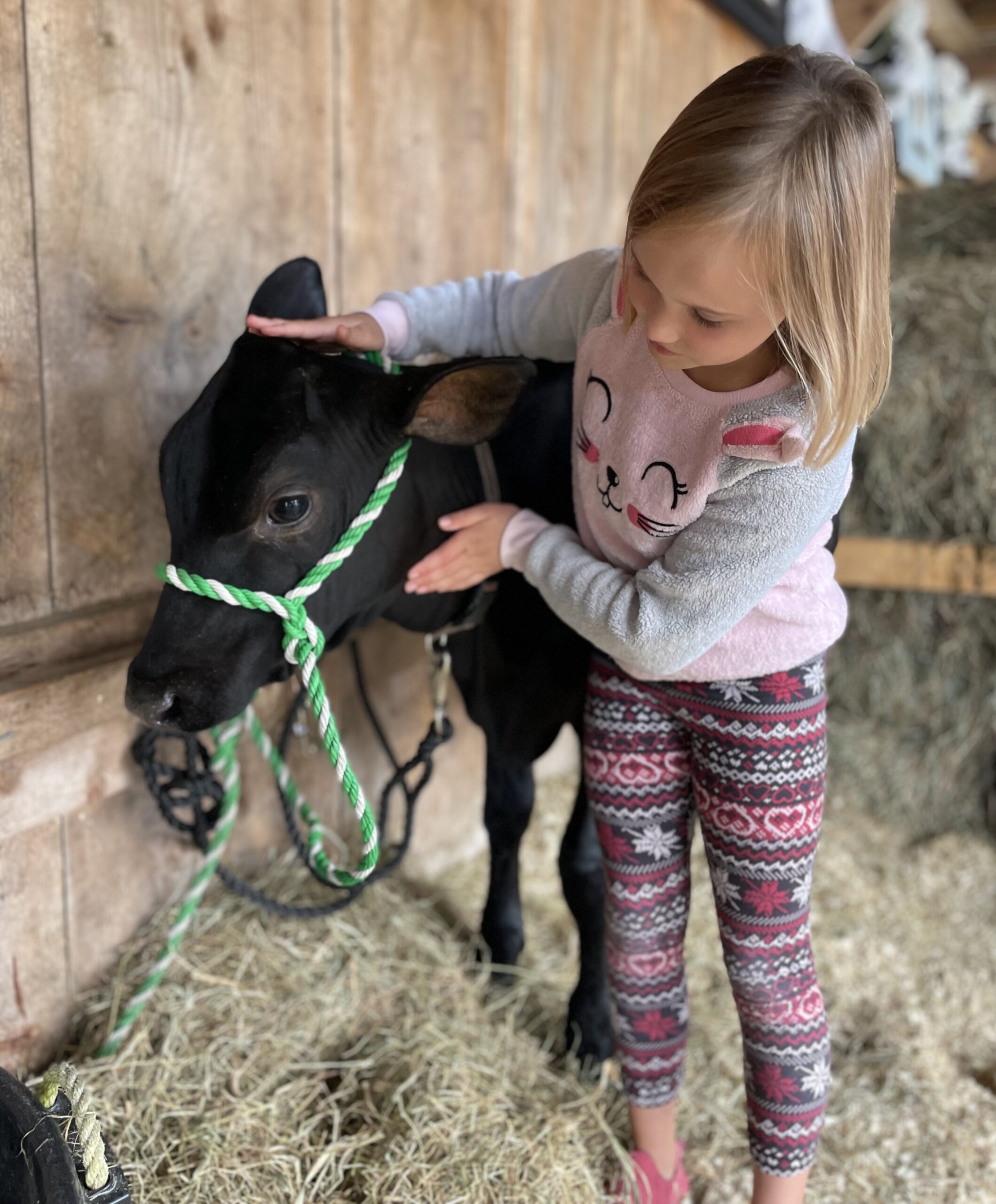
The Vermont county fair, while ostensibly a celebration of agricultural heritage and community livestock—ranging from cattle-cuddling opportunities for the seven-year-old "Kidwoods" to more cautious observations from the five-year-old "Littlewoods"—functions simultaneously as a high-pressure retail environment. For young children, these venues represent a "panorama of consumerism," where the density of purchasing opportunities often outpaces their capacity for impulse control.

In response to this environment, the family has codified a "Family Money Philosophy." This framework is built upon a clear binary distinction between "essential needs" and "discretionary desires." Under this policy, the parents assume full financial responsibility for all necessary expenditures, including housing, healthcare, clothing, education, and nutrition. Furthermore, the parents subsidize cultural and community enrichment by paying for entry fees to museums and fairs. However, once inside these venues, the financial burden of "extras"—souvenirs, specialized snacks, and gift shop items—shifts entirely to the children.
Establishing the Binary Expenditure Framework
The distinction between "needs" and "wants" is the cornerstone of the family’s economic instruction. By removing the ambiguity of who pays for what, the children are forced to evaluate the utility of every discretionary purchase against their own limited capital. The parents have identified three primary sectors where kid-directed marketing is most prevalent and where their philosophy is most strictly applied:
- Supplemental Food Items: While standard meals are provided, "discretionary" foods, such as a dessert at a restaurant or a fairground treat, must be funded by the child.
- Event Souvenirs: Admission to venues is a parental expense, but "trinkets" from museum gift shops or fairground stalls require personal capital.
- Corporate Literacy Programs: Despite having access to a home library stocked via public libraries and second-hand sales, any purchases from the Scholastic Book Fair are categorized as discretionary, requiring the children to use their earned funds.
The Chore-Based Economy: Market Value Labor and Negotiation
To facilitate these purchases, the family has established a "chore economy" based on the principle of fair market value. Unlike a static allowance, which decouples income from effort, this system requires the children to perform specific tasks to generate revenue. The labor is categorized into two distinct groups: unpaid communal responsibilities and paid family-benefit chores.
Unpaid Daily Responsibilities:
These tasks are framed as the "cost of entry" for living within a cooperative family unit. They include:
- Self-care tasks: Putting away personal laundry and making beds.
- Communal maintenance: Clearing the table after meals and cleaning personal play areas.
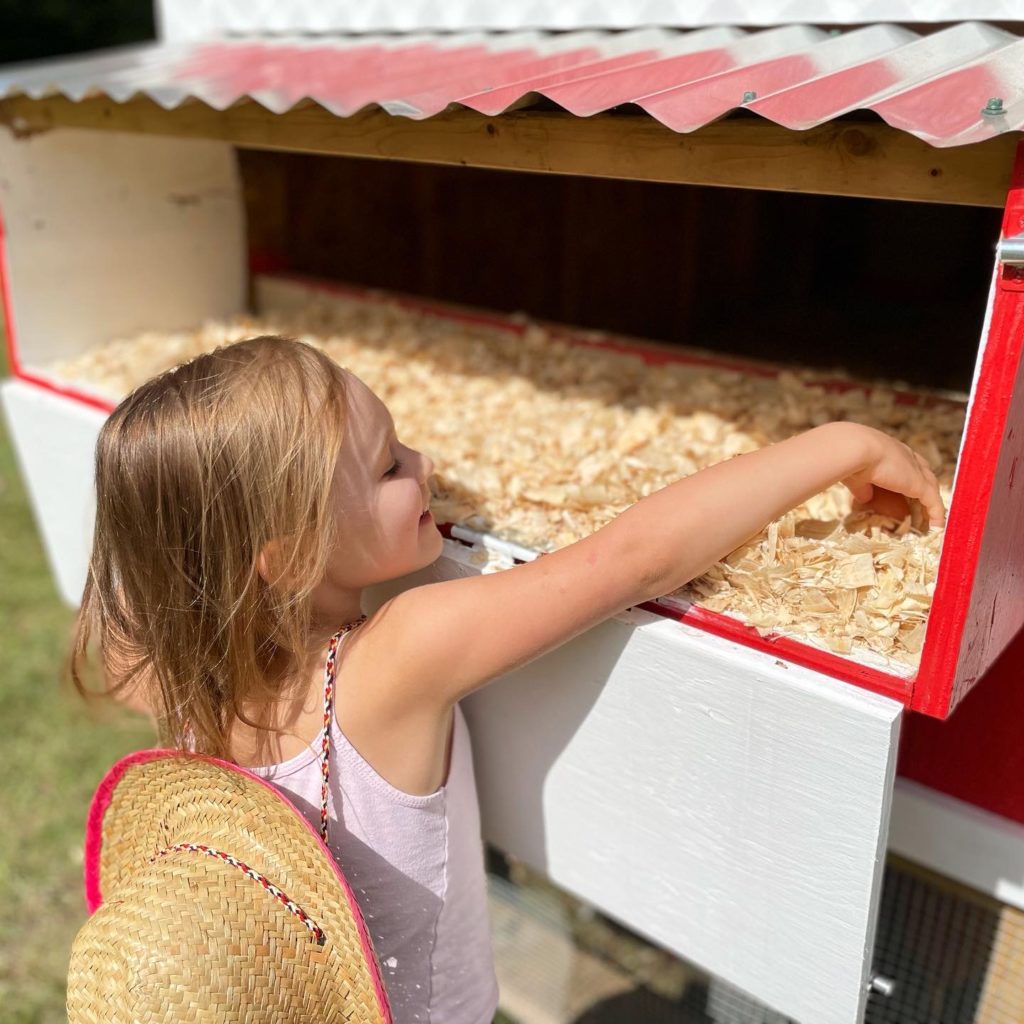
- Agricultural assistance: Collecting eggs from the family’s chickens and managing compost buckets.
Paid Market-Value Chores:
These tasks are optional and compensate the child for labor that benefits the entire household. The current seasonal rotation of tasks includes:
- Logistics and Maintenance: Moving wood piles, cleaning the interior of the family vehicle, and emptying all household trash receptacles.
- Organizational Projects: A recent example involved the seven-year-old negotiating a $10 lump-sum contract to organize all kitchen cabinets and drawers within a single day.
A critical component of this labor model is the "quality control" clause. Compensation is only rendered if the task is completed to a professional standard with minimal adult intervention. If a child empties the trash but litters the stairs in the process, the "mission" is not considered accomplished until the site is remediated. This introduces the concept of professional integrity and the "cost of rework" into their early work ethic.
Case Study: The Psychology of Debt and the Inflatable Unicorn
Perhaps the most significant milestone in the children’s financial education occurred at the previous year’s county fair, involving a turquoise inflatable unicorn priced at $13. At the time of the desired purchase, the seven-year-old possessed only $9 in liquidity. The parents allowed a "debt-financing" arrangement, providing the remaining $4 under the condition that it be repaid through mandatory labor.
The aftermath of this transaction provided a visceral lesson in the "sunk cost" of debt. Upon returning home, the child was required to perform chores to pay off the $4 balance. The child eventually articulated a core economic frustration: "It is not fun to do chores to earn money for something I’ve already bought. This is a lot of work and I’m not getting anything!"
By allowing the child to experience the "debt trap" in a controlled, low-stakes environment, the parents successfully demonstrated that borrowing against future labor reduces future utility. Since this incident, neither child has opted to enter into a debt agreement, showing a significant shift toward "cash-on-hand" purchasing strategies.
Asset Security and Risk Management: The Science Museum Incident
Financial literacy also necessitates an understanding of asset protection. The children are solely responsible for the physical security of their capital. Each child maintains a personal wallet and purse, and they are expected to manage these items during excursions.
A near-loss incident occurred during a visit to a science museum gift shop, where the eldest child misplaced her wallet containing her entire savings. The parents did not immediately intervene to replace the funds, instead guiding the child through the "lost and found" recovery process. The emotional distress caused by the potential loss served as a powerful deterrent against future negligence. This incident reinforced a harsh reality of the adult financial world: lost cash is rarely recoverable, and the "owner" bears the full risk of asset mismanagement.
Mathematical Literacy and Collaborative Consumption
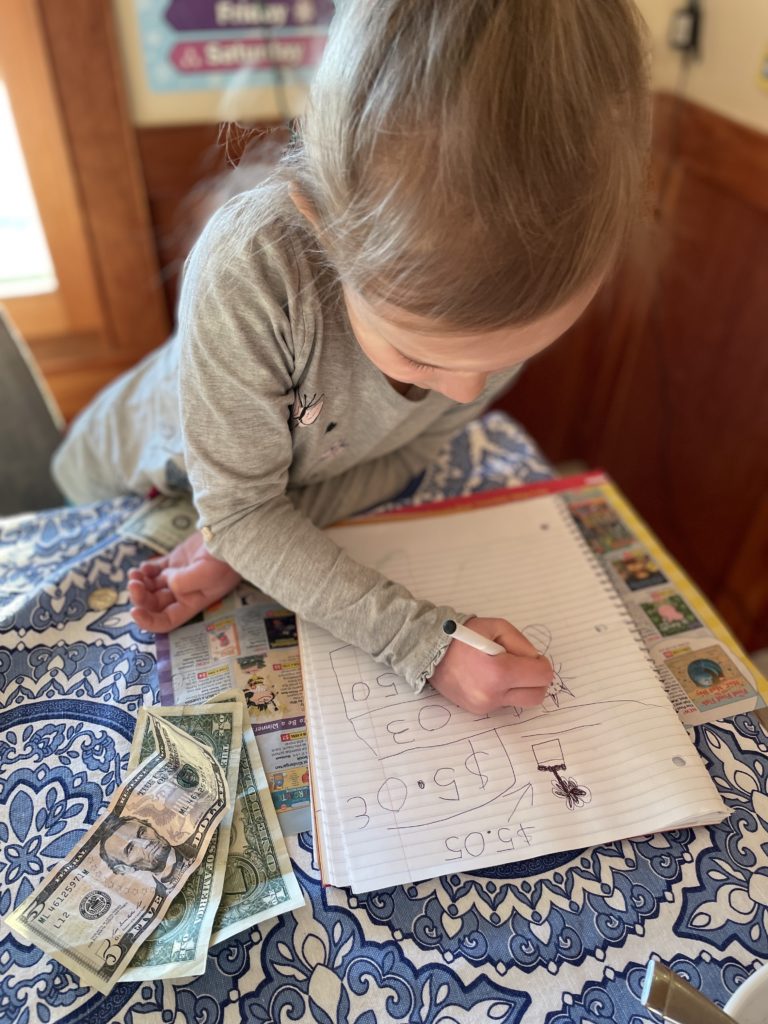
The "pizza night" scenarios at local farms have introduced the children to the complexities of shared costs and negotiation. When the children decided to split the $7 cost of a dessert, they encountered the mathematical hurdle of an odd-numbered price point. This necessitated a lesson in counting coin denominations and fractional currency.

Furthermore, this led to a "labor dispute" when the elder child realized she was subsidizing her younger sister’s consumption. The subsequent negotiation—where the younger child agreed to contribute her own earnings to the shared treat—taught the fundamentals of "equity in consumption" and collaborative budgeting.
Broader Economic Context: The State of Financial Education
The "Frugalwoods" approach addresses a significant gap in the American educational system. According to the 2022 Survey of the States by the Council for Economic Education, only 25 states currently require high school students to take a course in personal finance. By starting at ages five and seven, this family is front-loading concepts that many American adults struggle with, such as the relationship between hours worked and goods purchased.
Data from the Federal Reserve suggests that early exposure to financial concepts is a strong predictor of adult financial wellness. By demystifying money as a "tool" rather than a source of "status or emotional wellness," parents can reduce the anxiety and "taboo" nature often associated with fiscal discussions.

Future Projections: Transitioning to the "Bank of Parental Units"
The next phase of this educational scaffold involves the introduction of long-term savings and compound interest. Currently, the children operate within a "spending economy," where most earnings are liquidated for immediate gratification. The parents plan to launch the "Bank of Parental Units," a domestic savings institution that will offer high-yield interest rates on funds kept in "long-term storage."
This transition aims to shift the children’s mindset from "immediate utility" to "delayed gratification." By observing their balances grow through interest, the children will begin to understand the concept of "money making money," the foundational principle of investment and retirement planning.
Conclusion and Implications
The "Frugalwoods" case study suggests that children as young as five are capable of navigating complex economic landscapes if provided with a consistent, logical framework. By treating money as a neutral tool and enforcing natural consequences for debt and loss, parents can cultivate a generation of consumers who are resilient to impulsive marketing and literate in the mechanics of the modern economy. As the siblings continue to move from simple chore-based earnings to interest-bearing savings, their journey provides a scalable model for parents seeking to integrate financial literacy into the fabric of daily family life.

