
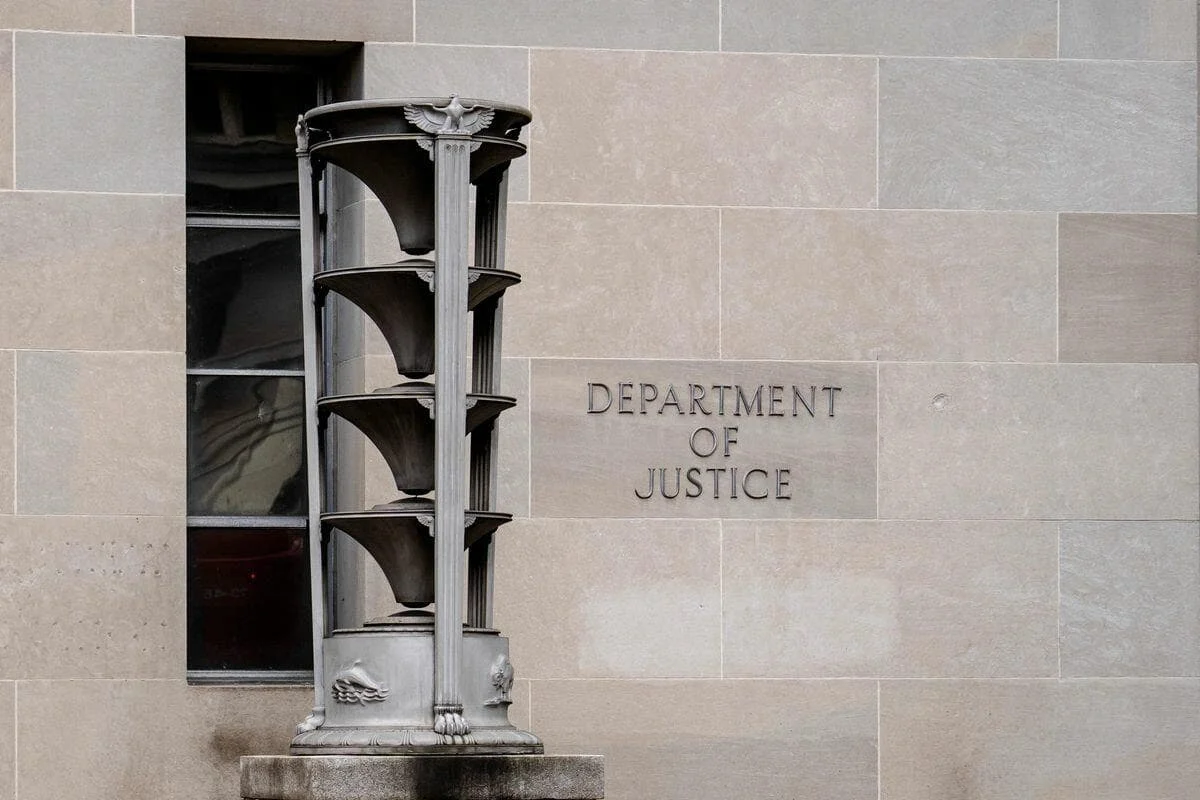
A federal judge in New Mexico on July 14 delivered a significant blow to the Department of Justice (DOJ), dismissing its ambitious attempt to compel the state to surrender the private personal data of every registered voter. This ruling, handed down by U.S. District Judge Judith C. Herrera, is not an isolated incident but rather the fourteenth such defeat for the DOJ in its nationwide campaign to obtain comprehensive, unredacted voter information from various states. The repeated judicial rebuffs underscore a growing tension between federal efforts to ensure election integrity and states’ assertions of sovereignty over their election processes and the privacy rights of their citizens.
The New Mexico Ruling: A Lack of Factual Basis and Necessity
Judge Herrera’s decision to dismiss the lawsuit against New Mexico was rooted in a critical assessment of the DOJ’s demand letter. In her detailed memorandum opinion and order, she found that the department’s request "altogether lacks an identifiable ‘basis.’" Specifically, the court highlighted the absence of concrete facts, any substantiated proof of a pattern of violations by New Mexico concerning federal election laws, and a clear explanation for the necessity of the unredacted Personally Identifiable Information (PII) to evaluate compliance.
The ruling stated emphatically: "Nowhere does the DOJ articulate any factual suggestion that New Mexico has violated the NVRA [National Voter Registration Act] or HAVA [Help America Vote Act], indicate the State has a pattern or practice of noncompliance with the same, nor does it explain how the unredacted PII is necessary to evaluate compliance with the NVRA and HAVA." This judicial critique suggests that the DOJ’s approach was broad and speculative, rather than targeted and evidence-based, failing to meet the legal thresholds required for such an intrusive data demand. The PII sought typically includes sensitive details like social security numbers and dates of birth, information that states are increasingly protective of due to identity theft and privacy concerns.
The Broader Context: A Series of Federal-State Clashes over Voter Data
The New Mexico case is the latest chapter in an ongoing legal saga where the Department of Justice has consistently sought access to comprehensive voter registration databases across the country. These efforts, initiated under various administrations but notably intensified in recent years, are generally framed by the DOJ as necessary to ensure compliance with federal voting laws, primarily the National Voter Registration Act of 1993 (NVRA) and the Help America Vote Act of 2002 (HAVA).
The NVRA, often referred to as the "Motor Voter" Act, aims to simplify voter registration by requiring states to offer registration opportunities at motor vehicle departments and public assistance agencies. It also mandates that states maintain accurate voter registration lists. HAVA, enacted in the wake of the 2000 presidential election controversies, set national standards for voting and election administration, including requirements for statewide voter registration databases, provisional voting, and accessible voting equipment. The DOJ argues that access to unredacted voter rolls is crucial for verifying states’ adherence to these provisions, particularly regarding list maintenance and preventing voter fraud.
However, state election officials, backed by privacy advocates and increasingly, by federal judges, argue that the DOJ’s demands often overreach, infringing upon state sovereignty and potentially compromising the privacy and security of millions of voters. They contend that while transparency and accurate voter rolls are vital, the wholesale transfer of sensitive personal data without a specific, demonstrated need poses unacceptable risks.
A National Trend: The Chronology of DOJ Rejections
The dismissal in New Mexico is not an anomaly but part of a discernible pattern of judicial resistance to the DOJ’s broad data requests. According to New Mexico Secretary of State Maggie Toulouse Oliver, the Justice Department has now been thwarted in 14 similar cases nationwide, failing to obtain unredacted voter files from states that have proactively declined its requests. This extensive record of rejections paints a clear picture of judicial skepticism regarding the scope and justification of the DOJ’s demands.
-
December 2025: The Initial Wave of Lawsuits
The current wave of federal lawsuits began in earnest in December 2025, when the Justice Department filed complaints against six states for allegedly withholding voter rolls. While the specific states involved in that initial filing are not fully detailed in the provided text, the subsequent rejections suggest a coordinated effort by the DOJ and a consistent response from state authorities and federal courts. -
January: Oregon Stands Firm
One of the earliest documented rejections occurred in January, when U.S. District Judge Mustafa Kasubhai in Oregon dismissed the Justice Department’s suit requesting the state’s list of registered voters. During a videoconference hearing, Judge Kasubhai granted the defendants’ motion to dismiss, aligning with the argument that the department’s request lacked sufficient legal grounding. The DOJ had alleged that Oregon’s refusal violated HAVA and the Civil Rights Act of 1960. -
February: Michigan’s Data Remains Protected
In February, a federal judge also rejected a DOJ request for similar information in Michigan. This added another state to the growing list of those successfully defending their voter data against federal intrusion.
-
April: Arizona and Massachusetts Prevail
April saw two more significant dismissals. Federal judges in both Arizona and Massachusetts dismissed similar cases, further cementing the legal precedent that states are not obligated to hand over unredacted voter data without a more compelling federal justification. -
June: New Hampshire’s Landmark Ruling
A pivotal ruling came on June 29, when a federal judge threw out the Justice Department’s lawsuit against New Hampshire. The state had similarly refused to disclose its unredacted statewide voter registration lists. In a comprehensive 26-page ruling, U.S. District Judge Joseph Laplante explicitly stated that "those state-generated voter records fall outside those documents the federal government can demand under Title III of the Civil Rights Act of 1960." This ruling was particularly impactful as it directly addressed the scope of federal power under a key civil rights statute, limiting the federal government’s ability to demand certain state-held records. -
July: New Mexico Joins the Ranks
Finally, the July 14 decision concerning New Mexico reinforces this established pattern, bringing the total number of rejections to at least 14. This consistent judicial stance across different federal districts suggests a robust legal interpretation favoring state control over voter data and voter privacy.
Official Responses: State Officials Championing Privacy
The consistent pattern of judicial dismissals has been met with approval from state election officials, who view these rulings as victories for voter privacy and state autonomy. New Mexico Secretary of State Maggie Toulouse Oliver’s reaction to Judge Herrera’s decision encapsulates this sentiment.
"I am pleased with the court’s decision to dismiss this case. Federal and state legal guardrails on social security numbers and dates of birth exist for the identity protection of every voter in our state," Secretary Oliver stated. Her comments highlight the critical role these "guardrails" play in safeguarding citizens’ sensitive information. She further emphasized her unwavering commitment to protecting voter data, asserting, "I absolutely will not risk any disclosure of voters’ private data, as it could carry very real and severe consequences for the personal lives of New Mexicans participating in our democratic process." This stance reflects a broader consensus among state election administrators that the potential risks of data breaches or misuse far outweigh any unsubstantiated federal need for blanket access to highly sensitive information.
While the Department of Justice did not immediately return a request for comment regarding the New Mexico ruling, their consistent pursuit of these lawsuits across multiple states suggests a belief in the necessity of such data for their oversight functions. Historically, the DOJ has argued that full access to voter registration records, including PII, is essential for robust investigations into potential violations of federal election laws, such as voter registration list maintenance failures or instances of voter fraud, and to ensure compliance with laws like the NVRA and HAVA. However, the repeated judicial rejections indicate that the courts are demanding a higher standard of proof and justification from the federal government for such extensive data demands.
The Legal Framework: NVRA, HAVA, and the Civil Rights Act
At the heart of these legal battles are differing interpretations of federal statutes. The National Voter Registration Act (NVRA) requires states to implement procedures for maintaining accurate voter registration lists, including removing ineligible voters. The Help America Vote Act (HAVA) further mandates statewide voter registration databases and allows for the sharing of certain voter information. The Civil Rights Act of 1960, specifically Title III, grants the Attorney General the authority to inspect election records.
The core dispute revolves around whether these statutes grant the DOJ the authority to demand unredacted PII without specific evidence of a violation. State arguments, which have largely prevailed in court, assert that while federal law may allow for inspection of election records, it does not automatically permit access to sensitive, unredacted personal information without a compelling, demonstrated need related to a specific, alleged violation. Judges, like New Hampshire’s Judge Laplante, have interpreted these laws narrowly, concluding that state-generated voter records, particularly those containing sensitive PII, fall outside the scope of documents the federal government can unilaterally demand under these acts without a stronger showing of cause.
Implications for Voter Privacy and Election Integrity
The consistent dismissal of these DOJ lawsuits carries significant implications for several critical areas:
- Voter Privacy: These rulings reinforce the principle that voter privacy is a paramount concern. States are seen as primary custodians of this data, with a responsibility to protect citizens from potential misuse or breaches of sensitive information like social security numbers and dates of birth. The courts are essentially affirming that the general public interest in election oversight does not automatically override individual privacy rights, particularly when the federal government cannot articulate a specific, fact-based necessity for such data.
- Federalism and State Control over Elections: The rulings underscore the enduring principle of federalism, where states retain significant authority over the administration of their elections. While federal laws set certain standards, the day-to-day management, including the collection and safeguarding of voter data, largely falls under state purview. The judiciary is signaling a clear limit to federal intrusion into state election processes, particularly when those intrusions are perceived as broad and lacking specific justification. This balance of power is crucial in the American constitutional framework.
- Election Integrity Debates: The legal skirmishes occur within a broader national debate about election integrity. While some argue that greater federal access to voter data is necessary to combat fraud and ensure accurate rolls, others contend that such broad access could be misused or could deter legitimate voters concerned about their privacy. The court’s decisions suggest a preference for targeted investigations over blanket data requests, requiring the DOJ to demonstrate specific irregularities before demanding sensitive voter information. This approach aims to strike a balance between oversight and privacy.
- Future of Data Sharing: These decisions may compel the DOJ to refine its approach to election oversight. Instead of broad demands, the department might need to focus on more targeted requests based on specific, demonstrable evidence of non-compliance or fraud. Alternatively, these rulings could spur legislative efforts to clarify the scope of federal authority regarding voter data, although such efforts would likely face significant political hurdles.
In conclusion, the dismissal of the DOJ’s lawsuit in New Mexico is more than just another legal outcome; it is a reaffirmation of judicial skepticism towards expansive federal data demands without clear justification. As the fourteenth such rejection, it establishes a robust legal precedent across multiple federal districts, reinforcing state authority over election administration and safeguarding the private data of millions of American voters. The ongoing tension between federal oversight and state sovereignty in election matters remains a defining characteristic of the contemporary political and legal landscape.

