

Starting a new bullet journal is an endeavor often met with a blend of eager anticipation and a touch of creative apprehension, particularly when it comes to crafting that pivotal first page – the bullet journal cover page. This initial spread acts as a visual prologue, setting the thematic and inspirational tone for the entire journal. It presents a unique canvas for personal expression, whether through minimalist aesthetics, resonant motivational quotes, or intricate artistic illustrations. The possibilities for making this first page a meaningful and distinctive introduction to one’s journaling journey are virtually limitless. This exploration delves into a curated selection of inspiring bullet journal cover page ideas, designed to empower individuals to commence their organizational and creative pursuits with confidence and flair.
The Significance of the Bullet Journal Cover Page
The bullet journal, often referred to as a "bujo," has evolved beyond a simple organizational tool into a multifaceted platform for personal development, mindfulness, and creative expression. At its core, it’s a customizable analog system designed by Ryder Carroll in 2013, which combines elements of a planner, diary, and sketchbook. The methodology emphasizes rapid logging, using symbols to denote tasks, events, and notes, thereby creating a flexible framework that can be adapted to individual needs.

The cover page, or the first page of any new bullet journal, holds particular importance. It is the initial point of contact for both the user and potentially others who might glimpse into the journal. Its design and content can significantly influence the user’s engagement with the journal throughout its lifespan. A well-crafted cover page can serve as a constant source of motivation, a visual anchor for the journal’s purpose, and a testament to the owner’s personality and aspirations. Without a strong opening, a journal might feel less inviting, potentially leading to decreased usage. Conversely, a compelling cover page can foster a sense of ownership and excitement, encouraging consistent interaction and a deeper commitment to the journaling practice.
Establishing Identity: Naming Your Bullet Journal
Giving a bullet journal a distinct name imbues it with a sense of personal identity, transforming it from a mere notebook into a dedicated companion for personal growth and reflection. This act of naming is akin to christening a personal project, imbuing it with significance and making it feel more special and cherished. Whether the chosen name is a straightforward descriptor like "My Daily Planner" or a more whimsical and creative moniker that encapsulates the user’s personality or the journal’s intended purpose, the effect is a heightened sense of connection.

The presentation of this name on the cover page offers a prime opportunity for creative expression. It can be rendered in bold, eye-catching lettering, adorned with intricate doodles, or embellished with decorative stickers. This deliberate detail, though seemingly minor, can significantly enhance the experience of opening the journal each day, making the act more engaging and enjoyable. For example, a journal named "Chronicles of Growth" might feature elegant calligraphy and subtle botanical illustrations, while a journal titled "Chaos Coordinator" could boast playful lettering and vibrant, abstract designs.
The Power of a Tagline and Motivational Statements
Complementing the journal’s name, a catchy tagline or a succinct motivational statement on the cover page can serve as an immediate declaration of intent. These phrases act as a constant reminder of the journal’s purpose or the overarching theme the user wishes to embrace. For instance, a tagline such as "Ink and Intentions" subtly suggests a focus on thoughtful action and deliberate planning. This pairing of a name and tagline creates a cohesive introductory statement, setting a clear expectation for the content and spirit of the journal.
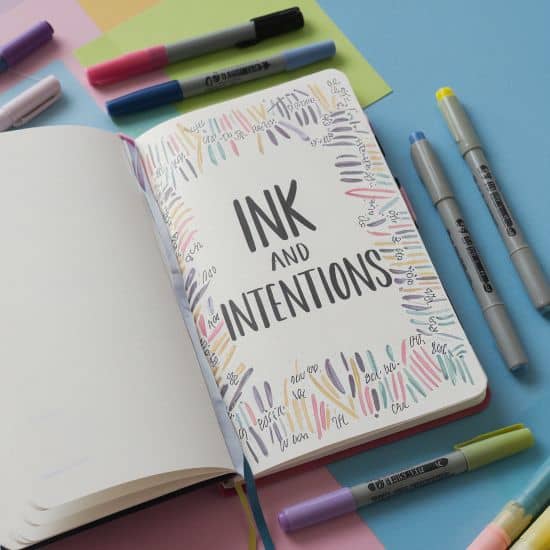
Motivational statements, such as "Make It Happen" or "This Year Will Be Different," serve as powerful affirmations. They are not merely decorative; they are designed to instill a proactive mindset from the outset. In an era where personal development and goal achievement are highly valued, these phrases can act as psychological prompts, encouraging users to approach their tasks and challenges with renewed vigor and determination. The visual impact of these statements, often presented in bold typography or within an artistic composition, ensures they are readily visible and impactful. The mere act of writing these words down can solidify their importance in the user’s mind, acting as a tangible commitment to the aspirations they represent.
The Welcome Page: An Invitation to Engage
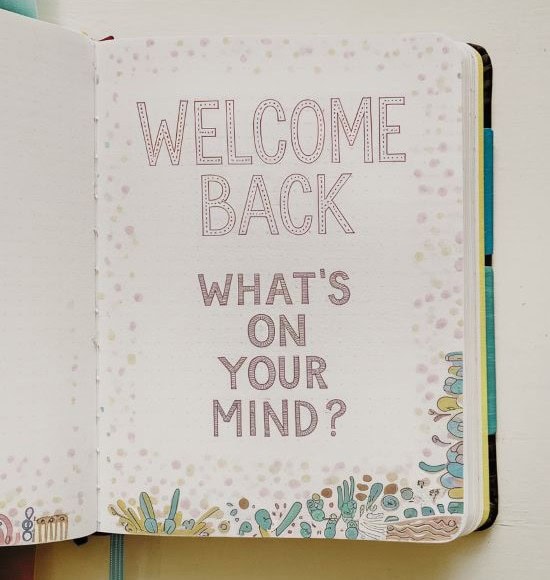
A dedicated welcome page serves as a warm invitation, setting a positive and encouraging tone from the very first interaction with the bullet journal. It’s the initial threshold one crosses upon opening the journal, and its design should ideally evoke feelings of excitement, motivation, and readiness to engage in the journaling process. This page is an opportunity to personalize the journal beyond mere functionality, making it a truly personal space.

Encouraging Thoughts and Reflections
The content of a welcome page can be tailored to the individual’s preferences. It might include a brief personal introduction to oneself, outlining current goals or aspirations for the journal. Alternatively, it could feature a collection of prompts designed to stimulate introspection, such as "What am I grateful for today?" or "What is one thing I want to achieve this week?". These prompts can serve as gentle nudges to begin the journaling process, especially for those who may feel daunted by a blank page. The visual presentation can range from simple, elegant handwriting to more elaborate designs incorporating sketches, quotes, or even small photographs that hold personal meaning. The key is to create a space that feels welcoming and inspiring, making the act of journaling a pleasure rather than a chore.
Establishing the Temporal Framework: The Current Year
A fundamental element of any planning or organizational system is the demarcation of time. Dedicating a page to the current year within a bullet journal serves as a crucial anchor, clearly defining the temporal scope of the content that will follow. This page acts as a visual landmark, providing context for the entries made throughout the journal’s use.
Visualizing the Year Ahead
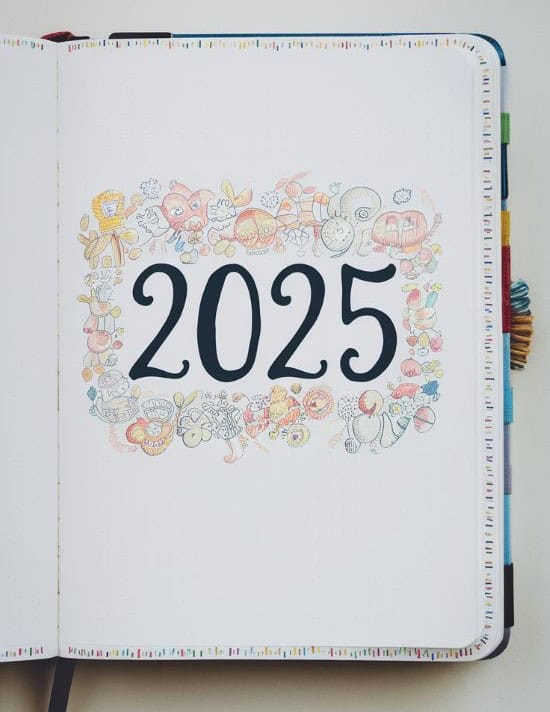
The presentation of the year can be approached in various ways, catering to different aesthetic preferences. A simple, bold inscription of the year, such as "2025," can be highly effective. However, for those who seek a more artistic expression, this page offers ample opportunity for creativity. This could involve intricate calligraphy, the use of decorative stickers, or the creation of a minimalist design that incorporates elements symbolic of the year. For instance, a theme of "growth" might be represented by a flourishing plant illustration, while a theme of "adventure" could be depicted with a stylized map or compass. This visual representation not only marks the passage of time but also serves as a constant reminder of the period the journal encompasses, encouraging a focused approach to planning and reflection within that specific timeframe. It’s a way to symbolically acknowledge the beginning of a new chapter, setting a fresh tone for the endeavors ahead.
Defining Purpose: The Word of the Year
In the realm of personal development and intentional living, the concept of a "word of the year" has gained considerable traction. This practice involves selecting a single word that encapsulates an individual’s primary goal, mindset, or aspiration for the coming year. This chosen word acts as a guiding principle, influencing decisions and actions throughout the year.
A Thematic Anchor for Journaling
When integrated into a bullet journal, the word of the year becomes a powerful thematic anchor. Placing it prominently on the cover page or a dedicated introductory spread serves as a constant visual cue, reinforcing the user’s intentions. Words such as "growth," "balance," "courage," "clarity," or "resilience" can provide a clear direction for personal focus. Beyond simply writing the word, expanding upon its meaning adds depth and personal relevance. Including a short explanation of why this particular word was chosen and what it signifies to the individual can transform the page into a personal manifesto. This elaboration makes the word more than just a label; it becomes a deeply personal reminder of the user’s commitment to embodying its essence. The visual presentation can range from a single, impactful word in large lettering to a more elaborate design that incorporates visual representations of the word’s meaning, such as flowing lines for "flow" or interconnected shapes for "connection."
The Role of Motivational Quotes and Phrases
Motivational quotes and phrases have long been employed as tools for inspiration and encouragement. Within the context of a bullet journal, these powerful nuggets of wisdom can serve as daily affirmations, providing a much-needed boost of motivation and a shift in perspective. The selection of a quote is deeply personal, often drawing from favorite authors, philosophers, song lyrics, or even personal mantras.

A Constant Source of Encouragement
The strategic placement of a chosen quote on the cover page ensures it is one of the first elements encountered upon opening the journal. This proximity makes it easily accessible for a quick dose of inspiration whenever it is needed. The impact of these phrases lies in their ability to reframe challenges, foster a positive outlook, and reinforce a proactive mindset. For example, a quote like "The best way to predict the future is to create it" encourages agency and action. Similarly, phrases such as "I am capable of great things" or "Embrace the journey" can build self-confidence and promote a more mindful approach to daily life. The visual presentation can vary widely, from elegant script to bold, block lettering, often enhanced with subtle decorative elements that complement the quote’s message. The intention is to create a visually appealing and emotionally resonant statement that serves as a consistent source of motivation throughout the journaling period.
Artistic Expression Through Doodles and Illustrations
For many, bullet journaling is an outlet for creativity, and the cover page is an ideal space to showcase artistic flair. Doodles and illustrations can transform a functional planner into a personalized work of art, making the journaling experience more engaging and enjoyable. The beauty of this approach lies in its inclusivity; one does not need to be a professional artist to create compelling visual elements.

Personalizing the Journal’s Aesthetic
The scope of artistic expression is vast. It can range from simple, hand-drawn borders and small decorative icons to more elaborate thematic illustrations that set the tone for the journal’s content. For instance, a journal intended for travel planning might feature whimsical sketches of landmarks, maps, and modes of transportation. A journal focused on self-care could incorporate calming imagery such as gentle waves, blooming flowers, or serene landscapes. Thematic doodles can also be employed on a monthly or seasonal basis, adding a dynamic visual element to the journal’s progression. Even abstract patterns or geometric designs can contribute to a visually appealing cover page. The primary goal is to create an aesthetic that resonates with the user, making the journal a source of visual pleasure as well as a practical tool. The act of doodling itself can be a meditative practice, offering a moment of calm and creative release before diving into the more structured aspects of journaling.
Functional Elements as Cover Page Features
While aesthetic appeal is important, the cover page can also serve practical organizational functions. For individuals who primarily utilize their bullet journal for planning and productivity, the inclusion of foundational organizational elements can be both aesthetically pleasing and highly functional.

The Index and Key: Cornerstones of Organization
The index and the key are two fundamental components of the traditional bullet journaling system. The index acts as a table of contents, allowing users to quickly locate specific sections or topics within the journal by referencing page numbers. The key, on its own or as part of a larger introductory spread, defines the symbols used for rapid logging, such as dots for tasks, circles for events, and dashes for notes, along with symbols for completion, migration, or cancellation.
Presenting these elements on the initial pages can serve a dual purpose. Visually, they can be designed with attractive typography and layouts, making them an integral part of the cover page aesthetic. Functionally, they immediately establish the organizational framework of the journal, ensuring that the user can efficiently navigate and utilize its contents from the outset. For a planner-focused bullet journal, these pages are not merely administrative; they are the backbone of the system, and their prominent placement signifies their importance in achieving organizational goals. A well-designed index and key can reduce the cognitive load associated with managing tasks and information, making the entire journaling process smoother and more productive.

Integrating Personal Goals and Aspirations
The bullet journal is fundamentally a tool for self-improvement and goal achievement. Therefore, the cover page provides an excellent opportunity to articulate and visualize these personal objectives. This can be achieved through various creative means, making the journal a constant reminder of what the user is striving for.
Visualizing Success and Progress
One effective method is to create a visual representation of overarching goals. This might involve a mind map, a vision board collage of images and words that represent desired outcomes, or a list of key objectives for the year. For instance, if a primary goal is to learn a new skill, the cover page could feature imagery related to that skill, along with a statement of commitment. Similarly, if financial goals are paramount, a stylized representation of savings or investment targets could be incorporated. The visual nature of these elements can make abstract goals feel more concrete and attainable. They serve as a constant source of motivation, reminding the user of their purpose and encouraging them to make progress. The process of creating these visualizations can also be a form of active planning, allowing individuals to reflect on their aspirations and strategize how to achieve them.

The Broadening Impact and Implications of Personalized Cover Pages
The trend towards personalized bullet journal cover pages reflects a larger cultural shift towards valuing self-expression, mindfulness, and intentional living. In an increasingly digital world, the deliberate act of engaging with a physical journal, and particularly its creative opening, offers a tangible connection to one’s inner world. This practice has implications that extend beyond mere organization:
- Enhanced Self-Awareness: The process of designing a cover page often involves introspection, prompting individuals to consider their goals, values, and desired mindset for the period ahead. This can lead to a deeper understanding of oneself.
- Increased Motivation and Productivity: A visually appealing and personally meaningful cover page can serve as a constant source of inspiration, encouraging more consistent engagement with the journal and, by extension, with personal goals. Studies in behavioral psychology suggest that visual cues and positive reinforcement can significantly impact motivation.
- Creative Outlet and Stress Reduction: For many, the act of designing and decorating their bullet journal is a form of creative expression and a therapeutic practice that can help reduce stress and promote mental well-being.
- Community and Connection: The proliferation of bullet journal content online, particularly on platforms like Pinterest and Instagram, has fostered a vibrant community where individuals share ideas, techniques, and inspiration. This shared experience can combat feelings of isolation and encourage further exploration of the practice.
The simple act of designing a cover page, therefore, is not merely an aesthetic choice; it is an intentional step in shaping one’s personal narrative and fostering a more organized, inspired, and fulfilling life. The diverse range of ideas available ensures that every individual can find a starting point that resonates with their unique journey, transforming a blank notebook into a powerful tool for personal growth and self-discovery.

