
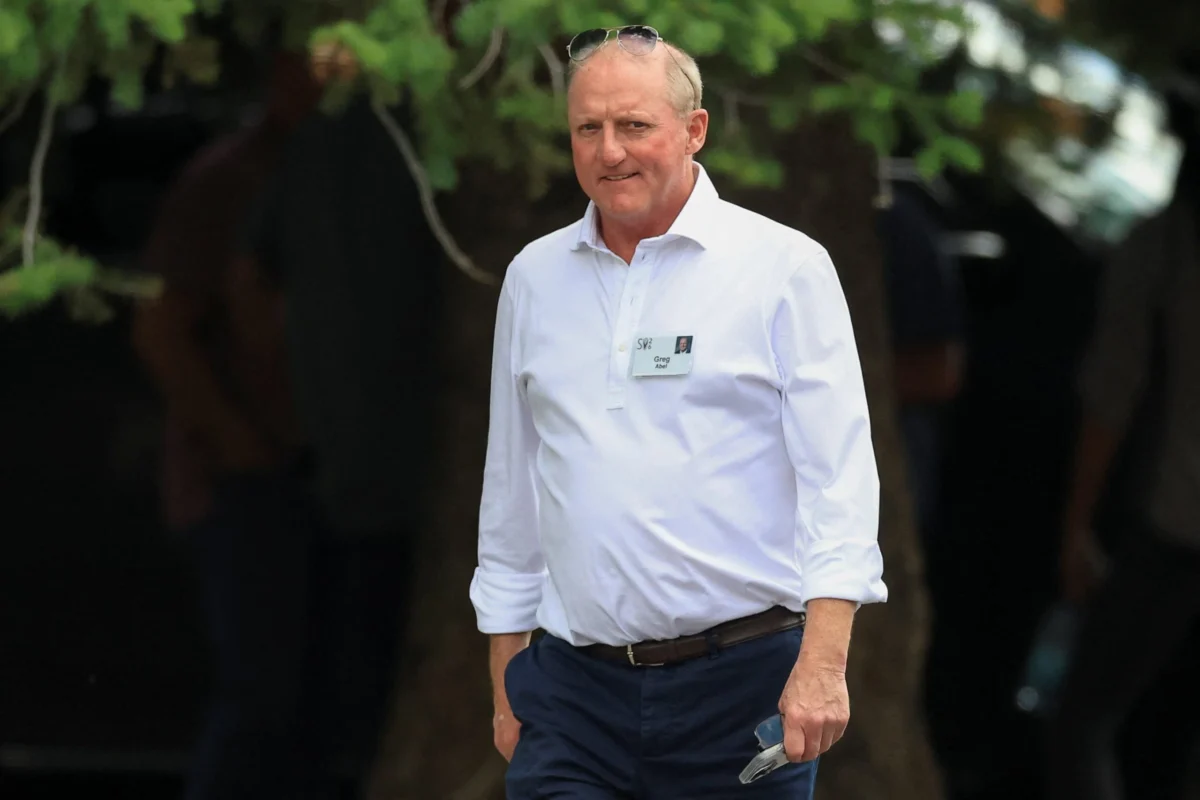
Omaha, Nebraska – Berkshire Hathaway, the sprawling conglomerate now under the stewardship of President and CEO Greg Abel, executed a series of calculated adjustments to its vast investment portfolio during the third quarter of 2026, signaling both continuity in its long-held value investing principles and a nuanced adaptation to prevailing economic and geopolitical currents. The firm’s latest 13F filing revealed significant moves, including a substantial increase in its stake in Delta Air Lines, a partial divestment from Bank of America, and new ventures into technology and homebuilding sectors, all against a backdrop of global volatility and a critical leadership transition.
The third quarter of 2026 proved to be a period of considerable turbulence across global markets, marked by geopolitical tensions and persistent inflationary pressures. For Berkshire Hathaway, these conditions presented both challenges and opportunities, which its investment teams, increasingly overseen by Abel, sought to capitalize on. The filing detailed an aggressive accumulation of shares in Delta Air Lines, boosting Berkshire’s position by a notable 12%, equivalent to scooping up an additional 7.13 million shares. This move solidified the position’s value to an impressive $5.37 billion by the close of the quarter, reflecting a firm belief in the long-term prospects of the Atlanta-based carrier despite immediate headwinds.
Aviation Sector Turbulence and Berkshire’s Contrarian Bet
Berkshire Hathaway’s amplified investment in Delta Air Lines comes at a time when the global aviation sector grappled with significant pressures. The third quarter saw Delta’s shares tumble by 11%, marking its most severe quarterly decline since the first quarter of 2025, when the stock plummeted by 28%. The primary catalyst for this downturn was a sharp increase in jet fuel prices, exacerbated by the U.S.-Iran war. This geopolitical conflict significantly disrupted global oil supplies and sent crude oil benchmarks soaring, directly impacting airline operating costs. Analysts at the time noted that the airline industry, with its notoriously thin margins, was particularly vulnerable to such exogenous shocks. Delta, in response to these rising fuel costs, had already cut its full-year earnings forecast in October, underscoring the severity of the operational challenges.
The decision to increase exposure to Delta amid such adversity is characteristic of Berkshire Hathaway’s contrarian investment philosophy, famously espoused by former CEO Warren Buffett and seemingly continued under Abel. Historically, Berkshire has demonstrated a willingness to invest in strong companies when their valuations are depressed by temporary, albeit severe, industry-wide challenges. For Delta, its robust domestic network, premium positioning, and strong operational management likely presented an attractive entry point for Berkshire, which tends to favor businesses with durable competitive advantages.
Industry observers and aviation analysts weighed in on the implications. "The U.S.-Iran conflict has injected immense uncertainty into the energy markets, directly impacting airline profitability," noted one senior analyst at a major investment bank. "However, strong carriers like Delta, with diversified revenue streams and a track record of effective cost management, are often best positioned to weather these storms and emerge stronger when conditions stabilize. Berkshire’s move suggests they see the current downturn as transient."
Indeed, early indications in the fourth quarter of 2026 suggest Berkshire’s bet on Delta has begun to pay off. The airline’s shares rebounded by 3.8% in the first month of Q4, outperforming the broader S&P 500, which registered a 3.1% decline over the same period. This initial recovery, with shares also up nearly 15% over the past month, validates the strategy of "buying the dip" for patient, long-term investors. The move highlights Berkshire’s conviction that the underlying demand for air travel remains robust, and that temporary geopolitical or economic shocks, while painful, do not fundamentally alter the long-term trajectory of well-managed airlines.
Trimming Financials: A Strategic Rebalancing Amidst Rate Hikes
While increasing its stake in the beleaguered airline sector, Berkshire Hathaway simultaneously opted to trim its significant holding in Bank of America (BofA). The conglomerate sold off stock valued at over $1.6 billion, representing a nearly 6% reduction in its position. This divestment occurred during a quarter when Bank of America, like much of the financial sector, was under considerable pressure. The bank’s shares fell more than 4% in Q3, buffeted by a surge in interest rates, persistently high inflation, and the market’s anticipation of continued tighter monetary policy from the Federal Reserve.
The economic climate in 2026 had been characterized by an ongoing battle against inflation, which had proven more stubborn than many economists initially predicted. In response, the Federal Reserve had embarked on an aggressive campaign of interest rate hikes, aiming to cool the economy and bring price stability. This hawkish stance led to a significant upward movement in Treasury yields; at one point in September, the 30-year Treasury bond yield surged above 5.6%, reaching its highest level since 2002. For banks, while rising rates can sometimes boost net interest margins (NIM), rapidly increasing long-term rates can also compress bond portfolio valuations, raise borrowing costs, and potentially slow loan demand, creating a complex operating environment.
Berkshire’s decision to reduce its BofA stake could be interpreted in several ways. It might represent a strategic rebalancing of its portfolio, taking some profits off the table from a long-held and highly successful investment, or a reallocation of capital to other opportunities perceived as more attractive. It could also reflect a nuanced view on the immediate outlook for the banking sector, particularly concerning the sustainability of NIM expansion in a high-rate environment, or potential risks associated with an economic slowdown.
Despite the trimming, Bank of America remains an anchor of Berkshire Hathaway’s portfolio. The conglomerate’s remaining stake was valued at $24.8 billion at the end of the third quarter, underscoring its continued confidence in the bank’s fundamental strength, extensive customer base, and diversified business lines. The move is less a rejection of BofA and more a tactical adjustment within a dynamically shifting economic landscape. Financial analysts widely interpret such moves by Berkshire as indicative of broader market sentiment, with many speculating that the firm might be anticipating a period of consolidation or more volatile earnings for banks as the full impact of aggressive monetary tightening ripples through the economy.
Emerging Bets: Bending Spoons and Bolstering Homebuilding
Beyond its adjustments to established positions, Berkshire Hathaway also revealed two intriguing moves that shed light on potential new directions or enhanced conviction in specific growth sectors. The firm initiated a new position in Bending Spoons, an Italian technology company renowned for its suite of mobile applications. While the specific size and valuation of this new stake were not immediately disclosed, its inclusion in Berkshire’s portfolio is particularly noteworthy. Traditionally, Berkshire Hathaway has been cautious about investing in technology firms, preferring businesses with more tangible assets and predictable cash flows. However, under Greg Abel, there has been an observable, albeit gradual, embrace of high-quality technology companies that demonstrate strong user engagement and sustainable business models. Bending Spoons, with its focus on consumer software and a track record of successful app development and acquisition, could represent a strategic pivot towards profitable digital enterprises, balancing Berkshire’s more traditional industrial and financial holdings. This move could signal Abel’s willingness to explore growth opportunities in sectors where Berkshire has historically had limited direct exposure, while still adhering to the core principle of investing in quality businesses.
In another significant move, Berkshire nearly doubled its stake in Lennar, one of the largest homebuilders in the United States. This substantial increase signals a strong conviction in the long-term health of the American housing market, despite ongoing challenges such as elevated interest rates and supply chain disruptions. The homebuilding sector in 2026 had faced a mixed environment: while high mortgage rates cooled buyer demand in some segments, a persistent shortage of housing supply across many regions continued to support pricing and builder backlogs. Lennar, known for its efficient operations, focus on entry-level and first-time homebuyers, and strategic land acquisition, likely appealed to Berkshire as a well-managed entity poised to benefit from demographic trends and a structural undersupply of housing. This investment reinforces Berkshire’s long-standing belief in the fundamental drivers of the U.S. economy, particularly the resilience of the housing market over cycles.
The Abel Era: Navigating Legacy and Future Growth
These strategic portfolio adjustments provide an early glimpse into the investment philosophy evolving under Greg Abel, who officially succeeded the legendary Warren Buffett, 96, as President and CEO at the start of 2026. While Buffett continues to wield significant influence, controlling roughly 13% of Berkshire common stock and remaining Chairman, the day-to-day investment decisions and operational oversight increasingly fall to Abel. This transition is not merely administrative; it represents a pivotal moment for Berkshire Hathaway, as it navigates a future without Buffett’s primary hand at the helm.
Abel, known for his operational prowess and experience leading Berkshire Hathaway Energy, is expected to maintain the core tenets of value investing that have defined the conglomerate for decades. However, his tenure may also see a subtle shift towards businesses that leverage technology and exhibit strong operational efficiencies, as evidenced by the Bending Spoons investment. The continuity is further underscored by Buffett’s recent philanthropic endeavors, including a substantial donation of $5.5 billion to nonprofit foundations, which, while reducing his personal holdings, does not diminish his strategic influence or the underlying strength of Berkshire’s capital base.
The market watches closely for further signals from Abel’s leadership. His strategic decisions in Q3 2026 suggest a pragmatic approach: seizing opportunities in undervalued, robust companies like Delta, rebalancing positions in mature holdings like Bank of America to optimize returns or manage risk, and selectively venturing into new, high-growth areas like technology and reinforcing conviction in fundamental sectors like housing. This blend of traditional value investing with a discerning eye for contemporary growth drivers positions Berkshire Hathaway to continue its legacy of long-term value creation in an increasingly complex global economy. The Q3 moves underscore a dynamic and evolving investment strategy, carefully calibrated to current market realities while steadfastly adhering to the foundational principles that have made Berkshire Hathaway an investment titan.

