
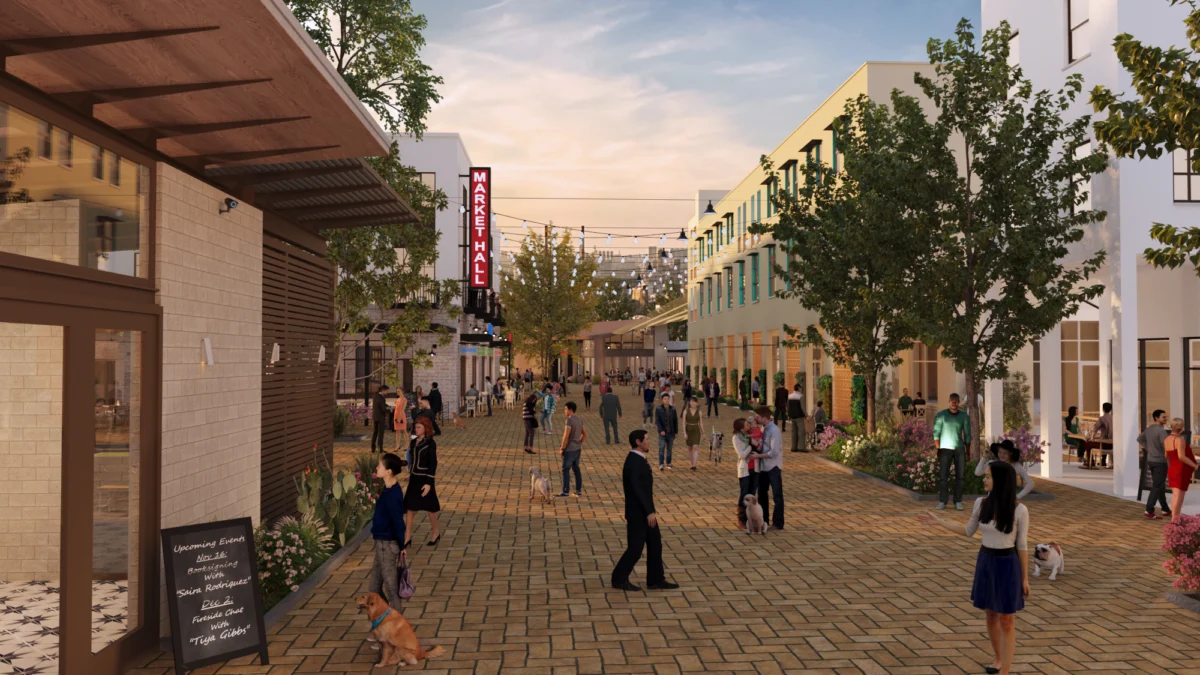
A fundamental shift in urban planning is gaining momentum across the United States, proposing a radical departure from car-centric design towards communities built primarily for human interaction, health, and economic prosperity. This ambitious reorientation, championed by advocates like financial independence guru Mr. Money Mustache, posits that a move to person-friendly cities could unlock trillions in wealth, dramatically improve public health, and foster more vibrant, sustainable societies. The premise is straightforward yet revolutionary: design cities around human needs and pedestrian accessibility rather than the automobile, a change that promises profound synergistic benefits across multiple facets of life.
The Economic Imperative for People-Centric Cities
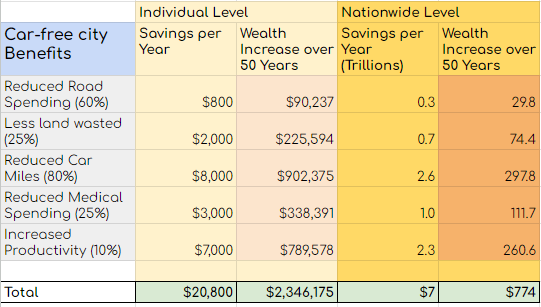
The financial implications of re-prioritizing urban design are staggering. Proponents argue that a transition to people-centric urbanism could boost individual wealth by over $20,000 per person annually. This figure is derived from the substantial costs associated with car ownership and maintenance, which include vehicle depreciation, fuel, insurance, repairs, parking, and the often-overlooked public infrastructure required to support extensive road networks. These personal savings, compounded over an adult lifetime, could amount to well over two million dollars per individual, freeing up capital for investment, education, or improved quality of life.
On a national scale, the economic dividends are even more immense. Estimates suggest that the United States could see an annual wealth increase of approximately seven trillion dollars. This growth is not merely hypothetical; it stems from reduced healthcare costs associated with more active lifestyles, increased productivity from less time spent in traffic, enhanced real estate values due to desirable community design, and a significant decrease in the expenditure required for car-dependent infrastructure. Over the next five decades, this annual boost could compound into an astounding $770 trillion, a figure that surpasses the current total amount of human wealth on the entire planet. Such an economic transformation would fuel an unprecedented boom in investment and prosperity, reshaping financial landscapes for generations.
Beyond Economics: Health and Lifestyle Gains
The benefits extend far beyond monetary gains, touching the core aspects of human well-being. People-centric cities inherently encourage physical activity through walking, cycling, and public transit use, directly combating the rising rates of obesity, heart disease, and other chronic conditions linked to sedentary lifestyles. This proactive approach to public health would significantly reduce healthcare expenditures, allowing individuals and governments to reallocate resources.
Furthermore, urban environments designed for human scale foster stronger community bonds. When public spaces are safe, accessible, and inviting for pedestrians, opportunities for social interaction naturally increase. This leads to reduced feelings of isolation, enhanced mental well-being, and a greater sense of belonging. The absence of constant vehicular noise and pollution creates more tranquil and aesthetically pleasing surroundings, contributing to overall happiness and reduced stress levels. The concept envisions "far richer, healthier, and most importantly, more fun living for everyone," where daily commutes become enjoyable strolls or invigorating bike rides, replacing the frustration of traffic jams.
Historical Context: The Rise of Car-Centric Planning
To understand the radical nature of this proposed shift, it is essential to briefly trace the evolution of modern urban planning. The mid-20th century marked a pivotal period, particularly in the United States, with the advent of mass automobile ownership and the Interstate Highway System. Urban planners, influenced by modernism and a burgeoning car industry, began designing cities around the automobile. This led to widespread suburbanization, the segregation of residential and commercial zones, and the proliferation of vast parking lots and multi-lane roads. Zoning laws were often enacted to mandate minimum parking requirements for new developments, effectively cementing car dependency into the very fabric of urban development.
This planning philosophy, while initially seen as a symbol of progress and individual freedom, inadvertently created a cycle of dependency. Distances between homes, workplaces, and amenities grew, making walking or cycling impractical, thus necessitating car ownership for almost every aspect of daily life. The consequences—traffic congestion, air pollution, increased accident rates, and the erosion of walkable neighborhoods—became increasingly apparent over decades.
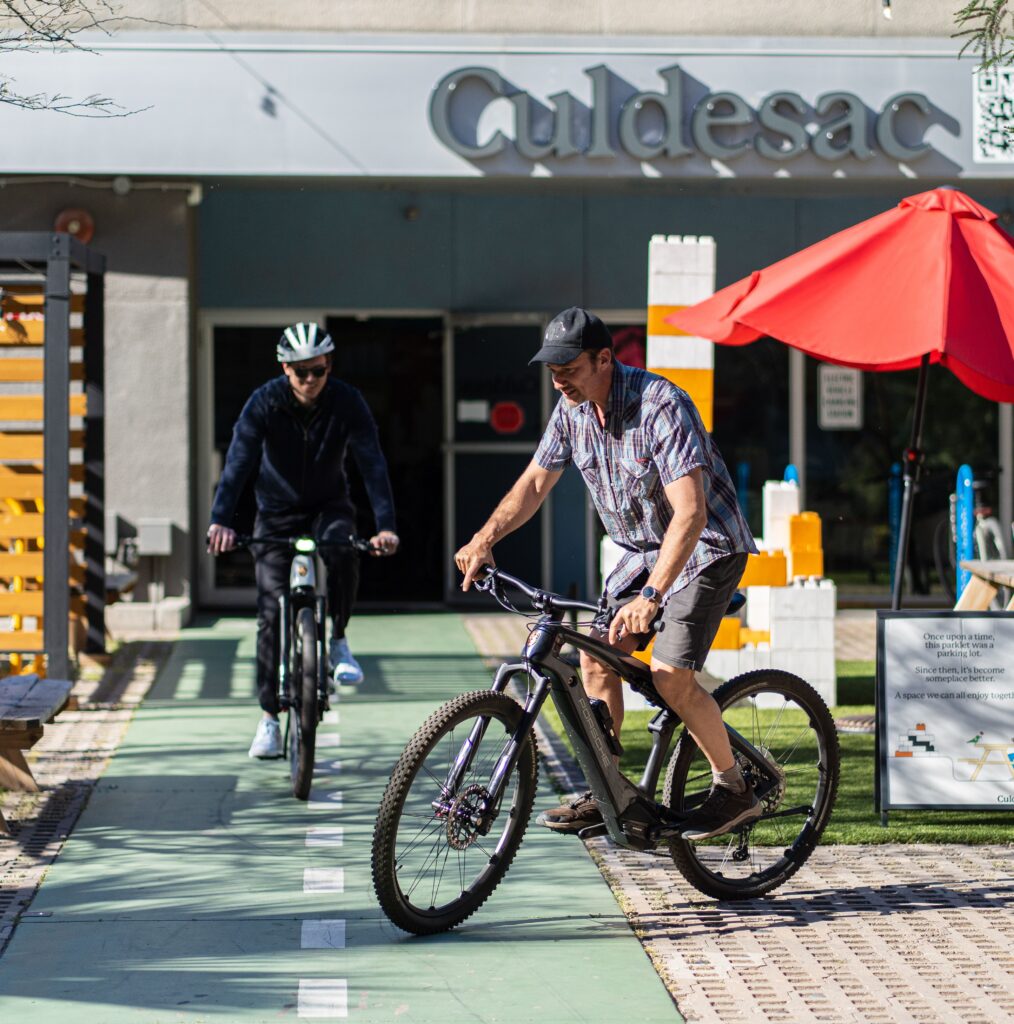
The Challenge of Wasted Space: A Stark Comparison
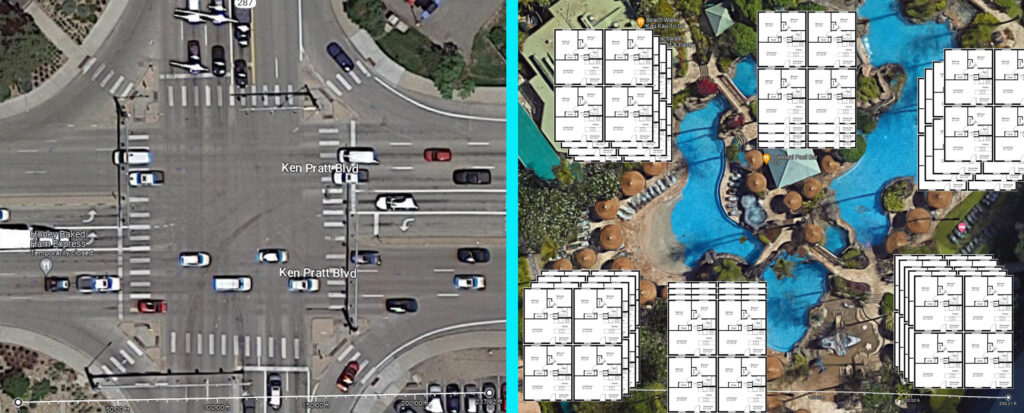
One of the most compelling arguments for people-centric design lies in the sheer inefficiency of car-dependent infrastructure. The space required to accommodate vehicles is enormous and often goes unnoticed. For instance, the area needed for just two parking spaces can be equivalent to a comfortable two-bedroom apartment. This stark comparison highlights a profound misallocation of valuable urban land.
Consider a typical large intersection in any major city, often sprawling across 1.5 acres. This seemingly functional space, designed solely for vehicle flow, could instead house approximately 200 people in "resort-like comfort," complete with amenities such as a pool, a dog park, a grocery store, and several restaurants. These "wasted spaces"—parking lots, wide roads, and complex intersections—dominate the landscape of many American cities, occupying a disproportionate amount of land that could otherwise be used for housing, green spaces, or vibrant community hubs. The problem is cyclical: cities are spread out to accommodate cars, making walking or biking unappealing, which in turn reinforces the perceived need for cars.
Addressing Skepticism: Rethinking Urban Mobility
The concept of a car-free city often elicits skepticism, frequently centered around the question, "But how will we drive our cars?" The fundamental misunderstanding, advocates explain, is that eliminating car-centric infrastructure removes the necessity for extensive car use. When neighborhoods are designed for walkability, with essential services and amenities within easy reach, the reliance on private vehicles diminishes naturally.
In these reimagined urban environments, alternative modes of transport become dominant. Bikes and e-bikes, often faster than cars for urban distances under 15 miles, offer exercise, speed, and enjoyment. Public transit, including light rail and efficient bus systems, provides connectivity for longer distances, often enhanced by dedicated lanes and frequent service. For occasional needs, such as moving large items or trips to remote areas, shared electric vehicle fleets or rideshare services can fill the gap. The goal is not to ban cars entirely but to reduce their necessity to an infrequent exception, making urban movement faster, more affordable, and more enjoyable for everyone.
Culdesac Tempe: A Blueprint for the Future
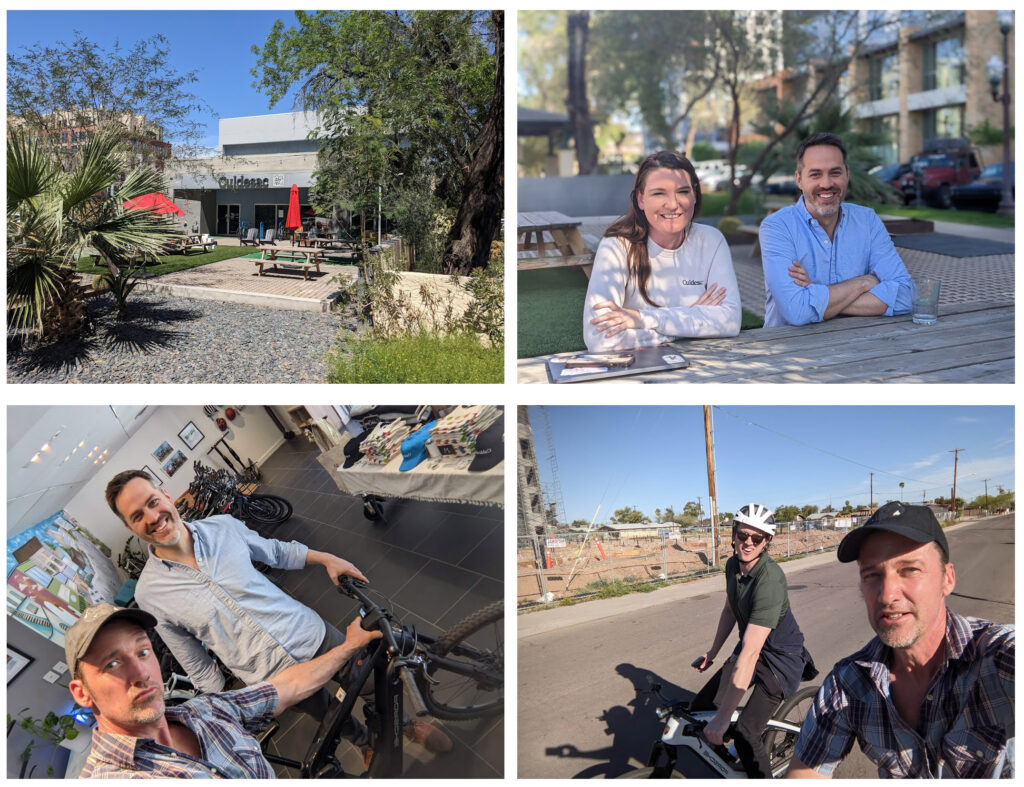
The theoretical arguments for car-free cities are now being brought to life through pioneering projects like Culdesac Tempe, the United States’ first ground-up car-free neighborhood. Located in Tempe, Arizona, within the sprawling Phoenix metropolitan area, this development represents a tangible blueprint for people-centric urbanism.
Chronology and Development: Conceived by founders Jeff Berens and Ryan Johnson, Culdesac Tempe began construction as a bold experiment in sustainable urban living. The project, which is designed to house approximately 1,000 residents across 17 acres, started welcoming its first residents in late 2023. The development required navigating complex local zoning laws and urban planning regulations that historically favor car accommodation, showcasing the determination of its creators to challenge the status quo. The initial phases involved significant community engagement and collaboration with the City of Tempe to secure necessary approvals, demonstrating that such innovative projects are indeed feasible with vision and persistence.

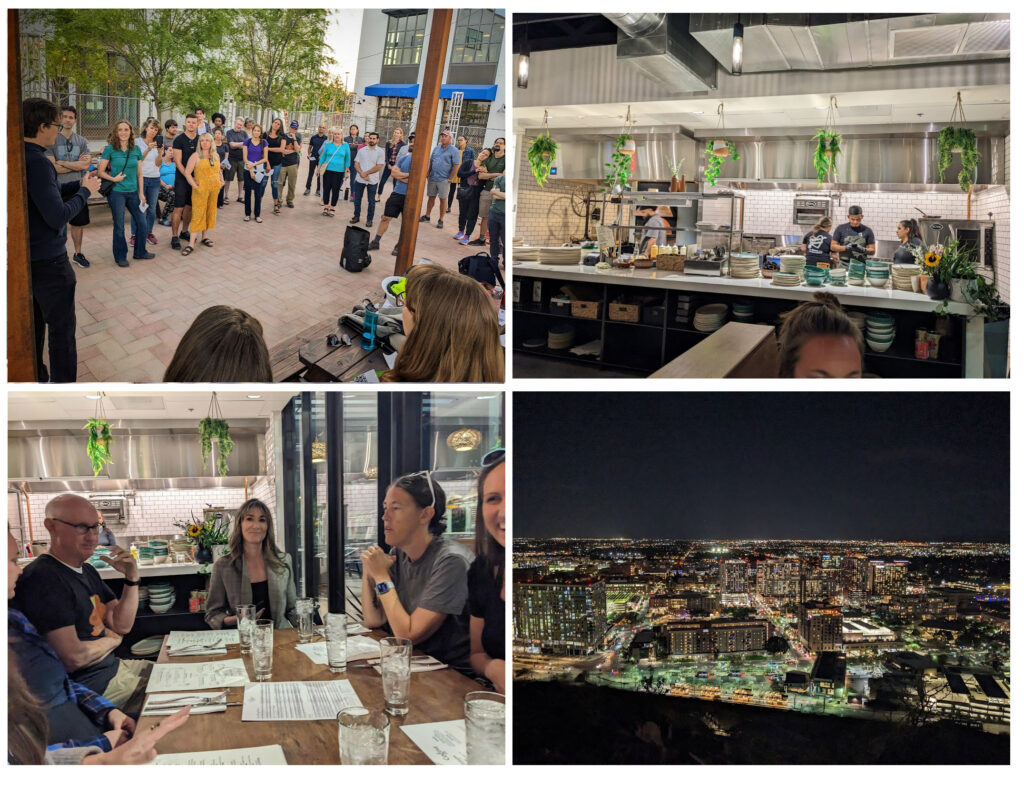
Design Philosophy and Amenities: Culdesac Tempe’s architectural design, often described with Mediterranean influences by firms like Optico Design, prioritizes human experience. Instead of vast parking lots, the space is dedicated to beautiful walking paths, shaded courtyards, and communal gathering areas. The layout strategically integrates daily necessities directly into the neighborhood, eliminating the need for residents to drive elsewhere. This includes a grocery store, a co-working space, various eateries, a fitness center, dog parks, and multiple pools. The design also accounts for Tempe’s hot desert climate, incorporating features like extensive shading, passive cooling elements, and drought-resistant landscaping to create comfortable outdoor environments year-round.
Integrated Transportation Solutions: A cornerstone of Culdesac Tempe is its comprehensive approach to mobility. Every resident receives an annual pass for the local light rail system, which connects the neighborhood to key destinations across the Phoenix metro area, including Arizona State University and Phoenix Sky Harbor International Airport. For shorter distances, a fleet of shared e-bikes and scooters is readily available. For trips outside of transit or bike range, residents have access to a shared fleet of electric rideshare vehicles, further reducing the need for personal car ownership. This multi-modal system empowers residents with flexible and efficient transportation options that align with a car-free lifestyle.
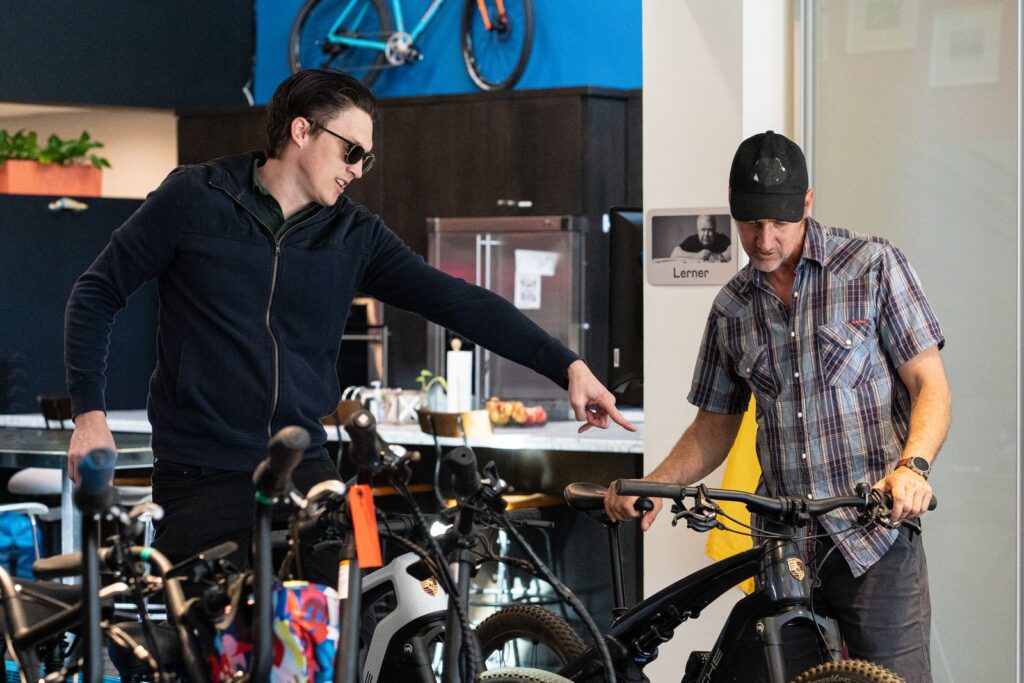
Community and Lifestyle: Beyond the physical infrastructure, Culdesac Temacultivates a vibrant community atmosphere. The abundance of shared spaces encourages impromptu interactions and planned events, fostering a strong sense of belonging among residents. The design promotes a healthier, more active lifestyle, where daily errands become opportunities for exercise and fresh air. As Mr. Money Mustache himself noted after his visit and interviews with the founders and Head of Marketing Blythe Ingwersen, the "feel" of the place, even during construction, was one of joy and ease, starkly contrasting with typical urban sprawl. His personal decision to consider moving there by the end of 2023 underscores the project’s appeal and transformative potential.
Scaling the Vision: Culdesac’s Ambitious Master Plan
Culdesac Tempe is envisioned not as a singular experiment but as the inaugural project in a much larger movement. The company’s ambitious master plan includes:
- Replicating the Model: Developing over 100 similar car-free neighborhoods across the United States within the next decade.
- Strategic Expansion: Identifying underutilized parcels of land, particularly abandoned or underperforming big-box retail parking lots, as prime locations for future developments. These sites are often well-connected by existing infrastructure and can be revitalized into vibrant, mixed-use communities.
- Influencing Policy: Working with city councils and urban planners nationwide to reform outdated zoning laws and parking mandates that hinder people-centric development.
- Becoming a Major Urban Developer: Establishing Culdesac as a leading force in sustainable, human-scale urban development, setting a new standard for how cities are built and inhabited.
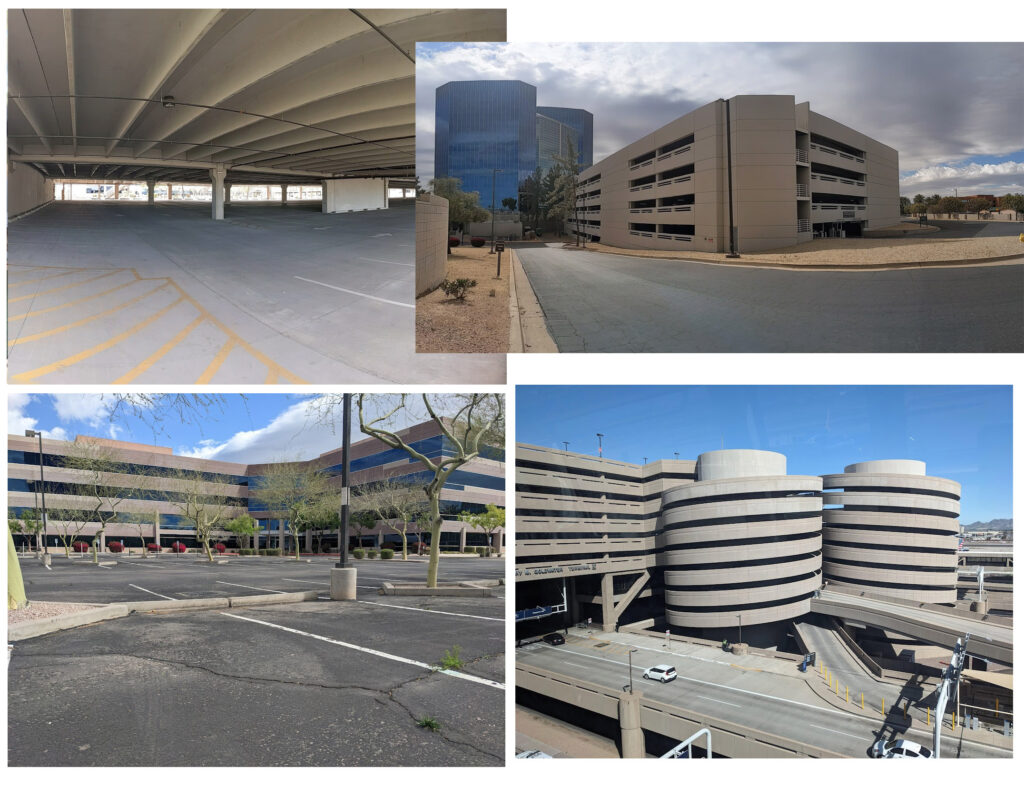
The potential for transforming American urban landscapes by converting just a fraction of existing parking infrastructure into dynamic, walkable communities is immense, as illustrated by early architectural sketches showing what can fit into a single big-box shopping center parking lot.
Navigating the Path Forward: Overcoming Obstacles and Fostering Change
Despite the compelling benefits and initial successes, widespread adoption of people-centric urbanism faces significant challenges. Chief among these are entrenched zoning laws that mandate minimum parking requirements for new constructions, effectively forcing developers to allocate valuable land to cars rather than people. Overcoming this requires sustained advocacy and a willingness from local governments to embrace innovative regulatory frameworks.
Public perception and resistance to change also present hurdles. Many individuals are deeply accustomed to car dependency and may initially view car-free living as an inconvenience or a loss of freedom. Education and demonstration projects like Culdesac Tempe are crucial in illustrating the tangible benefits and superior quality of life these communities offer. Urban planners, community activists, and engaged citizens all have roles to play in advocating for reforms such as eliminating parking minimums, promoting mixed-use zoning, and investing in robust public transit networks. The "Twitter rant on building car-free cities" by collaborator Kevin Dahlstrom, which garnered significant positive feedback, indicates a growing public appetite for such discussions and solutions.
The Global Movement Towards People-First Cities
The vision of people-first cities is not unique to the United States. Across the globe, particularly in Europe, cities have been actively reorienting their urban planning away from automobiles for decades. Cities like Copenhagen, Amsterdam, and Utrecht are renowned for their extensive cycling infrastructure and pedestrian-friendly zones. Barcelona’s "superblocks" initiative, which restricts vehicular traffic to perimeter roads, transforming interior streets into public squares and green spaces, offers another compelling model for retrofitting existing urban areas. These international examples provide valuable lessons and demonstrate the long-term viability and popularity of urban environments that prioritize human experience.
Conclusion
The proposition to immediately switch to building cities around people instead of cars represents one of the most impactful, win-win opportunities of our time. It is an economic and social transformation akin to discovering a simple, universally effective cure for a pervasive chronic illness. The current car-centric paradigm is seen as an unsustainable "diet of Coke and Donuts" for urban health, leading to immense financial drain, environmental degradation, and societal fragmentation. By re-prioritizing human scale, health, and community, cities can become epicenters of prosperity, well-being, and joy. The stakes for personal wealth, national economic strength, environmental sustainability, and overall human happiness could not be higher. The success of pioneering projects like Culdesac Tempe offers a tangible, inspiring glimpse into a future where urban living is fundamentally richer, healthier, and more connected. The question for policymakers, developers, and citizens alike is clear: are we prepared to embrace this transformative vision and build the cities our future deserves?

