
The core tenets of the Financial Independence, Retire Early (FIRE) movement, long championed by proponents like Mr. Money Mustache, are once again under scrutiny as economic landscapes shift dramatically. A recent comment from a reader highlighted a growing perception that the path to FIRE, as often depicted, appears increasingly out of reach for many, particularly those without a history of six-figure tech salaries or pre-2019 homeownership. This critique challenges the movement to adapt its advice to the realities of a post-pandemic world characterized by soaring housing costs, elevated interest rates, and complex urban planning regulations.
The Evolving Landscape of Financial Independence
The reader’s commentary underscored a common sentiment: "While I still find some of MMM’s advice relevant, it seems like every FI blogger out there worked in tech 20 years ago, pulled down a 6 figure salary and bought a house for a bag of potatoes before 2019." This statement encapsulates the anxiety of a generation confronting economic conditions vastly different from those that benefited many early FIRE adopters. For individuals who were not "smart enough to find FI when [they were] young," the traditional advice—such as "house hack" or "buy a fixer-upper"—now seems inaccessible or overly complex. Restrictive zoning laws and high property values in many regions further complicate strategies like converting homes into Accessory Dwelling Units (ADUs) or multi-unit properties, or even living in alternative structures on privately owned land.
This perception is not entirely unfounded. The early 2000s, when many influential FIRE bloggers began their journeys, offered a different economic environment. Interest rates were generally lower, housing markets in many areas were more affordable relative to median incomes, and the burgeoning tech sector provided lucrative opportunities for high earners. This confluence of factors allowed for aggressive saving rates and rapid accumulation of assets, particularly through real estate investments. As the movement gained traction, these success stories, while inspiring, inadvertently set a benchmark that is now difficult to replicate.

Income Disparity and Wealth Building: A Nuanced View
A significant component of the reader’s critique centers on income, specifically the prevalence of high salaries among early FIRE advocates. While acknowledging that some professions inherently offer higher compensation, and advocating for career advancement, the Mr. Money Mustache philosophy typically emphasizes that income alone does not guarantee financial security. Data consistently supports this assertion. The U.S. Bureau of Labor Statistics (BLS) shows that while average wages have seen increases, particularly in skilled sectors, real wage growth for many Americans has been modest over the past few decades when adjusted for inflation. Yet, many high-income earners still face financial stress, a phenomenon that underscores the movement’s focus on spending habits.
Financial analysis reveals that the ability to "waste almost any amount of income" is a critical factor in stalled wealth accumulation. A 2023 report by Fidelity Investments indicated that a significant portion of high-income earners (those making over $200,000 annually) still carry substantial consumer debt, demonstrating that lifestyle inflation can quickly erode the benefits of a large salary. This highlights the Mustachian emphasis on "streamlining spending and living joyfully and efficiently without compromise," focusing on reducing waste to maintain or even enhance quality of life. These principles, proponents argue, are not merely supplementary but foundational, becoming even more crucial for individuals across the income spectrum, especially those not earning six-figure salaries.
The Housing Conundrum: A Data-Driven Perspective
The most pressing concern raised by the reader is the dramatic increase in housing prices and interest rates since 2019. To address this, it is essential to examine the data. The Federal Reserve Bank of St. Louis (FRED) provides invaluable insights into real estate trends. Inflation-adjusted U.S. house prices have indeed risen significantly. According to FRED data, house prices felt approximately 25% more expensive at the start of 2024 compared to early 2019, relative to average salaries and the overall cost of goods and services.
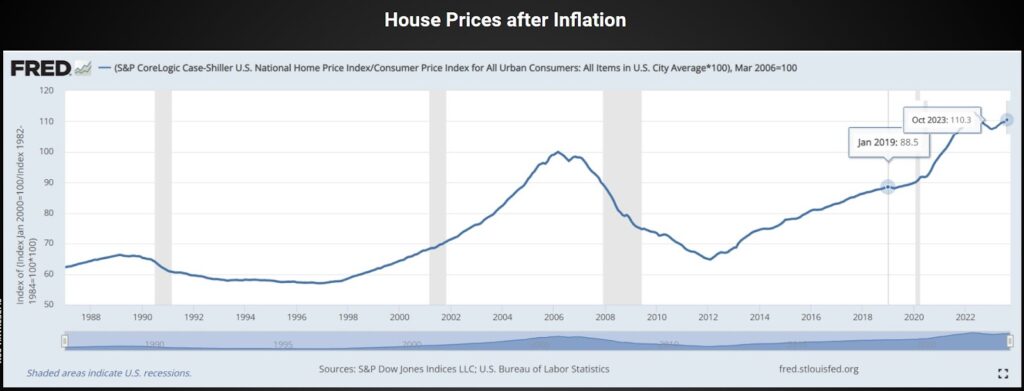
However, a longer historical perspective offers additional context. Despite the recent surge, inflation-adjusted prices were only about 10% higher than their peak in early 2006, nearly two decades prior. This suggests that while the recent spike is challenging, the current market, in a broader historical sense, is not unprecedented in its peak valuations. The median existing-home sales price in the U.S. reached a record high of $419,300 in May 2024, according to the National Association of Realtors (NAR), up 5.8% from the previous year. This rapid appreciation, coupled with elevated mortgage rates (which peaked around 8% in late 2023 before moderating slightly), has severely impacted affordability.
It is crucial to note that national averages can mask significant regional disparities. Highly desirable urban centers and popular migration destinations have experienced far more dramatic increases. For instance, the median home price in Longmont, Colorado, cited in the original article, has soared to $540,000, roughly triple its price in 2011. This represents a much faster appreciation than the average salary growth in the region, placing homeownership significantly further out of reach for the typical resident. This localized escalation underscores the need for strategies that acknowledge and adapt to such concentrated market pressures.
Geographic Arbitrage: A Core Mustachian Principle Reimagined
In response to the localized housing crisis, the Mustachian philosophy proposes a counter-cultural approach: geographic arbitrage. This strategy involves consciously choosing a location where the cost of living aligns better with one’s financial goals and lifestyle preferences. This entails a fundamental shift from viewing one’s current location as an immutable circumstance to seeing it as a choice.
The process involves a methodical evaluation:
- Define Needs vs. Wants: What amenities, community features, and environmental factors are truly essential?
- Research Alternatives: Explore various cities or regions, both domestically and internationally, that might offer a better cost-to-value proposition.
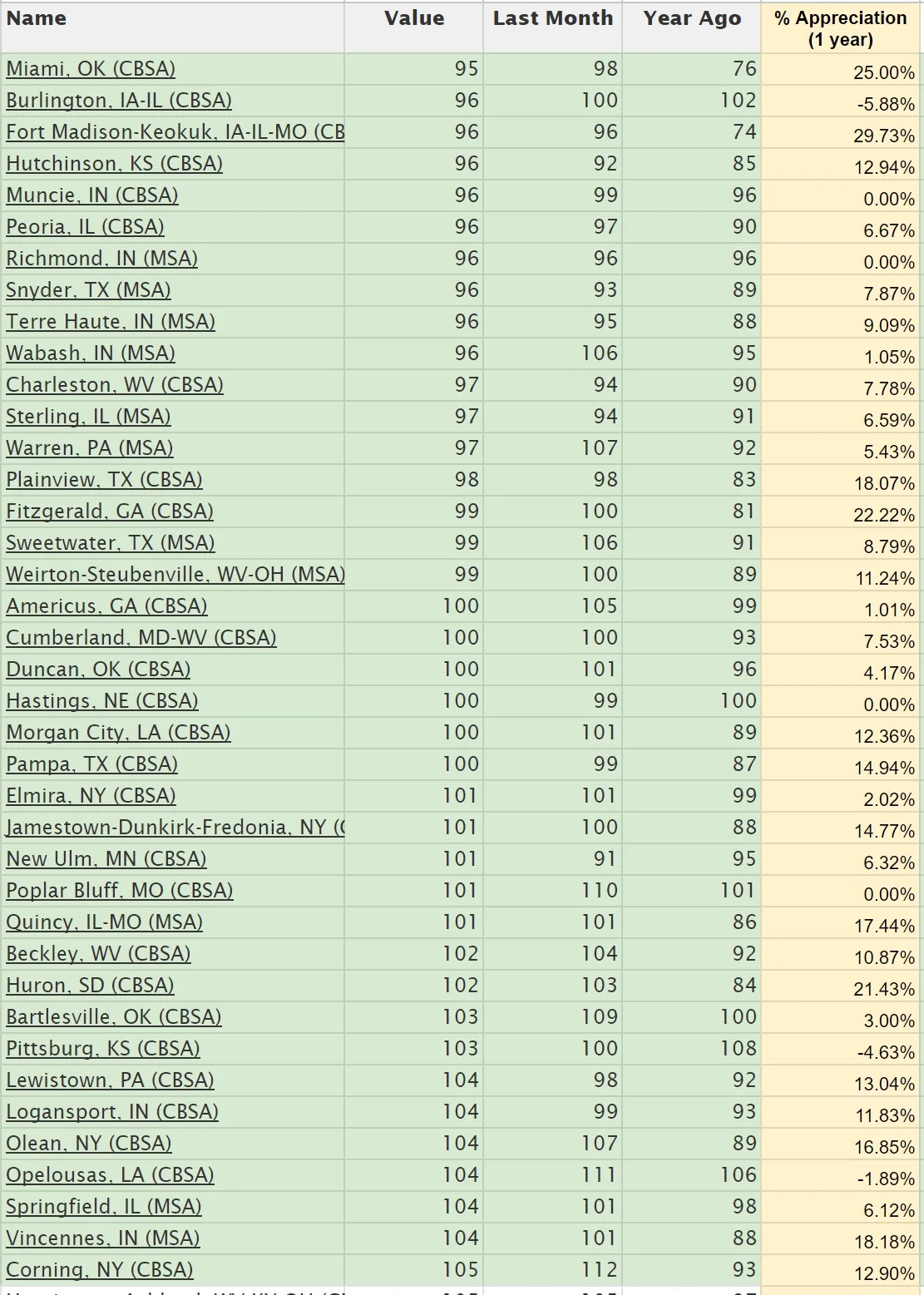
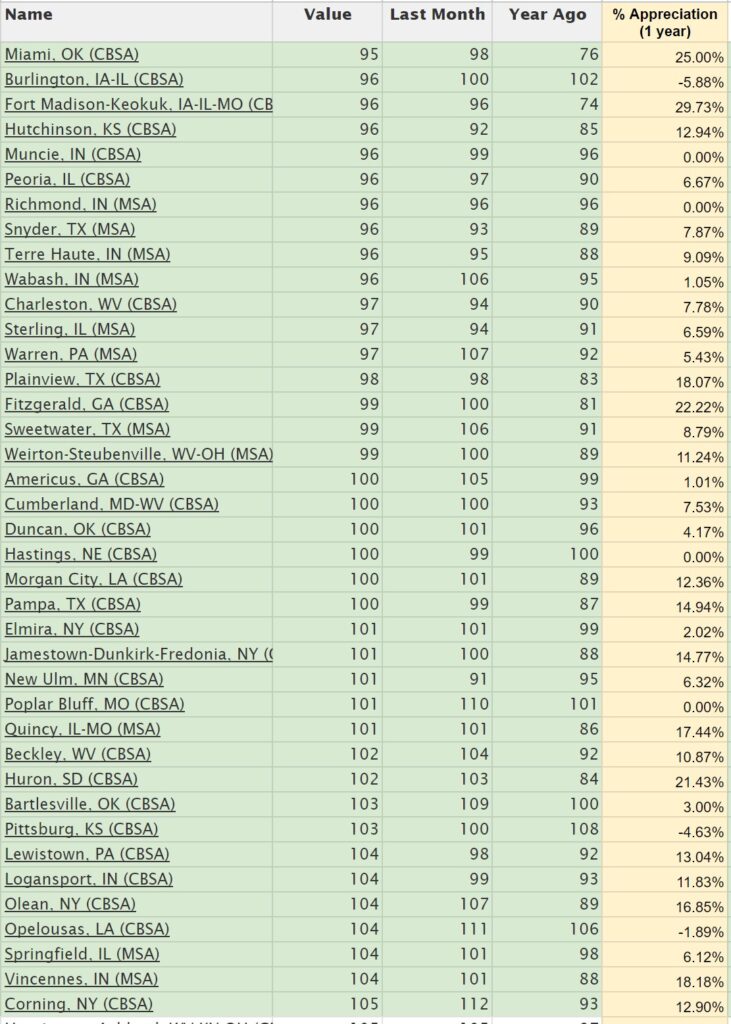
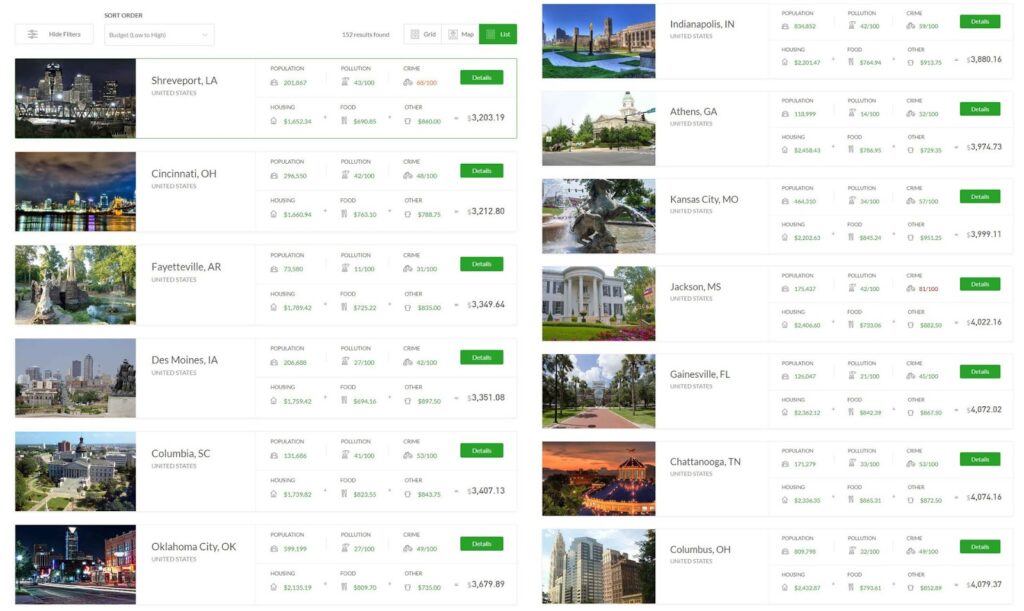
- Analyze Data: Utilize tools like FRED’s metropolitan area data, which provides price per square foot metrics, and "The Earth Awaits," a FIRE blogger-created site that allows users to filter locations by budget, family size, housing type, and climate preferences.
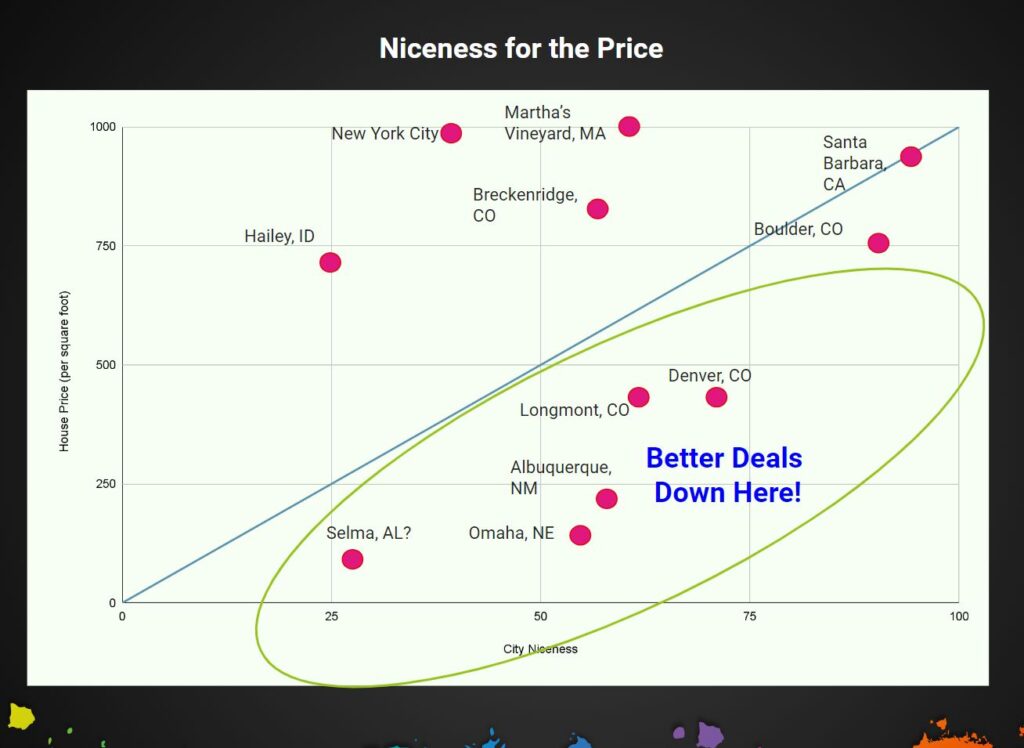
For example, a hypothetical analysis comparing Longmont, Colorado ($450/sq ft) with other cities might reveal options like Albuquerque, New Mexico, offering lower costs, or Denver, providing comparable amenities at a similar price point if one were willing to move within the same state. More broadly, sorting FRED data by cost per square foot reveals numerous cities where a 2,000 sq ft home could be purchased for around $200,000 ($100/sq ft), a stark contrast to the higher-cost regions. These locations, while requiring diligent research and potentially a visit, represent tangible opportunities for significantly reducing housing expenses.
Overcoming Inertia: The Psychology of Relocation
The concept of relocation, especially across states or international borders, often triggers defensiveness due to deep-seated ties to current locations. However, the Mustachian perspective distinguishes between genuine positive bonds and mere "fear of change" or inertia. Behavioral economics often highlights how status quo bias can prevent individuals from making optimal decisions, even when clear financial and lifestyle benefits are presented.
The irrational patterns of house prices across the country—ridiculously high in some places, remarkably affordable in others—create significant arbitrage opportunities. This uneven distribution, often correlated with but not perfectly dictated by perceived "niceness" (which is subjective), is where the strategic opportunity lies. For instance, while Longmont has appreciated significantly, other cities like Fayetteville, Arkansas; Columbia, Missouri; or Athens, Georgia, identified through tools like The Earth Awaits, offer a desirable blend of population size, amenities, and lower cost of living. Even a move within a city to a neighborhood with better walkability or closer proximity to work or nature can yield substantial lifestyle and financial benefits.
Global Horizons: Expanding the Search
The principles of geographic arbitrage extend beyond national borders. Exploring international options, particularly in regions like South America, can unveil drastically different cost-of-living structures. A search on "The Earth Awaits" for South American locations, with similar parameters to a domestic search, reveals cities like Medellín, Colombia; Cuenca, Ecuador; or Montevideo, Uruguay, offering monthly budgets significantly lower than many North American counterparts for a comfortable lifestyle.
While international relocation introduces complexities—navigating citizenship, visas, laws, traditions, and maintaining connections with one’s home country—these are framed as "Adulting Puzzles" rather than insurmountable obstacles. Financial strategists often point out that the initial "hassle" of paperwork and logistical planning pales in comparison to the long-term "hassle" of working an extra decade or more to afford an expensive locale. The experience of Mr. Money Mustache himself, having immigrated from Canada to the U.S. in his early twenties, serves as an example of successfully navigating such challenges. This perspective encourages individuals to view these hurdles as opportunities for personal growth and expanded horizons, ultimately leading to a more efficient and fulfilling life.
Future of FIRE: Adaptability and Innovation
The enduring relevance of the FIRE movement hinges on its adaptability. While the economic conditions of the early 2000s may not be replicable, the fundamental principles of intentional spending, conscious saving, and strategic investment remain timeless. The current environment demands greater creativity and a willingness to challenge conventional norms, particularly regarding housing and location.
The conversation initiated by the reader’s critique is vital for the evolution of FIRE. It compels current and future financial independence advocates to diversify their strategies, acknowledge varied starting points, and highlight actionable solutions for a broader audience. The emphasis shifts from a singular, linear path to a multifaceted approach that embraces geographic flexibility, innovative housing solutions (where possible), and a relentless focus on reducing waste across all aspects of life.
The call for new voices and approaches within the FIRE community is a testament to its dynamic nature. Sharing successful strategies for identifying affordable and desirable locations, navigating relocation, and optimizing living costs in challenging economic climates will be crucial. By fostering a collaborative environment where individuals share "favorite cities and countries for good living" and "useful techniques for scoping them out," the movement can continue to empower more people to achieve financial independence, regardless of their starting point or the prevailing economic winds. The underlying message remains clear: housing, like most aspects of life, is ultimately a choice, and thoughtful, data-driven decisions in this area can profoundly impact one’s journey toward financial freedom and a well-lived life.

