
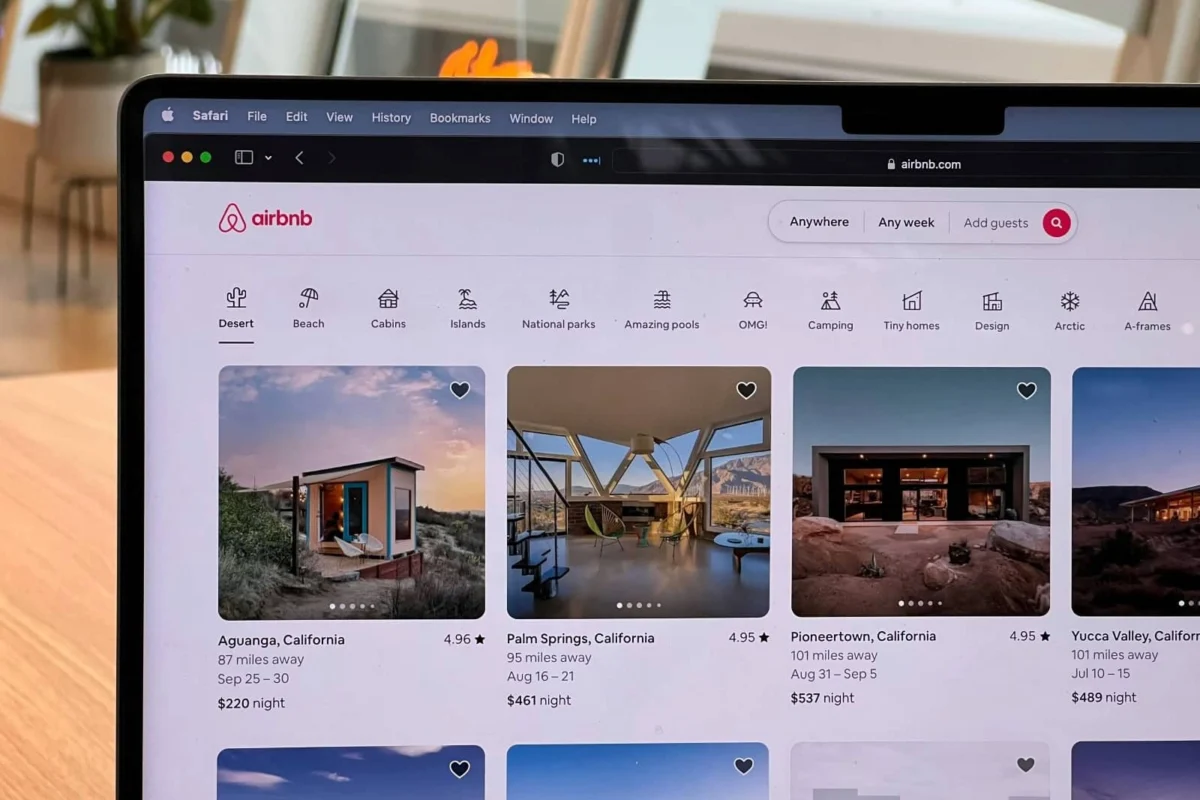
Brian Chesky’s Summer 2026 release event, while generating buzz around ambitious expansions into car rentals and boutique hotel partnerships, saw its most transformative announcements quietly integrated into the platform’s core booking experience. Four sophisticated AI-driven features, largely overlooked in the initial wave of coverage, are poised to fundamentally reshape how properties secure bookings and how hosts and property managers strategize for success. These advancements signify a profound shift from broad platform features to hyper-personalized listing interactions, moving Airbnb further into an era where data-driven optimization is paramount.
The event, held on [Insert Date, e.g., June 15, 2026], showcased a multi-faceted vision for Airbnb’s future. While CEO Brian Chesky highlighted the integration of new verticals such as car rentals, the expansion of the boutique hotel collection, and the introduction of grocery delivery services aimed at enhancing the guest experience, the underlying technological enhancements represent a more seismic shift for the platform’s core rental business. The guest-facing innovations, though significant, serve as a veneer for a deeper, AI-powered transformation that will directly impact property visibility and conversion rates.
At the heart of this transformation lies Airbnb’s strategic deployment of artificial intelligence at the individual listing level. This is not a platform-wide overhaul, nor a categorical adjustment; rather, it is a granular personalization engine that tailors the content a specific guest encounters on a property page. This means that the photos highlighted, the reviews surfaced, and the persuasive elements presented to encourage a booking will now dynamically adapt based on Airbnb’s AI-driven understanding of each individual guest’s profile, preferences, and trip intent. The same property, with its fixed data points, will present a distinct narrative to every visitor, a paradigm shift that redefines the very concept of listing optimization.
This nuanced approach to guest engagement moves beyond static property descriptions and curated amenity lists. It mandates a complete re-evaluation of how hosts and property managers present their offerings. The implications are far-reaching, demanding a proactive strategy that leverages rich, detailed content to feed the AI’s personalization engine.
The Unseen Architects of Conversion: Four AI Features Redefining the Booking Landscape
While the headlines focused on tangible new services, Airbnb’s Summer 2026 release quietly introduced four AI-powered features that will dictate the success of short-term rental properties in the coming years. These are not mere enhancements; they are fundamental changes to the discovery and decision-making processes of potential guests.
Feature 01: Personalized Listing Highlights
Airbnb’s new AI capabilities enable dynamic emphasis on different aspects of a listing page, tailored to each guest’s specific trip purpose and known preferences. For instance, a family traveling with children might see the extra bedroom and the backyard prominently featured, while a digital nomad seeking a remote work setup will have the high-speed Wi-Fi and dedicated workspace highlighted. This personalization is achieved not by hosts creating multiple versions of their listings, but by Airbnb’s AI intelligently serving different aspects of a single, comprehensive listing to different users.
The practical implication is that every attribute of a property now holds potential relevance for a segment of travelers. Incompleteness in descriptions, sparse amenity lists, or the omission of key details previously considered minor can now create significant blind spots, hindering a property’s ability to connect with its ideal guest. A listing that previously might have been overlooked due to a lack of specific detail about its suitability for remote work could now be missed entirely by a digital nomad whose needs are not adequately addressed by the AI’s current data.
Feature 02: AI-Curated Review Highlights
With a database exceeding one billion reviews, Airbnb is now leveraging AI to intelligently surface specific reviews and, more critically, the precise language within those reviews that directly addresses a guest’s stated or inferred needs. This sophisticated system moves beyond generic review summaries. Instead, it provides targeted social proof, meticulously organized around a property’s strongest attributes and personalized for each visitor.
The quality and comprehensiveness of a property’s reviews are now active conversion assets. Properties with limited or superficial review coverage on key attributes will be at a significant disadvantage. They will not only appear less appealing due to a lack of positive feedback but may become effectively invisible on those specific dimensions when a guest is seeking that particular feature or benefit. For example, if a guest prioritizes a quiet environment, and a property’s reviews rarely mention its tranquility, the AI may not surface those positive mentions, even if they exist.
Feature 03: "Ask About the Home," Answered by Your Content
A significant advancement in guest-host interaction is the introduction of the "Ask About the Home" feature. Guests can now pose natural-language questions about any property, and Airbnb’s AI will generate answers by drawing information from the property’s existing reviews, photographs, and map data. Questions such as, "Is there a hiking trail nearby?" or "Does the backyard offer sufficient shade?" or "Is the kitchen adequately sized for a group of six?" will now be answered directly within the platform.
Previously, such inquiries often led to guests leaving the platform to search Google Maps or sending unanswered questions to hosts, potentially resulting in lost bookings. Now, Airbnb acts as an intelligent intermediary, sourcing information directly from the host’s provided content. The success of this feature hinges on the completeness and clarity of the listing’s data. If the relevant photo or review is present and informative, the AI can provide a satisfactory answer. Conversely, if the information is missing, the question may go unanswered, increasing the likelihood of a guest not proceeding with a booking.
Feature 04: AI-Generated Listing Comparisons
When a guest curates a wishlist of multiple properties, Airbnb now presents them with an AI-generated comparison. This is not a simple checklist of amenities. Instead, it is a personalized case made for each property, highlighting key differentiators based on the guest’s inferred preferences, dominant review themes, and other relevant distinguishing factors.
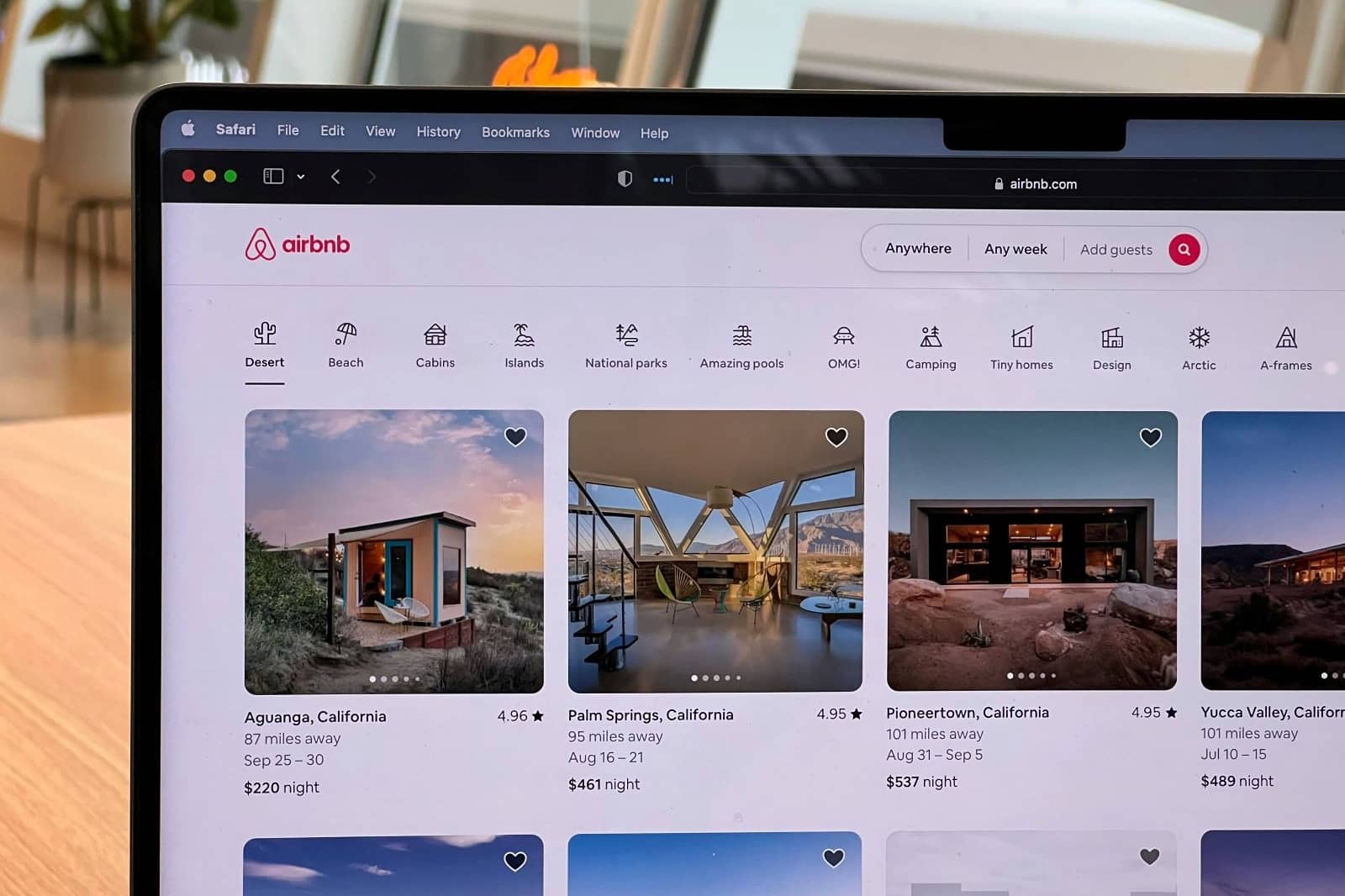
This feature elevates the competition beyond mere price points or star ratings. Hosts and property managers are now in a contest to have Airbnb’s AI effectively advocate for their listing. Properties that provide richer, more comprehensive data are better positioned to "win" these AI-generated arguments, as the algorithm has more substantive material to draw upon when making a comparative case to the potential guest.
The Strategic Imperative: Data-Driven Optimization in the AI Era
The fundamental shift occurring within Airbnb’s platform underscores a critical reality: passive listing management is no longer viable. Properties that actively provide the AI with abundant, high-quality data will emerge as the frontrunners in securing bookings. This necessitates a strategic overhaul of listing content, moving beyond basic descriptions and aesthetics to a more data-centric approach.
For individual hosts, this means viewing listing descriptions, photo captions, amenity details, and even the house manual as crucial training data for the booking engine. Vague or generic content will yield similarly vague results, leading to reduced visibility. Conversely, specific, rich, and multi-dimensional content is more likely to be surfaced by the AI to the right guests at the opportune moment.
Property managers will need to recalibrate their review strategies. The focus must extend beyond achieving high star ratings to encouraging detailed, attribute-specific reviews. Feedback that specifically mentions desirable features such as "fast Wi-Fi," a "quiet street," or "proximity to the beach" is now actively indexable and surfaceable content. Post-checkout guest communication should be designed to solicit these granular details, transforming them into valuable assets for the AI.
Furthermore, the strategy surrounding property photography is being fundamentally reshaped. It is no longer sufficient to possess aesthetically pleasing images. Hosts must now prioritize photos that are functionally informative, visually answering common guest queries. This includes showcasing the setup of workspaces, the ambiance of the backyard, or the practicalities of the parking situation. Airbnb’s AI can now reference these visual elements in real-time responses to guest inquiries, making photo content a critical component of the AI’s decision-making process.
The Broader Context: Leveraging Data Density for Competitive Advantage
The developments at Airbnb’s Summer 2026 release are not merely incremental product updates; they are the logical culmination of a long-term strategy initiated by Brian Chesky to build the most comprehensive data profile on guests and hosts within the travel industry, and then to activate that data. The platform has now achieved a critical mass of data density concerning guests, properties, and booking patterns, enabling personalization at a scale that individual hosts or property managers cannot manually replicate.
The good news for existing hosts is that the data advantage Airbnb is building is derived from their own content – their reviews, their photos, their listing details. Hosts who have diligently cultivated rich, detailed, and honest listings over the past several years are now in possession of a significant competitive asset. Conversely, those who treated their listing as a perfunctory task are now exposed to the limitations of their data.
This juncture marks a critical moment for hosts and property managers to audit their listings, not just for aesthetic appeal, but for informational depth. Key questions to address include: What attributes exist within the property that have not been adequately described? What common guest questions could current photos answer but currently do not? Are there critical review themes for which coverage is lacking?
The booking algorithm has evolved into a sophisticated sales engine. For hosts and property managers to succeed, their listing content must evolve in tandem.
Conclusion: The Future of Bookings is Personalized and Data-Rich
Airbnb has fundamentally transformed the booking process into a fully personalized experience. The platform now leverages a property’s reviews, photographs, and listing data to construct a real-time persuasive argument, or conversely, to highlight deficiencies, for each potential guest.
In this new landscape, hosts and property managers who recognize their listing content as a strategic asset will be best positioned to secure increased bookings. Those who fail to adapt will find themselves increasingly invisible, not due to any inherent inferiority of their properties, but because their data offerings are less substantial. The algorithm is now performing the sales function, and it is imperative for property owners to ensure they have provided it with sufficient, high-quality material to effectively champion their offerings. The era of passive listing management is over; the era of AI-driven, data-rich content optimization has definitively begun.

