
Mr. Money Mustache, the influential figurehead of the Financial Independence, Retire Early (FIRE) movement, recently addressed persistent criticisms that his considerable wealth has alienated him from the financial struggles of the "common person" and rendered his money-saving advice obsolete. Far from abandoning the principles that brought him financial freedom, the blogger, whose real name is Pete Adeney, asserts that his foundational practices of efficiency, creativity, and self-improvement remain deeply ingrained in his daily life, not as sacrifices but as sources of genuine enjoyment and continued prosperity. This defense comes as a direct response to a common refrain among some former readers: "Until he got all rich and fancy so that he no longer understands the common person’s plight. Stash probably doesn’t even practice any of these money-saving things he preaches any more!" Adeney dismisses these claims as misunderstandings inherent to public life, arguing that a closer look at his lifestyle and that of his dedicated "Mustachian" community reveals the enduring efficacy and intrinsic rewards of his philosophy.
The Genesis of Mustachianism: More Than Just Budgeting
For over a decade, Mr. Money Mustache has captivated millions with his blunt, often humorous, yet profoundly practical advice on achieving financial independence. His blog, launched in 2011, became a cornerstone of the FIRE movement, advocating for aggressive savings rates, minimalist consumption, and a radical re-evaluation of societal norms around work and spending. The core tenet of Mustachianism isn’t merely about cutting costs; it’s a lifestyle philosophy that champions self-sufficiency, resourcefulness, and a conscious rejection of consumerism. Adeney, who retired from a software engineering career at age 30, built his reputation on demonstrating how early retirement could be achieved through disciplined savings and a deliberate reduction of expenses, primarily by optimizing major cost centers like housing, transportation, and food.
His approach stands in stark contrast to what he terms "Standard Advice," which often suggests a simple formula of slashing spending to hit a savings percentage, implying that beyond this, personal choice reigns supreme, and increased income merely lessens the need for sacrifice. This often leads to "FatFIRE" aspirations where wealth is accumulated to sustain a high-spending lifestyle in retirement. Mustachianism, however, posits a more holistic view: "Cultivate a love of efficiency, creativity, self awareness, and self improvement. Use this knowledge to improve your life in all ways, including those which help you live better even as your monthly expense rate drops over time." This distinction highlights that for Adeney and his followers, frugality is not a temporary hardship but a path to a more fulfilling and empowered existence, regardless of one’s net worth.
Dispelling the "Rich and Fancy" Myth: Current Practices
Despite his significant financial success—a common outcome for many early FIRE adherents whose investments have compounded over time—Adeney insists that his fundamental spending habits have remained largely unchanged. He attributes this consistency to having already cultivated an enjoyable and efficient life before accumulating substantial wealth. To illustrate this, he offers several examples from his present-day life, activities he pursues out of genuine enjoyment that simultaneously yield significant financial savings. These practices, he calculates using his "rule of 172" (multiplying a monthly expense by 172 to estimate its compounded value over ten years), demonstrate substantial long-term financial benefits.
1. Home Maintenance and Self-Sufficiency: A Quarter-Million-Dollar Decade
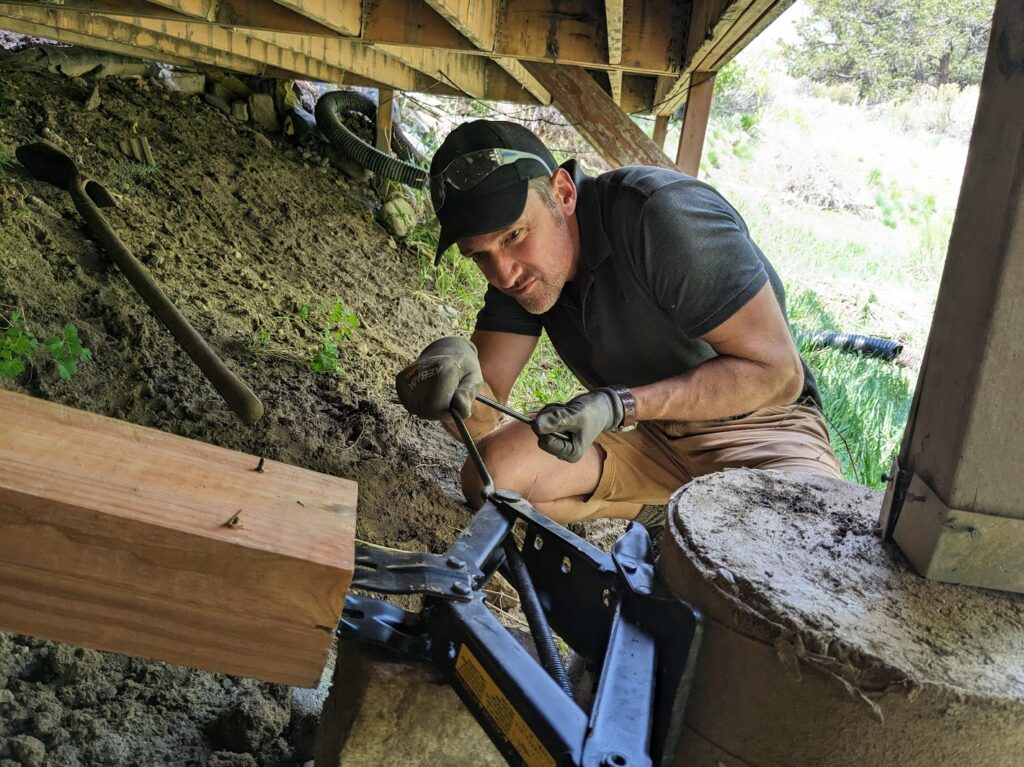
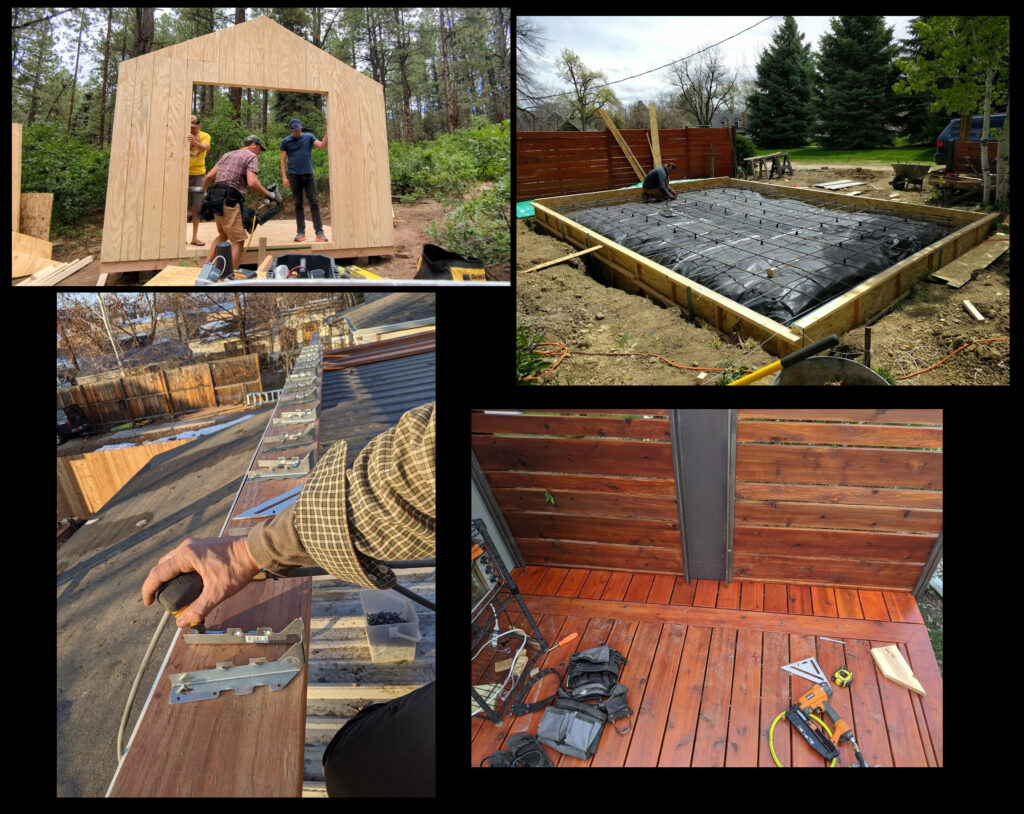
At the forefront of Adeney’s continued frugal practices is his dedication to self-sufficiency, particularly in home maintenance and improvement. He embraces the philosophy of "Become a Producer of the Things You Most Enjoy Consuming." With a reported love for houses and a knack for problem-solving, he spends much of his free time redesigning and repairing his own properties and those of friends. This hands-on approach extends to teaching others, fostering a sense of empowerment and reducing reliance on external contractors.
The financial implications are considerable. According to industry estimates, homeowners typically spend between 1% and 4% of their home’s value annually on maintenance and repairs, translating to thousands of dollars each year for the average U.S. household. For a home valued at $400,000, this could mean $4,000 to $16,000 in annual expenses. By performing the majority of this work himself, Adeney estimates an average annual saving of $20,000. Compounded over a decade, this equates to an impressive $287,000 in wealth preservation and growth, highlighting the substantial financial leverage gained from acquired practical skills.
2. The Power of Community and Secondhand Economies: Over $40,000 in Savings
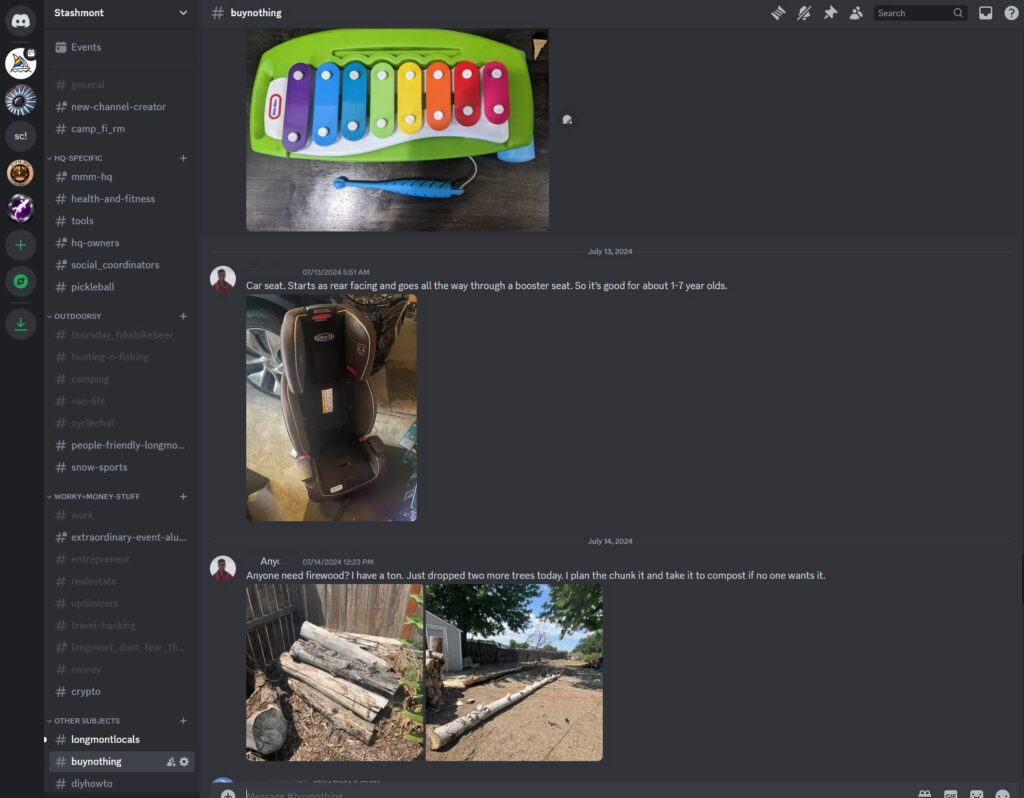
Adeney champions the use of platforms like Craigslist, Facebook Marketplace, and local "Buy Nothing" groups as superior alternatives to purchasing new items. This approach not only saves money but also fosters community connections and reduces waste. His local "MMM-HQ community" utilizes a Discord server for sharing resources, offering assistance on DIY projects, and facilitating the exchange of goods. This network allows members to acquire high-quality items for free or at significantly reduced prices, simultaneously decluttering their homes and helping others.
The rise of the sharing economy and second-hand markets reflects a growing consumer trend towards sustainability and cost-effectiveness. By actively participating in these networks, Adeney estimates a personal saving (and earning through selling unused items) of several thousand dollars annually. Conservatively, this translates to an estimated $42,000 saved per decade, underscoring the financial and social benefits of community-driven consumption.
3. Embracing Active Transportation: $14,000 Saved and Enhanced Well-being
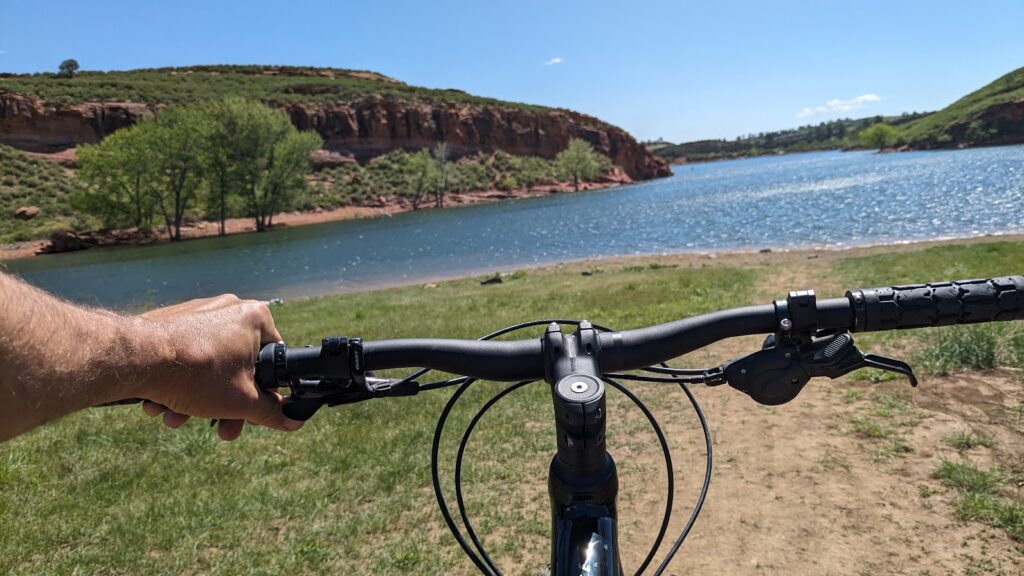
A foundational tenet of Mr. Money Mustache’s advice has always been the prioritization of bicycles and walking over car usage. His seminal article, "The True Cost of Commuting," famously detailed how cars cost upwards of 50 cents per mile, primarily due to depreciation and maintenance, overshadowing fuel costs. Despite his wealth, Adeney continues to use active transportation for approximately 95% of his local trips. Living in a small, centrally located city facilitates this, resulting in about 2,000 miles traveled actively each year.
While the direct financial savings from this habit might appear modest compared to other categories, estimated at $14,000 per decade, the broader implications are profound. The American Automobile Association (AAA) reported the average annual cost of owning and operating a new vehicle in 2023 to be over $12,000. By significantly reducing car dependency, Adeney avoids a substantial portion of these recurring expenses. More importantly, active transportation inherently integrates physical activity into daily life, yielding invaluable health benefits that extend far beyond monetary calculations.
4. Prioritizing Physical Activity and Health: A Decade-Long Gain of $140,000
Adeney consciously opts for physical exertion whenever possible, choosing stairs over elevators, running golf courses instead of using carts, and performing manual labor like moving furniture, shoveling snow, and raking leaves rather than employing machines or professional services. This commitment to "Muscle over Motor" is framed as a direct investment in health and fitness, driven by the simple question: "Do you want MORE health and fitness, or LESS?"
While quantifying the exact financial savings from this lifestyle choice is challenging, the long-term health benefits are undeniable. The Centers for Medicare & Medicaid Services reported that U.S. healthcare spending reached $4.5 trillion in 2022, averaging over $13,000 per person annually. By maintaining robust physical health through consistent activity, Adeney reports minimal lifetime costs due to illness or medication. Conservatively estimating $10,000 in annual savings from avoided healthcare expenses and increased productivity due to higher energy levels, this translates to an estimated $140,000 per decade. This figure underscores the immense financial and personal dividends of a proactive approach to well-being.
5. Sustainable Home Management: The "Glamping Retreat" Approach to Energy Efficiency
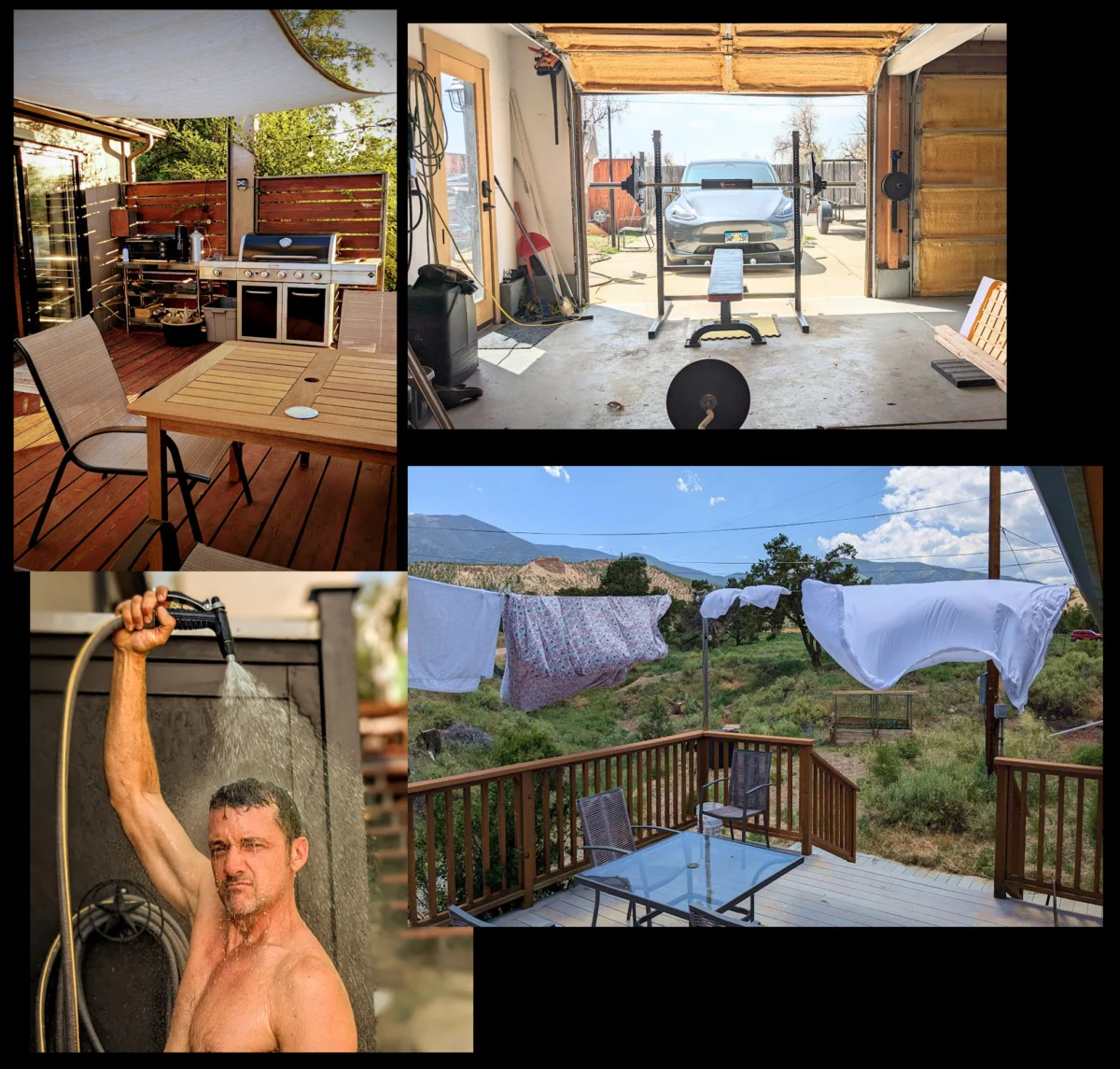
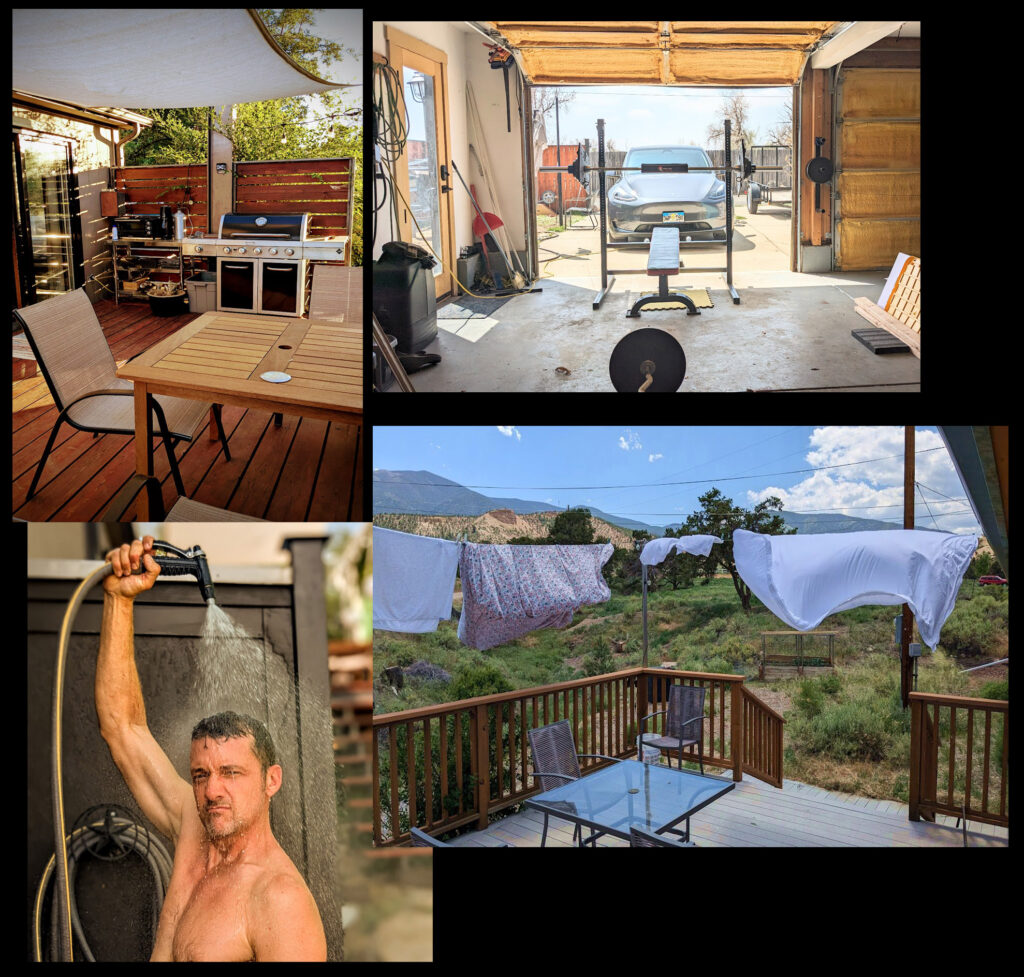
Adeney’s home operates as an "Energy Efficiency Playground," a testament to his engineering, carpentry, and "mad scientist" inclinations. His approach involves a blend of large-scale structural modifications, such as installing passive solar windows and sliding doors on the south side of his house for free winter heating, and smaller, everyday habits. These include drying clothes on a line, using outdoor showers in warm weather, maintaining cool indoor temperatures, cooking outdoors, and even utilizing a homemade gym.
While these practices might seem extreme to some, they contribute to significantly lower utility bills. The average combined gas and electric bill in his area is about $250 per month, whereas his usage totals approximately $75. This monthly saving of $175, when compounded, amounts to an estimated $30,000 per decade. Beyond the financial savings, Adeney emphasizes the profound enjoyment derived from living "at one with the seasons" and constantly optimizing his living space, transforming energy conservation into a fulfilling hobby rather than a chore. This approach also aligns with broader environmental goals, reducing his household’s carbon footprint.
6. The Value of Local Living Over Constant Travel: $143,000 Per Decade in Benefits
In an era where frequent travel is often equated with a rich life, Adeney advocates for a more balanced approach, prioritizing "Local Living over Constant Travel." He observes many friends expressing regret over missing local events due to extensive travel plans. His philosophy encourages saying "no thanks" to excessive travel and "yes please" to opportunities for home-based engagement.

The benefits extend beyond direct cost savings. Staying local fosters stronger community ties, supports local businesses, reduces environmental impact (particularly from air travel), and cultivates a deeper appreciation for one’s immediate surroundings. The U.S. Travel Association reports that Americans spent over $1.2 trillion on travel in 2023. By choosing to replace just two weeks of family travel with quality time at home, a family of four could realistically save $5,000 in direct costs annually. Furthermore, the incidental benefits, such as improved health from local activities and strengthened local friendships, could add another $5,000 per year in value. This conservative estimate suggests a staggering $143,000 increase in wealth per decade from a more discerning approach to travel. While acknowledging travel’s intrinsic value for broadening horizons, Adeney emphasizes the importance of balancing it with the often-overlooked richness of home life.
Cumulative Impact and Broader Implications
Taken collectively, these six habits, maintained by Mr. Money Mustache even in his wealthy state, compound to an estimated $656,000 every decade. To put this figure into perspective, this amount alone is more than double the median wealth held by most American seniors entering retirement after over four decades of work, according to data from the Federal Reserve’s Survey of Consumer Finances, which indicated that the median retirement savings for households aged 65-74 was approximately $172,000 in 2022. This stark contrast highlights the profound long-term financial power of these seemingly simple, intentional lifestyle choices.
Adeney’s continued adherence to these principles serves as a powerful testament to the enduring appeal and effectiveness of the Mustachian philosophy. It challenges the notion that wealth inevitably leads to extravagance and instead champions a model where financial freedom amplifies the ability to live authentically and purposefully. The "frugality-just-for-fun" phenomenon, as he describes it, taps into a fundamental human desire for curiosity, problem-solving, and self-improvement.
Beyond the personal financial gains, the broader implications of widespread adoption of Mustachian principles are significant. Such a shift could lead to:
- Environmental Sustainability: Reduced consumption, increased reuse, active transportation, and energy efficiency directly contribute to lower carbon footprints and less waste.
- Stronger Communities: Emphasis on local engagement, sharing resources, and mutual aid fosters more resilient and connected neighborhoods.
- Improved Public Health: Prioritizing active lifestyles and self-care could lead to a healthier populace, reducing the burden on healthcare systems.
- Challenging Consumerism: A deliberate rejection of status consumption encourages individuals to find contentment and purpose outside of material possessions.
Mr. Money Mustache’s ongoing narrative offers a compelling case that true financial independence is not merely about accumulating a large sum of money, but about cultivating a lifestyle rich in efficiency, resourcefulness, and intrinsic satisfaction. His continued practice of these habits, even after achieving significant wealth, underscores that Mustachianism is less about deprivation and more about a deliberate, enjoyable, and sustainable path to a fulfilling life.

